Supliful is often discussed as a print-on-demand style platform for private-label supplements, vitamins, functional foods, and wellness products. Instead of holding inventory, a merchant can create branded products, connect an online store, and let Supliful handle production, packing, and fulfillment after each order. For entrepreneurs testing a health or wellness brand, its free access model can be useful because it reduces the need for upfront stock purchases.
TLDR: Supliful’s free trial-style access lets merchants explore products, create mockups, and test a supplement brand before committing to a paid plan. For example, a fitness creator with 20,000 Instagram followers could launch a protein coffee or multivitamin line without ordering 500 units in advance. Pricing usually includes a free entry option and paid plans that may start around the $29–$49 per month range, with higher tiers for scaling brands. Sellers comparing options should also review alternatives such as Printful, Printify, Gelato, Gooten, and Apliiq, especially if they want apparel, accessories, or global print-on-demand fulfillment.
What the Supliful Free Trial Includes
The Supliful free trial is best understood as free platform access rather than a traditional short, time-limited software trial. A merchant can usually sign up, browse the product catalog, review branding options, and prepare products for a store before selecting a paid plan. This makes it attractive for creators, coaches, nutrition influencers, and small ecommerce teams that want to validate an idea first.
Key features typically available during the free access stage include:
- Product catalog access: Sellers can review supplements, snacks, powders, capsules, and other wellness-focused items.
- Private-label branding: Products can be customized with a brand name, label design, and product positioning.
- Mockup generation: Merchants can create product visuals for online stores, landing pages, ads, and social media testing.
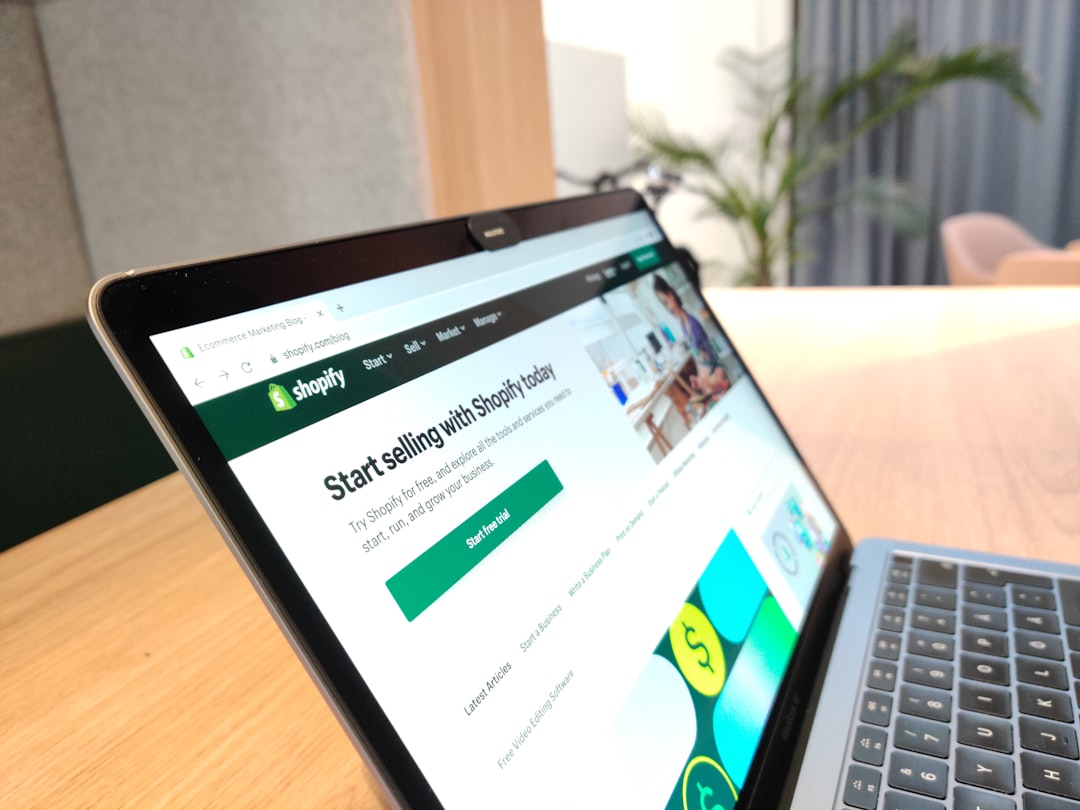
- Store integration: Supliful commonly supports ecommerce workflows through integrations such as Shopify, allowing order automation.
- No inventory requirement: Products are made and fulfilled after purchase, reducing the financial risk of unsold stock.
- Fulfillment support: Once an order is placed, Supliful manages production, packaging, and shipping processes.

The most important advantage is that a merchant can test market demand before investing heavily. For example, a wellness blogger might upload a branded sleep supplement concept, run a small ad campaign with a $150 budget, and measure click-through rate, add-to-cart activity, and pre-launch interest. If the product receives weak engagement, the seller can adjust the offer without being stuck with unused inventory.
What Is Not Usually Included for Free
Although Supliful lowers the barrier to entry, the free option does not mean every business cost disappears. A merchant should expect to pay for the actual product and fulfillment when a customer order is placed. In addition, some premium features may require a paid subscription.
Common limitations can include:
- Limited branding tools compared with paid plans.
- Lower margins if product base costs are higher on the free tier.
- Restricted access to advanced support, custom services, or faster workflows.
- External costs such as ecommerce platform fees, advertising, domain names, and payment processing.
Because pricing and plan names can change, sellers should always check Supliful’s current pricing page before launching. The free option is useful for evaluation, but a serious brand should calculate total costs, including product cost, shipping, ad spend, returns, and subscription fees.
Supliful Pricing Explained
Supliful’s pricing generally follows a freemium structure. There is often a $0 entry plan or free account access, while paid plans may start in the approximate range of $29 to $49 per month. Higher-tier plans can cost more and are usually designed for merchants that need better margins, more tools, or additional support.
A simple pricing evaluation may look like this:
- Free plan: Best for research, mockups, product testing, and early validation.
- Starter paid plan: Best for new stores that are ready to sell and want improved features or branding options.
- Growth plan: Best for sellers generating consistent orders and seeking better unit economics.
- Advanced plan: Best for larger brands that need scale, support, and stronger operational features.

For a practical example, suppose a seller pays $39 per month for a plan and earns an average net profit of $8 per sale after product, shipping, and transaction costs. That seller would need roughly five sales per month to cover the subscription fee. If the store generates 80 monthly sales, the subscription becomes a smaller percentage of operating cost, and attention shifts toward conversion rate, repeat purchases, and customer acquisition cost.
Who Supliful Is Best For
Supliful is most suitable for entrepreneurs who want to sell consumable wellness products rather than traditional merchandise. It can be a strong fit for:
- Fitness influencers launching protein blends, hydration products, or performance supplements.
- Nutrition coaches adding branded products to an existing service business.
- Wellness creators selling vitamins, gummies, or functional beverages to an audience.
- Ecommerce beginners testing a niche without buying bulk inventory.
However, Supliful may be less ideal for merchants focused on fashion, home decor, stationery, posters, or accessories. In those cases, a broader print-on-demand provider may offer more product variety and geographic coverage.
Print-on-Demand Alternatives to Supliful
Supliful is somewhat specialized, so alternatives depend on the type of product a seller wants to offer. For apparel, accessories, and lifestyle goods, these platforms are commonly compared:
- Printful: Known for strong product quality, branding options, embroidery, apparel, accessories, and integrations with major ecommerce platforms.
- Printify: Offers a large supplier network and competitive pricing, making it appealing for sellers who want flexibility across product types and regions.
- Gelato: Focuses on global production through local fulfillment partners, which can help reduce shipping times for international orders.
- Gooten: Provides a wide range of print-on-demand products and is often considered by stores that need automated order routing.
- Apliiq: Strong for custom apparel branding, woven labels, patches, and streetwear-style products.
- SPOD: Known for fast turnaround on basic apparel and merchandise, depending on location and product availability.
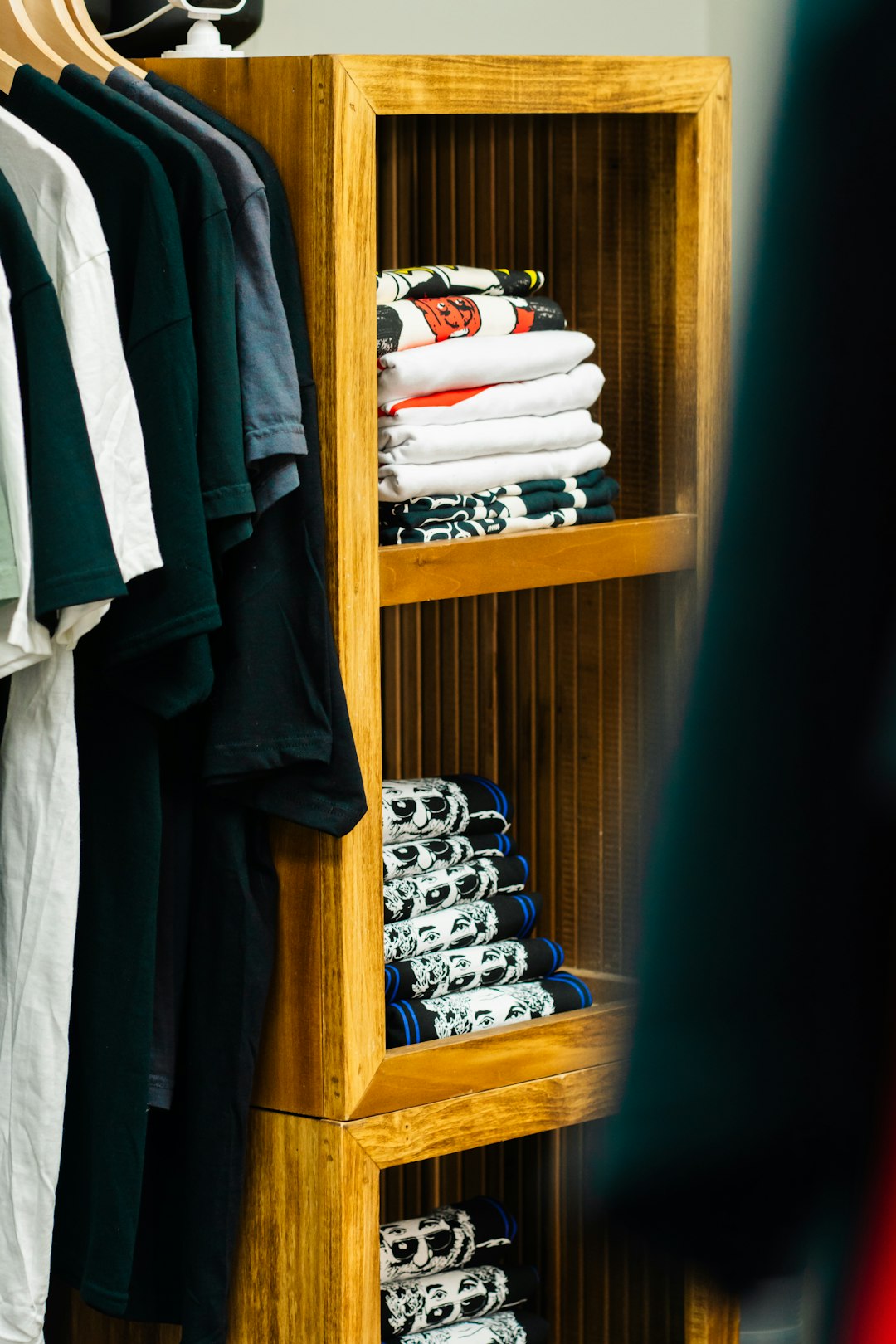
These alternatives are not direct replacements for Supliful’s supplement-focused catalog. Instead, they serve different business models. A fitness creator, for example, might use Supliful for branded supplements and Printful or Printify for gym shirts, shaker bags, or lifestyle merchandise. This hybrid approach can increase average order value while keeping inventory risk low.
How Sellers Should Choose
The best choice depends on product category, margins, fulfillment location, and brand strategy. If the goal is a wellness brand with consumable products, Supliful may be the more relevant starting point. If the goal is apparel, posters, mugs, tote bags, or home goods, a traditional print-on-demand provider is likely more suitable.
Before choosing a platform, a merchant should compare:
- Base product costs and realistic retail prices.
- Shipping times for the target market.
- Branding options, including labels, packaging, and inserts.
- Integration quality with ecommerce platforms.
- Customer support and reliability during order issues.
- Profit margin after ads, returns, subscriptions, and transaction fees.
Final Thoughts
Supliful’s free trial-style access gives sellers a low-risk way to explore private-label wellness products and prepare a brand before paying monthly fees. Its biggest value is the ability to launch supplement-style products without bulk inventory, which can be powerful for creators with an existing audience. However, pricing, margins, and product fit should be reviewed carefully. For non-wellness products, platforms such as Printful, Printify, Gelato, Gooten, Apliiq, and SPOD may be better print-on-demand alternatives.
FAQ
Does Supliful have a free trial?
Supliful generally offers free account access or a free trial-style experience that lets merchants explore the platform, create products, and test ideas before upgrading to a paid plan.
Is Supliful completely free?
No. While account access may be free, sellers still pay product and fulfillment costs when orders are placed. Paid plans may also be needed for better features or improved business terms.
How much does Supliful cost?
Supliful often has a free entry option, while paid plans may start around $29–$49 per month. Exact prices can change, so sellers should confirm current pricing directly before launching.
What products can be sold through Supliful?
Supliful focuses on private-label wellness products such as supplements, vitamins, functional foods, powders, and similar consumable items.
What is the best Supliful alternative?
For apparel and general merchandise, Printful, Printify, Gelato, Gooten, Apliiq, and SPOD are common alternatives. For supplement-style products, sellers should compare specialized private-label fulfillment providers.
Is Supliful good for beginners?
Yes, it can be useful for beginners because it removes the need to buy inventory upfront. However, beginners still need a clear niche, compliant marketing, realistic pricing, and a plan for attracting customers.