Pick Maze if you need fast product research with clean tests. Pick Userology if your team wants AI to do more of the messy thinking after interviews, surveys, and usability sessions.
TLDR: In 2026, Maze is still the easier choice for quick prototype tests, concept tests, and product surveys. Userology feels stronger when you have piles of messy feedback and need AI summaries, themes, and research notes. For example, a product team testing a new checkout flow with 42 users might use Maze to spot a 31% drop off on step three, then use Userology to group open comments into “confusing price,” “trust issues,” and “too many fields.” If you want speed, choose Maze. If you want deeper synthesis, choose Userology.
Why this comparison matters in 2026
UX research is no longer just a person with sticky notes and too much coffee. AI now writes summaries. It spots patterns. It pulls quotes. It can even suggest follow up questions.
That sounds magical. Sometimes it is. Sometimes it is a robot confidently sorting nonsense into pretty folders.
So the real question is simple:
- Which tool helps your team make better product calls?
- Which tool saves time without hiding key details?
- Which tool fits your research style?
Userology and Maze both help with product research. But they feel different. Maze is like a clean lab with timers and charts. Userology is like a smart research assistant who reads everything and says, “Here is what people are really mad about.”
Maze in 2026: fast tests, clear numbers
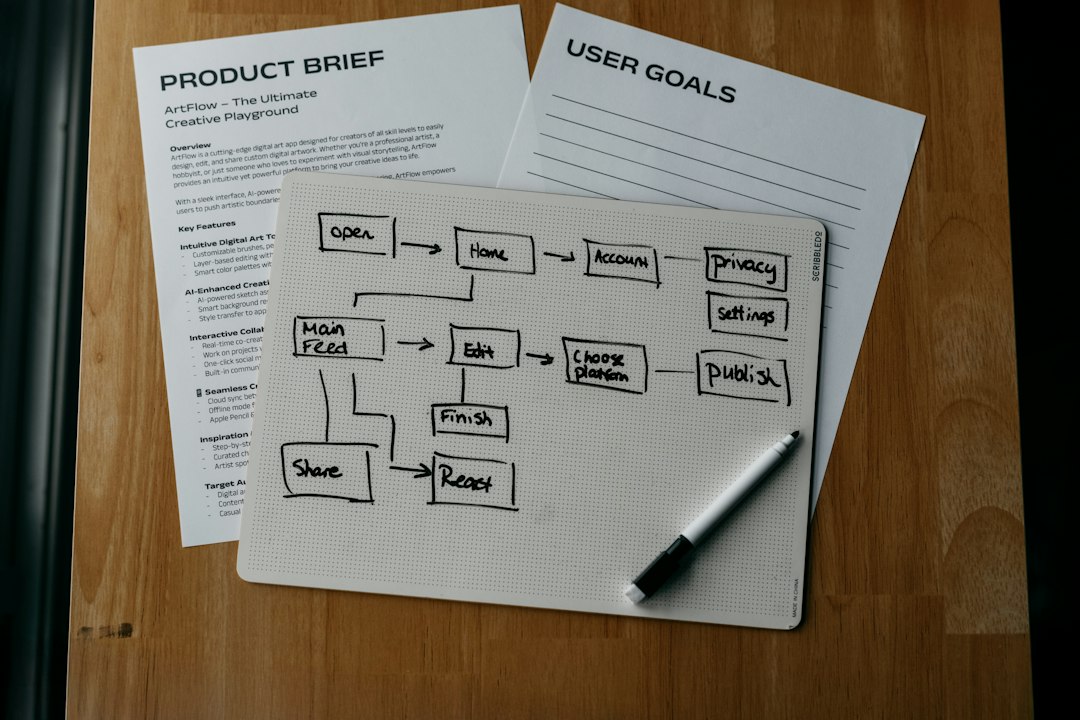
Maze is great when you need answers quickly. It shines with prototype testing, usability tasks, surveys, and concept validation. You build a test. You send a link. People click around. Maze turns behavior into charts.
This is useful for product teams that move fast. You can test a new onboarding screen on Monday and bring results to the roadmap meeting on Tuesday. No drama. No wall covered in notes. No one crying into a spreadsheet.
Maze is best for:
- Prototype tests
- First click tests
- Preference tests
- Surveys
- Usability benchmarks
- Funnel and task success tracking
The numbers are the fun part. You can see completion rates, misclicks, time on task, and drop offs. If 64% of users fail to find the “Cancel subscription” button, Maze makes that pain very visible.
The catch is… Maze can feel a bit stiff when the research gets messy. Open text responses are helpful, but complex themes can still need human sorting. Long interviews are not its sweetest spot. If you dump a giant pile of notes into it, expect some cleanup work.
Userology in 2026: AI synthesis for messy research
Userology is built for teams that collect lots of research data and need help making sense of it. Think interviews, support tickets, survey answers, user calls, product feedback, and research notes.
Its main value is synthesis. It can group findings. It can pull quotes. It can spot repeated complaints. It can turn raw feedback into neat themes for product managers, designers, and founders.
Userology is best for:
- Interview analysis
- Feedback clustering
- Research repositories
- AI summaries
- Persona updates
- Opportunity discovery
Say your SaaS product gets 1,200 support comments in a month. That is not “feedback.” That is a swamp. Userology can help sort it into themes like billing confusion, missing integrations, slow setup, and unclear permissions.
That saves hours. It also helps stop the loudest user from becoming the whole roadmap.
Honestly, it feels like this is where AI research tools make the most sense. Not replacing researchers. Just doing the boring first pass. The part where you read 300 comments and start questioning your life choices.

Userology vs Maze: quick comparison
| Category | Userology | Maze |
|---|---|---|
| Best use | Finding themes in messy feedback | Testing flows, prototypes, and concepts |
| Best user | Researchers and product teams with lots of raw input | Designers and PMs who need fast validation |
| AI strength | Summaries, patterns, quotes, clustering | Test analysis, survey insights, report support |
| Main output | Research themes and insight reports | Task results, success rates, charts |
| Weak spot | Less ideal for structured click testing | Less ideal for deep interview synthesis |
When to choose Maze
Choose Maze when your question is about behavior.
For example:
- Can users complete this signup flow?
- Which pricing page works better?
- Do people understand this feature name?
- Where do users get stuck?
Maze is very good at turning user actions into proof. Product managers like this because the results are easy to share. Designers like it because it gives fast feedback before shipping. Founders like it because it can stop one very expensive bad idea.
A typical Maze result might say: 78% of users completed the task, but 46% hesitated at the permissions screen. That tells the team where to fix the flow.
When to choose Userology
Choose Userology when your question is about meaning.
For example:
- Why are users canceling?
- What do customers complain about most?
- Which problems appear across interviews?
- What themes should shape the next quarter?
Userology is strong when the answer is not a clean number. It helps connect scattered signals. A user might complain in a survey. Another might mention the same issue in an interview. A third might write it in a support ticket. Userology can tie those threads together.
That is useful for product research because real insight is often messy. Users do not speak in roadmap tickets. They say things like, “This page feels weird,” or “I don’t trust this step.” Someone has to translate that. AI can help.
Can you use both?
Yes. And honestly, many teams should.
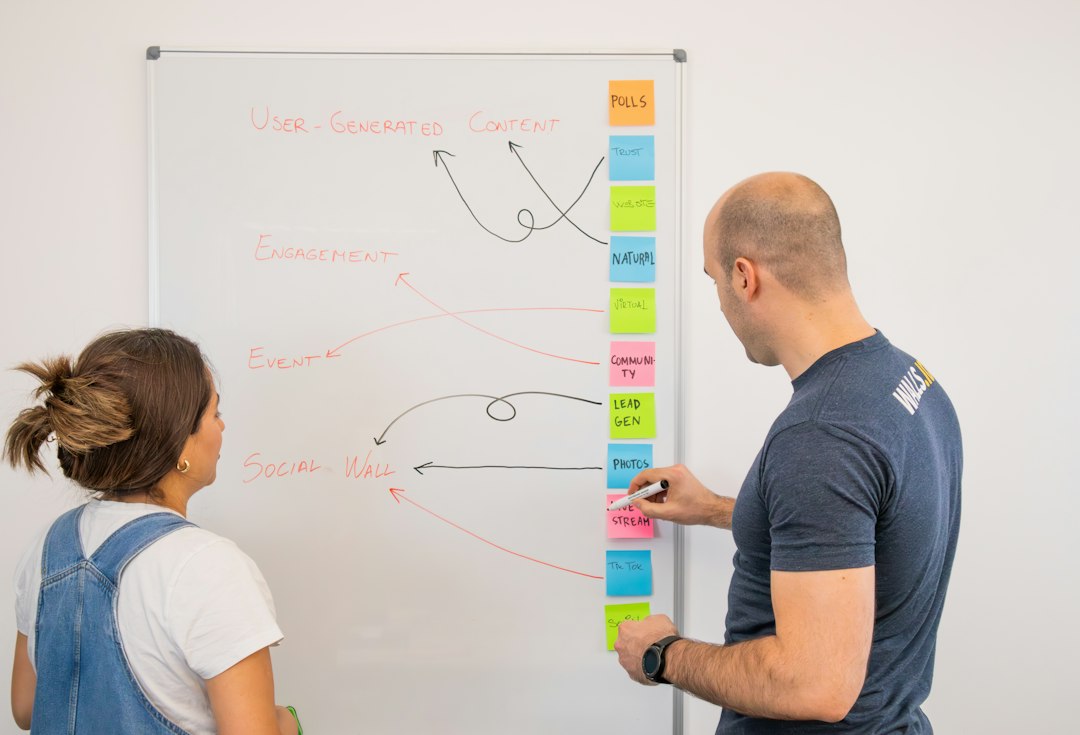
Use Maze to test a flow. Then use Userology to understand the comments and interview notes around that flow.
Here is a simple setup:
- Run a Maze test with 30 to 80 users.
- Find the steps with low success rates.
- Interview 6 to 10 users about those steps.
- Send the notes to Userology for theme grouping.
- Turn the top themes into product fixes.
Final verdict
Maze is the better pick for fast, structured product testing. It gives clear metrics. It is easy to share. It helps teams decide if a design works.
Userology is the better pick for AI powered research synthesis. It helps teams understand why users feel stuck, confused, annoyed, or excited.
If your team mostly asks, “Can users do this?” choose Maze. If your team asks, “What does all this feedback mean?” choose Userology.
The smartest 2026 research stack may be both. Maze gives you the numbers. Userology gives you the story. Together, they help teams build fewer weird features and more useful products.