Choose Brandwatch if your brand safety work is complex, global, and research-heavy; choose Talkwalker if you need fast visual detection, strong alerting, and clear crisis signals across social and web sources. Both tools can help teams spot risky posts, harmful associations, influencer problems, fake accounts, and sudden sentiment drops. The better choice depends on how your team works: Brandwatch favors deep analysis and customization, while Talkwalker often feels quicker for monitoring spikes, images, and emerging threats.
TLDR: Brandwatch is best for teams that need detailed audience research, custom dashboards, and layered brand risk analysis. Talkwalker is better for teams that want rapid alerts, visual monitoring, and broad coverage across social, news, blogs, forums, and video sources. For example, a beauty brand tracking 12 product lines in 18 markets might use Brandwatch to segment risk by audience and region, while a sports sponsor could use Talkwalker to flag logo misuse during a live event within minutes. In one practical setup, teams may track negative sentiment above 25%, brand mentions rising by 300%, or unsafe keyword clusters appearing in more than 50 posts per hour.
What “brand safety” means on social media
Brand safety used to mean keeping ads away from harmful content. On social media, it now means much more. A brand can be damaged by a viral customer complaint, a creator scandal, a hacked account, an offensive meme, misinformation, fake giveaways, or an old post that returns at the worst possible time.
Good brand safety monitoring answers three questions fast:
- What is being said? This includes mentions, hashtags, comments, captions, and linked articles.
- Where is the risk spreading? TikTok, X, Reddit, Instagram, YouTube, news sites, forums, or niche communities.
- How serious is it? A single angry post is different from a creator backlash getting 2 million views.
This is where Brandwatch and Talkwalker both earn attention. They collect large volumes of public data, classify conversations, detect sentiment, and help teams respond before a small issue becomes a boardroom problem.
Brandwatch for monitoring brand safety
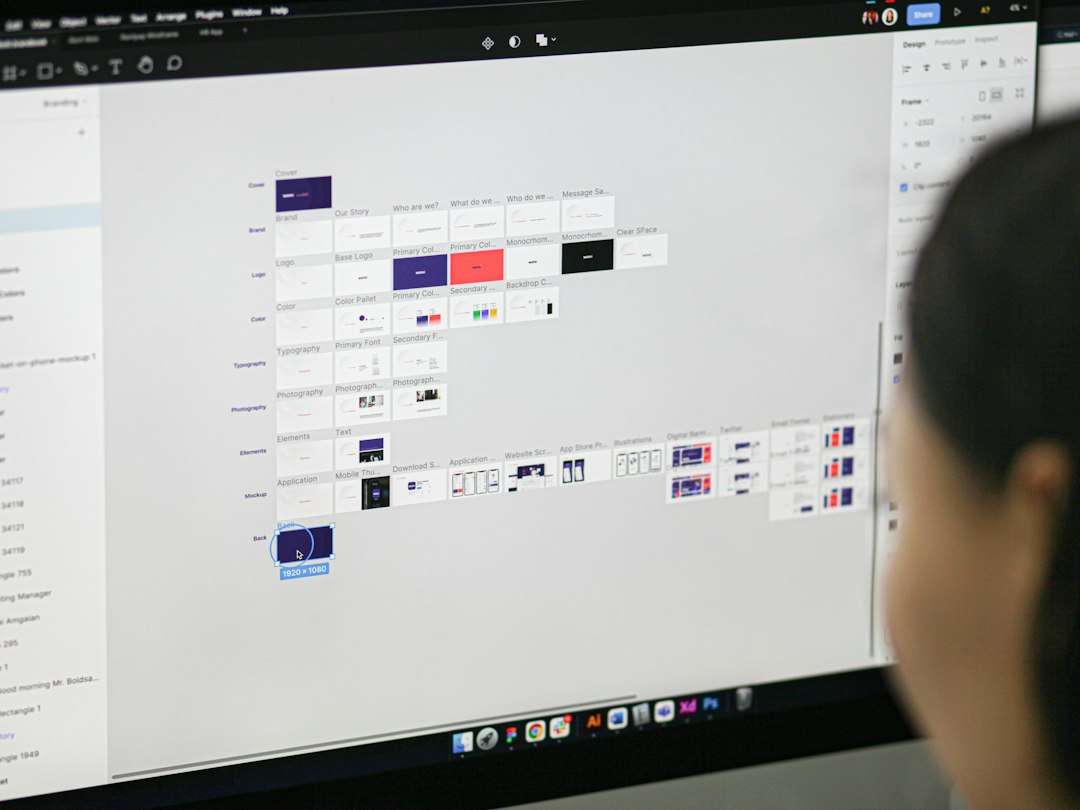
Brandwatch is strong when brand safety is tied to consumer intelligence. It is not just about finding bad mentions. It helps teams understand who is talking, why they care, what themes are forming, and how those themes differ by market or audience.
For brands with many products, regions, and stakeholders, this matters. A gaming company may need to separate normal fan anger from coordinated harassment. A financial brand may need to spot scam accounts and misinformation without drowning in routine complaints. Brandwatch gives analysts room to build detailed queries, segment data, and create custom dashboards for risk teams, PR teams, and executives.
Key strengths of Brandwatch include:
- Advanced query building: Useful for excluding noise and tracking specific risk phrases.
- Deep audience analysis: Helpful when you need to know who is driving the issue.
- Custom dashboards: Good for teams that report brand safety by market, brand, or campaign.
- Historical data: Useful for comparing a current spike with past crises.
- Image and logo tracking: Helpful for finding unsafe visual contexts, not just text mentions.
The catch is that Brandwatch can take time to tune. Query setup may feel slow if you need quick answers today, not next week. A poorly built query can pull in junk data, and fixing that takes care. For experienced analysts, that control is useful. For small teams, it may feel like homework.
Talkwalker for monitoring brand safety
Talkwalker is often a strong fit for teams that want broad monitoring, alerting, and visual risk detection. It is especially useful when the brand threat may spread across images, videos, news, blogs, forums, and social platforms at the same time.
Talkwalker’s visual recognition is one of its most practical brand safety features. A logo can appear in a post without the brand being named in the caption. That matters for sponsors, consumer goods brands, sports teams, alcohol brands, and event marketers. If your logo appears beside violence, hate symbols, counterfeit goods, or unsafe behavior, text monitoring alone may miss it.
Key strengths of Talkwalker include:
- Strong visual monitoring: Useful for logo appearances, sponsorship checks, and image-led platforms.
- Fast alerts: Good for spotting sudden spikes and negative shifts.
- Wide source coverage: Helpful when social chatter links back to blogs, forums, or news articles.
- Conversation clustering: Good for finding the themes behind a crisis.
- Readable reporting: Useful for PR and brand teams that need quick summaries.
Honestly, it feels like Talkwalker is easier to get value from early, especially for alerting. But that does not mean it is simple. Expect to waste time on false positives if your brand name is a common word, acronym, place, or product term. A brand called “Apple,” “Orange,” “Bolt,” or “Monday” will need careful setup in any tool.
Brandwatch vs Talkwalker: side-by-side for brand safety
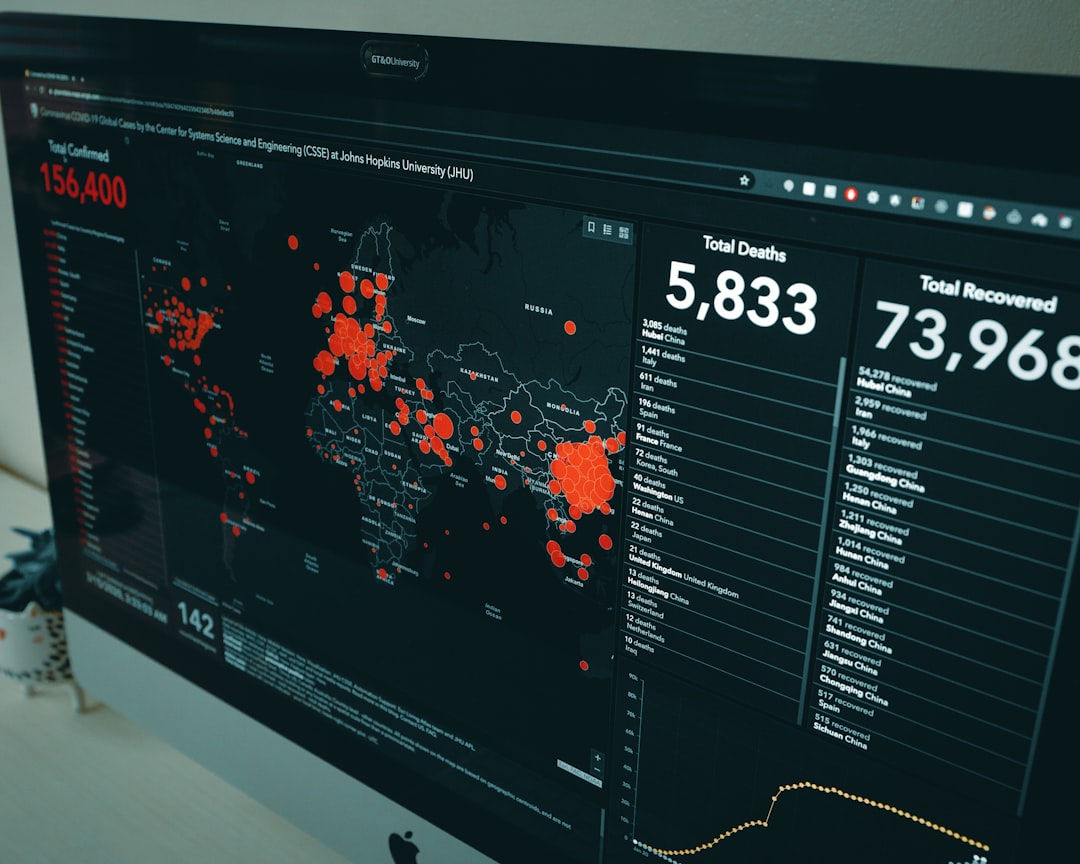
| Category | Brandwatch | Talkwalker |
|---|---|---|
| Best fit | Large teams needing deep analysis and custom research | Teams needing fast alerts, visual checks, and broad monitoring |
| Risk detection | Strong with refined queries and audience segmentation | Strong with spikes, visuals, and cross-source tracking |
| Dashboards | Highly customizable | Clear and accessible for mixed teams |
| Visual brand safety | Useful logo and image tracking | Often a key reason teams choose it |
| Learning curve | Higher, especially for advanced queries | Moderate, though tuning is still needed |
When Brandwatch is the better choice
Pick Brandwatch if brand safety is part of a larger research program. It works well when your team asks detailed questions such as: Which audience group is driving the backlash? Is sentiment worse among customers or non-customers? Did this issue start with a creator, a media post, or a Reddit thread?
Brandwatch also makes sense for regulated sectors. Banks, insurers, healthcare brands, and major retailers often need structured reporting and deeper context. The tool is useful when the answer cannot be “mentions went up.” You need to know what went up, who amplified it, and whether it connects to a known risk area.
When Talkwalker is the better choice
Pick Talkwalker if speed and visibility are your top concerns. It is a good fit for brands with sponsorships, live events, creator campaigns, or high visual exposure. If a logo appears in an unsafe reel, protest image, prank video, or counterfeit listing, the brand may need to know fast.
Talkwalker is also useful for communications teams that want crisis alerts without needing a full analyst desk. You can set alerts for mention spikes, negative sentiment changes, influencer mentions, and harmful keyword groups. For example, a food brand might trigger an alert when mentions of “sick,” “recall,” and the product name rise above 150 mentions in 30 minutes.
What both tools still struggle with
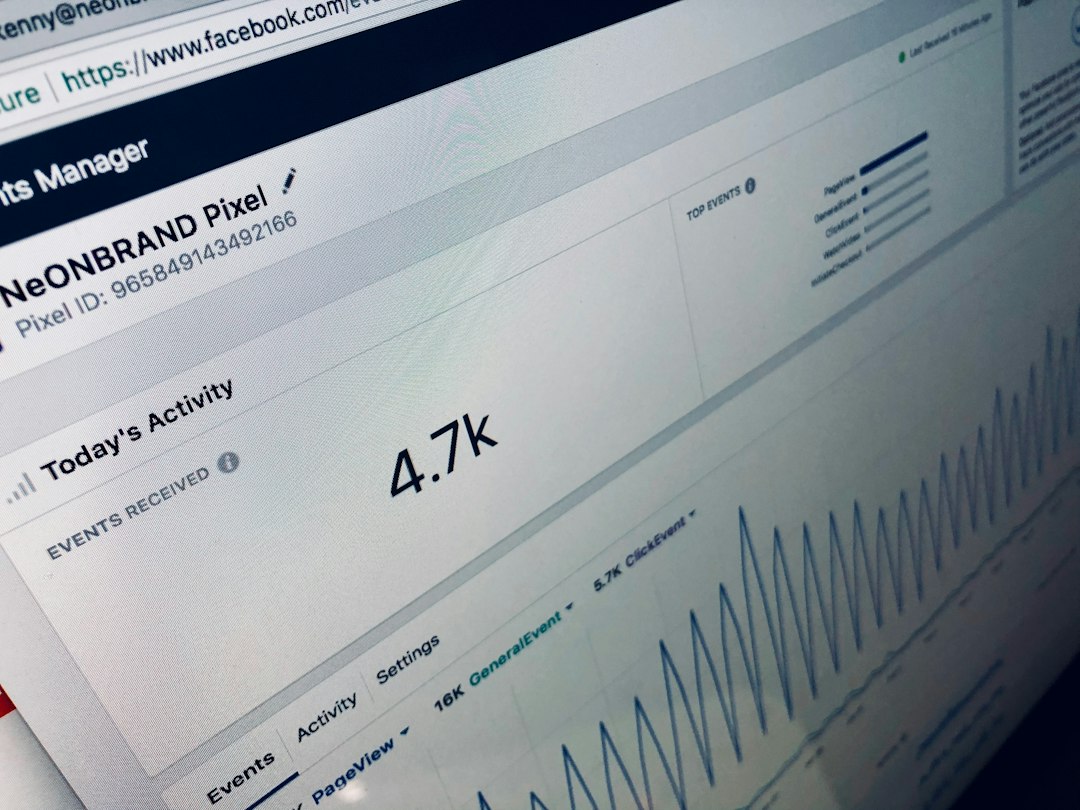
No platform can fully understand context every time. Sarcasm is still messy. Slang changes fast. Private groups are not fully visible. Platform data access can shift. Sentiment scoring can misread jokes, regional language, or reclaimed terms.
It drives me crazy that teams still treat sentiment percentages as absolute truth. A score can help spot movement, but humans need to review the posts that matter. A sudden shift from 12% negative to 34% negative deserves attention, but the real question is what caused it.
How to choose the right tool
Use this simple rule:
- Choose Brandwatch if you need deep investigation, strong segmentation, custom dashboards, and long-term brand intelligence.
- Choose Talkwalker if you need fast crisis alerts, strong visual recognition, and wide coverage across social and web sources.
- Consider both if you run global campaigns with high brand exposure, many creators, and strict reputation controls.
The smartest brand safety setup is not only about software. It needs clear thresholds, response owners, escalation rules, and human review. Brandwatch and Talkwalker can both spot trouble. The real win comes when your team knows what to do next.