The New York Times crossword has a knack for making even the simplest clue feel slippery. A clue like “A little horse” looks almost too easy at first glance, but crossword solvers know that short, familiar phrases often hide more than one possible answer. The best answer depends on the puzzle’s letter count, crossings, and whether the clue is being used literally or playfully.
TLDR: The best answer for the NYT crossword clue “A little horse” is usually PONY. A pony is a small horse, making it the most direct and common crossword solution. However, depending on the number of letters and the puzzle’s wordplay, FOAL can also be a possible answer because it means a young horse. Always check the crossing letters before committing.
Best Answer: PONY
The most likely answer to the clue “A little horse” is:
PONY
This answer works because a pony is commonly understood as a small horse. In everyday language, people often describe ponies as “little horses,” especially when speaking casually or explaining the difference to children. In crossword terms, PONY is also a highly efficient answer: it is short, familiar, and made up of common letters.
The New York Times crossword frequently uses concise clues for equally concise answers. When the clue is straightforward and the answer length is four letters, PONY is typically the strongest fit. It has appeared in many crossword grids over the years because it is recognizable, flexible, and easy to clue in multiple ways.
Why “PONY” Is the Best Fit
There are several reasons PONY is usually the best solution for “A little horse”:
- It matches the literal meaning: A pony is a small type of horse, so the clue reads naturally.
- It is a common crossword word: Short answers with useful letters are crossword favorites.
- It fits a four-letter slot: Many basic animal clues in NYT puzzles have compact answers.
- It does not require obscure knowledge: Solvers of all experience levels are likely to recognize it.
In a standard crossword, the simplest explanation is often the correct one. If the clue says “A little horse” and the answer has four letters, PONY should be your first guess.
Could the Answer Be “FOAL”?
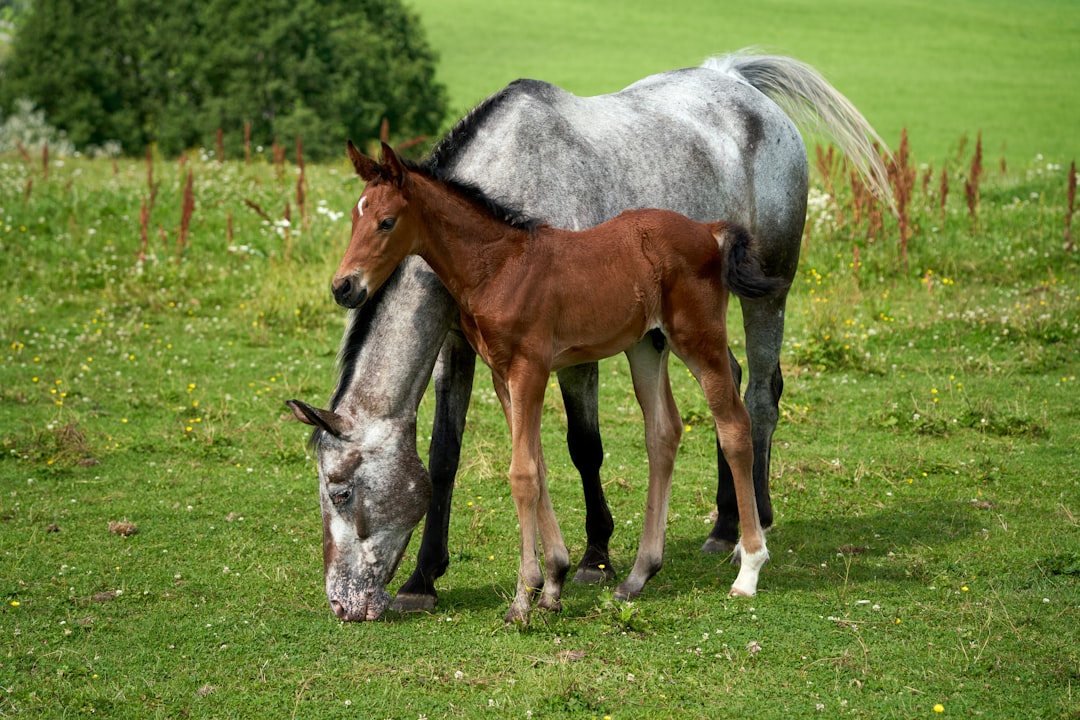
Yes, FOAL is another reasonable answer, but it means something slightly different. A foal is a young horse, not necessarily a small breed of horse. Since young horses are little in size, FOAL can also satisfy the idea of “a little horse.”
The distinction is important:
- PONY: A small horse or small horse breed.
- FOAL: A baby or young horse.
If the NYT crossword clue gives you four squares, both PONY and FOAL are possible before you check the crossings. However, PONY is usually the more direct answer to the wording “a little horse”, while FOAL is more directly clued by phrases like “young horse,” “colt or filly,” or “newborn in a stable.”
How to Tell Which Answer the Puzzle Wants
When two answers seem plausible, the crossings are your best guide. In the NYT crossword, no clue exists in isolation. Each answer has to agree with the words that cross it, and those crossing letters usually settle the question quickly.
Here is a simple method:
- Check the answer length. If the slot has four letters, consider PONY or FOAL.
- Look at the second letter. If it is O, both options may still be open.
- Check the first letter. A P points to PONY; an F points to FOAL.
- Use the clue tone. A very literal clue favors PONY; a clue about youth favors FOAL.
- Watch for question marks. A clue like “A little horse?” may involve a pun or twist.
The question mark is especially important in NYT crosswords. It often signals wordplay. Without a question mark, the clue is more likely to be straightforward. With one, the answer might depend on a joke, idiom, or alternate reading.

The Joke Behind “A Little Horse”
One reason this clue is interesting is that it can invite a mental detour toward the phrase “a little hoarse.” Spoken aloud, horse and hoarse sound exactly the same. A “little hoarse” person might have a raspy voice, while “a little horse” is literally a small equine animal.
Crossword constructors love this kind of sound-based ambiguity. They can use homophones to make a clue feel playful without making it impossible. If the clue includes quotation marks, odd capitalization, or a question mark, solvers should consider whether the clue is asking for something literal or something that sounds like another phrase.
For example, a clue like “A little hoarse?” could lead toward an answer such as RASPY, ROUX in a themed puzzle, or some other pun-based solution depending on the theme. But the clue “A little horse” by itself usually points back to PONY.
Why NYT Crossword Clues Can Feel Trickier Than They Look
The New York Times crossword is famous for clue precision. Even easy-looking clues are carefully chosen. A clue may be plain, punny, misleading, or theme-dependent. The solver’s job is to determine which mode the puzzle is using.
Several features can change how you should interpret a clue:
- Question mark: Often means wordplay or a nonliteral interpretation.
- Quotation marks: May indicate a spoken phrase, sound, or familiar expression.
- Abbreviations: If the clue is abbreviated, the answer usually is too.
- Theme entries: In themed puzzles, ordinary clues may have unusual answers.
- Day of the week: Monday clues are usually easier; Friday and Saturday clues are more deceptive.
So while PONY is the best general answer, an experienced solver will still confirm it with crossings rather than relying on instinct alone.
Pony vs. Horse: What Is the Difference?
Outside the crossword grid, the word pony has a specific meaning. A pony is generally a small equine, often measured by height. In many equestrian contexts, ponies are considered distinct from horses because of their size, build, temperament, and proportions.
Ponies are usually shorter than horses, but they are not simply baby horses. A full-grown pony can be small its entire life. That is what makes PONY such a good answer for “a little horse”. It describes a horse-like animal that is little by nature, not merely one that has not grown up yet.
A foal, on the other hand, will eventually grow into an adult horse or pony. It is little because it is young. The clue “baby horse” almost certainly means FOAL, while “little horse” leans more strongly toward PONY.

Other Crossword Answers Related to Horses
Horse-related clues are extremely common in crosswords because they offer many short, useful answers. If you are solving NYT puzzles often, it helps to recognize these related terms:
- COLT: A young male horse.
- FILLY: A young female horse.
- FOAL: A young horse of either sex.
- MARE: An adult female horse.
- STUD: A male horse kept for breeding.
- STEED: A riding horse, often in literary or old-fashioned language.
- NAG: An old or worn-out horse, sometimes used humorously.
- ROAN: A horse with a mixed coat color.
Knowing these terms can make animal clues much easier. The NYT crossword often recycles common vocabulary, but the clues vary enough to keep solvers alert.
What If the Clue Appears in the NYT Mini?
The NYT Mini Crossword tends to favor quick, accessible answers. If “A little horse” appears in the Mini and the answer has four letters, PONY is especially likely. The Mini often uses direct clues that can be solved in seconds, and PONY is a perfect Mini-style answer: simple, familiar, and satisfying.
That said, the Mini can still use playful clues. If the crossing letters do not support PONY, do not force it. The correct answer is always the one that fits the entire grid.
Tips for Solving Similar Clues
Clues like “A little horse” are useful training examples because they teach several important crossword habits:
- Start with the obvious answer, but do not marry it. Write in PONY lightly if it fits, then verify.
- Think about categories. Is the clue asking for size, age, breed, sound, or idiom?
- Use crossings early. One or two confirmed letters can eliminate wrong guesses.
- Notice punctuation. A question mark can completely change the clue’s meaning.
- Build a crossword vocabulary. Common short words like PONY, FOAL, and MARE appear often.
Good solvers are not just people who know many facts. They are people who can shift interpretations quickly. A clue may be literal for one second and punny the next, and the grid rewards flexibility.
Final Answer and Explanation
The best answer to the NYT crossword clue “A little horse” is PONY. It is the most natural interpretation because a pony is a small horse. If the answer length is four letters and the crossings support it, PONY is almost certainly correct.
Still, keep FOAL in mind as an alternate possibility. A foal is a young horse, so it can also fit the general idea of a little horse in some puzzles. The difference is subtle but important: PONY refers to small size, while FOAL refers to young age.
That little distinction is exactly what makes crossword solving fun. A clue can look simple, but the best solvers pause long enough to ask, “What kind of little does the puzzle mean?” In this case, the answer is most likely PONY—short, sweet, and right at home in a New York Times crossword grid.