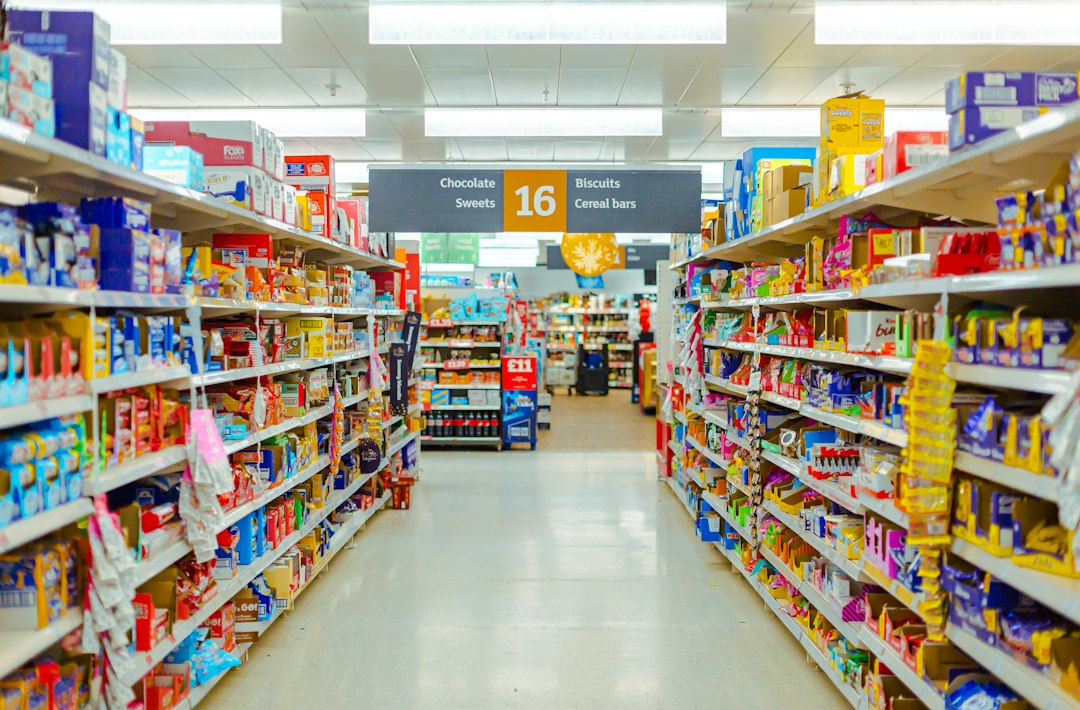
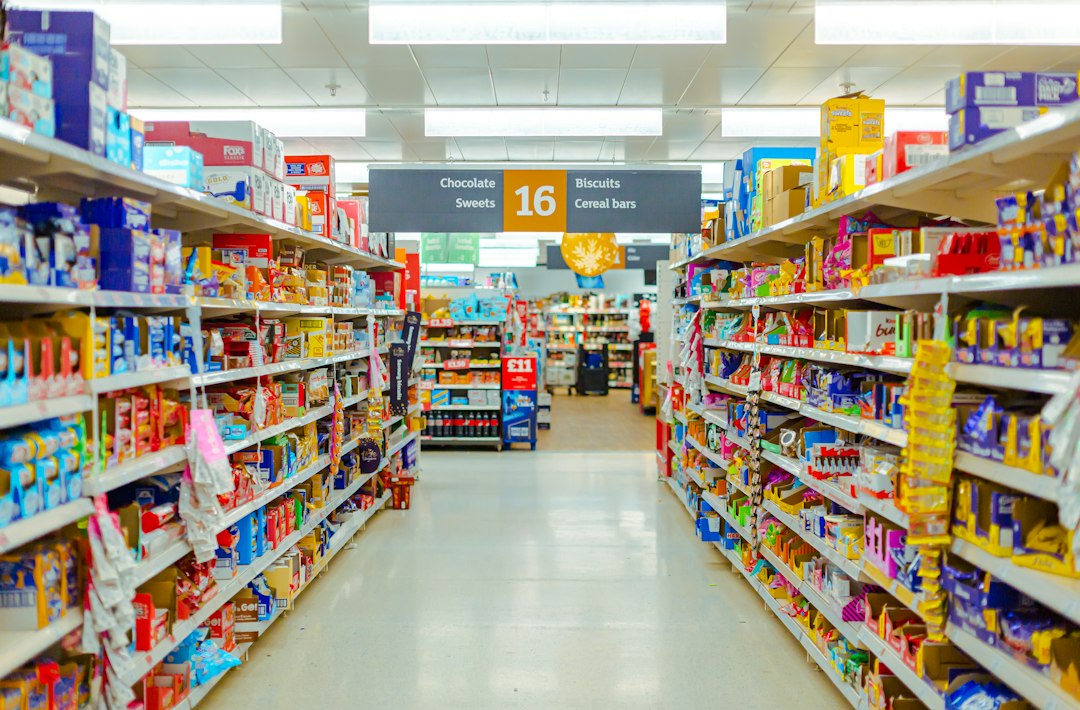
Grocery stores should compare inventory tools by shrink control, ordering speed, supplier fit, and fresh food tracking before looking at price. A supermarket may carry tens of thousands of items, so a weak system quickly turns into bad counts, spoiled produce, and late purchase orders [source: FMI].
TLDR: MarketMan is strong for food cost control, recipe-style tracking, and multi-location purchasing, while BlueCart is useful for supplier ordering and vendor communication. A 12,000-SKU grocery store that cuts stockouts by even 8% can save hours each week on manual checks and lost sales reviews. For example, if the dairy team spends 10 hours a week checking coolers, better reorder alerts may cut that to 6 or 7 hours. The best choice depends on whether the store’s biggest pain is buying, counting, spoilage, or reporting.
Why Grocery Inventory Is Harder Than It Looks
Grocery inventory is not just boxes on shelves. It includes produce that wilts, meat that expires, dairy that needs cold storage, and dry goods that move at different speeds. One bad count can trigger a chain reaction. The buyer orders too much lettuce. The cooler fills up. Staff mark it down two days later. Then the margin is gone.
The catch is that many stores still fix this with spreadsheets, clipboards, and last-minute calls to suppliers. That setup works until volume rises. Then cycle counts get skipped. Receiving errors pile up. Nobody wants to hunt through three tabs just to check whether eggs were ordered.
What a Good Grocery Inventory Tool Should Do
A grocery store should look for software that supports daily store habits, not just office reports. Useful features include:
- Real-time stock counts for high-turn items
- Low-stock alerts by department, vendor, or location
- Expiration and spoilage tracking for fresh items
- Purchase order creation from par levels
- Supplier price tracking to catch cost changes
- POS and accounting integrations
- Mobile receiving for backroom teams
Stores should also test how many taps it takes to receive an order. That sounds small. It is not. If receiving takes 20 seconds longer per item, a 150-line delivery becomes a headache before lunch.
MarketMan for Grocery Stores
MarketMan is often used by restaurants, food service groups, and small chains, but many of its features fit grocery operations too. It handles purchasing, supplier catalogs, inventory counts, and cost tracking. It is especially helpful for prepared foods, deli counters, bakery sections, and stores with grab-and-go meals.
MarketMan’s strength is its focus on food cost. It can help managers see when vendor prices rise. It can also connect purchasing to stock levels and menu-style production needs. For grocers with a strong prepared food program, that can matter a lot.
Best fit: specialty grocers, organic stores, small chains, delis, and stores with kitchens.
Possible drawback: stores that need deep grocery POS features may need to check integrations closely. Honestly, it feels like some tools promise “easy setup,” then hand the store a long mapping project for SKUs, units, and vendors.
BlueCart for Grocery Stores
BlueCart focuses on ordering, supplier communication, and wholesale purchasing. It can help stores place orders with vendors, manage order history, and reduce phone calls or text-based ordering. That is useful for grocery teams that buy from many local suppliers.
BlueCart may be a good pick when the store’s biggest issue is vendor ordering rather than full inventory control. It can make repeat orders easier. It can also reduce messy email chains between buyers and suppliers.
Best fit: independent grocers, specialty food shops, produce markets, and stores with many supplier relationships.
Possible drawback: BlueCart may not replace a full inventory system for stores that need detailed shrink, batch tracking, or advanced reporting.
Image not found in postmetaOther Tools Worth Comparing
MarketMan and BlueCart are not the only choices. Grocery operators may also compare systems such as Cin7, Unleashed, Katana, Square for Retail, Lightspeed Retail, and industry-specific POS inventory tools. For broader options, buyers can review this guide on inventory management platforms to compare.
Cin7 can suit stores with eCommerce, wholesale, and multi-location needs. Unleashed may fit businesses that want strong inventory control across purchasing and sales. Katana is more production-focused, so it may help grocers with central kitchens or packaged foods.
For traditional supermarkets, the POS system still matters. If the POS already manages scanning, sales, promotions, and loyalty pricing, the inventory tool must work with it cleanly. Bad syncing creates duplicate items. Staff then stop trusting the numbers.
How Stores Should Compare MarketMan and BlueCart
A grocery store should run a simple test before signing a contract. Pick 50 items. Include milk, apples, ground beef, cereal, bottled drinks, and bakery goods. Then test each tool with real tasks.
- Create a purchase order from current stock levels.
- Receive a delivery with price changes and missing items.
- Record waste for expired or damaged goods.
- Run a margin report for one department.
- Check mobile speed in the stockroom.
The winner should make these tasks faster. It should also make errors easier to find. Fancy dashboards are nice, but they do not matter if the produce manager avoids the system.
Final Buying Advice
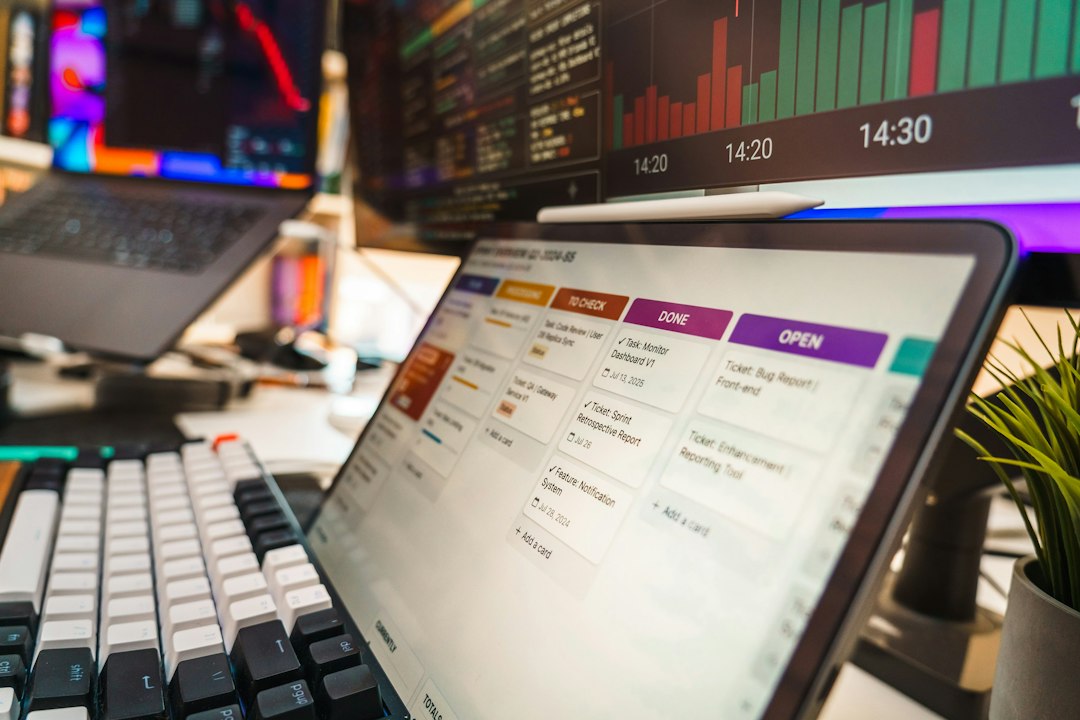
MarketMan is better when food cost, prepared foods, and inventory counts are the main focus. BlueCart is better when supplier ordering and vendor communication are the main trouble spots. Larger stores may need a grocery POS with built-in inventory or a stronger retail inventory platform.
The smart move is to score each system against real store work. A demo should include actual SKUs, vendors, pack sizes, and spoilage cases. If the software cannot handle bananas by weight, soda by case, and deli salads by batch, the store will feel the pain later.
FAQ
- What is the best inventory software for a small grocery store?
There is no single best choice. MarketMan may fit food-focused stores, while BlueCart may fit stores that need easier vendor ordering. - Can MarketMan be used by grocery stores?
Yes. It can work well for specialty grocers, delis, and stores with prepared foods or strong food cost tracking needs. - Is BlueCart a full inventory system?
BlueCart is strong for ordering and supplier workflows. Stores needing deep shrink and stock analytics should compare it with fuller inventory platforms. - What features matter most for grocery inventory?
Low-stock alerts, expiration tracking, mobile receiving, POS syncing, vendor price tracking, and waste reporting matter most. - Should a grocery store use its POS for inventory?
Often, yes. If the POS has reliable inventory tools, it may be enough. If not, a separate system can fill the gaps.