Choosing between BrightEdge and Ahrefs in 2026 is less about finding the “best” SEO platform in general and more about identifying the platform that best fits your organization’s scale, workflow, reporting needs, and growth strategy. Both tools are respected in the SEO industry, but they serve noticeably different types of users. BrightEdge is built primarily for enterprise SEO teams that need governance, integrations, forecasting, and executive-level reporting, while Ahrefs is widely favored by marketers, agencies, content teams, and SEO professionals who need fast research, competitive intelligence, and backlink analysis.
TLDR: BrightEdge is the stronger choice for large organizations that need enterprise SEO management, workflow alignment, advanced reporting, and stakeholder visibility. Ahrefs is better suited for teams that prioritize backlink research, keyword discovery, competitor analysis, and practical day-to-day SEO execution. In 2026, BrightEdge remains more of a strategic enterprise platform, while Ahrefs remains a flexible, research-driven SEO toolkit. The right choice depends on whether your biggest need is organizational SEO management or hands-on SEO investigation and execution.
Platform Positioning in 2026
BrightEdge is positioned as an enterprise SEO and content performance platform. It is designed for organizations where SEO involves multiple teams: content, analytics, product, engineering, regional marketing, and leadership. Its value comes from centralizing organic search performance, identifying opportunities at scale, and translating SEO data into business-facing insights.
Ahrefs, by contrast, is positioned as an SEO research and intelligence platform. It is known for its backlink index, keyword research tools, content analysis, rank tracking, site audit functionality, and competitor research. It is often used by SEO specialists who need to move quickly from question to answer: Which pages are ranking? Who links to competitors? What keywords are growing? What content gaps exist?
In practical terms, BrightEdge helps large organizations manage SEO as a business function, while Ahrefs helps SEO practitioners uncover opportunities and diagnose performance issues. That distinction is the foundation of this comparison.
Key Differences at a Glance
- Best for enterprise governance: BrightEdge
- Best for backlink research: Ahrefs
- Best for executive reporting: BrightEdge
- Best for quick competitive analysis: Ahrefs
- Best for large, multi-team organizations: BrightEdge
- Best for agencies, consultants, and lean teams: Ahrefs
- Best for content gap discovery: Ahrefs, though BrightEdge can be strong at enterprise scale
- Best for workflow and strategic SEO management: BrightEdge

BrightEdge Strengths
BrightEdge’s greatest strength is its ability to support SEO programs across complex organizations. Enterprise SEO is rarely just about finding keywords. It involves prioritizing technical fixes, proving value to leadership, aligning content teams, monitoring performance across markets, and ensuring recommendations are actually implemented. BrightEdge is built for that environment.
One of its most important advantages is business-level reporting. SEO teams in large companies often need to explain organic performance in terms of revenue, demand generation, product visibility, market share, or content impact. BrightEdge is designed to connect SEO metrics with broader business outcomes, making it easier to communicate with executives and non-SEO stakeholders.
BrightEdge also performs well when organizations need repeatable workflows. It can help teams identify opportunities, assign priorities, monitor progress, and measure impact. This is especially useful when SEO work depends on collaboration with developers, content strategists, regional teams, and brand managers.
Another strength is its enterprise-level data organization. Large websites often have thousands or millions of URLs, multiple categories, and different business units. BrightEdge can help structure SEO analysis in a way that reflects a company’s internal organization, not just search engine data.
BrightEdge Limitations
BrightEdge is not typically the simplest or most affordable option. Its enterprise orientation means implementation may require onboarding, training, configuration, and ongoing account support. For a small team that mainly needs keyword research and backlink data, BrightEdge can feel more complex than necessary.
Pricing is also a major consideration. BrightEdge commonly serves companies with larger software budgets, and costs are usually aligned with enterprise contracts rather than low-cost self-serve subscriptions. This can be appropriate when the platform supports a large SEO operation, but it may not be justified for smaller companies.
Another limitation is speed of informal research. While BrightEdge provides robust insights, many SEO professionals find Ahrefs faster for quick checks, such as reviewing a competitor’s backlinks, exploring ranking keywords, or estimating content opportunities.
Ahrefs Strengths
Ahrefs is widely respected because it is practical, fast, and data-rich. Its backlink analysis remains one of its strongest features. For SEO professionals who care about link profiles, referring domains, anchor text, competitor links, and digital PR opportunities, Ahrefs is often one of the first tools they open.
Its keyword research capabilities are also strong. Users can evaluate keyword difficulty, search volume, traffic potential, related terms, parent topics, and competing pages. This makes Ahrefs particularly useful during content planning, niche analysis, and competitive research.
Another major advantage is usability. Ahrefs is generally accessible to experienced SEOs without a long implementation process. A consultant, agency, startup, or in-house marketer can log in and begin finding useful insights quickly. This makes it attractive to teams that value speed and independence.
Ahrefs also performs well for competitor analysis. Users can examine which pages drive traffic for competitors, what keywords they rank for, where they earn links, and which content formats appear to be working. This type of intelligence can directly inform content roadmaps, link building campaigns, and SEO strategy.
Ahrefs Limitations
Ahrefs is not an enterprise workflow platform in the same way BrightEdge is. While it provides excellent SEO data, it is less focused on large-scale organizational governance, executive dashboards, multi-department workflows, and business-unit reporting. Teams can certainly use Ahrefs in large companies, but they may need separate systems for project management, stakeholder reporting, and performance communication.
Ahrefs also requires users to interpret and operationalize the data themselves. This is not necessarily a weakness for experienced SEO professionals, but it can be a challenge for organizations that need guided prioritization or standardized reporting across teams.
For executive audiences, Ahrefs reports may need additional explanation or customization. Leadership teams often want clear business narratives, not just rankings, links, and keyword charts. BrightEdge tends to be stronger in this area because it is built with enterprise communication in mind.
Keyword Research Comparison
For keyword research, Ahrefs is usually the more flexible hands-on tool. It is excellent for discovering keyword ideas, evaluating SERP competition, identifying traffic potential, and analyzing what competitors rank for. Content marketers and SEO specialists can use it to build topic clusters, refresh existing content, and uncover long-tail opportunities.
BrightEdge also supports keyword discovery and performance tracking, but its real strength is connecting keyword opportunities to enterprise SEO programs. For example, a large retailer, publisher, or software company may need to understand keyword performance across categories, regions, brands, or funnel stages. BrightEdge is better suited to organizing that complexity into strategic reporting.
If your team needs fast keyword exploration, Ahrefs is likely preferable. If your organization needs keyword intelligence tied to large-scale planning and internal accountability, BrightEdge may be the better fit.
Backlink Analysis Comparison
Backlink analysis is one of the clearest areas where Ahrefs stands out. Its link database, link intersect features, referring domain analysis, and competitor backlink research are central reasons many SEO professionals subscribe to it. For link building, digital PR, authority analysis, and competitive benchmarking, Ahrefs is a highly practical choice.
BrightEdge provides SEO intelligence beyond backlinks, but it is not typically selected primarily as a backlink research tool. Enterprise teams using BrightEdge may still use Ahrefs alongside it specifically for backlink analysis. In fact, this combination is common: BrightEdge for enterprise SEO management and Ahrefs for specialized research.
Technical SEO and Site Auditing
Both platforms can support technical SEO analysis, but they approach it differently. Ahrefs offers site auditing features that identify crawl issues, internal linking problems, duplicate content signals, performance concerns, and other technical factors. It is useful for SEO teams that want a straightforward crawl-based view of site health.
BrightEdge supports technical SEO within a broader enterprise context. Its value is not merely identifying technical issues but helping organizations prioritize them and connect fixes to measurable outcomes. For large websites, this can be important because not every technical issue deserves the same level of urgency.
For a smaller website or agency audit, Ahrefs may be more direct. For a large organization with multiple stakeholders and competing technical priorities, BrightEdge may provide more strategic structure.
Reporting and Executive Communication
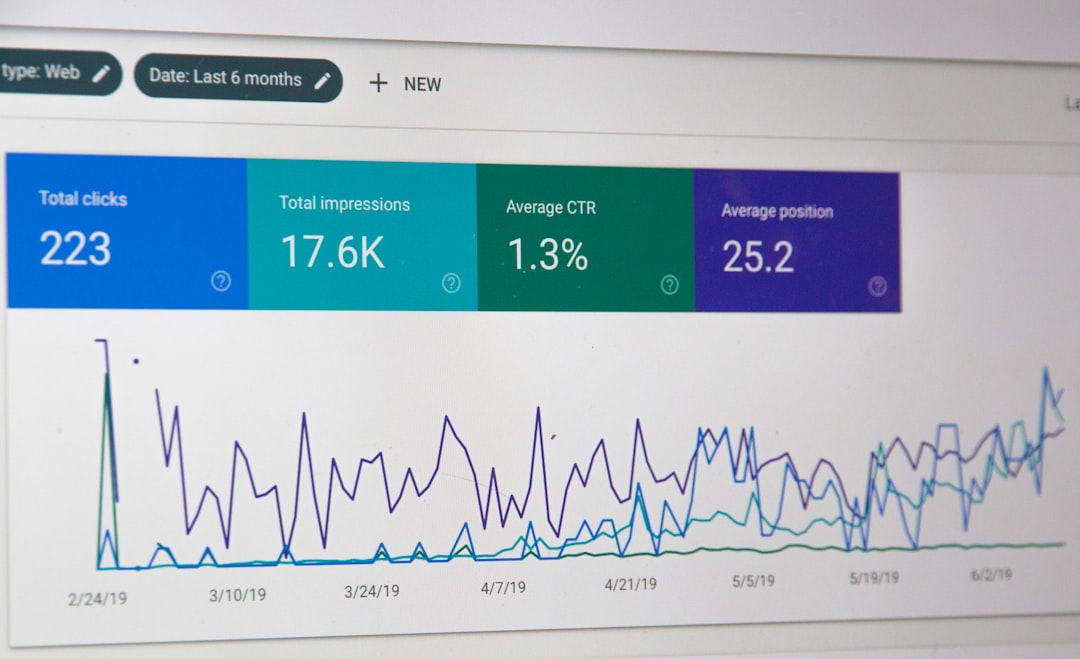
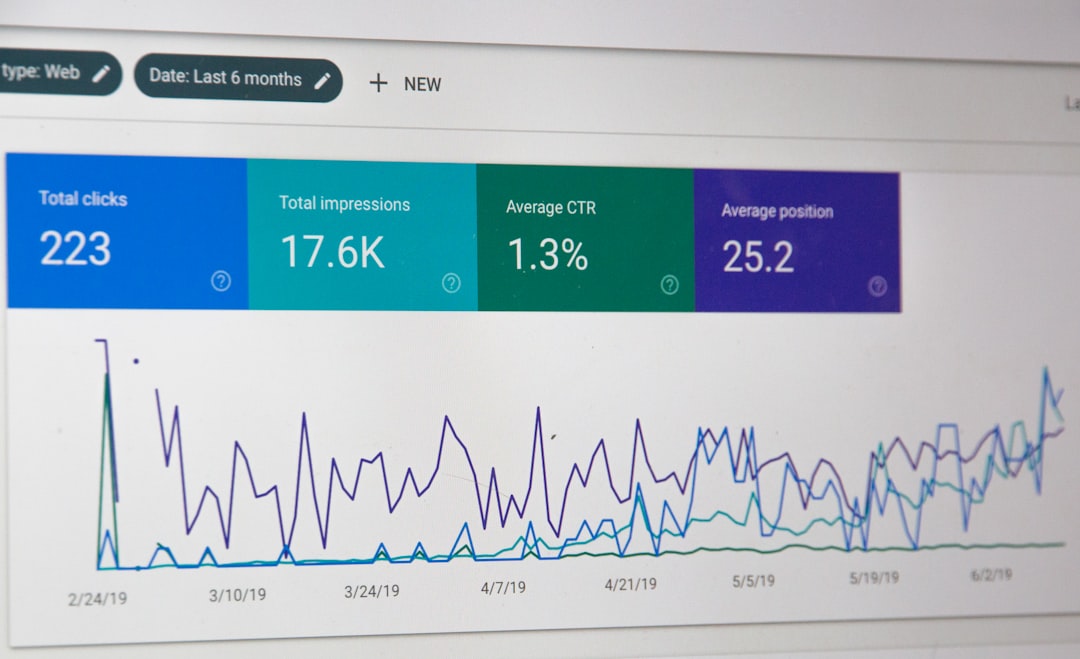
Reporting is one of BrightEdge’s strongest categories. Enterprise SEO teams often need to report progress to executives, content leaders, product owners, and regional managers. BrightEdge is built to make SEO performance understandable across departments and to connect organic search activity with business priorities.
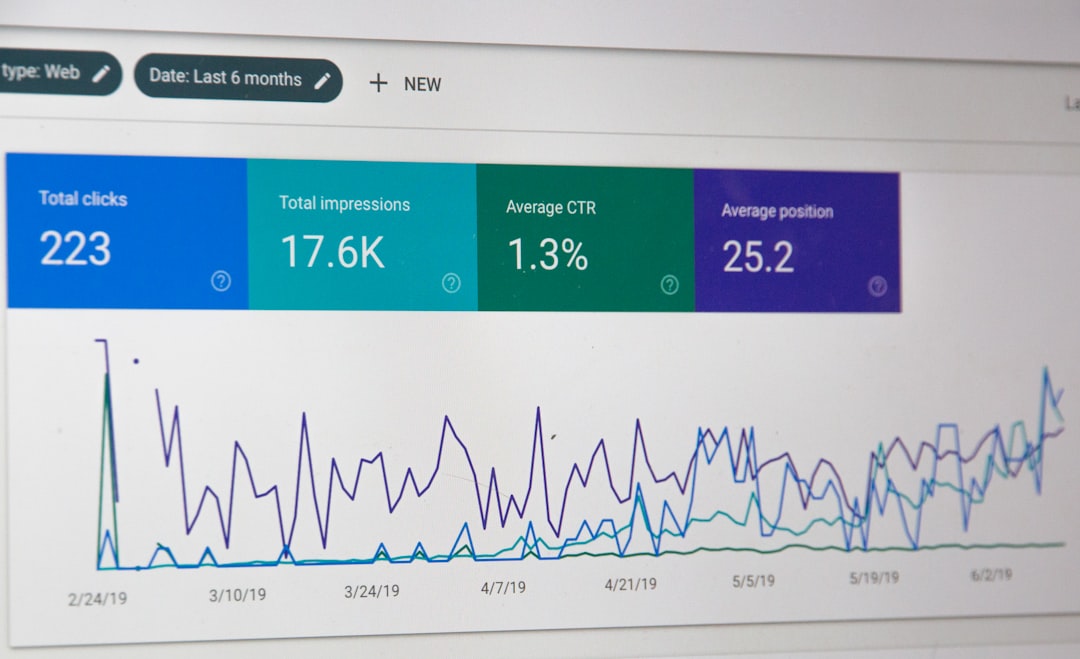
Ahrefs reporting is useful, but it is more SEO practitioner oriented. It provides strong data, but teams may need to export, reformat, or combine that data with analytics and business intelligence tools to create executive-ready presentations.
If a primary requirement is polished, recurring, stakeholder-friendly reporting, BrightEdge has the advantage. If the main requirement is accurate SEO research data that specialists can act on, Ahrefs is likely sufficient and often faster.
Pricing and Value
Pricing models differ significantly. Ahrefs generally offers subscription-based plans that are easier for individuals, agencies, and smaller companies to evaluate. Costs can still be meaningful, especially for higher usage needs, but the buying process is comparatively straightforward.
BrightEdge is usually sold as an enterprise solution, with pricing based on organizational needs, scale, and contract terms. This makes it more expensive and more involved to purchase, but potentially more valuable for companies that need its enterprise capabilities.
The value question should be framed carefully. Ahrefs may deliver better value for a team that needs efficient research and competitive analysis. BrightEdge may deliver better value for a company where SEO influences major revenue streams and requires coordination across many departments.
Which Platform Should You Choose?
Choose BrightEdge if your organization:
- Operates a large or complex website
- Requires enterprise-level SEO reporting
- Needs to coordinate SEO across multiple teams or regions
- Wants SEO insights connected to business outcomes
- Has the budget and internal maturity for an enterprise platform
Choose Ahrefs if your team:
- Prioritizes backlink analysis and competitor research
- Needs fast keyword and content opportunity discovery
- Prefers a practical tool for hands-on SEO work
- Is an agency, consultant, startup, or lean in-house team
- Wants strong SEO data without an enterprise implementation process
Final Verdict
In 2026, BrightEdge and Ahrefs remain fundamentally different platforms. BrightEdge is the better choice for enterprise SEO leadership, governance, and business reporting. It is most valuable when SEO must be managed as a coordinated function across a large organization.
Ahrefs is the better choice for SEO research, backlink intelligence, and competitive analysis. It is practical, widely used, and highly effective for professionals who need to uncover opportunities quickly and make data-informed decisions.
For many mature SEO teams, the decision is not strictly either-or. A large company may use BrightEdge as its enterprise SEO system while also using Ahrefs for deeper backlink and competitor research. However, if you must choose one, let your operating model decide: select BrightEdge for enterprise coordination and reporting, and select Ahrefs for agile SEO analysis and execution.