For learners who want to move from curiosity about technology to a practical career path, Flatiron Coding Bootcamp offers a structured way to build job-ready software skills. The program is designed around hands-on learning, portfolio development, collaboration, and career preparation, helping students understand not only how to write code, but also how to think like professional developers.
TLDR: Flatiron Coding Bootcamp can teach students the foundations of software engineering, including programming, web development, databases, testing, and collaborative workflows. Learners build real projects that can become part of a professional portfolio. The bootcamp can help graduates pursue roles such as software engineer, web developer, front end developer, or full stack developer. Its career-focused structure can also support transitions into tech from nontechnical backgrounds.
Learning to Think Like a Developer
One of the most important outcomes of a coding bootcamp is not simply memorizing syntax. Instead, students learn how to approach problems in a logical, structured way. At Flatiron Coding Bootcamp, learners are typically introduced to the habits that professional developers use every day: breaking large problems into smaller steps, reading documentation, debugging errors, testing assumptions, and improving code over time.
This mindset can be valuable because software development rarely involves writing perfect code on the first attempt. A student may begin with a confusing error message, research possible causes, test a solution, and refine the result. Over time, this process builds confidence. The learner becomes more comfortable with uncertainty and more capable of solving unfamiliar problems independently.

Core Programming Foundations
Students at Flatiron Coding Bootcamp can expect to study foundational programming concepts that apply across many languages and frameworks. These include variables, data types, functions, conditionals, loops, objects, and arrays. These building blocks help students understand how software stores information, makes decisions, repeats tasks, and organizes logic.
Beyond the basics, learners often work with more advanced ideas such as object-oriented programming, application structure, and reusable code. They learn why clean, readable code matters and how better organization can make an application easier to maintain. This is especially important in professional environments, where developers often work on codebases created or edited by many different people.
Front End Web Development Skills
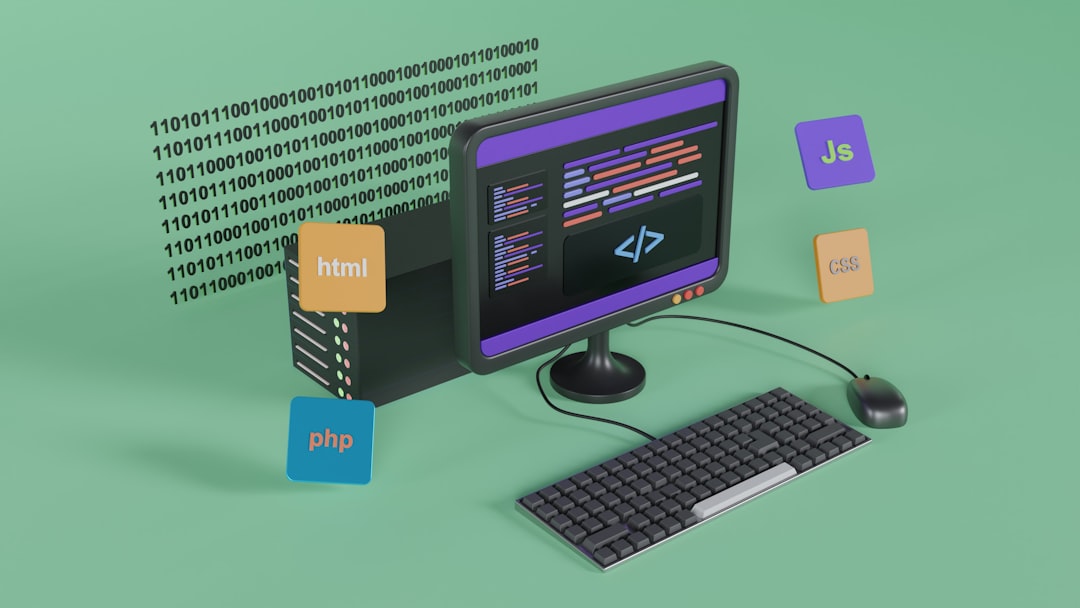
A major area of study is front end development, which focuses on the parts of a website or web application that users see and interact with. Students may learn how to structure web pages with HTML, style them with CSS, and add interactivity with JavaScript. These skills form the foundation of modern web experiences.
As students progress, they may work with front end libraries or frameworks that help developers build dynamic user interfaces more efficiently. They learn how forms, buttons, navigation, data displays, and page layouts come together to create a smooth user experience. A learner might build projects such as a personal portfolio, a task manager, a recipe application, or a dashboard that fetches and displays data.
Front end development also introduces students to the importance of usability and accessibility. A polished application should not only look appealing; it should also be understandable, responsive, and usable across different devices and user needs.
Back End Development and Databases
Flatiron Coding Bootcamp can also expose students to back end development, the part of an application responsible for handling data, business logic, authentication, and communication with databases. While the front end is what users see, the back end often determines how information is stored, retrieved, updated, and protected.
Students may learn how servers work, how APIs transfer information, and how databases organize records. They may practice creating routes, handling requests, validating data, and connecting an application to persistent storage. These concepts help learners understand the full life cycle of an application, from a user clicking a button to a database returning the correct information.
Database work is especially important for aspiring full stack developers. Learners may study how to model relationships between different types of information, such as users, orders, comments, products, or posts. This gives them a stronger understanding of how real-world applications are built.
Full Stack Project Development
One of the most valuable parts of a bootcamp experience is the chance to build complete projects. A full stack project combines front end interfaces, back end logic, and database functionality into a working application. These projects allow students to apply many skills at once and demonstrate what they can do to future employers.
Projects also teach practical lessons that do not always appear in tutorials. Students encounter bugs, confusing design decisions, incomplete features, and time constraints. They learn how to prioritize, revise, and communicate about technical obstacles. In many cases, these experiences closely resemble the realities of professional software development.
Version Control and Collaboration
Professional developers rarely work alone without tracking changes. For that reason, students are often introduced to Git and collaborative coding workflows. Version control allows developers to save progress, review changes, return to earlier versions, and collaborate without overwriting one another’s work.
Students may learn how to create repositories, commit code, manage branches, resolve conflicts, and submit work for review. These skills are important because many employers expect junior developers to understand basic version control. Even for independent projects, Git can help learners stay organized and demonstrate professional habits.
Collaboration is another key part of the bootcamp experience. Students may pair program, participate in group projects, explain their code, and review the work of others. These activities build communication skills, which are essential in technical roles. A developer must often explain tradeoffs, ask useful questions, and translate technical ideas into language that teammates can understand.
Debugging, Testing, and Problem Solving
Every developer spends time debugging. Flatiron Coding Bootcamp can help students develop a methodical approach to finding and fixing errors. Instead of guessing randomly, learners are encouraged to read error messages carefully, inspect data, isolate the source of a problem, and test possible solutions.
Testing may also become part of the learning process. Students can learn why automated tests help protect an application from breaking as new features are added. Even a basic understanding of testing can make a junior developer more effective, because it encourages careful thinking about how code should behave.
Problem solving is strengthened through repeated practice. Each assignment, lab, or project gives students another opportunity to turn an idea into working software. Over time, learners build pattern recognition and become faster at identifying common issues.
Career Preparation and Professional Growth
Flatiron Coding Bootcamp is not only about technical education. It can also support career development by helping students prepare for the job search. This may include resume guidance, portfolio development, mock interviews, networking strategies, and practice explaining technical projects.
A strong portfolio can be especially useful for career changers. Since some students may not have previous professional technology experience, completed projects can serve as evidence of skill and commitment. A portfolio may include full stack applications, front end projects, code samples, and written explanations of technical decisions.
Students may also practice common interview topics, including algorithms, data structures, behavioral questions, and project walkthroughs. Technical interviews can be challenging, so repeated practice helps learners become more comfortable speaking through their reasoning.
Where the Bootcamp Can Take Graduates
Graduates of Flatiron Coding Bootcamp may pursue several entry-level or junior technical roles, depending on their skills, portfolio, location, and job market conditions. Common paths include:
- Software Engineer: Builds and maintains applications, often working across front end, back end, or full stack systems.
- Web Developer: Creates websites and web applications for companies, agencies, startups, or clients.
- Front End Developer: Focuses on user interfaces, page structure, styling, interactivity, and user experience.
- Back End Developer: Works with servers, databases, APIs, authentication, and application logic.
- Full Stack Developer: Contributes to both the client-facing and server-side parts of an application.
- Technical Support Engineer: Uses coding knowledge to troubleshoot software issues and assist customers or internal teams.
- Quality Assurance or Test Automation Associate: Helps verify that software behaves correctly and may write scripts to automate testing.

While a bootcamp can open doors, outcomes depend on effort, persistence, market demand, interview preparation, and continued learning. Graduates who keep building projects, contributing to code, networking, and studying after the program often place themselves in a stronger position.
Why Career Changers Choose This Path
Many bootcamp students come from nontechnical fields such as education, retail, hospitality, healthcare, customer service, finance, or the arts. Coding appeals to career changers because it rewards curiosity, persistence, and problem solving. Previous experience can also become an advantage. For example, a former teacher may be skilled at communication, while a former sales professional may understand customer needs and product value.
The bootcamp format can be attractive because it is focused and practical. Instead of spending years in a traditional degree program, students concentrate on the skills most relevant to building software and preparing for entry-level opportunities. This does not mean the path is easy. It requires discipline, long hours of practice, and a willingness to struggle through difficult concepts. However, for motivated learners, the structured environment can make the transition more manageable.
Skills That Last Beyond the First Job
The technology industry changes constantly. Languages, frameworks, and tools evolve, and developers must continue learning throughout their careers. A strong bootcamp experience helps students build the foundation to adapt. Once learners understand core programming logic, web architecture, debugging, and software design patterns, they can more easily pick up new tools later.
Graduates may begin in junior roles, but the long-term path can lead to senior engineering, technical leadership, product engineering, developer advocacy, engineering management, or entrepreneurship. Some may build their own applications or freelance for businesses. Others may specialize in areas such as cloud computing, cybersecurity, data engineering, artificial intelligence, or mobile development.
Is Flatiron Coding Bootcamp the Right Fit?
Flatiron Coding Bootcamp may be a strong fit for learners who want an immersive, project-based path into software development. The ideal student is not necessarily someone who already knows how to code. More often, it is someone who is curious, persistent, organized, and willing to practice consistently.
Before enrolling, prospective students should consider their schedule, financial commitment, learning style, and career goals. They should also explore what support is available, how the curriculum is structured, and what kinds of projects they will complete. A bootcamp can be a powerful step, but it works best when the student approaches it as the beginning of a long-term professional journey rather than a shortcut.
FAQ
What can students learn at Flatiron Coding Bootcamp?
Students can learn programming fundamentals, front end development, back end development, databases, APIs, debugging, version control, testing concepts, and full stack project development.
Is prior coding experience required?
Prior experience may be helpful, but many bootcamp students begin as beginners. The most important qualities are persistence, curiosity, and a willingness to practice regularly.
What kinds of projects can students build?
Students may build websites, interactive front end applications, database-backed web apps, APIs, dashboards, portfolio projects, and full stack applications that demonstrate practical development skills.
What jobs can graduates pursue?
Graduates may pursue roles such as junior software engineer, web developer, front end developer, back end developer, full stack developer, technical support engineer, or QA automation associate.
Does a bootcamp guarantee a job?
No bootcamp can guarantee employment for every student. Career outcomes depend on technical skill, portfolio quality, interview preparation, networking, location, hiring conditions, and continued effort after graduation.
How can graduates stand out after the bootcamp?
Graduates can stand out by continuing to build projects, improving existing applications, contributing to open source, practicing interviews, networking with developers, and clearly explaining their technical decisions.