Small businesses in 2026 face a marketing landscape that is both more accessible and more competitive than ever. The tools once reserved for large companies, such as AI-assisted content creation, predictive analytics, automated customer journeys, and advanced audience targeting, are now within reach of local shops, service providers, startups, and independent brands. The challenge is no longer simply getting online; it is choosing the right strategies, staying memorable, and building trust in a world where customers are flooded with choices.
TLDR: In 2026, small businesses should focus on a clear brand message, useful content, local visibility, customer retention, and smart automation. AI can help save time, but genuine human connection remains the biggest competitive advantage. The best marketing strategies combine digital efficiency with authentic relationships, consistent branding, and measurable goals.
Build a Clear and Memorable Brand Position
Before investing in ads, social media, or email campaigns, small businesses need to answer a simple question: why should someone choose you? In 2026, customers are not only comparing prices; they are comparing values, experience, convenience, speed, personality, and trust. A bakery may compete on handmade quality, a fitness coach may promote personalized accountability, and a repair service may stand out through same-day availability and transparent pricing.
Your brand position should be easy to understand in one sentence. If it takes too long to explain, it is probably too complicated. A strong position helps shape your website copy, social media posts, advertising messages, packaging, customer service tone, and even the way your team answers the phone.
- Identify your ideal customer: Know their problems, goals, budget, and expectations.
- Define your promise: Explain what result customers can expect from you.
- Highlight your difference: Show what makes your business more relevant than competitors.
- Keep messaging consistent: Use the same tone and core message across every channel.
A clear brand does not have to be flashy. It has to be recognizable, believable, and useful to the people you want to reach.
Use AI as a Productivity Partner, Not a Replacement for Personality
Artificial intelligence is one of the biggest forces shaping small business marketing in 2026. AI tools can help draft blog posts, create social captions, summarize customer reviews, generate email subject lines, suggest ad audiences, analyze data, and even personalize offers. For small teams with limited time, this can be a major advantage.
However, the businesses that benefit most from AI are not the ones that publish generic content at high speed. The winners are those that use AI to save time while still adding real expertise, stories, customer insight, and personality. Customers can often tell when content feels empty or overly automated. A local restaurant, for example, should use AI to help organize a weekly newsletter, but the chef’s personal note about a seasonal dish will make it feel human.
Practical ways to use AI include:
- Content planning: Generate topic ideas based on customer questions and seasonal trends.
- Email personalization: Segment customers by behavior, interests, or purchase history.
- Review analysis: Find common compliments and complaints from customer feedback.
- Ad improvement: Test variations of headlines, descriptions, and calls to action.
- Customer support: Use chat assistants for simple questions while keeping humans available for complex issues.
The rule is simple: let AI handle repetition, but let people handle trust.
Prioritize Local Search and “Near Me” Discovery
For many small businesses, local search remains one of the highest-return marketing channels in 2026. Whether someone is looking for a plumber, dog groomer, accountant, coffee shop, dentist, tutor, or boutique, they are likely to begin with a search engine, map app, voice assistant, or local recommendation platform.
To improve local visibility, your business information must be accurate and consistent everywhere. This includes your name, address, phone number, hours, services, service areas, photos, and customer reviews. Search platforms increasingly reward businesses that provide helpful, current, and trustworthy information.
Focus on these local marketing essentials:
- Optimize your business profile: Add updated photos, detailed services, business hours, FAQs, and booking links.
- Ask for reviews consistently: Make it easy for satisfied customers to leave feedback.
- Respond to reviews: Thank happy customers and address concerns professionally.
- Create location based content: Write pages or posts that mention neighborhoods, local events, and community needs.
- Keep contact details consistent: Avoid confusing search engines and customers with outdated listings.
Reviews are especially powerful. A steady flow of authentic reviews can influence buying decisions more than a polished advertisement. In 2026, social proof is not optional; it is part of the buying process.
Create Content That Solves Real Problems
Content marketing continues to work, but the standard has risen. Customers do not need more vague posts, recycled tips, or promotional noise. They need answers. Small businesses should create content around the questions customers actually ask before making a purchase.
A landscaping company might publish guides on drought-resistant plants, seasonal lawn care, or backyard design mistakes. A financial advisor might explain tax planning basics for freelancers. A skincare studio might produce short videos about common ingredient myths. The goal is to become a trusted resource before the customer is ready to buy.
Effective content in 2026 often includes a mix of:
- Short video: Quick tips, demonstrations, behind-the-scenes clips, and customer stories.
- Educational blog posts: Search-friendly articles that answer specific questions.
- Email newsletters: Regular updates, offers, insights, and reminders.
- Downloadable resources: Checklists, guides, templates, and comparison sheets.
- Case studies: Real examples showing how your product or service helped someone.
Strong content should guide customers from curiosity to confidence. It should make them think, “This business understands my problem.”
Invest in Short Form Video and Authentic Storytelling
Short form video remains one of the most effective ways for small businesses to increase awareness and engagement. The good news is that videos do not need to look like expensive commercials. In fact, highly polished content can sometimes feel less trustworthy than simple, useful, and authentic clips.
Small businesses can create videos that show product demos, customer transformations, team introductions, before-and-after results, quick tutorials, packaging processes, event highlights, or answers to common questions. A 30-second video showing how a product is made can be more persuasive than a long product description.
To make video marketing manageable, create repeatable formats:
- “Three tips in 30 seconds” for educational content.
- “Before and after” for visual services.
- “Meet the team” for building familiarity.
- “Customer question of the week” for trust and authority.
- “Behind the scenes” for personality and transparency.
Consistency matters more than perfection. A small business that posts one useful video every week can build stronger recognition than a business that waits months to create the perfect campaign.
Strengthen Email Marketing and Customer Retention
While social media trends change quickly, email remains one of the most reliable marketing channels. In 2026, email is especially valuable because businesses own their lists. Unlike social media platforms, where algorithms control visibility, email gives you a direct connection to people who have already shown interest.
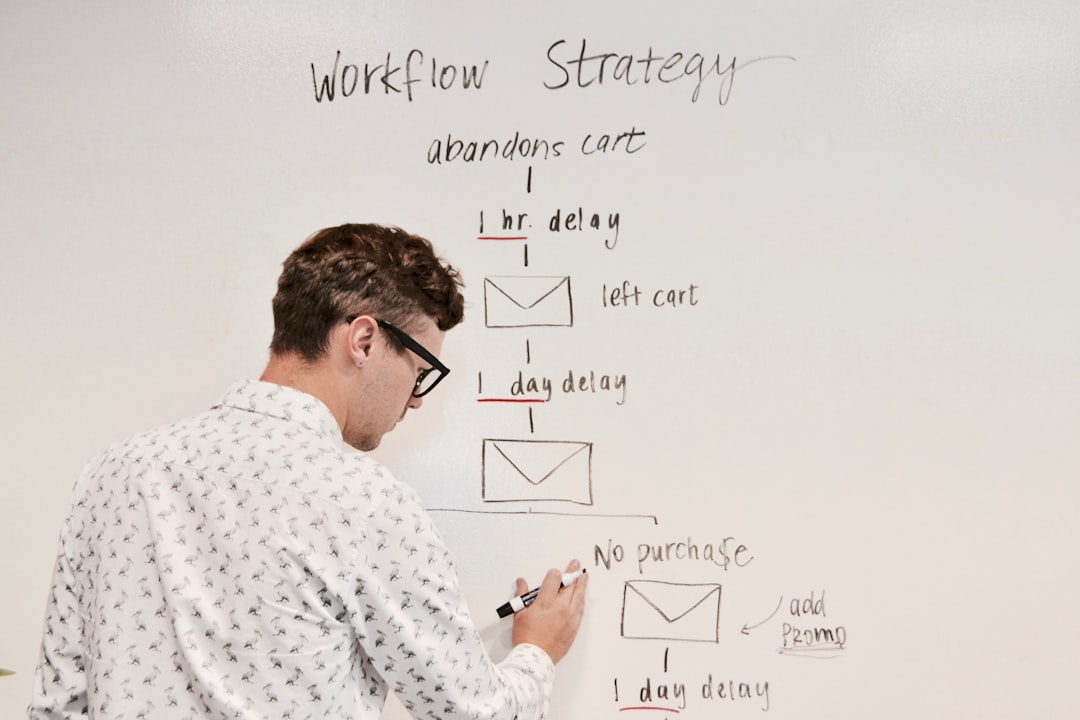
The most effective email marketing is segmented and relevant. Not every customer should receive the same message. New subscribers may need an introduction to your brand, repeat customers may appreciate loyalty rewards, and inactive customers may respond to a special reactivation offer.
Useful email campaigns include:
- Welcome sequences: Introduce your business, values, best products, and customer benefits.
- Abandoned cart or inquiry follow-ups: Remind interested customers to complete the next step.
- Post-purchase emails: Share care instructions, usage tips, or related recommendations.
- Loyalty campaigns: Reward repeat customers with exclusive offers or early access.
- Educational newsletters: Send helpful advice that keeps your brand top of mind.
Retention is often more profitable than acquisition. A customer who already trusts you is easier to sell to, more likely to refer others, and more forgiving when mistakes happen. Small businesses should treat retention as a growth strategy, not an afterthought.
Build Community, Not Just an Audience
An audience watches. A community participates. In 2026, small businesses that create a sense of belonging can compete against larger brands with bigger budgets. Community can form around local events, shared values, hobbies, professional interests, or customer identity.
For example, a bookstore might host monthly author nights, a fitness studio might create a private accountability group, a pet supply shop might organize adoption events, and a software consultant might run online workshops for local entrepreneurs. These efforts create relationships that advertising alone cannot buy.
Community building can include:
- Live events: Classes, demos, meetups, tastings, launches, and local partnerships.
- Online groups: Private communities for customers, members, or niche audiences.
- User generated content: Encourage customers to share photos, stories, and results.
- Referral programs: Reward customers who introduce friends and colleagues.
- Cause based campaigns: Support local charities or issues that align with your values.
When customers feel connected to your business, they become more than buyers. They become advocates.

Advertise Smarter with Smaller, Better Targeted Campaigns
Paid advertising can still work well for small businesses, but careless spending is risky. In 2026, the best approach is to run focused campaigns with clear goals, strong creative, and specific audiences. Instead of trying to reach everyone, small businesses should target the people most likely to take action.
Start with modest budgets and test before scaling. A campaign might promote a seasonal offer, a lead magnet, a consultation, a local event, or a best-selling product. The landing page should match the ad message and make the next step obvious. If the ad promises a free estimate, the page should not make visitors search for the form.
Track key metrics such as cost per lead, conversion rate, purchase value, and repeat customer behavior. Vanity metrics like impressions and likes can be useful, but they should not be mistaken for business results. The real question is: did the campaign help generate revenue, leads, bookings, or long-term customer value?
Make Your Website Fast, Clear, and Conversion Focused
Your website is often the first serious impression customers have of your business. In 2026, users expect speed, clarity, mobile friendliness, accessibility, secure checkout, and easy navigation. If a website is slow, confusing, or outdated, visitors may leave before they ever speak to you.
A high-performing small business website should include:
- A clear headline: Explain what you offer and who it helps.
- Strong calls to action: Use buttons such as “Book a Consultation,” “Get a Quote,” or “Shop Now.”
- Trust signals: Show reviews, testimonials, certifications, guarantees, and media mentions.
- Simple navigation: Make it easy to find services, pricing, contact details, and FAQs.
- Mobile optimization: Ensure forms, buttons, menus, and checkout work smoothly on phones.
Think of your website as your best salesperson. It should answer objections, explain value, and guide visitors toward action at any hour of the day.
Measure What Matters and Adapt Quickly
Marketing success in 2026 depends on continuous improvement. Small businesses do not need complicated dashboards for everything, but they do need to understand what is working. Track a few meaningful numbers and review them consistently.
Important metrics may include website traffic, search rankings, email open rates, click rates, lead volume, booking rates, average order value, customer acquisition cost, repeat purchase rate, and lifetime customer value. The best metrics depend on your business model, but they should connect to real outcomes.
Set monthly marketing reviews. Look at what generated leads, what content performed well, which offers converted, where customers came from, and what feedback they gave. Then adjust. Marketing is not a one-time plan; it is an ongoing cycle of testing, learning, and refining.
Final Thoughts
The most effective marketing strategies for small businesses in 2026 combine technology with authenticity. AI, automation, analytics, and digital advertising can help small businesses work faster and compete more effectively, but they cannot replace trust, service, creativity, and genuine customer relationships.
Small businesses should focus on being easy to find, easy to understand, and easy to choose. By building a clear brand, creating helpful content, improving local visibility, nurturing existing customers, and measuring results, even a modest marketing budget can produce meaningful growth. In a noisy marketplace, the businesses that win will be the ones that communicate clearly, serve consistently, and make customers feel seen.