





Blog

  • What Happened to SoSoActive? History and Platform Overview Explained

    What Happened to SoSoActive? History and Platform Overview Explained

    SoSoActive is best understood as a former digital media and culture platform that operated during a period when independent online magazines, blogs, and social media commentary sites were competing to define internet culture in real time. It combined entertainment coverage, technology commentary, music discussion, lifestyle pieces, and internet trend reporting for readers who wanted a more conversational alternative to traditional media outlets.

    TLDR: SoSoActive appears to have been an independent online publishing platform focused on pop culture, technology, music, lifestyle, and social media trends. Over time, the site seems to have stopped publishing regularly and largely faded from public visibility, with no widely documented formal shutdown announcement. Its decline reflects a broader shift in digital media, where many smaller editorial websites struggled with traffic, advertising revenue, platform dependence, and changing audience habits. Today, SoSoActive is mostly remembered through archived pages, older articles, and references from its active publishing years.

    What Was SoSoActive?

    SoSoActive was an online publication built around the fast-moving intersection of culture, entertainment, technology, and social media. Rather than presenting itself as a conventional newspaper or a highly specialized trade publication, it occupied a middle ground: part pop culture blog, part digital lifestyle magazine, and part commentary platform.

    The site’s name itself suggested a connection to social activity, digital engagement, and cultural participation. In practical terms, SoSoActive offered articles that were designed for online readers who followed trends, music releases, internet conversations, celebrity news, technology shifts, and everyday lifestyle topics. Its tone was often more accessible and web-native than legacy media, which made it feel familiar to readers used to blogs, forums, and early social platforms.

    During its more visible years, the publication reflected an era when independent websites could build niche audiences through search engines, social sharing, and consistent posting. These sites often did not have the resources of major media companies, but they could move quickly, publish frequently, and speak directly to younger or more digitally fluent audiences.

    A Brief History of SoSoActive

    The available public record indicates that SoSoActive grew during the expansion of digital-first media in the late 2000s and early 2010s. This was a time when blogging platforms, online culture sites, and independent editorial brands were thriving. Websites could gain attention by covering trending topics quickly, optimizing articles for search, and distributing content through platforms such as Facebook, Twitter, and content discovery networks.

    SoSoActive’s editorial mix appears to have included subjects such as:

    • Music: artist coverage, commentary, new releases, and culture surrounding genres and scenes.
    • Entertainment: film, television, celebrity news, and pop culture analysis.
    • Technology: consumer tech, internet services, apps, and digital behavior.
    • Social media: online trends, platform changes, and the way people interacted on the web.
    • Lifestyle: broader cultural topics aimed at readers interested in modern digital life.

    This broad approach was both a strength and a challenge. It allowed the site to reach multiple types of readers, but it also placed SoSoActive in competition with many other digital outlets. Larger media organizations, specialized blogs, video platforms, and eventually social media creators all competed for the same attention.

    Platform Overview: How the Site Worked

    SoSoActive functioned primarily as a content publication. Readers visited the website to browse articles, follow categories, discover commentary, and engage with topics that were already circulating online. Like many independent digital magazines, it likely relied on a combination of search visibility, social sharing, and recurring readership.

    The core platform experience can be understood through several features:

    1. Article-based publishing: The main product was written content, typically organized by category or topic.
    2. Trend responsiveness: The site covered subjects that were timely, shareable, or connected to online discussion.
    3. Broad cultural positioning: Instead of focusing on one narrow industry, SoSoActive covered multiple areas of modern digital culture.
    4. Accessible editorial voice: Its content was designed for general online readers rather than academic or highly technical audiences.
    5. Search and social discovery: Readers likely found articles through search engines, social media links, and referrals from other sites.

    In this sense, SoSoActive was not a social network in the same way as Facebook or Twitter. It was better described as a media platform about socially relevant culture. The “active” part of its identity was less about providing user accounts or feeds and more about participating in the conversation around internet-age entertainment and lifestyle.

    What Happened to SoSoActive?

    The most accurate answer is that SoSoActive appears to have gradually become inactive rather than ending through a highly publicized closure. There is no widely known announcement indicating a dramatic shutdown, acquisition, or major scandal. Instead, the platform seems to have followed a pattern common among independent digital publications: publishing slowed, visibility declined, and the website’s role in the online media ecosystem diminished.

    That kind of quiet decline is not unusual. Many websites from the same era remain partially visible through archived pages, old search results, backlinks, or social media mentions, even if they are no longer actively maintained. In some cases, the domain may still exist, change ownership, redirect, or display limited content. In others, the site may disappear entirely except through web archives.

    Several broader factors may help explain why SoSoActive faded:

    • Advertising pressure: Independent sites often depended on display ads, which became less reliable as ad rates declined and competition increased.
    • Social media dependency: Traffic from social platforms could rise quickly but also disappear when algorithms changed.
    • Content saturation: Pop culture and tech commentary became crowded fields, with major publishers and influencers competing aggressively.
    • Resource constraints: Maintaining a steady publishing schedule requires writers, editors, technical support, and business operations.
    • Audience behavior changes: Readers increasingly shifted from blogs and websites to apps, video platforms, podcasts, newsletters, and social feeds.

    The Digital Media Environment Behind Its Decline

    To understand what happened to SoSoActive, it is important to understand the media environment in which it operated. In the early 2010s, many digital publications believed that scale was the key to survival. More articles meant more search traffic, more social shares, and more advertising impressions. For a time, that model worked for many sites.

    However, the economics changed. Large platforms began controlling how audiences discovered information. Search engines adjusted ranking systems. Social networks reduced organic reach for publishers. Advertising revenue became concentrated among the largest technology companies. At the same time, readers began consuming more content inside closed platforms rather than visiting individual websites directly.

    For smaller editorial brands, this created a difficult situation. They needed to publish as frequently as larger competitors, but usually with fewer resources. They needed to maintain quality, but also produce enough content to remain visible. They needed loyal readers, but audience attention was increasingly fragmented.

    SoSoActive’s apparent disappearance should be seen in that context. It was not necessarily the result of one single failure. More likely, it reflected the cumulative pressure faced by many independent media properties that were built for an earlier version of the web.

    Was SoSoActive a Social Platform?

    The name can create some confusion. SoSoActive sounded like it might have been a social networking service or an app centered on user interaction. Based on its public footprint, however, it is more accurate to describe it as an online editorial platform rather than a user-driven social network.

    Its social quality came from the topics it covered and the way articles were distributed. It discussed culture that people were already talking about, and it likely depended on readers sharing articles across social channels. That made it socially engaged, but not necessarily a social network in the technical sense.

    This distinction matters because many people searching for SoSoActive today may expect to find a company similar to a modern app, creator platform, or online community. Instead, the evidence points toward a web publication whose value came from editorial content and cultural commentary.

    What Kind of Audience Did It Serve?

    SoSoActive’s audience was likely composed of readers interested in contemporary culture without wanting to rely only on large, formal media outlets. These readers may have been looking for quick insights, commentary, recommendations, or explanations of topics circulating online.

    The platform’s broad coverage suggests it targeted people who saw entertainment, music, technology, and social media as connected parts of everyday life. This was a defining characteristic of internet-era culture: a music release could become a social media trend, a celebrity moment could become a meme, and a new app could change how people communicated.

    In that sense, SoSoActive was part of a generation of websites that treated the internet not merely as a distribution channel, but as a cultural environment worth analyzing.

    Why People Still Search for SoSoActive

    People may still search for SoSoActive for several reasons. Some remember reading its articles during its active period. Others may find old backlinks, author credits, social posts, or archived content and want to understand what the site was. Researchers, former contributors, and digital media observers may also look it up as part of the broader history of independent online publishing.

    This type of curiosity is common with defunct or inactive websites. The internet often preserves fragments of old platforms without preserving a clear explanation of what happened to them. A reader may find an article title, a cached page, or a reference in another publication, but not an official timeline.

    Image not found in postmeta

    Lessons From the SoSoActive Story

    The story of SoSoActive offers several lessons about digital publishing. First, having a broad and culturally relevant editorial mission can help a website gain attention, but it does not guarantee long-term sustainability. Second, dependence on external platforms for traffic can make a publication vulnerable. Third, a recognizable voice and timely content matter, but they must be supported by a durable business model.

    Its trajectory also shows how quickly digital media history moves. A site can be active, relevant, and visible during one phase of the web, then become difficult to trace only a few years later. This does not mean the platform had no impact. It means the infrastructure of online attention changed around it.

    How to View SoSoActive Today

    Today, SoSoActive should be viewed as a former or largely inactive digital culture publication from an important period in web publishing. It represented a style of media that was conversational, trend-aware, and closely tied to the rhythms of online discovery. While it does not appear to play a major current role in the media landscape, its existence reflects the ambitions and challenges of independent publishing in the social web era.

    For readers trying to understand what happened, the most responsible conclusion is this: SoSoActive seems to have faded gradually rather than closed through a widely documented public event. Its decline was likely shaped by the same forces that affected many similar websites: changing traffic sources, advertising challenges, stronger competition, and the migration of audiences to newer formats.

    SoSoActive’s history is therefore not just the story of one website. It is also a small case study in how the internet changed from a web of independent destinations into an ecosystem dominated by platforms, feeds, algorithms, and creators. Its legacy remains in the traces it left behind and in the broader memory of a period when independent digital magazines helped define what online culture sounded like.

  • Best CDiPhone Options for Refurbished iPhones and Accessories

    Best CDiPhone Options for Refurbished iPhones and Accessories

    Buying a used iPhone should feel exciting, not scary. A good refurbished iPhone can save you money. It can also give you a smooth Apple experience without the new phone price tag. CDiPhone options can make the hunt easier, especially when you want the phone, the charger, the case, and the little extras in one smart plan.

    TLDR: The best CDiPhone options are refurbished iPhones with a clear grade, a strong battery, a warranty, and the right accessories. Pick a model that fits your daily life, not just the newest name. Add a safe charger, a tough case, and a screen protector. You will spend less and still feel like you got a fresh, fun phone.

    Why refurbished iPhones are a smart move

    A refurbished iPhone is not just “old.” It is a phone that has been checked, cleaned, fixed if needed, and sold again. That is the magic. You get a trusted device for less money.

    Many people trade in iPhones after one or two years. The phone may still work very well. It may just have a newer sibling on the shelf. That means you can grab a great deal.

    Refurbished iPhones are also kinder to the planet. One phone used longer means less waste. Less waste means more happy trees. Okay, the trees may not clap. But they would if they could.

    Image not found in postmeta

    What makes a CDiPhone option “best”?

    The best CDiPhone choice is not always the cheapest one. It is the one that gives you the best mix of price, condition, battery, storage, and support.

    Look for these key things:

    • Clear condition grade: The listing should say if the phone is excellent, very good, good, or fair.
    • Battery health: Try to choose a phone with strong battery health. Higher is better.
    • Warranty: A warranty gives peace of mind. It is like a safety net for your pocket computer.
    • Unlocked status: An unlocked iPhone works with more carriers.
    • Clean IMEI: This means the phone is not reported lost, stolen, or blocked.
    • Included accessories: A charger, cable, case, or screen protector can add real value.

    Best refurbished iPhone for most people

    iPhone 13 is a fantastic sweet spot. It is modern. It is fast. It has a great camera. It also still feels fresh in the hand.

    The iPhone 13 gives you 5G, a bright screen, and strong battery life. It handles social media, photos, games, video calls, and maps with ease. It also works well for students, parents, workers, and casual creators.

    If you want one phone that does almost everything well, start here. It is not too old. It is not too expensive. It is the “golden middle” of refurbished iPhones.

    Best budget CDiPhone choice

    iPhone SE is the little budget champ. It is small. It is light. It has a home button. Some people love that button with their whole heart.

    The iPhone SE is great for calls, texts, email, browsing, music, and basic apps. It is not the flashiest phone at the party. But it shows up on time and does the job.

    Choose it if you want a low price and simple use. It is also good for kids, seniors, or anyone who wants a smaller phone. Just remember that the battery and camera are not as strong as newer full screen models.

    Best choice for photos and videos

    iPhone 14 Pro or iPhone 13 Pro are great picks for camera lovers. These models give sharper photos, better zoom, and a more premium feel.

    If you post on social media, film little videos, or take lots of pet photos, you will enjoy a Pro model. Your dog may still refuse to sit still. But the camera will try its best.

    The Pro phones also have smoother screens. Scrolling feels fancy. Once you notice it, it is hard to unnotice it.

    Best value for a big screen

    If you want a big display, look at the iPhone 12 Pro Max, iPhone 13 Pro Max, or iPhone 14 Plus. Big phones are great for videos, reading, maps, and games.

    They are also easier to type on. Your thumbs get more room. Tiny typo gremlins still exist, but there will be fewer of them.

    One warning. Big phones are heavier. They may not fit every pocket. Check the size before you buy. Your jeans deserve respect.

    Image not found in postmeta

    Best compact iPhone option

    Some people do not want a giant glass tablet in their pocket. That is fair. If you like small phones, check the iPhone 12 mini or iPhone 13 mini.

    These mini models are cute, fast, and easy to hold. They fit in small bags and pockets. They are perfect for one hand use.

    The tradeoff is battery life. A smaller phone has a smaller battery. If you are on your phone all day, bring a power bank or choose a larger model.

    How to choose the right storage size

    Storage is important. It decides how many photos, apps, videos, and downloads you can keep.

    • 64 GB: Fine for light users. Good for calls, texts, and a few apps.
    • 128 GB: Best for most people. It gives breathing room.
    • 256 GB: Great for photo lovers, gamers, and travelers.
    • 512 GB or more: Best for heavy video users and content creators.

    If you are unsure, pick 128 GB. It is the safe middle. It helps avoid the dreaded “storage full” popup. That popup has ruined many peaceful mornings.

    Understanding condition grades

    Refurbished phones often come in grades. The exact names can change. But the idea is simple.

    • Excellent: Looks nearly new. Very small marks, if any.
    • Very good: Light signs of use. Still looks nice.
    • Good: Some scratches or marks. Works well.
    • Fair: More visible wear. Usually cheaper.

    If you use a case, a “good” grade can be a smart deal. You may never see the small marks. The case hides them like a tiny phone jacket.

    Battery health matters a lot

    The battery is the heart of the iPhone. A beautiful phone with weak battery life is not fun. It becomes a wall outlet hunter.

    Try to buy a refurbished iPhone with solid battery health. Many sellers share the battery percentage. If they do not, ask. A good CDiPhone option should be clear about this.

    You can also plan for a battery replacement later. That can make an older phone feel much better. Still, it is nice when the battery is strong from day one.

    Must have accessories for your refurbished iPhone

    The right accessories can turn a good deal into a great deal. They protect the phone. They improve daily use. They also add a little personality.

    Start with these:

    • USB C or Lightning cable: Pick the right cable for your model.
    • Certified wall charger: Use a safe charger. Cheap mystery bricks are risky.
    • Screen protector: This tiny sheet can save you from big sadness.
    • Protective case: Choose one with raised edges. Gravity is rude.
    • Magnetic charger: Handy for compatible models.
    • Power bank: Great for travel, school, or long workdays.
    Image not found in postmeta

    Best case options

    A case should protect your phone and feel good in your hand. It should not be so slippery that it tries to escape like a fish.

    Silicone cases are soft and grippy. Clear cases show off the phone color. Rugged cases are best for drops, kids, travel, and wild pockets. Wallet cases hold cards, but they can be bulky.

    If you drop your phone often, choose rugged. If you love style, choose clear or slim. If you are a minimalist, choose a thin case. Just choose something. A naked iPhone is brave, but not always wise.

    Best charger options

    Chargers are not all equal. A good charger is safe, fast, and reliable. A bad charger may heat up or stop working quickly.

    Use a trusted charger that supports your iPhone model. Fast charging is useful, especially if you are always running late. A 20 watt USB C charger is a popular pick for many newer iPhones.

    For nightstands, a wireless charger can be lovely. Just place the phone down. Wake up with power. It feels like lazy magic.

    Do not forget audio accessories

    Many newer iPhones do not have a headphone jack. If you love wired headphones, you may need an adapter. If you prefer wireless, earbuds are the easy choice.

    Wireless earbuds are great for calls, workouts, walks, and pretending you did not hear someone ask for help moving furniture. Pick earbuds with good battery life and a comfortable fit.

    Safety checks before you buy

    Before you choose any CDiPhone refurbished deal, slow down for one minute. Check the details. A few smart checks can prevent big headaches.

    • Make sure the phone is unlocked or works with your carrier.
    • Check the warranty length.
    • Read the return policy.
    • Confirm the storage size.
    • Look for the condition grade.
    • Ask about battery health.
    • Check what accessories are included.

    If the listing feels vague, be careful. Good sellers explain things clearly. Mystery is fun in movies. It is not fun when buying a phone.

    Which CDiPhone bundle is best?

    The best bundle depends on your life. A student may want a strong case, screen protector, and portable charger. A parent may want a durable case and extra cable. A creator may want more storage, a tripod, and wireless earbuds.

    For most people, the best starter bundle is simple:

    • Refurbished iPhone 13 with 128 GB storage
    • Battery health clearly listed
    • Unlocked carrier status
    • Warranty and return window
    • 20 watt charger
    • Strong case
    • Tempered glass screen protector

    This setup covers the basics. It gives speed, storage, protection, and peace of mind. It is the phone shopping version of a balanced breakfast.

    Final thoughts

    Refurbished iPhones are a smart way to get Apple quality for less. CDiPhone options can be even better when they include clear details and useful accessories. The secret is to shop with a checklist, not just your eyes.

    Pick the model that fits your real life. Choose enough storage. Check the battery. Get a warranty. Then add a case and screen protector before your phone meets the floor.

    With the right refurbished iPhone and the right accessories, you can save money and still feel upgraded. That is a win. Your wallet smiles. Your phone shines. And you get to enjoy the fun part: setting the wallpaper.

  • YourForm: Features, Use Cases, and Overview

    YourForm: Features, Use Cases, and Overview

    Modern organizations rely on forms for nearly every digital interaction, from collecting customer feedback to processing event registrations, internal requests, surveys, applications, and lead inquiries. YourForm is positioned as a practical form creation and data collection platform that helps teams build, publish, manage, and analyze online forms without requiring advanced technical knowledge. It brings together customization, automation, and response management in one accessible environment.

    TLDR: YourForm is an online form builder designed for creating professional forms, collecting responses, and organizing submitted data. It can support use cases such as surveys, contact forms, lead capture, event registration, customer support, and internal workflows. Its core value lies in helping teams create forms faster, reduce manual work, and turn submissions into useful information. With the right setup, it can become a central part of an organization’s digital operations.

    Overview of YourForm

    YourForm focuses on simplifying the process of building and managing forms. Instead of requiring a developer to code a form from the ground up, it typically offers a visual interface where fields, questions, labels, and design elements can be arranged quickly. This makes it suitable for small businesses, nonprofit organizations, educators, agencies, startups, and larger teams that need a reliable way to collect structured information.

    At its core, the platform is built around three main functions: form creation, response collection, and data management. A team can create a form, share it through a link or embed it on a website, and then review incoming submissions from a central dashboard. Depending on the setup, notifications, exports, integrations, and analytics may also support the workflow.

    Image not found in postmeta

    What makes a tool like YourForm valuable is not only that it can collect answers, but that it can make the collection process more consistent. When data arrives in a structured format, teams spend less time sorting through emails, spreadsheets, and scattered messages. This structured approach can improve follow-up speed, reporting accuracy, and decision-making.

    Key Features of YourForm

    YourForm may include a range of features designed to help users create effective forms for different audiences and goals. While exact capabilities can vary depending on the plan or implementation, the following are common feature categories associated with a modern form-building platform.

    1. Drag-and-Drop Form Builder

    A visual form builder is one of the most important features. It allows form creators to add fields such as text inputs, email fields, dropdown menus, checkboxes, radio buttons, file uploads, date pickers, and long-answer sections. With a drag-and-drop interface, the structure of a form can be adjusted without writing code.

    This feature is especially helpful for teams that need to create forms frequently. Marketing teams can build campaign forms, HR teams can create application forms, and operations teams can design request forms without relying on technical staff for every small change.

    2. Customizable Form Design

    Visual consistency matters when forms are used on websites, landing pages, or customer-facing portals. YourForm can help organizations customize colors, fonts, spacing, labels, buttons, and layout choices so that forms match a brand or campaign style.

    A polished form can make a significant difference in completion rates. If a form looks trustworthy, readable, and easy to complete, respondents are more likely to finish it. Design customization also supports forms that need to feel official, friendly, professional, or minimal depending on the intended audience.

    3. Conditional Logic

    Conditional logic allows a form to change based on a respondent’s answers. For example, if a user selects “business inquiry,” the form may show fields related to company size and project budget. If the user selects “support request,” it may show fields for order number, issue type, and screenshots.

    This creates a more personalized experience and prevents respondents from seeing irrelevant questions. It can also reduce form abandonment because people do not have to scroll through sections that do not apply to them.

    4. Response Management

    After a form is published, the next challenge is managing submissions. YourForm can serve as a central location for viewing, filtering, searching, and organizing responses. Instead of manually copying details from emails into spreadsheets, teams can work from a structured response table or dashboard.

    Response management features may include submission timestamps, respondent details, field-based filters, status labels, export options, and internal notes. These tools help teams keep track of what has been received, what needs attention, and what has already been processed.

    5. Notifications and Automation

    Notifications are essential when form submissions require timely action. YourForm can notify individuals or teams when a new response arrives. For example, a sales form may alert the sales team, a complaint form may notify customer support, and an internal purchase request may notify an operations manager.

    Automation can extend this further. Submitted data may be routed to different people, saved to a database, exported to a spreadsheet, or passed into another business system. In practical terms, automation reduces repetitive administrative work and helps ensure that no important submission is missed.

    Image not found in postmeta

    6. Data Export and Reporting

    Many organizations need to analyze form responses outside the form builder. Export options can make it possible to download data in common formats for reporting, recordkeeping, or deeper analysis. This is useful for surveys, applications, event registrations, and compliance-related records.

    Reporting features may show completion rates, submission volume, response trends, and field-level summaries. For example, a marketing team may track which campaign form generates the most leads, while an education provider may review which course topic receives the most interest.

    7. Security and Data Control

    Forms often collect sensitive information, so data protection is a major consideration. YourForm’s value increases when it supports secure submission handling, access control, privacy settings, and careful response management. Organizations should consider what types of information they plan to collect and make sure the form process aligns with their internal policies.

    For sensitive use cases, form creators may need to limit who can view responses, avoid collecting unnecessary personal information, and maintain clear consent language. A well-designed form asks only for what is needed and explains how the information will be used.

    Common Use Cases for YourForm

    YourForm can support many departments and workflows. Its flexibility makes it especially useful in situations where information must be collected in a repeatable and organized way.

    Lead Generation

    Businesses can use YourForm to collect contact details from potential customers. A lead capture form may include name, email address, company, budget range, service interest, and a message field. When paired with notifications or integrations, the sales team can follow up quickly while the prospect’s interest is still fresh.

    Customer Feedback and Surveys

    Companies can use surveys to understand customer satisfaction, product experience, service quality, and user preferences. YourForm can structure this feedback through rating scales, multiple-choice questions, and open-ended responses. Over time, this information can help identify patterns and guide improvements.

    Event Registration

    For webinars, workshops, conferences, classes, and community events, registration forms are essential. YourForm can collect attendee information, session preferences, dietary requirements, consent confirmations, or payment-related details if supported. Organized registration data helps event teams plan capacity, communication, and follow-up.

    Job Applications and Recruitment

    Human resources teams can create application forms for open roles. These forms may collect candidate contact details, resumes, portfolios, experience summaries, salary expectations, and screening questions. A standardized application process makes it easier to compare candidates and route applications to hiring managers.

    Internal Requests

    Organizations can also use YourForm internally. Employees may submit IT support requests, time-off requests, purchase approvals, facility issues, content requests, or onboarding information. Using forms for internal processes helps reduce scattered messages and creates a record of each request.

    Order Forms and Service Intake

    Service providers can use intake forms to collect project details before beginning work. For example, a consultant may ask about business goals, timeline, budget, target audience, and existing challenges. This gives the provider a clearer starting point and reduces the need for long back-and-forth email exchanges.

    Image not found in postmeta

    Benefits of Using YourForm

    The main benefit of YourForm is efficiency. Forms help standardize how information is requested and received. Instead of asking the same questions manually, a team can build a form once and reuse it across campaigns, departments, or processes.

    Another benefit is data quality. Required fields, predefined options, validation rules, and conditional questions can reduce incomplete or inconsistent submissions. For example, an email field can help ensure an address is entered in the right format, while dropdown menus can prevent spelling variations in category names.

    YourForm can also improve the respondent experience. A clear, attractive, and focused form is easier to complete than a long email request. When forms are mobile-friendly, respondents can submit information from phones and tablets, making participation more convenient.

    • Faster form creation: Teams can build forms without waiting for custom development.
    • Better organization: Submissions can be stored in one place for easier tracking.
    • Improved follow-up: Notifications can alert the right people when responses arrive.
    • More consistent data: Field types and validation can reduce messy responses.
    • Scalable workflows: A form can support a small campaign or a high-volume process.

    Best Practices for Building Forms in YourForm

    To get the most from YourForm, form creators should focus on clarity and purpose. Every field should have a reason. Long forms can be effective when necessary, but unnecessary questions often reduce completion rates.

    It is also important to organize questions in a logical order. Simple questions should usually appear first, while more detailed or sensitive questions can come later. Clear labels, short descriptions, and helpful placeholder text can make forms easier to understand.

    When forms are used for business or legal purposes, consent language and privacy notes should be reviewed carefully. Respondents should understand what they are submitting and how the information may be used. This is especially important when collecting personal data, files, or sensitive details.

    Who Should Consider YourForm?

    YourForm is a strong fit for teams that need to collect information regularly but do not want to build every form from scratch. It can be useful for marketers, customer support teams, educators, administrators, HR professionals, event planners, consultants, and operations managers.

    It is particularly valuable for organizations that have outgrown basic email-based collection methods. When submissions become too frequent or too important to manage manually, a structured form system can create order and accountability.

    Final Thoughts

    YourForm offers a practical way to create forms, collect responses, and manage information across a wide range of use cases. Its usefulness comes from combining ease of creation with structured data collection and workflow support. Whether used for customer-facing forms or internal processes, it can help organizations save time, improve accuracy, and create a better experience for respondents.

    For any organization evaluating a form builder, the most important step is to identify the specific workflow first. Once the goal is clear, YourForm can be configured to support that process with the right fields, logic, notifications, and reporting structure.

    FAQ

    What is YourForm?

    YourForm is an online form-building platform used to create digital forms, collect submissions, and organize response data for different business, educational, and operational needs.

    Who can use YourForm?

    It can be used by businesses, nonprofits, schools, agencies, freelancers, event organizers, HR teams, support teams, and internal departments that need structured data collection.

    What types of forms can be created with YourForm?

    Common examples include contact forms, surveys, registration forms, application forms, feedback forms, support request forms, intake forms, and internal approval forms.

    Does YourForm require coding knowledge?

    YourForm is generally designed for non-technical users, especially when it includes a visual builder. However, technical users may still benefit from customization and advanced workflow options.

    Why is conditional logic useful in YourForm?

    Conditional logic makes forms more relevant by showing or hiding questions based on previous answers. This can shorten the form experience and improve response quality.

    How can YourForm improve business workflows?

    It can reduce manual data collection, centralize submissions, trigger notifications, standardize requests, and make follow-up easier for teams that handle repeated information-gathering tasks.

    Is YourForm suitable for internal company processes?

    Yes. It can support internal workflows such as IT requests, HR forms, purchase requests, onboarding questionnaires, and operational approvals.

  • Writesonic Affiliate Program: Commission Structure and Benefits

    Writesonic Affiliate Program: Commission Structure and Benefits

    Affiliate programs can feel like a maze. Big words. Tiny rules. Weird payout terms. But the Writesonic Affiliate Program is pretty easy to understand once you break it down. You promote Writesonic. Someone signs up through your link. If they become a paying customer, you earn a commission. Simple enough, right?

    TLDR: The Writesonic Affiliate Program lets you earn money by referring people to Writesonic’s AI writing and marketing tools. Affiliates can earn a recurring commission when referred users become paid customers. It is a good fit for bloggers, YouTubers, marketers, creators, and anyone with an audience interested in AI tools. The best part is that you can keep earning from one referral as long as the customer stays subscribed.

    What Is the Writesonic Affiliate Program?

    The Writesonic Affiliate Program is a partner program. It rewards people who promote Writesonic to others.

    Writesonic is an AI writing platform. It helps users create blog posts, ads, emails, product descriptions, social media posts, and more. It also includes tools like AI chat, SEO content features, and brand-focused writing options.

    As an affiliate, you do not need to build the product. You do not need to handle customer support. You do not need to process payments. Your job is to share your affiliate link with the right people.

    When someone clicks your link and buys a paid Writesonic plan, you earn a commission. That is the core idea.

    Think of it like being a friendly guide. You point people toward a useful tool. If they decide to buy, you get rewarded.

    Image not found in postmeta

    Who Is It Best For?

    The Writesonic Affiliate Program can work well for many people. You do not need to be a huge influencer. You do not need millions of views. A smaller audience can still convert if it is the right audience.

    This program may be a good fit for:

    • Bloggers who write about AI tools, marketing, SEO, or content creation.
    • YouTubers who review software or teach online business skills.
    • Newsletter creators who share tools with subscribers.
    • Course creators who teach writing, freelancing, or digital marketing.
    • Agency owners who recommend tools to clients.
    • Freelance writers who talk about productivity and content workflows.
    • SEO experts who help people create better content faster.

    If your audience wants to save time, write faster, or use AI for content, this program may be a natural match.

    How the Commission Structure Works

    The main attraction is the commission structure. Writesonic has commonly offered affiliates a recurring commission on referred paid customers. This means you can earn again and again from the same customer, as long as they continue paying.

    For example, if someone signs up through your affiliate link and stays subscribed for several months, you may receive commission for those months. That is different from a one-time commission. A one-time commission pays you once. A recurring commission can pay you many times.

    This is why recurring affiliate programs are so popular. They can turn one good referral into long-term income.

    Here is the simple version:

    • You join the affiliate program.
    • You get a unique tracking link.
    • You share that link with your audience.
    • Someone clicks it and signs up.
    • If that person becomes a paying customer, you earn a commission.
    • If the program offers recurring payments, you may keep earning while the customer stays active.

    Always check the official affiliate terms before joining. Commission rates, cookie windows, payout methods, and rules can change over time.

    Why Recurring Commissions Are So Powerful

    Recurring commissions are like planting tiny money trees. Not magic trees, sadly. But close enough.

    Let’s say you refer one customer. They pay every month. You receive a percentage every month. Now imagine you refer ten customers. Or fifty. The income can stack.

    This is what makes software affiliate programs attractive. Software often runs on monthly or yearly plans. If the product is useful, customers may stay for a long time.

    That gives affiliates a better chance to build steady income. It is not guaranteed. People can cancel. Plans can change. But the model is still strong.

    Here is a simple example:

    • A customer buys a monthly plan.
    • You earn a percentage of that payment.
    • The customer renews next month.
    • You earn again.
    • The customer stays for six months.
    • You may earn six separate commissions.

    That is much more exciting than getting paid once and waving goodbye.

    Image not found in postmeta

    Main Benefits of the Writesonic Affiliate Program

    The commission is important. But it is not the only benefit. A good affiliate program should also be easy to promote. Writesonic has several things that make it appealing.

    1. AI Is a Hot Topic

    People are curious about AI. Very curious. Some want to write faster. Some want better ads. Some want blog ideas. Some just want to see what the fuss is about.

    This gives affiliates many angles. You can create tutorials, reviews, comparisons, workflows, and listicles. You can also show real examples of content made with AI.

    That makes promotion easier. You are not trying to sell something boring. You are introducing people to a tool they may already be searching for.

    2. The Product Solves Clear Problems

    Good affiliate offers solve real problems. Writesonic helps with common content problems.

    • Writer’s block
    • Slow content creation
    • Ad copy struggles
    • Blog outline confusion
    • SEO content planning
    • Social media caption fatigue

    When a product solves pain points, it is easier to explain. You do not need a long pitch. You can simply show how the tool helps.

    3. Many Types of Users Can Benefit

    Writesonic is not only for one type of person. That is useful for affiliates. You can target different groups with different content.

    For example:

    • Freelancers can use it to speed up client work.
    • Small business owners can create marketing copy.
    • Bloggers can draft articles and outlines.
    • SEO teams can plan content faster.
    • Online stores can write product descriptions.
    • Social media managers can create post ideas.

    This gives you more ways to promote the program. You can create content for several audiences, not just one.

    4. You Can Promote It With Simple Content

    You do not need a fancy studio. You do not need a giant website. You can start with simple content.

    Here are some easy ideas:

    • A step-by-step blog tutorial showing how to create a blog post with Writesonic.
    • A YouTube demo where you test a few features.
    • A comparison article between AI writing tools.
    • A short email recommending the tool to your subscribers.
    • A social media thread sharing time-saving AI writing tips.
    • A case study showing how much time you saved.

    People like seeing tools in action. A real demo is often stronger than a sales pitch.

    How to Join the Program

    Joining is usually simple. You visit the official Writesonic affiliate page. Then you apply. If accepted, you get access to your affiliate dashboard.

    Inside the dashboard, you may find:

    • Your unique affiliate link.
    • Tracking data.
    • Clicks and referral details.
    • Commission information.
    • Creative materials, if available.
    • Payout details.

    Once you have your link, you can start promoting. But do not just throw the link everywhere. That is not a strategy. That is link confetti.

    Instead, create helpful content. Teach people something. Show the tool. Explain who it is for. Mention both strengths and limits. Trust matters.

    Smart Ways to Promote Writesonic

    If you want better results, focus on helpful promotion. People can smell lazy marketing from a mile away. Maybe two miles. Especially on the internet.

    Create Honest Reviews

    A review is one of the best affiliate content types. But it should feel real. Talk about what you like. Talk about who should use it. Also mention who may not need it.

    An honest review builds trust. A fake-sounding review loses trust fast.

    Make Tutorials

    Tutorials work because they show value. You can create content like:

    • How to write a blog post with Writesonic.
    • How to create Facebook ad copy with AI.
    • How to turn one idea into ten social posts.
    • How to speed up content research.

    When people see the tool solving a problem, they are more likely to try it.

    Target Search Intent

    Search intent means understanding what people want when they search. Some people want reviews. Some want alternatives. Some want tutorials. Some want pricing details.

    You can create content around keywords like:

    • Writesonic review
    • Writesonic tutorial
    • Best AI writing tools
    • AI tools for bloggers
    • AI copywriting software
    • How to write content faster

    This type of content can attract people who are already interested. That is a big advantage.

    Image not found in postmeta

    Important Rules to Remember

    Affiliate marketing has rules. They are not scary. But you should follow them.

    First, disclose your affiliate relationship. Tell people you may earn a commission if they buy through your link. This is required in many places. It also builds trust.

    Second, avoid false claims. Do not promise that Writesonic will make someone rich. Do not guarantee results. AI tools can help, but users still need strategy and effort.

    Third, check the current program terms. Look for details like:

    • Commission rate
    • Cookie duration
    • Payout threshold
    • Payment method
    • Allowed traffic sources
    • Brand bidding rules
    • Refund and cancellation policies

    This helps you avoid surprises later.

    Pros and Cons

    No affiliate program is perfect. So let’s keep it balanced.

    Pros

    • Recurring commission potential can help build long-term income.
    • AI tools are popular and easy to create content around.
    • Many audiences can use Writesonic.
    • No product creation is required from you.
    • Helpful demos can drive strong conversions.

    Cons

    • Commissions depend on sales, not just clicks.
    • Customers may cancel, which can affect recurring income.
    • AI software is competitive, so you need a strong angle.
    • Program terms may change, so you must stay updated.

    Final Thoughts

    The Writesonic Affiliate Program can be a smart choice if your audience cares about AI, writing, SEO, marketing, or productivity. The biggest draw is the chance to earn recurring commissions from paid referrals. That can make each good referral more valuable over time.

    But success does not come from dropping a link and hoping for magic. You need useful content. You need trust. You need to show how Writesonic helps real people solve real problems.

    Keep it simple. Create honest reviews. Make helpful tutorials. Share practical examples. Explain the benefits in plain language.

    If you do that, the program can become more than just an affiliate link. It can become a steady part of your content business. And that is a pretty nice win.

  • Plugin SEO Blogger: Tools and Optimization Strategies

    Plugin SEO Blogger: Tools and Optimization Strategies

    Search visibility is not created by a single setting, a clever title, or an installed add-on. For bloggers, especially those using platforms such as Blogger, SEO depends on a disciplined combination of technical setup, content quality, keyword targeting, internal linking, page performance, and measurement. A reliable plugin SEO Blogger approach means using the right tools while understanding that tools support strategy; they do not replace editorial judgment or consistent optimization.

    TLDR: Blogger does not offer the same plugin ecosystem as WordPress, but it can still be optimized effectively with SEO-friendly templates, meta tag adjustments, analytics tools, structured data, and careful content planning. The most important priorities are keyword intent, clean site structure, fast loading pages, mobile usability, and regular performance monitoring. Use tools to identify issues, but focus on publishing authoritative, useful content that meets search intent.

    Understanding SEO on Blogger

    Blogger remains a practical publishing platform for personal blogs, niche websites, and small content projects. However, its simplicity can create confusion around SEO. Many users search for a plugin SEO Blogger solution expecting a one-click optimization tool. In reality, Blogger does not support plugins in the same way that WordPress does. Instead, optimization usually relies on template customization, third-party tools, widgets, scripts, and disciplined publishing practices.

    This is not necessarily a disadvantage. A lightweight Blogger site can perform well if it has a clean theme, fast pages, clear navigation, and high-quality content. The key is to avoid treating SEO as a decorative feature. Search optimization should be part of how you plan articles, structure your blog, write headings, manage images, and review performance data.

    Image not found in postmeta

    Essential SEO Tools for Blogger

    Because Blogger lacks a large built-in plugin marketplace, external tools are especially important. The following tools can help you make informed decisions and avoid guesswork.

    • Google Search Console: This is essential for every Blogger site. It shows search queries, indexing status, crawl issues, Core Web Vitals, mobile usability problems, and page performance. It also allows you to submit your sitemap and inspect individual URLs.
    • Google Analytics: Analytics helps you understand audience behavior, traffic sources, engagement, and conversions. While Search Console explains how people find you in search, Analytics shows what they do after they arrive.
    • Keyword research tools: Tools such as Google Keyword Planner, Semrush, Ahrefs, Ubersuggest, or similar platforms can help identify search demand, keyword difficulty, related queries, and content opportunities.
    • Page speed testing tools: Google PageSpeed Insights, Lighthouse, and GTmetrix can reveal performance issues related to images, scripts, theme code, and layout stability.
    • Schema testing tools: Google’s Rich Results Test and Schema Markup Validator help confirm whether structured data is implemented correctly.

    These tools are valuable because they provide evidence. Without data, optimization becomes subjective. A serious SEO process should be based on measurable performance, not assumptions about what looks good or sounds popular.

    Choosing an SEO-Friendly Blogger Template

    Your Blogger template has a direct effect on SEO. A poorly coded theme can slow down pages, create confusing heading structures, generate duplicate elements, or display poorly on mobile devices. Before investing time in content, make sure your template is technically sound.

    An SEO-friendly Blogger template should be responsive, lightweight, easy to navigate, and cleanly coded. It should use one clear h1 per page, support readable fonts, avoid excessive animations, and load content without unnecessary scripts. Mobile performance is especially important because Google predominantly evaluates websites from a mobile-first perspective.

    When selecting or editing a template, avoid adding too many widgets. Social feeds, sliders, decorative counters, heavy ad scripts, and unnecessary pop-ups can slow the site and harm user experience. A professional blog should prioritize speed, clarity, and trust.

    Meta Titles and Descriptions

    Meta titles and descriptions remain fundamental. They influence how your pages appear in search results and can affect click-through rate. In Blogger, post titles often become title tags automatically, but you should still write them carefully.

    A strong SEO title should be specific, accurate, and aligned with search intent. It should include the main keyword naturally, preferably near the beginning, without sounding forced. For example, instead of writing “My Thoughts About Blog Growth”, a better title might be “Blog Growth Strategies for New Bloggers: Practical SEO and Content Tips”.

    Meta descriptions should summarize the value of the article in a compelling but honest way. They do not directly guarantee higher rankings, but they can help users decide whether your page is relevant. Avoid misleading claims. A trustworthy snippet attracts the right visitor and reduces disappointment after the click.

    Keyword Research and Search Intent

    Keyword research is not simply about finding high-volume phrases. The more important question is: what does the searcher want? This is known as search intent. A person searching for “best SEO tools for Blogger” likely wants recommendations, comparisons, and practical instructions. A person searching for “how to add meta description in Blogger” wants a step-by-step tutorial.

    Before writing a post, identify the primary keyword, related secondary keywords, and the likely intent behind the query. Then review the pages already ranking for that keyword. Look at their structure, depth, media, examples, and freshness. Your goal is not to copy them, but to produce something more useful, clearer, and more trustworthy.

    Use keywords naturally in the title, introduction, headings, image alt text, and body content. Avoid keyword stuffing. Search engines are sophisticated enough to understand context, synonyms, and topic relationships. Repeating the same phrase unnaturally can make your writing look manipulative and reduce reader confidence.

    Image not found in postmeta

    Content Optimization Strategies

    High-quality content remains the foundation of sustainable SEO. Blogger sites that publish thin, generic, or duplicated articles rarely perform well over time. Each post should serve a clear purpose and answer the reader’s question thoroughly.

    Use a logical structure with descriptive headings. Start with a clear introduction, explain the main points in an organized order, and include examples where appropriate. For serious topics, cite reputable sources or refer to official documentation when necessary. This improves credibility and helps readers verify important claims.

    Formatting also matters. Long, dense blocks of text can discourage readers. Use short paragraphs, bullet points, bold emphasis, and meaningful subheadings. However, formatting should support readability, not create visual clutter. A professional article should feel calm, organized, and easy to scan.

    It is also wise to update older content. SEO is not a one-time action. Information changes, competitors improve their pages, and search behavior evolves. Review important posts periodically to refresh outdated instructions, add new examples, improve internal links, and update screenshots if needed.

    Image SEO for Blogger

    Images can improve comprehension and engagement, but they must be optimized. Large uncompressed images are one of the most common reasons blogs load slowly. Before uploading, resize images to the dimensions actually needed and compress them using reliable image compression tools.

    File names should be descriptive. Instead of uploading an image named IMG_9044.jpg, use a meaningful name such as blogger-seo-dashboard.jpg. In Blogger, add alt text that accurately describes the image. Alt text supports accessibility and helps search engines understand visual content.

    Do not use images only for decoration. Charts, screenshots, process diagrams, and examples are more valuable because they help readers understand the subject. A serious SEO article should use visuals to clarify information, not merely to fill space.

    Internal Linking and Site Structure

    Internal links help both readers and search engines discover related content. They distribute authority across your site and clarify topical relationships. For example, an article about Blogger SEO tools could link to related posts on keyword research, image compression, sitemap submission, and content planning.

    Use descriptive anchor text. Instead of writing “click here,” use text such as learn how to submit a Blogger sitemap. This gives readers and search engines better context. However, avoid over-optimizing anchor text by repeating the same exact keyword across every link.

    A clear navigation menu is also important. Categories, labels, and archive pages should help users find content easily. If your site covers multiple subjects, organize them logically. A confusing structure can weaken user trust and make crawling less efficient.

    Technical Optimization

    Technical SEO on Blogger includes indexing, sitemap management, robots.txt settings, canonical tags, HTTPS, mobile usability, and page speed. Blogger automatically handles some of these elements, but not all configurations are perfect for every site.

    Enable HTTPS to protect visitors and improve trust. Submit your sitemap in Google Search Console, typically using a Blogger sitemap URL. Check whether important pages are indexed and whether low-value pages are appearing unnecessarily. If you customize robots.txt, do so carefully. Incorrect rules can block search engines from crawling important content.

    Structured data can also improve search appearance. Depending on your template, Blogger may include some schema markup, but it is worth testing. Article schema, breadcrumb schema, and organization or website schema can help search engines interpret your content more accurately.

    Image not found in postmeta

    Measuring Results and Improving Over Time

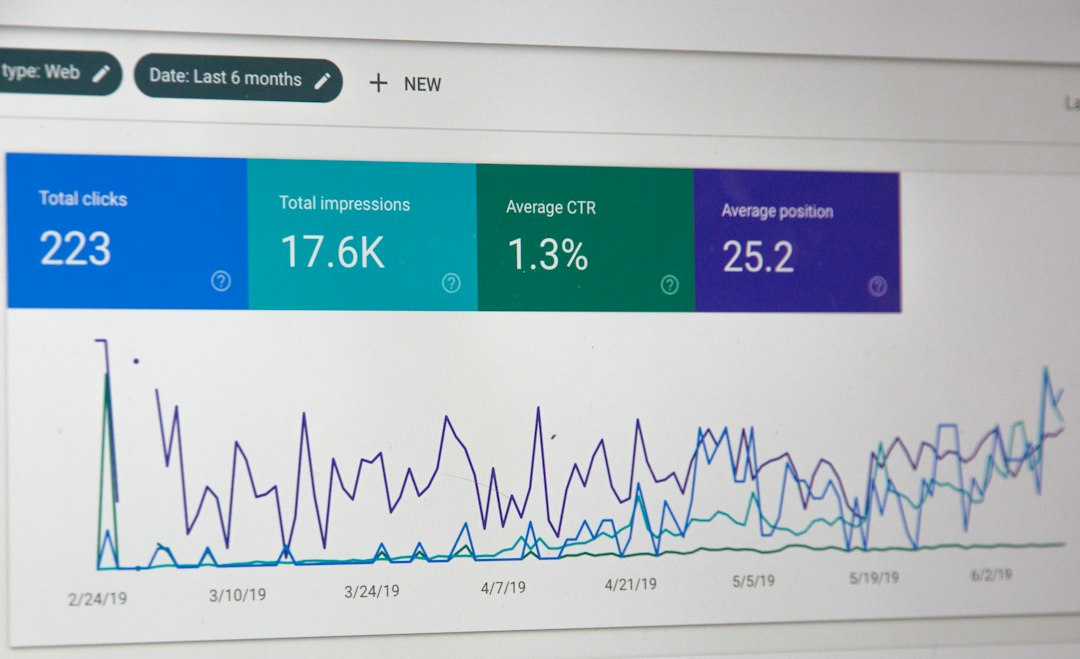
    SEO improvement should be measured over weeks and months, not hours. Track impressions, clicks, average position, click-through rate, indexed pages, and engagement metrics. Look for patterns. If a page receives many impressions but few clicks, the title and description may need improvement. If visitors arrive but leave quickly, the content may not satisfy intent.

    Create a simple review routine. Once a month, examine your top pages, declining pages, and new keyword opportunities. Identify posts that can be expanded, combined, redirected, or updated. This disciplined process is often more effective than constantly publishing new articles without maintaining old ones.

    Common Mistakes to Avoid

    • Relying on tools alone: Tools can identify issues, but they cannot replace useful content and clear thinking.
    • Using overloaded templates: Heavy themes can damage speed and user experience.
    • Ignoring mobile users: A blog that works poorly on phones will struggle to build trust.
    • Publishing duplicate content: Rewriting the same ideas repeatedly can weaken your site’s authority.
    • Chasing keywords without intent: Ranking for the wrong audience rarely creates meaningful results.

    Final Thoughts

    A successful plugin SEO Blogger strategy is less about finding a magical plugin and more about building a reliable optimization system. Blogger can perform well in search when it is supported by a fast template, properly configured metadata, strong content, optimized images, internal links, and consistent measurement.

    The most trustworthy approach is also the most sustainable: publish content that genuinely helps readers, maintain technical quality, and use data to guide improvements. SEO is a long-term discipline. When tools, strategy, and editorial standards work together, a Blogger site can earn visibility, credibility, and lasting organic traffic.

  • Top Gmailnator Alternatives for Developers and Testing Accounts

    Top Gmailnator Alternatives for Developers and Testing Accounts

    Temporary inboxes are a small but surprisingly important part of modern software development. Whether you are testing sign-up flows, password resets, onboarding emails, multi-account scenarios, or transactional email templates, tools like Gmailnator can save time by giving you quick access to disposable email addresses. However, developers often need more than a throwaway inbox: they need reliability, APIs, automation support, team collaboration, attachment handling, spam testing, and predictable test data.

    TLDR: If you need a Gmailnator alternative for serious development or QA work, prioritize tools with API access, stable inboxes, webhooks, and email parsing. Mailosaur, MailSlurp, Mailtrap, Mailinator, and MailHog or Mailpit are among the strongest options depending on your use case. Free disposable inbox tools are useful for quick manual checks, but they are not ideal for repeatable automated testing. For production-grade workflows, choose a platform built specifically for email testing and developer automation.

    Why developers look for Gmailnator alternatives

    Gmailnator is popular because it is quick, simple, and convenient. You open the site, generate an address, and use it to receive messages. That is useful when you want to test a one-off registration or inspect a confirmation email without cluttering your real inbox.

    But once your testing workflow becomes more structured, basic disposable email services start to show limitations. In many cases, developers need to:

    • Create inboxes programmatically during automated test runs.
    • Wait for emails using APIs instead of manually refreshing a page.
    • Parse verification links, OTP codes, and reset tokens from email bodies.
    • Test HTML rendering across different clients and devices.
    • Share inboxes with QA teams and preserve test history.
    • Avoid public inboxes where sensitive test data could be exposed.

    There is also a policy angle. Disposable addresses should be used responsibly for legitimate development, QA, and privacy-friendly testing. They should not be used to bypass platform rules, create abusive accounts, or scrape services at scale.

    Image not found in postmeta

    1. Mailosaur

    Best for: Automated QA, end-to-end testing, and teams that need a polished developer email testing platform.

    Mailosaur is one of the strongest Gmailnator alternatives for software teams. It gives you test email addresses and servers that can receive messages during automated test runs. Instead of manually checking an inbox, your test suite can call the Mailosaur API, wait for an email, extract a verification link, and continue the test automatically.

    It supports popular testing frameworks and languages, including JavaScript, Python, Java, Ruby, and C#. That makes it easy to integrate with tools such as Cypress, Playwright, Selenium, and Jest. Mailosaur also supports SMS testing, which is useful if your app uses phone-based verification alongside email.

    Why it stands out: It is built specifically for QA automation. If your team frequently tests sign-up flows, magic links, password resets, or onboarding campaigns, Mailosaur offers the reliability and developer experience that simple disposable inboxes lack.

    2. MailSlurp

    Best for: Developers who want flexible inbox creation, strong API control, and automation-friendly email testing.

    MailSlurp is another excellent option for developers. It lets you create real email inboxes via API, receive messages, send emails, parse content, and trigger workflows using webhooks. You can generate many inboxes for test users, keep them private, and use them inside automated tests.

    One of MailSlurp’s biggest advantages is its flexibility. You can create inboxes dynamically for each test, query received messages, extract codes from the email body, and even test outbound sending behavior. This makes it suitable for SaaS platforms, marketplaces, fintech products, and applications with complex communication flows.

    Developer highlight: MailSlurp provides SDKs for several programming languages, so it fits naturally into CI pipelines and test automation scripts.

    3. Mailtrap

    Best for: Safe email testing, staging environments, and reviewing email templates before sending real messages.

    Mailtrap is a favorite among developers because it captures outgoing emails in a fake SMTP environment. Instead of sending test emails to real users, your application sends them to Mailtrap, where your team can inspect them safely.

    This is different from Gmailnator-style temporary inboxes. Mailtrap is not mainly about generating throwaway addresses for public sign-up forms. It is about creating a controlled testing sandbox for your application’s email output. You can inspect HTML, plain text, headers, attachments, spam score, and responsiveness.

    Why it is useful: If you are building transactional emails, Mailtrap helps you catch broken templates, missing variables, layout issues, and accidental sends before anything reaches customers.

    4. Mailinator

    Best for: Quick disposable email testing and teams that need both public and private testing options.

    Mailinator is one of the oldest and best-known disposable email services. Its public inboxes are extremely simple: choose an address, send an email to it, and check the inbox. This makes it a natural alternative to Gmailnator for quick manual checks.

    Where Mailinator becomes more relevant for developers is its paid offering, which includes private domains, APIs, and automated testing support. Public Mailinator inboxes are not appropriate for sensitive test data because anyone who knows the address may be able to view messages. However, private Mailinator plans can be useful for teams that want disposable-style simplicity with more control.

    Best use case: Fast testing of sign-up flows, email confirmations, and low-risk test messages, especially when privacy is not a major concern or when using private plans.

    Image not found in postmeta

    5. Ethereal Email

    Best for: Node.js developers using Nodemailer.

    Ethereal Email is a lightweight testing service designed for developers who want to preview emails without delivering them to real inboxes. It is especially popular in the Node.js ecosystem because it integrates beautifully with Nodemailer.

    When you create an Ethereal account, you get SMTP credentials. Your application sends emails through Ethereal, and the messages are captured for preview. You can inspect the generated email in a browser and verify that your content, formatting, and links are correct.

    Why developers like it: It is quick to set up, free for many development scenarios, and ideal for local projects, prototypes, and demo apps.

    6. MailHog and Mailpit

    Best for: Local development and self-hosted email capture.

    MailHog has long been a go-to local email testing tool. It runs on your machine or inside a Docker container, captures outgoing SMTP messages, and displays them in a web interface. Mailpit is a modern alternative with similar goals and an active development approach.

    These tools are excellent when you want your development environment to be completely isolated. Instead of relying on a third-party disposable inbox, your app sends email to a local SMTP server. You can then view messages in a local dashboard.

    Why choose self-hosted tools: They are fast, private, and great for local development. They also reduce dependency on external services during day-to-day coding.

    • MailHog: Simple, established, and widely documented.
    • Mailpit: Modern, efficient, and a strong option for Docker-based workflows.

    7. YOPmail

    Best for: Fast, no-login disposable inbox testing.

    YOPmail is a classic temporary email provider. It does not require registration, and inboxes are easy to check. For quick manual testing, it can be very convenient. You can use it to see whether a registration email arrives, whether a subject line looks right, or whether a simple confirmation link works.

    However, YOPmail is not ideal for automated testing or sensitive workflows. Inboxes are generally public, and the service is designed for convenience rather than developer-grade reliability.

    Use it when: You need a quick disposable inbox for non-sensitive manual tests and do not require API-driven automation.

    8. Guerrilla Mail

    Best for: Short-lived manual testing and privacy-friendly browsing.

    Guerrilla Mail provides temporary email addresses that work instantly. It is useful when you need a disposable address for a quick verification flow or when you want to avoid using a personal inbox for a test account.

    For developers, Guerrilla Mail is best viewed as a lightweight manual testing tool rather than a full QA solution. It can help with quick experiments, but it does not provide the structured automation features that tools like Mailosaur or MailSlurp offer.

    Good for: Basic, temporary, low-risk email checks.

    9. Temp Mail

    Best for: Simple disposable addresses and quick account testing.

    Temp Mail is another well-known disposable email service. It generates a temporary inbox that you can use immediately. Its biggest advantage is ease of use: there is almost no learning curve.

    That simplicity also defines its limitation. Temp Mail is not built for repeatable developer workflows, CI pipelines, or complex email parsing. If all you need is to test whether an email arrives, it does the job. If your tests need to verify dynamic tokens and run automatically, choose a developer-focused tool instead.

    10. EmailOnDeck

    Best for: Quick temporary inboxes with minimal setup.

    EmailOnDeck offers temporary email addresses for short-term use. It is suitable for quick manual tests, especially when you do not want to create a permanent account. Like YOPmail and Temp Mail, it is best for convenience rather than professional QA automation.

    Practical note: Some online services block known disposable email domains. If your test depends on receiving messages from a third-party platform, you may need to try multiple providers or use a private testing domain.

    Image not found in postmeta

    How to choose the right Gmailnator alternative

    The best option depends on what you are testing. A solo developer checking a side project has different needs from a QA team maintaining hundreds of automated end-to-end tests.

    Consider these factors before choosing:

    • Automation: Do you need an API, SDKs, webhooks, or integration with Cypress, Playwright, or Selenium?
    • Privacy: Will test emails contain names, links, tokens, invoices, or user-like data?
    • Persistence: Do you need inboxes and messages to remain available for debugging?
    • Local versus cloud: Do you want a self-hosted tool like Mailpit or a managed service like Mailosaur?
    • Email rendering: Do you need to inspect HTML quality, spam scores, and responsive layouts?
    • Cost: Is this for occasional testing, a startup team, or a large CI environment?

    Recommended picks by use case

    • Best overall for QA teams: Mailosaur.
    • Best for API flexibility: MailSlurp.
    • Best for safe SMTP testing: Mailtrap.
    • Best local development option: Mailpit or MailHog.
    • Best quick disposable inbox: Mailinator, YOPmail, Temp Mail, or Guerrilla Mail.
    • Best for Node.js prototypes: Ethereal Email.

    Final thoughts

    Gmailnator is useful when you need a quick disposable inbox, but it is not always the best fit for professional development and testing. As soon as your workflow involves automation, private test data, repeatable QA runs, or team collaboration, it is worth moving to a dedicated email testing platform.

    For most development teams, Mailosaur, MailSlurp, and Mailtrap are the most capable alternatives. For local development, Mailpit and MailHog are efficient, private, and easy to run. For quick manual tests, classic disposable inboxes such as Mailinator, YOPmail, Guerrilla Mail, Temp Mail, and EmailOnDeck still have their place.

    The smartest approach is often a hybrid one: use a local SMTP capture tool while coding, a professional testing service in CI, and a simple disposable inbox only for low-risk manual checks. That gives you speed, privacy, and confidence without relying on a single tool for every scenario.

  • Best Free Movie Websites Like Sockshare Without Sign-Up

    Best Free Movie Websites Like Sockshare Without Sign-Up

    If you are looking for free movie websites like Sockshare without sign-up, the most important distinction is whether a site is legal, safe, and reliable. Sockshare-style mirror sites often appear and disappear, and many operate in legally unclear or unsafe territory. A better approach is to use reputable, ad-supported, public-domain, or institution-backed streaming platforms that let you watch films for free without creating an account in many cases.

    TLDR: The best free alternatives to Sockshare are legal streaming services such as Tubi, Pluto TV, Plex, Crackle, The Roku Channel, YouTube’s free movie section, and public-domain archives. These sites may show ads, but they are generally safer than unofficial mirror sites and do not require risky downloads. Availability can vary by country, so always check whether the service is officially supported in your region.

    Image not found in postmeta

    Why You Should Be Careful With Sockshare Alternatives

    Sockshare became well known because it offered quick access to films and TV shows, often without registration. However, many sites that describe themselves as “Sockshare alternatives” are not legitimate streaming services. They may host or link to copyrighted material without permission, use aggressive pop-up advertising, or redirect visitors to suspicious pages.

    For that reason, this article focuses on trustworthy free movie websites that are either ad-supported, owned by recognized media companies, or based on public-domain and archival content. They may not always have the newest cinema releases, but they offer a safer and more sustainable way to watch movies online.

    What Makes a Good Free Movie Website?

    Before choosing a site, look for the following qualities:

    • No mandatory account: You should be able to start watching without handing over personal details, at least for most content.
    • Legal licensing: The platform should clearly operate as an ad-supported or rights-cleared service.
    • Reasonable advertising: Free services usually rely on ads, but they should not force repeated redirects or fake download buttons.
    • Device support: A reliable service should work on browsers, smart TVs, mobile devices, or streaming sticks.
    • Transparent ownership: Established companies and public archives are generally safer than anonymous streaming pages.

    Best Free Movie Websites Like Sockshare Without Sign-Up

    1. Tubi

    Tubi is one of the strongest legal alternatives for people who want free movies without paying or signing up. It offers a large catalog of films, including action, comedy, horror, drama, documentaries, and older studio titles. In many regions, you can watch directly in your browser or app without creating an account.

    The service is ad-supported, so you will see commercial breaks. However, the trade-off is worthwhile because Tubi is legitimate, stable, and widely available. An account may help you save watchlists or resume playback, but it is not always required for basic viewing.

    2. Pluto TV

    Pluto TV is best known for its live TV-style channels, but it also has on-demand movies. It feels different from Sockshare because it is organized more like a traditional television service. You can browse themed channels or select films from its on-demand library.

    One advantage of Pluto TV is that it does not pressure users into immediate registration. You can usually open the site, choose a channel or movie, and begin watching. Its catalog changes regularly, which makes it useful for casual viewing rather than searching for one specific title.

    3. Plex Free Movies and TV

    Plex started as a personal media server platform, but it now includes free ad-supported movies and television. The free streaming section includes Hollywood films, independent movies, documentaries, and international content. In many cases, playback can begin without creating a Plex account.

    Plex is particularly useful if you want a more polished interface. The site and apps are well designed, and the content is clearly presented. While the catalog may not always include major new releases, it is a credible option for free, no-cost entertainment.

    Image not found in postmeta

    4. Crackle

    Crackle is another long-running free streaming service. It offers movies and TV shows supported by advertising, and its catalog often includes recognizable titles from previous decades. Depending on your location and device, you may be able to watch without signing up.

    Crackle’s main strength is simplicity. The interface is straightforward, and the platform does not try to imitate illegal streaming sites with misleading buttons or suspicious redirects. Viewers who want a dependable free movie experience should consider it, especially if they enjoy older studio films and genre movies.

    5. The Roku Channel

    The Roku Channel is not only for Roku device owners. In supported regions, it can be accessed through a browser or compatible app. It features free movies, television shows, live channels, and some premium add-on options.

    Its free content is ad-supported, and some access rules may vary depending on the country and device. Still, it is a reputable platform with a clean viewing experience. For users who want something more legitimate than a Sockshare clone, The Roku Channel is a strong option.

    6. YouTube Free Movies

    YouTube is often overlooked as a free movie source. Beyond user-uploaded videos, YouTube has an official selection of movies that are free with ads in some regions. You may also find public-domain films and older independent productions legally uploaded by rights holders.

    However, users should be selective. Not every full movie uploaded to YouTube is authorized. A good rule is to prefer official channels, verified studios, recognized distributors, or YouTube’s own “Free with ads” movie section where available. Some content may require sign-in for age verification, but many films are watchable without an account.

    7. Internet Archive

    The Internet Archive is a nonprofit digital library that hosts a large amount of historical media, including films, documentaries, newsreels, educational videos, and public-domain cinema. It is especially valuable for classic movie fans, researchers, and viewers interested in film history.

    Because it is an open archive, the quality and rights status of uploads can vary. For the safest experience, focus on clearly public-domain films, official collections, and archival material. The Internet Archive is not a replacement for a modern movie platform, but it is one of the most important free resources online.

    8. Library of Congress National Screening Room

    The Library of Congress National Screening Room provides access to selected films from the Library’s collections. It is not designed like a commercial streaming service, but it is highly trustworthy and educational. Many titles are historically significant, including early cinema, newsreels, documentaries, and culturally important works.

    This option is best for viewers who value film heritage rather than blockbuster entertainment. There is no need to worry about pop-ups, fake download prompts, or questionable hosting. It is a serious resource for anyone who wants legally available films without sign-up.

    9. FilmRise

    FilmRise distributes free, ad-supported films and television across its own apps and several partner platforms. Its library includes crime, drama, classic TV, documentaries, and independent films. Depending on how you access it, you may be able to watch without account creation.

    FilmRise is a good choice for viewers who like browsing by genre. It may not have the newest releases, but its strength is a broad collection of accessible entertainment. It also appears on platforms such as YouTube, The Roku Channel, and other free streaming services.

    Quick Comparison

    • Best overall free movie site: Tubi
    • Best live TV-style experience: Pluto TV
    • Best clean interface: Plex
    • Best for classic and archival films: Internet Archive and Library of Congress
    • Best for casual browsing: Crackle, FilmRise, and The Roku Channel
    • Best familiar platform: YouTube Free Movies

    Safety Tips for Watching Free Movies Online

    Even when using free streaming sites, it is wise to stay cautious. A legitimate movie website should not ask you to download a special player, install a browser extension, or disable your security settings. These are common warning signs of unsafe platforms.

    • Avoid fake play buttons: If a page has several flashing “Play” or “Download” buttons, leave immediately.
    • Do not enter payment details: A free site should not require card information for “verification.”
    • Use official apps: Download apps only from trusted stores such as Google Play, Apple App Store, Roku, or Amazon.
    • Keep your browser updated: Modern browsers block many malicious scripts and unsafe redirects.
    • Be cautious with VPN claims: A VPN can improve privacy, but it does not make illegal streaming legal.
    Image not found in postmeta

    Are No-Sign-Up Movie Sites Really Free?

    Most legitimate free movie websites are funded through advertising. This means you pay with your attention rather than your wallet. In exchange, you get a legal stream, better video stability, and a much lower risk of malware compared with unofficial sites.

    Some platforms allow viewing without sign-up but still offer optional accounts. Creating an account can unlock watchlists, parental controls, recommendations, or resume features. If privacy is your priority, you can simply use the no-sign-up features where available and avoid sharing unnecessary personal information.

    What About New Releases?

    If a website claims to offer every new theatrical release in HD for free without sign-up, treat it with skepticism. Current blockbuster films are expensive to license, and legitimate free services rarely receive them immediately. Most legal free platforms focus on older studio films, independent titles, documentaries, classics, and rotating catalog content.

    For new releases, the safest options are paid rentals, subscription streaming services, cinema tickets, or official free promotions. A serious viewer should understand that convenience is not worth exposing a device to malware or supporting unauthorized distribution.

    Final Thoughts

    The best free movie websites like Sockshare without sign-up are not the risky clones that copy its name or layout. They are legitimate platforms that provide free access through advertising, public-domain collections, or cultural archives. Tubi, Pluto TV, Plex, Crackle, The Roku Channel, YouTube, Internet Archive, Library of Congress, and FilmRise are all safer choices for viewers who want free entertainment without unnecessary registration.

    The key is to choose services that are transparent, stable, and rights-conscious. You may not find every movie you want, but you will get a safer viewing experience, fewer legal concerns, and more confidence that the content you are watching is being offered properly.

  • Best “A Little Horse” NYT Crossword Clue Answer and Explanation

    Best “A Little Horse” NYT Crossword Clue Answer and Explanation

    The New York Times crossword has a knack for making even the simplest clue feel slippery. A clue like “A little horse” looks almost too easy at first glance, but crossword solvers know that short, familiar phrases often hide more than one possible answer. The best answer depends on the puzzle’s letter count, crossings, and whether the clue is being used literally or playfully.

    TLDR: The best answer for the NYT crossword clue “A little horse” is usually PONY. A pony is a small horse, making it the most direct and common crossword solution. However, depending on the number of letters and the puzzle’s wordplay, FOAL can also be a possible answer because it means a young horse. Always check the crossing letters before committing.

    Best Answer: PONY

    The most likely answer to the clue “A little horse” is:

    PONY

    This answer works because a pony is commonly understood as a small horse. In everyday language, people often describe ponies as “little horses,” especially when speaking casually or explaining the difference to children. In crossword terms, PONY is also a highly efficient answer: it is short, familiar, and made up of common letters.

    The New York Times crossword frequently uses concise clues for equally concise answers. When the clue is straightforward and the answer length is four letters, PONY is typically the strongest fit. It has appeared in many crossword grids over the years because it is recognizable, flexible, and easy to clue in multiple ways.

    Image not found in postmeta

    Why “PONY” Is the Best Fit

    There are several reasons PONY is usually the best solution for “A little horse”:

    • It matches the literal meaning: A pony is a small type of horse, so the clue reads naturally.
    • It is a common crossword word: Short answers with useful letters are crossword favorites.
    • It fits a four-letter slot: Many basic animal clues in NYT puzzles have compact answers.
    • It does not require obscure knowledge: Solvers of all experience levels are likely to recognize it.

    In a standard crossword, the simplest explanation is often the correct one. If the clue says “A little horse” and the answer has four letters, PONY should be your first guess.

    Could the Answer Be “FOAL”?

    Yes, FOAL is another reasonable answer, but it means something slightly different. A foal is a young horse, not necessarily a small breed of horse. Since young horses are little in size, FOAL can also satisfy the idea of “a little horse.”

    The distinction is important:

    • PONY: A small horse or small horse breed.
    • FOAL: A baby or young horse.

    If the NYT crossword clue gives you four squares, both PONY and FOAL are possible before you check the crossings. However, PONY is usually the more direct answer to the wording “a little horse”, while FOAL is more directly clued by phrases like “young horse,” “colt or filly,” or “newborn in a stable.”

    How to Tell Which Answer the Puzzle Wants

    When two answers seem plausible, the crossings are your best guide. In the NYT crossword, no clue exists in isolation. Each answer has to agree with the words that cross it, and those crossing letters usually settle the question quickly.

    Here is a simple method:

    1. Check the answer length. If the slot has four letters, consider PONY or FOAL.
    2. Look at the second letter. If it is O, both options may still be open.
    3. Check the first letter. A P points to PONY; an F points to FOAL.
    4. Use the clue tone. A very literal clue favors PONY; a clue about youth favors FOAL.
    5. Watch for question marks. A clue like “A little horse?” may involve a pun or twist.

    The question mark is especially important in NYT crosswords. It often signals wordplay. Without a question mark, the clue is more likely to be straightforward. With one, the answer might depend on a joke, idiom, or alternate reading.

    Image not found in postmeta

    The Joke Behind “A Little Horse”

    One reason this clue is interesting is that it can invite a mental detour toward the phrase “a little hoarse.” Spoken aloud, horse and hoarse sound exactly the same. A “little hoarse” person might have a raspy voice, while “a little horse” is literally a small equine animal.

    Crossword constructors love this kind of sound-based ambiguity. They can use homophones to make a clue feel playful without making it impossible. If the clue includes quotation marks, odd capitalization, or a question mark, solvers should consider whether the clue is asking for something literal or something that sounds like another phrase.

    For example, a clue like “A little hoarse?” could lead toward an answer such as RASPY, ROUX in a themed puzzle, or some other pun-based solution depending on the theme. But the clue “A little horse” by itself usually points back to PONY.

    Why NYT Crossword Clues Can Feel Trickier Than They Look

    The New York Times crossword is famous for clue precision. Even easy-looking clues are carefully chosen. A clue may be plain, punny, misleading, or theme-dependent. The solver’s job is to determine which mode the puzzle is using.

    Several features can change how you should interpret a clue:

    • Question mark: Often means wordplay or a nonliteral interpretation.
    • Quotation marks: May indicate a spoken phrase, sound, or familiar expression.
    • Abbreviations: If the clue is abbreviated, the answer usually is too.
    • Theme entries: In themed puzzles, ordinary clues may have unusual answers.
    • Day of the week: Monday clues are usually easier; Friday and Saturday clues are more deceptive.

    So while PONY is the best general answer, an experienced solver will still confirm it with crossings rather than relying on instinct alone.

    Pony vs. Horse: What Is the Difference?

    Outside the crossword grid, the word pony has a specific meaning. A pony is generally a small equine, often measured by height. In many equestrian contexts, ponies are considered distinct from horses because of their size, build, temperament, and proportions.

    Ponies are usually shorter than horses, but they are not simply baby horses. A full-grown pony can be small its entire life. That is what makes PONY such a good answer for “a little horse”. It describes a horse-like animal that is little by nature, not merely one that has not grown up yet.

    A foal, on the other hand, will eventually grow into an adult horse or pony. It is little because it is young. The clue “baby horse” almost certainly means FOAL, while “little horse” leans more strongly toward PONY.

    Image not found in postmeta

    Other Crossword Answers Related to Horses

    Horse-related clues are extremely common in crosswords because they offer many short, useful answers. If you are solving NYT puzzles often, it helps to recognize these related terms:

    • COLT: A young male horse.
    • FILLY: A young female horse.
    • FOAL: A young horse of either sex.
    • MARE: An adult female horse.
    • STUD: A male horse kept for breeding.
    • STEED: A riding horse, often in literary or old-fashioned language.
    • NAG: An old or worn-out horse, sometimes used humorously.
    • ROAN: A horse with a mixed coat color.

    Knowing these terms can make animal clues much easier. The NYT crossword often recycles common vocabulary, but the clues vary enough to keep solvers alert.

    What If the Clue Appears in the NYT Mini?

    The NYT Mini Crossword tends to favor quick, accessible answers. If “A little horse” appears in the Mini and the answer has four letters, PONY is especially likely. The Mini often uses direct clues that can be solved in seconds, and PONY is a perfect Mini-style answer: simple, familiar, and satisfying.

    That said, the Mini can still use playful clues. If the crossing letters do not support PONY, do not force it. The correct answer is always the one that fits the entire grid.

    Tips for Solving Similar Clues

    Clues like “A little horse” are useful training examples because they teach several important crossword habits:

    • Start with the obvious answer, but do not marry it. Write in PONY lightly if it fits, then verify.
    • Think about categories. Is the clue asking for size, age, breed, sound, or idiom?
    • Use crossings early. One or two confirmed letters can eliminate wrong guesses.
    • Notice punctuation. A question mark can completely change the clue’s meaning.
    • Build a crossword vocabulary. Common short words like PONY, FOAL, and MARE appear often.

    Good solvers are not just people who know many facts. They are people who can shift interpretations quickly. A clue may be literal for one second and punny the next, and the grid rewards flexibility.

    Final Answer and Explanation

    The best answer to the NYT crossword clue “A little horse” is PONY. It is the most natural interpretation because a pony is a small horse. If the answer length is four letters and the crossings support it, PONY is almost certainly correct.

    Still, keep FOAL in mind as an alternate possibility. A foal is a young horse, so it can also fit the general idea of a little horse in some puzzles. The difference is subtle but important: PONY refers to small size, while FOAL refers to young age.

    That little distinction is exactly what makes crossword solving fun. A clue can look simple, but the best solvers pause long enough to ask, “What kind of little does the puzzle mean?” In this case, the answer is most likely PONY—short, sweet, and right at home in a New York Times crossword grid.

  • 20 Advantages of Social Media for Businesses, Students, and Individuals

    20 Advantages of Social Media for Businesses, Students, and Individuals

    Social media has become a powerful part of modern life, shaping how businesses grow, how students learn, and how individuals communicate. Platforms such as Facebook, Instagram, LinkedIn, TikTok, X, YouTube, and others allow people and organizations to share ideas, build relationships, discover opportunities, and access information quickly. When used thoughtfully, social media can provide meaningful benefits across professional, academic, and personal settings.

    TLDR: Social media offers major advantages for businesses, students, and individuals by improving communication, visibility, learning, networking, and access to information. Businesses can use it for marketing, customer support, brand building, and market research, while students can benefit from educational content, collaboration, and career opportunities. Individuals can stay connected, express creativity, build communities, and discover new personal or professional paths.

    20 Advantages of Social Media for Businesses, Students, and Individuals

    The value of social media depends largely on how it is used. While casual browsing can become distracting, strategic and responsible use can produce impressive results. For businesses, it can reduce marketing costs and increase customer engagement. For students, it can open doors to knowledge and collaboration. For individuals, it can strengthen relationships, encourage self-expression, and support personal growth.

    Image not found in postmeta
    1. 1. Improved Communication

      One of the greatest advantages of social media is its ability to make communication faster and easier. Businesses can communicate with customers in real time, students can connect with classmates and teachers, and individuals can stay in touch with family and friends across the world. Messages, comments, video calls, and group chats allow people to exchange information almost instantly.

    2. 2. Cost-Effective Marketing for Businesses

      Social media gives businesses an affordable way to promote products and services. Compared with traditional advertising, social media campaigns can be launched with smaller budgets and measured more accurately. Small businesses, in particular, can benefit from organic posts, targeted ads, influencer collaborations, and customer testimonials.

    3. 3. Brand Awareness and Recognition

      Businesses can use social media to make their brands more visible. Regular posting, consistent visuals, helpful content, and engaging captions help audiences remember a company. Over time, this increased visibility can lead to stronger trust and better recognition in a competitive marketplace.

    4. 4. Access to Educational Resources

      Students can use social media to access tutorials, lectures, study tips, research discussions, and expert explanations. Many educators, universities, and professionals share useful content online. This makes learning more flexible and allows students to explore subjects beyond the classroom.

    5. 5. Networking Opportunities

      Social media helps businesses, students, and individuals build valuable networks. Professionals can connect with industry leaders, students can follow organizations related to their future careers, and individuals can meet people with similar interests. Platforms such as LinkedIn are especially useful for professional networking and career development.

    6. 6. Better Customer Engagement

      For businesses, social media creates a direct channel for interacting with customers. Companies can respond to questions, acknowledge feedback, and participate in conversations. This engagement can make customers feel heard and valued, which often improves loyalty and satisfaction.

    7. 7. Real-Time News and Updates

      Social media allows users to receive updates quickly. Businesses can announce product launches, changes in operating hours, or special offers. Students can follow school announcements, scholarship updates, and academic deadlines. Individuals can stay informed about local events, global news, and emergency alerts.

    8. 8. Increased Website Traffic

      Businesses and content creators can use social media to guide visitors to websites, blogs, online stores, or portfolios. Sharing links to valuable content encourages audiences to take the next step. This can support lead generation, sales, subscriptions, and long-term audience growth.

    9. 9. Collaboration and Group Learning

      Students benefit from social media through group projects, study communities, and peer discussions. Class groups can be created to share notes, ask questions, and organize assignments. These digital spaces encourage teamwork and make academic collaboration more convenient.

    10. 10. Personal Branding

      Individuals and students can use social media to build a positive personal brand. By sharing achievements, skills, projects, and thoughtful opinions, a person can create a professional image. This can be valuable for job applications, freelance work, public speaking opportunities, and creative careers.

    11. 11. Market Research and Audience Insights

      Businesses can study audience behavior through social media analytics, comments, polls, and reviews. These insights help companies understand customer preferences, pain points, and buying habits. As a result, businesses can improve products, adjust pricing, refine messaging, and create more relevant campaigns.

    12. 12. Creative Expression

      Social media gives individuals a platform to express creativity through writing, photography, music, design, video, and storytelling. Students can showcase academic projects or artistic work, while businesses can present their brand personality. Creative expression often helps people gain confidence and connect with audiences who appreciate their ideas.

    Image not found in postmeta
    1. 13. Career Development

      Social media can support career growth by helping people discover job openings, internships, training programs, and mentorship opportunities. Students can follow companies they admire, engage with professional content, and learn about industry trends. Professionals can also display their expertise and attract recruiters or clients.

    2. 14. Community Building

      People often use social media to form communities around shared interests, values, challenges, or goals. These communities may focus on fitness, parenting, entrepreneurship, education, hobbies, health, or social causes. A strong online community can provide encouragement, advice, motivation, and a sense of belonging.

    3. 15. Faster Customer Support

      Social media has changed how businesses provide support. Customers often prefer sending a message or comment instead of waiting on a phone line. Quick replies can reduce frustration and show that a company takes service seriously. Public responses can also demonstrate professionalism to other potential customers.

    4. 16. Learning Digital Skills

      Students, employees, entrepreneurs, and individuals can develop practical digital skills through social media use. These skills include content creation, online communication, analytics, advertising, video editing, writing, and community management. In a digital economy, such skills are increasingly valuable.

    5. 17. Promotion of Events and Causes

      Social media is useful for promoting events such as webinars, workshops, school activities, product launches, fundraisers, and community programs. Individuals and organizations can spread awareness quickly and encourage participation. Nonprofits and social movements also use social media to educate the public and gather support.

    6. 18. Access to Diverse Perspectives

      Social media exposes users to different cultures, opinions, experiences, and lifestyles. Students can learn from international voices, businesses can understand global markets, and individuals can broaden their worldview. Although critical thinking is necessary, exposure to diverse perspectives can encourage empathy and deeper understanding.

    7. 19. Opportunities for Sales and Income

      Businesses can sell directly through social media shops, ads, live streams, and product posts. Individuals can also earn income through freelance services, affiliate marketing, sponsored content, digital products, or online coaching. For many entrepreneurs, social media serves as a low-cost starting point for building a business.

    8. 20. Motivation and Personal Growth

      Social media can inspire people to set goals, learn new habits, and improve their lives. Motivational content, educational creators, wellness communities, and success stories can encourage positive action. When users choose content carefully, social media can become a source of encouragement rather than distraction.

    Image not found in postmeta

    Why Social Media Matters in Different Areas of Life

    For businesses, social media is more than a promotional tool. It supports branding, customer service, audience research, sales, and reputation management. A business that communicates consistently and respectfully online can build long-term trust with its audience.

    For students, social media can support both learning and career planning. It gives them access to academic communities, expert knowledge, scholarship information, and professional networks. However, students benefit most when they use social platforms with discipline and clear goals.

    For individuals, social media can improve relationships, provide entertainment, and encourage personal expression. It can help people discover new interests, join supportive communities, and maintain meaningful connections. The key is to balance online activity with offline responsibilities and well-being.

    Tips for Using Social Media Effectively

    • Set clear goals: Businesses, students, and individuals should know why they are using each platform.
    • Share valuable content: Helpful, honest, and relevant posts usually perform better than random updates.
    • Protect privacy: Users should be careful about sharing personal information and should review privacy settings regularly.
    • Engage respectfully: Positive communication helps build trust and prevents unnecessary conflict.
    • Manage time wisely: Social media is most useful when it supports productivity instead of replacing it.

    Conclusion

    Social media offers many advantages for businesses, students, and individuals when it is used with purpose. It improves communication, supports learning, builds communities, creates income opportunities, and strengthens personal and professional visibility. While it has challenges, responsible use can turn social media into a powerful tool for growth, connection, and success.

    FAQ

    1. What is the biggest advantage of social media for businesses?

    The biggest advantage is the ability to reach and engage customers directly. Businesses can promote products, answer questions, build trust, and gather feedback in real time.

    2. How does social media help students?

    Social media helps students by providing access to educational content, study groups, academic updates, career resources, and networking opportunities.

    3. Can social media help individuals build a career?

    Yes. Individuals can use social media to showcase skills, connect with professionals, find job opportunities, and build a strong personal brand.

    4. Is social media useful for small businesses?

    Social media is especially useful for small businesses because it offers affordable marketing, local visibility, customer engagement, and direct selling opportunities.

    5. What are the personal benefits of social media?

    Personal benefits include staying connected with loved ones, joining communities, discovering new interests, expressing creativity, and accessing motivation or support.

    6. How can social media be used responsibly?

    Responsible use includes setting time limits, checking information before sharing it, protecting privacy, communicating respectfully, and following accounts that provide value.

    7. Does social media improve learning?

    Social media can improve learning when students follow credible educational sources, participate in study communities, and use platforms to support academic goals.

  • Best MacBook Screen Yellow Spot Solutions for Retina Displays

    Best MacBook Screen Yellow Spot Solutions for Retina Displays

    Yellow spots on a MacBook Retina display can be distracting, especially because Retina panels are known for sharp text, clean whites, and accurate color. These yellow areas may appear as circular patches, uneven warm tinting near the edges, or blotchy discoloration that becomes more visible on white or light gray backgrounds. For MacBook owners, the best solution depends on whether the issue comes from temporary heat, software color settings, adhesive aging, pressure damage, liquid exposure, or a failing display assembly.

    TLDR: Yellow spots on MacBook Retina displays are usually caused by heat, pressure, adhesive deterioration, display coating problems, or hardware failure. Basic fixes include checking display settings, disabling color filters, cooling the MacBook, cleaning the screen properly, and resetting system controllers. If the yellow spot remains visible across all backgrounds and screenshots do not capture it, the problem is likely physical and may require professional display replacement.

    Understanding Yellow Spots on Retina Displays

    A yellow spot on a MacBook screen is not always the same as a general warm color tone. A warm tone affects the entire display evenly, while a yellow spot usually appears in one area and may have soft edges. It may be more noticeable when the display shows a white document, a browser page, a spreadsheet, or a light-colored desktop wallpaper.

    Retina displays use tightly packed pixels, layers of backlighting, polarizers, adhesives, glass, and coatings. When one of these layers changes due to heat, age, pressure, or contamination, a visible discoloration may appear. Since these layers are laminated together in many MacBook models, a spot inside the panel cannot usually be wiped away from the outside.

    Image not found in postmeta

    Common Causes of Yellow Spots

    Heat buildup is one of the most common temporary causes. When a MacBook runs hot for extended periods, internal components may warm the display assembly. Some panels show uneven color when heated, especially near the lower edge or close to internal heat sources.

    Pressure damage may also create yellow patches. Pressure can come from closing the MacBook with an object on the keyboard, using a tight sleeve, stacking heavy items on top of the laptop, or pressing too hard while cleaning. Retina displays are thin, and pressure can affect internal layers.

    Adhesive aging is another possible reason. Over time, adhesives inside laminated display assemblies may change color or separate slightly. This can create cloudy, yellow, or uneven areas that do not disappear after restarts or software changes.

    Liquid exposure can cause yellow staining, particularly if moisture enters around the edges of the display or keyboard area. Even a small amount of liquid can affect internal films, backlight layers, or connectors.

    Software settings can sometimes imitate a yellow screen issue. Features such as Night Shift, True Tone, color filters, or custom color profiles can make the screen appear warmer than expected. However, software-related warmth usually affects the whole screen rather than one isolated spot.

    Step 1: Check Whether the Yellow Spot Is Software Based

    The first practical step is determining whether the issue is produced by macOS settings or by the physical display. A technician or user can begin by opening a plain white image, a blank document, or a white browser page. If the discoloration appears only in specific apps, the problem may be related to app settings, color profiles, or content rendering.

    Next, macOS display features should be reviewed. Night Shift can make the screen warmer during certain hours. True Tone adjusts color based on ambient lighting and may make whites look slightly yellow. Color Filters under accessibility settings can also affect screen tint.

    • Disable Night Shift: System Settings > Displays > Night Shift.
    • Disable True Tone: System Settings > Displays > True Tone.
    • Check Color Filters: System Settings > Accessibility > Display > Color Filters.
    • Review color profile: System Settings > Displays > Color Profile.

    If disabling these options removes the yellow appearance, the Retina panel is likely healthy. If the spot remains in the same location, especially on every background, the cause is probably hardware related.

    Step 2: Use a Screenshot Test

    A simple screenshot test can help separate display hardware problems from software or graphics output issues. When the yellow area is visible, the user can take a screenshot and view it on another device. If the yellow spot appears in the screenshot on another screen, the issue may be related to software, graphics rendering, or the image itself.

    If the screenshot looks normal on another device, but the yellow spot remains visible on the MacBook display, the issue is almost certainly within the display hardware. This test is useful because a physical screen defect is not captured by a digital screenshot.

    Step 3: Let the MacBook Cool Down

    Heat-related yellowing may improve after the MacBook cools. The device should be shut down and left open in a cool, dry room for at least 30 to 60 minutes. During this time, external cases, keyboard covers, and anything that traps heat should be removed.

    After cooling, the MacBook can be restarted and checked again using a white background. If the spot becomes lighter or disappears, heat is likely contributing to the problem. In that case, repairs may not be immediately necessary, but thermal habits should be improved.

    • Keep the MacBook on a hard, flat surface.
    • Avoid using it on blankets, pillows, or soft furniture.
    • Close heavy apps when they are not needed.
    • Keep vents and hinge areas clear of dust.
    • Use Activity Monitor to identify high CPU or GPU usage.

    If the yellow spot returns whenever the MacBook gets warm, a technician may need to inspect the cooling system, battery condition, and display assembly.

    Step 4: Clean the Screen Correctly

    Sometimes a yellowish mark is only residue on the glass surface. This can happen from skin oils, cleaning products, smoke, food vapor, or poor-quality screen protectors. Retina displays should be cleaned carefully because coatings can be damaged by harsh chemicals.

    The safest method is to shut down the MacBook, unplug it, and use a clean microfiber cloth. If dry wiping is not enough, the cloth can be slightly dampened with water. The cloth should never be dripping wet, and liquid should not be sprayed directly on the display.

    Image not found in postmeta

    Products to avoid include window cleaner, bleach, aerosol sprays, ammonia, abrasive pads, and strong alcohol solutions. These may damage anti-reflective coatings or leave streaks that make discoloration look worse.

    Step 5: Inspect for Pressure or Physical Damage

    Physical pressure often causes discoloration that appears as a yellow patch, bright patch, dark bruise, or cloudy area. A careful visual inspection can reveal whether the panel has been stressed. Signs may include tiny cracks, uneven backlight bleed, glass separation, warped display housing, or keyboard marks on the screen.

    MacBook users should also inspect accessories. A thick keyboard cover, webcam cover, or screen protector can prevent the lid from closing properly. Over time, this pressure can damage the display. Apple’s modern laptop tolerances are tight, so even thin objects between the keyboard and glass may create problems.

    If pressure damage is suspected, continued use may worsen the issue. The safest solution is to stop applying pressure to the lid, remove unnecessary accessories, and seek a professional inspection.

    Step 6: Reset NVRAM and SMC When Appropriate

    Although hardware spots are not usually fixed by resets, certain display behavior can improve after resetting system settings. On Intel-based MacBooks, resetting NVRAM may help with display color, resolution, and startup-related settings. Resetting the SMC may help with power, thermal behavior, and fan management.

    On Apple silicon MacBooks, these resets are handled differently. A full shutdown, waiting briefly, and restarting can refresh many low-level functions. Keeping macOS updated is also important, as updates may improve display calibration, graphics drivers, and power management.

    These steps are worth trying before paid repair, but they should not be expected to fix a yellow spot caused by damaged display layers.

    Step 7: Run Apple Diagnostics

    Apple Diagnostics can identify some hardware problems, although it may not always detect display discoloration. The test can still be useful if the MacBook has overheating, graphics, battery, or sensor issues that may contribute to screen problems.

    For Apple silicon models, the MacBook is shut down, then the power button is held until startup options appear. Pressing Command-D starts diagnostics. For Intel models, the D key is held during startup. If diagnostic codes appear, they should be recorded before service.

    Step 8: Consider Display Replacement

    If the yellow spot is always in the same location, remains visible after cooling, does not appear in screenshots, and is unaffected by software settings, the most reliable fix is usually display assembly replacement. Because Retina displays are laminated, technicians typically replace the full display assembly instead of separating individual layers.

    Display replacement may be covered if the MacBook is under warranty or an applicable service program. If the device has accidental damage, liquid exposure, or pressure marks, coverage may differ. An authorized service provider can inspect the MacBook and provide repair options.

    Image not found in postmeta

    Independent repair shops may also offer screen replacement, often at different prices. However, quality varies. A poor-quality replacement panel may have lower brightness, incorrect color, dead pixels, or reduced durability. For users who rely on color accuracy, professional-grade parts and calibration are especially important.

    Prevention Tips for MacBook Retina Displays

    Preventing yellow spots is easier than repairing them. MacBook owners should avoid heat, pressure, and moisture whenever possible. The display should be cleaned gently, and the lid should be closed only when the keyboard area is clear.

    • Avoid tight laptop sleeves that compress the display.
    • Do not place objects between the keyboard and screen.
    • Keep liquids away from the laptop and nearby desk area.
    • Use proper ventilation during intensive tasks such as video editing or gaming.
    • Clean with microfiber and avoid aggressive chemicals.
    • Remove thick keyboard covers before closing the lid if clearance is uncertain.

    When Professional Help Is Needed

    Professional help is recommended when the spot grows, changes shape, appears after a spill, follows visible pressure damage, or remains after all software checks. A technician can inspect the display, cables, battery swelling, thermal condition, and enclosure alignment. This is important because a swollen battery can press upward from inside the MacBook and create screen or trackpad problems.

    If the MacBook is still usable, the user should back up important data before service. Display repairs usually do not erase data, but backups are always wise before any hardware work. Time Machine, iCloud, or an external drive can reduce the risk of data loss.

    FAQ

    Why does a MacBook Retina display get yellow spots?

    Yellow spots usually appear because of heat, pressure, adhesive aging, liquid exposure, coating issues, or physical display layer damage. Software settings can make the entire screen warmer, but isolated yellow patches are usually hardware related.

    Can yellow spots on a MacBook screen be fixed at home?

    Some cases can be improved at home if the cause is heat, residue, Night Shift, True Tone, or color settings. However, yellow spots inside the laminated display usually cannot be repaired at home and often require display replacement.

    Does a screenshot show a MacBook yellow spot?

    A physical display defect normally does not appear in a screenshot. If the screenshot looks normal on another device, the yellow spot is likely located in the MacBook screen hardware.

    Can cleaning remove yellow discoloration?

    Cleaning can help if the mark is on the surface, such as oil, residue, or staining from improper cleaning products. If the yellow spot is inside the display layers, cleaning the outer glass will not remove it.

    Is a yellow spot a sign of battery swelling?

    It can be, especially if the MacBook also has a raised trackpad, uneven bottom case, strange gaps, or pressure marks. Battery swelling should be inspected quickly because it can damage internal components and create safety risks.

    Should the whole display be replaced?

    In many Retina MacBooks, the display layers are laminated, so technicians usually replace the entire display assembly. This is the most reliable solution for persistent internal yellow spots.

    Can heat permanently damage a Retina display?

    Prolonged heat can contribute to discoloration, adhesive changes, and backlight issues. Temporary heat-related tint may fade after cooling, but repeated overheating can increase the chance of permanent display problems.

    Is it safe to keep using a MacBook with a yellow spot?

    It is usually safe if the spot is stable and no liquid damage, battery swelling, or overheating is present. If the spot grows, changes quickly, or appears with other hardware symptoms, professional inspection is recommended.