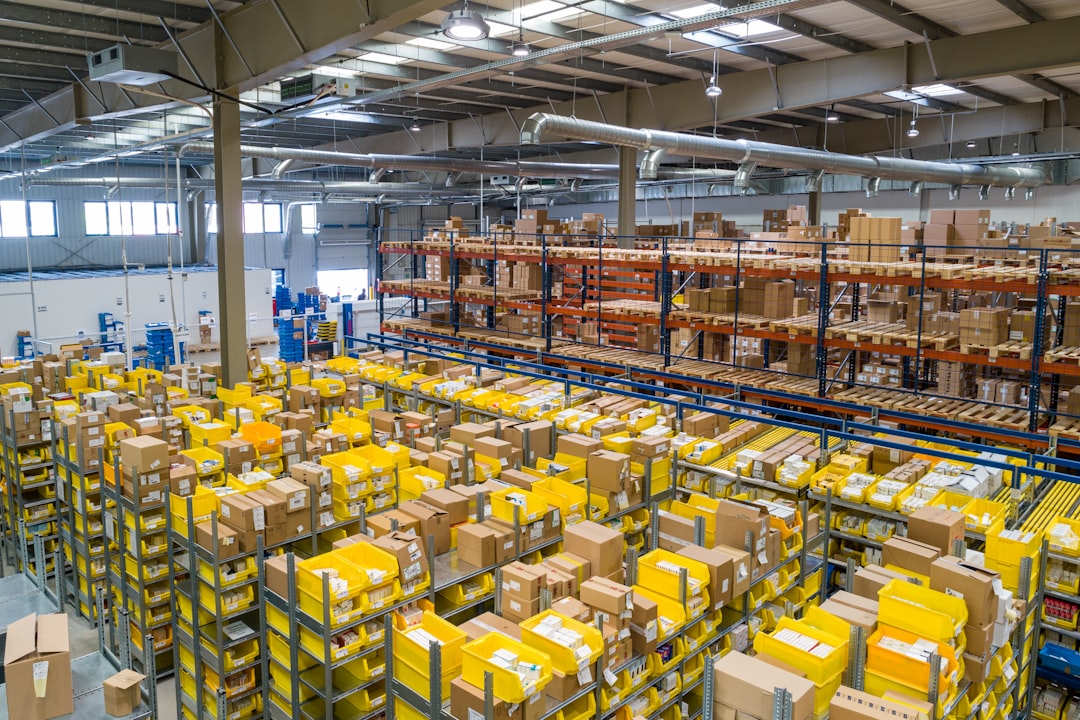
For ecommerce companies using 3dcart, efficient fulfillment is not simply an operational detail; it is a core part of the customer experience. Buyers expect accurate inventory, fast shipping, clear tracking, and dependable returns. As order volume grows, many merchants find that managing storage, packing, shipping, and reverse logistics in-house becomes costly and difficult to control. This is where third party logistics services, commonly called 3PL services, can become a practical and strategic fulfillment solution.
TLDR: 3dcart merchants can use third party logistics providers to outsource warehousing, picking, packing, shipping, and returns management. A reliable 3PL can help ecommerce businesses improve delivery speed, reduce operational pressure, and scale more efficiently. The best results come from choosing a provider that integrates cleanly with 3dcart, offers transparent pricing, and maintains strong inventory and order accuracy.
Understanding 3PL Fulfillment for 3dcart Stores
A third party logistics provider handles fulfillment operations on behalf of an ecommerce business. Instead of storing products in a back room, garage, office, or self-managed warehouse, merchants send inventory to a 3PL facility. When a customer places an order through a 3dcart store, the order details are transferred to the fulfillment provider. The 3PL then picks the products, packs the shipment, selects the shipping carrier, and sends tracking information back to the store or customer.
For many 3dcart merchants, this creates a more organized and scalable model. The merchant remains responsible for product strategy, sales, marketing, customer service, and business management, while the logistics partner manages the physical movement of goods. This division of responsibility can help ecommerce teams focus on growth without being overwhelmed by daily fulfillment tasks.
3dcart, now commonly associated with Shift4Shop, has long been used by online retailers that need a flexible ecommerce platform. Its ability to support integrations, product catalogs, order processing, payment workflows, and shipping settings makes it suitable for businesses that want to connect with outside fulfillment services.
Why Ecommerce Businesses Consider 3PL Services
At an early stage, fulfilling orders in-house may seem affordable and manageable. A small team can pack boxes, print labels, and respond to delivery issues manually. However, as order volume increases, the hidden costs become more visible. Labor requirements rise, storage space becomes limited, shipping mistakes become more likely, and customer expectations become harder to meet consistently.
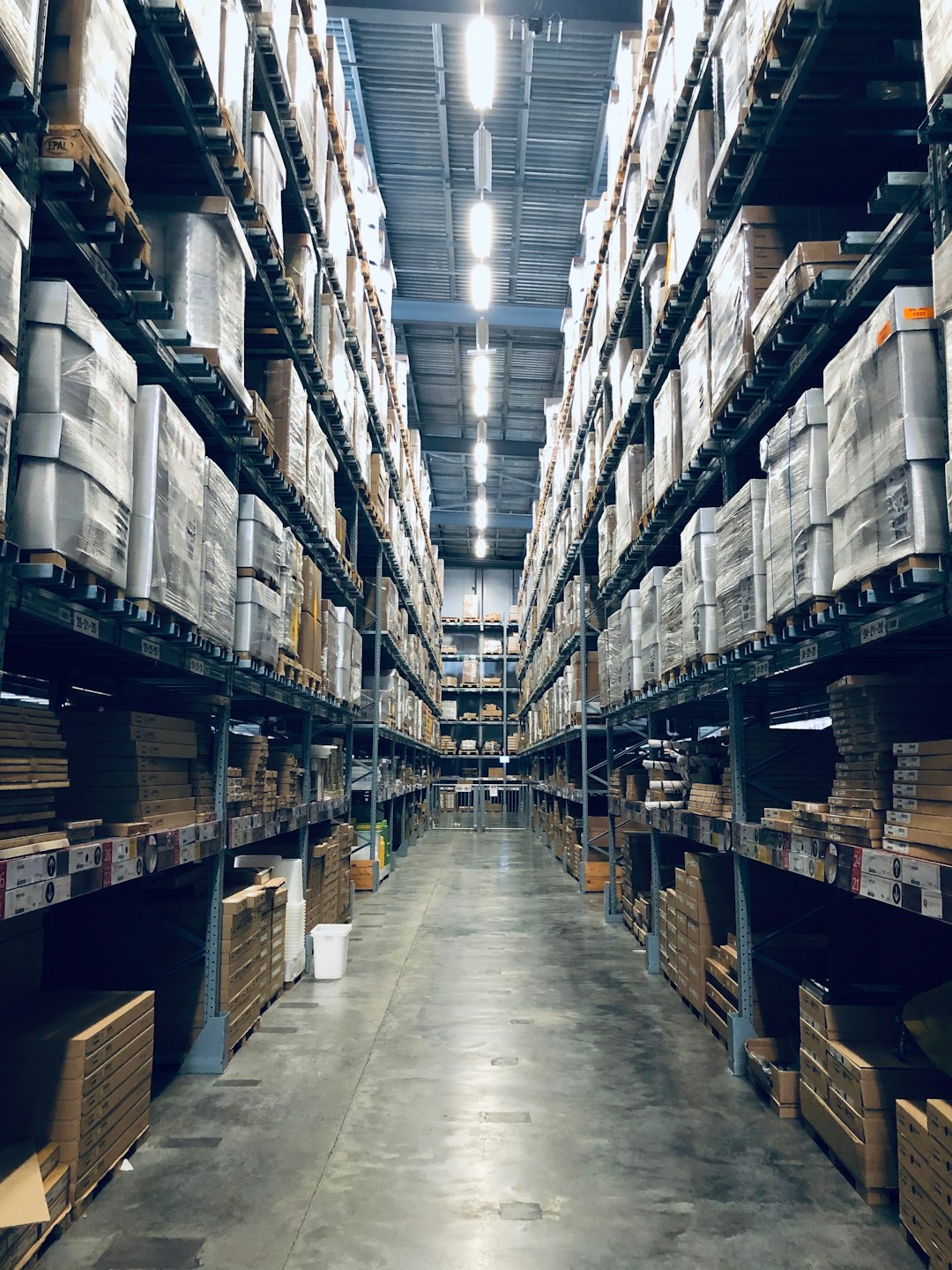
A professional 3PL can help address these issues by providing infrastructure that would be expensive for an individual merchant to build alone. This includes warehouse space, trained staff, inventory systems, shipping software, packaging processes, carrier relationships, and returns handling procedures.
Key reasons 3dcart merchants consider outsourcing fulfillment include:
- Scalability: A 3PL can usually handle seasonal demand, promotional spikes, and long-term order growth more effectively than a small in-house operation.
- Faster shipping: Providers with multiple warehouse locations can position inventory closer to customers, reducing delivery times.
- Operational consistency: Established fulfillment procedures help reduce errors in picking, packing, and shipping.
- Lower management burden: Merchants can spend more time on product development, marketing, and customer retention.
- Improved tracking and visibility: Integrated systems can provide order status updates, inventory counts, and shipment tracking.
How 3dcart and 3PL Integration Typically Works
The value of a 3PL depends heavily on how well it connects with the ecommerce platform. For 3dcart stores, integration usually involves syncing order data, customer shipping information, inventory levels, product SKUs, and tracking numbers. This can be handled through built-in integrations, middleware platforms, custom API connections, or file-based workflows, depending on the provider and the complexity of the store.
A typical workflow may look like this:
- A customer places an order on the 3dcart storefront.
- The order is transmitted to the 3PL fulfillment system.
- The 3PL verifies inventory availability and assigns the order for picking.
- Warehouse staff pick, pack, and label the shipment.
- The package is handed to a shipping carrier.
- Tracking information is sent back to the 3dcart store and, if configured, to the customer.
- Inventory levels are updated so the storefront reflects accurate stock availability.
When this process is properly configured, the merchant gains a more automated fulfillment pipeline. However, integration should never be treated casually. SKU structure, product variants, bundle rules, shipping methods, tax settings, and backorder policies should be reviewed before going live. Even a strong 3PL can experience problems if order data is incomplete or inconsistent.
Core Fulfillment Services Offered by 3PL Providers
Most 3PL companies offer a range of services, but not every provider is suited to every business model. A store selling lightweight apparel may need different services than a company selling fragile home goods, subscription boxes, refrigerated products, or oversized equipment. Before selecting a provider, 3dcart merchants should confirm that the 3PL can support their product type and customer expectations.
Common fulfillment services include:
- Receiving: The 3PL accepts inbound inventory from suppliers, manufacturers, or distributors.
- Storage: Products are stored in warehouse locations, often using bins, pallets, shelves, or specialized storage areas.
- Inventory management: The provider tracks stock levels, available units, damaged goods, and replenishment needs.
- Pick and pack: Warehouse staff select ordered products and prepare them for shipment.
- Shipping: The provider purchases postage or freight services and transfers shipments to carriers.
- Kitting and assembly: Some 3PLs combine multiple items into sets, bundles, promotional kits, or subscription boxes.
- Returns processing: Returned items are inspected, restocked, discarded, or flagged for further review.
- Custom packaging: Some providers support branded inserts, special packaging, gift messaging, or retail-ready presentation.
Benefits of 3PL Fulfillment for 3dcart Merchants
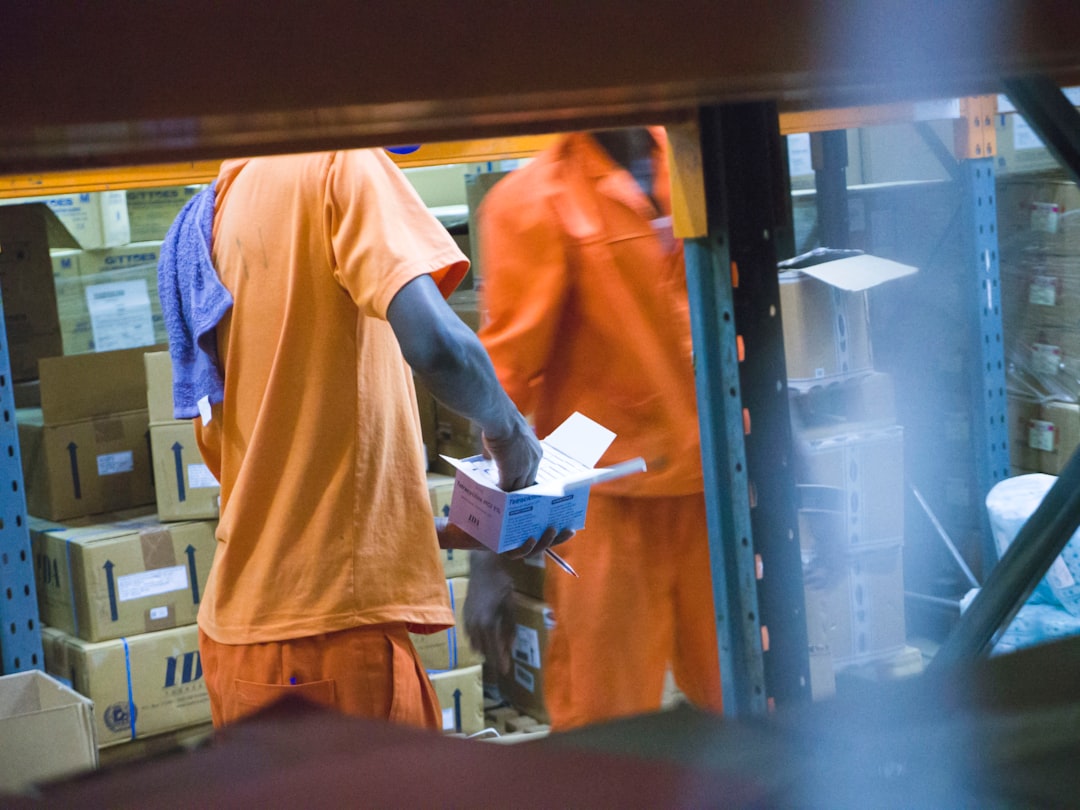
The most obvious benefit of outsourcing fulfillment is time savings, but the strategic value can be broader. A reliable 3PL can help a merchant create a more professional post-purchase experience. Customers may not know which company packed the order, but they will notice whether the package arrives on time, includes the correct items, and provides dependable tracking.
Shipping speed is one of the most important considerations. A 3PL with warehouses in multiple regions can help reduce delivery zones, which may lower shipping costs and improve estimated delivery windows. This can be especially useful for merchants selling nationwide.
Accuracy is another major benefit. Professional fulfillment centers use scanning systems, inventory controls, and standardized procedures to reduce errors. While no provider can guarantee perfection, an experienced 3PL should be able to provide performance metrics such as order accuracy, on-time shipping rate, and inventory accuracy.
Cost control can also improve, although outsourcing is not automatically cheaper in every case. Merchants should compare the full cost of in-house fulfillment, including rent, labor, packing materials, software, insurance, management time, and shipping rates. A 3PL’s fees may appear significant, but they can be reasonable when compared with the true cost of building logistics operations internally.
Evaluating 3PL Pricing and Contracts
3PL pricing can vary significantly. Merchants should request a detailed pricing proposal and review it carefully before signing an agreement. Important fees may include receiving fees, monthly storage fees, pick and pack fees, packaging fees, shipping charges, account management fees, minimum monthly charges, returns fees, and special project fees.
It is also important to understand contract terms. Some providers require long-term commitments, while others offer more flexible arrangements. Merchants should examine service level agreements, liability policies, inventory shrinkage terms, insurance requirements, termination clauses, and data ownership provisions.
When comparing providers, do not look only at the lowest quoted price. A cheaper provider may become expensive if it causes shipping delays, lost inventory, poor communication, or customer dissatisfaction. The better approach is to evaluate total value, operational reliability, system compatibility, and the provider’s experience with businesses similar to yours.
Choosing the Right 3PL Partner for a 3dcart Store
Selecting a fulfillment partner should be treated as a serious business decision. The 3PL will directly affect customer satisfaction, cash flow, inventory control, and brand reputation. Before making a decision, merchants should ask detailed questions and request documentation where appropriate.
Useful evaluation questions include:
- Does the provider integrate directly or reliably with 3dcart?
- How often are orders and inventory levels synchronized?
- What shipping carriers and service levels are available?
- Where are the warehouses located?
- What is the provider’s average order accuracy rate?
- How are damaged, missing, or incorrect shipments handled?
- Can the provider support product bundles, subscriptions, or custom packaging?
- What reporting dashboards or data exports are available?
- How quickly are support issues answered?
- Are there monthly minimums or long-term contract requirements?
Merchants should also consider whether the 3PL has experience in their industry. For example, health and beauty products, electronics, apparel, food items, and fragile merchandise may each require different handling procedures. Regulatory requirements, expiration dates, lot tracking, and quality control may also matter depending on the product category.
Implementation Best Practices
Moving from in-house fulfillment to a 3PL requires planning. The transition should be managed carefully to avoid stock discrepancies, order delays, and customer service problems. Before transferring inventory, merchants should clean up product data in 3dcart, confirm SKU naming conventions, verify weights and dimensions, and document packaging rules.
A phased implementation is often safer than an abrupt switch. Merchants may begin by sending a limited set of SKUs to the 3PL, testing order flow, confirming shipping calculations, and reviewing tracking updates. Once the process is stable, more inventory can be transferred.
Important implementation steps include:
- Audit product data: Confirm that SKUs, variants, barcodes, weights, and dimensions are accurate.
- Map shipping methods: Ensure the shipping options shown in 3dcart match the services the 3PL can fulfill.
- Test orders: Place internal test orders to verify data transmission and tracking updates.
- Set inventory rules: Decide how to handle backorders, low stock alerts, and out-of-stock products.
- Document special instructions: Provide clear guidance for packaging, inserts, fragile items, and returns.
- Monitor early performance: Review orders closely during the first several weeks.
Measuring Fulfillment Performance
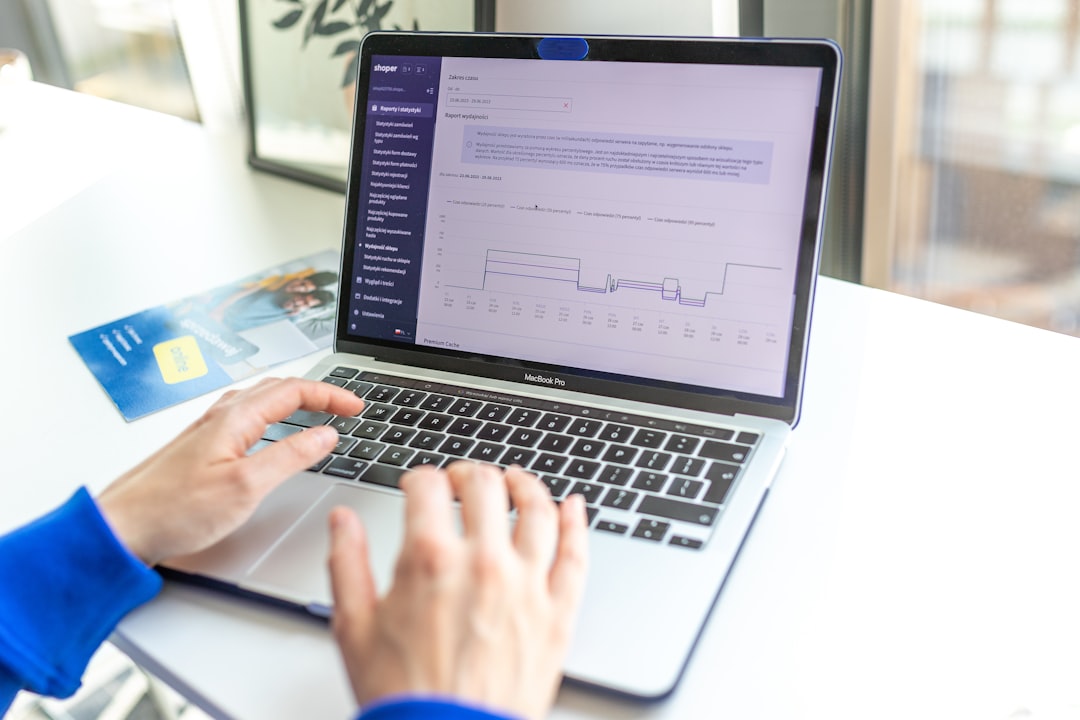
After implementation, merchants should monitor performance regularly. Fulfillment should not be a “set it and forget it” function. Reliable data helps identify problems early and supports better decisions about inventory planning, promotions, and customer communication.
Important metrics include:
- Order accuracy rate: The percentage of orders shipped with the correct items and quantities.
- On-time fulfillment rate: The percentage of orders shipped within the agreed processing window.
- Inventory accuracy: The degree to which system inventory matches physical inventory.
- Average shipping time: The time between carrier pickup and customer delivery.
- Return rate: The percentage of orders returned and the reasons for return.
- Cost per order: The combined fulfillment and shipping cost divided by total orders.
These metrics should be reviewed alongside customer feedback. If customers frequently report late packages, damaged items, unclear tracking, or incorrect shipments, the merchant should address the issue with the 3PL quickly and formally.
Risks and Practical Considerations
Outsourcing fulfillment offers meaningful advantages, but it also introduces dependency. Merchants lose some direct control over the physical handling of products. This is why clear procedures, reporting, communication standards, and accountability are essential.
Potential risks include integration failures, unexpected fees, inventory shrinkage, slow receiving times, poor packaging quality, and limited support during peak seasons. These risks can be reduced through careful provider selection, written service expectations, ongoing monitoring, and maintaining accurate internal records.
It is also wise to maintain contingency plans. For high-volume or mission-critical businesses, this may include backup inventory, secondary fulfillment locations, or documented procedures for temporarily handling urgent orders outside the 3PL workflow.
Conclusion
For 3dcart merchants, third party logistics services can provide a dependable path toward more scalable and professional ecommerce fulfillment. By outsourcing warehousing, order processing, shipping, and returns to a qualified provider, online businesses can reduce operational strain and improve the customer delivery experience.
The decision should be made carefully. The right 3PL partner should offer reliable integration with 3dcart, transparent pricing, strong inventory controls, responsive communication, and proven fulfillment performance. When implemented thoughtfully, 3PL fulfillment can become a significant operational advantage, helping ecommerce businesses serve customers more efficiently while focusing on sustainable growth.