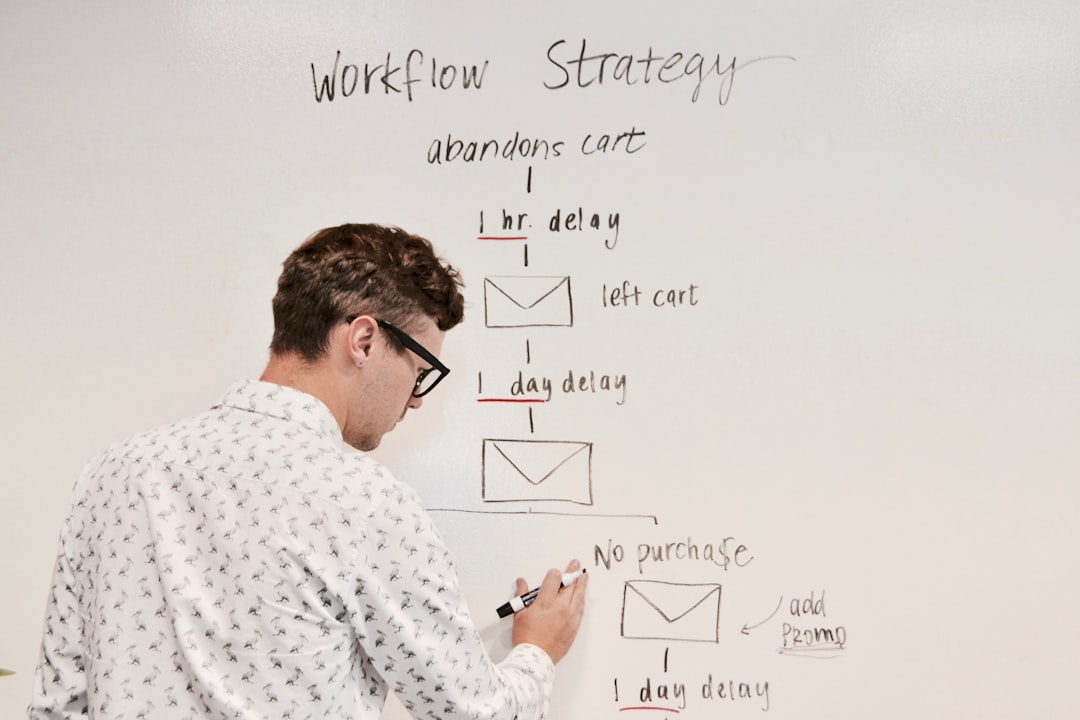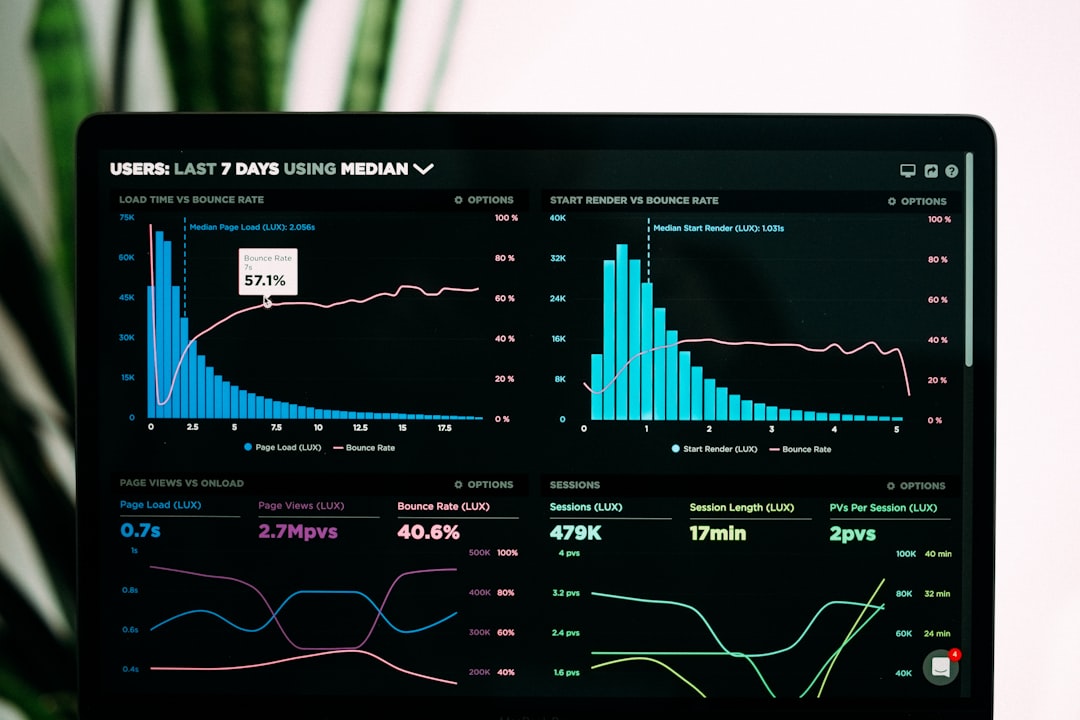
Work can feel like a kitchen during lunch rush. Everyone is busy. Timers beep. Orders fly in. Some people cook amazing food. Some people cook fast. The best teams learn how to do both. That is where proficiency and efficiency come in.
TLDR: Proficiency means you are good at a task. Efficiency means you can do it with less time, effort, or waste. A great worker is not only skilled, but also smart about how they use energy and resources. At work, both matter because quality and speed need to be friends, not enemies.
What Is Proficiency?
Proficiency is about skill. It means you know what you are doing. You can complete a task well. You can handle problems. You can explain your choices.
Think of a graphic designer. A proficient designer understands color, layout, fonts, and brand style. They do not just throw things on a page and hope for magic. They make choices on purpose.
Or think of a nurse. A proficient nurse knows how to check symptoms, give medicine, comfort patients, and notice warning signs. That skill can make a huge difference.
Proficiency comes from learning and practice. It grows when you:
- Study the basics.
- Practice often.
- Ask for feedback.
- Make mistakes and learn from them.
- Repeat tasks until they feel natural.
In simple words, proficiency answers this question: “Can you do the work well?”

What Is Efficiency?
Efficiency is about using resources wisely. The resources might be time, money, tools, energy, or materials. An efficient person gets the job done without wasting too much.
Think of the same designer. An efficient designer uses templates, clear file names, shortcuts, and organized folders. They do not spend 20 minutes hunting for “final final really final logo version 8.” We have all been there. It is not pretty.
Or think of a warehouse worker. An efficient worker knows the best route to pick items. They place popular products where they are easy to reach. They avoid extra steps.
Efficiency grows when you:
- Plan before you start.
- Remove useless steps.
- Use better tools.
- Automate repeat tasks.
- Track what slows you down.
In simple words, efficiency answers this question: “Can you do the work without wasting time or effort?”
The Key Difference
Here is the easiest way to see it:
- Proficiency is about quality and ability.
- Efficiency is about speed and smart use of resources.
A proficient person may create excellent work, but slowly. An efficient person may work fast, but not always well. The real goal is to build both.
Imagine two people making coffee at a café.
- Person A makes a perfect latte. The foam is art. The taste is dreamy. But it takes 12 minutes.
- Person B makes a latte in 90 seconds. But it tastes like warm sadness.
Neither one is ideal. The café needs a latte that is both good and quick. Customers want quality. They also do not want to grow old in line.

Workplace Examples
Let’s make this even clearer with simple workplace examples.
1. The Customer Support Agent
A proficient support agent understands the product. They can explain things in a calm and clear way. They solve real problems.
An efficient support agent uses saved replies, help articles, and smart ticket labels. They solve cases faster.
The best support agent does both. They answer quickly, but they do not sound like a robot trapped in a keyboard.
2. The Project Manager
A proficient project manager knows how to plan work, manage risks, and talk to people. They can spot trouble early.
An efficient project manager runs short meetings, uses clear task boards, and avoids endless status updates. They protect everyone’s time.
The best project manager keeps the project moving and the team sane. That is a rare and beautiful thing.
3. The Software Developer
A proficient developer writes clean code. They understand systems. They fix bugs without creating three new ones.
An efficient developer uses reusable code, testing tools, and automation. They do not rebuild the same wheel every Tuesday.
The best developer writes code that works well now and does not haunt the team later.
Why Proficiency Matters
Proficiency matters because quality matters. Bad work creates rework. Rework wastes time. It also annoys people.
If someone is not proficient, small mistakes can become big problems. A poorly written report can confuse leaders. A weak sales pitch can lose a deal. A bad safety check can put people at risk.
Proficiency builds trust. When people know you are skilled, they relax. They give you harder tasks. They ask for your view. They know you can handle it.
It also builds confidence. When you know your craft, work feels less scary. You still face challenges, but you have tools in your mental toolbox.
Why Efficiency Matters
Efficiency matters because time is limited. So is energy. So is budget. No team has infinite snacks, infinite hours, or infinite patience.
Efficient work helps teams move faster. It reduces stress. It helps people focus on important tasks instead of busywork.
It can also save money. If a process takes five hours but could take two, that extra time has a cost. If a team repeats the same manual task every day, automation may free them up for better work.
Efficiency is not about rushing. That is important. Rushing often causes mistakes. Real efficiency means finding a smarter path.
When One Is Missing
When proficiency is high but efficiency is low, work may be beautiful but slow. Deadlines slip. Costs rise. Simple tasks become dramatic events.
When efficiency is high but proficiency is low, work may be fast but messy. Mistakes pile up. Customers complain. The team spends more time fixing than creating.
Both cases cause pain. One feels like a slow luxury train. The other feels like a shopping cart rolling downhill. Exciting? Yes. Safe? Not really.
How to Build Both
The good news is that both can improve. You are not stuck with your current level forever.
To build proficiency:
- Take training seriously.
- Learn from skilled coworkers.
- Ask, “What does great work look like?”
- Review your mistakes without shame.
- Practice the parts that feel hard.
To build efficiency:
- Look for repeated tasks.
- Create checklists.
- Use templates.
- Cut steps that add no value.
- Batch similar work together.
Also, measure the right things. Do not only ask, “How fast was it done?” Ask, “Was it done well?” Do not only ask, “Was it perfect?” Ask, “Did it take more effort than needed?”
The Sweet Spot
The sweet spot is where skill meets smart process. That is where great work happens. People know what they are doing. They also know how to do it without wasting half the day.
A strong workplace cares about both. It trains people. It improves systems. It gives workers time to learn. It also removes silly roadblocks.
So, the next time someone says, “Work smarter, not harder,” add one more line: “And know what you are doing.”
That is the magic mix. Be proficient. Be efficient. Make the latte taste good. And please, make it before the customer turns into a skeleton.