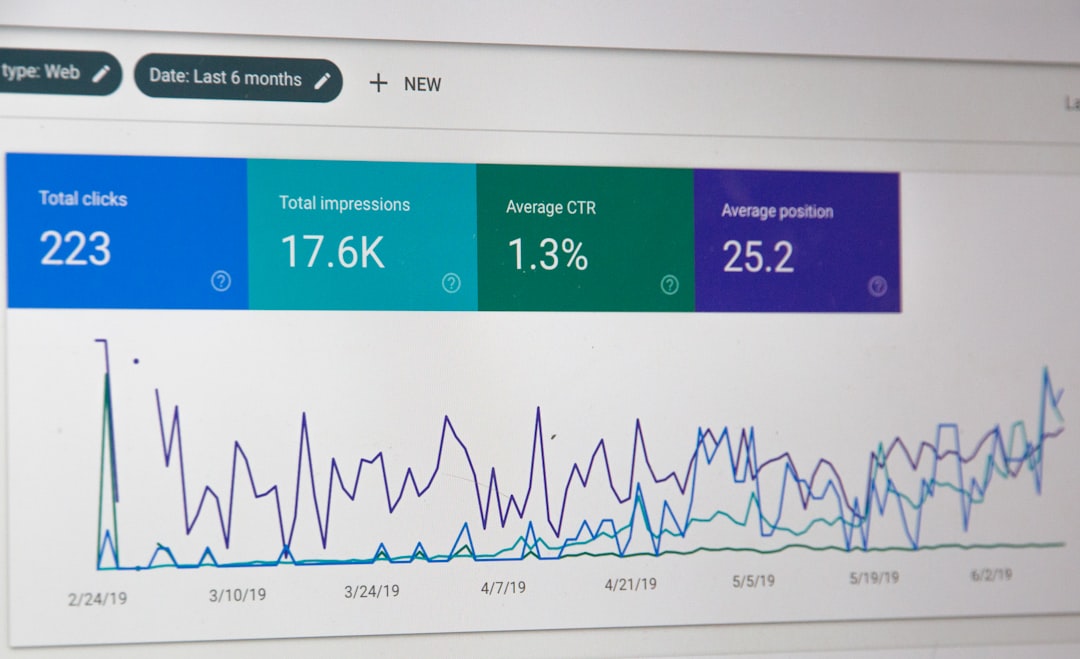
Microsoft Bing is often overlooked in search strategy, yet it can deliver valuable organic traffic, especially for businesses targeting desktop users, professionals, older demographics, and audiences using Microsoft Edge, Windows, and Copilot-powered search experiences. A strong Bing SEO strategy does not require abandoning Google-focused work; instead, it adds a few platform-specific improvements that help websites perform better across Microsoft’s search ecosystem.
TLDR: Bing SEO works best when a website has strong technical foundations, clear content structure, trustworthy signals, and properly submitted indexing data. Site owners should use Bing Webmaster Tools, optimize for exact keyword relevance, improve on-page metadata, and build credible backlinks. Bing also places noticeable value on social signals, multimedia content, and transparent business information.
Why Bing SEO Matters
Bing may have a smaller global search market share than Google, but it remains an important channel for many industries. It powers search results across Microsoft products, including Microsoft Edge, Windows search, Yahoo search in some regions, and parts of AI-assisted search experiences. For brands competing in crowded Google results, Bing can provide an additional path to visibility with less competition.
Bing users also tend to show strong commercial intent in several categories, including finance, software, education, business services, travel, and ecommerce. Because many organizations focus primarily on Google, websites that intentionally optimize for Bing may gain an advantage by following clear best practices and using tools such as SEO reports in Google Data Studio to monitor performance and identify opportunities across search channels.

1. Set Up Bing Webmaster Tools
The first step in Bing SEO is connecting the website to Bing Webmaster Tools. This free platform helps site owners monitor indexing, search performance, crawl issues, backlinks, keyword data, and technical SEO problems.
Key actions include:
- Verifying site ownership through DNS, meta tag, XML file, or Google Search Console import.
- Submitting XML sitemaps to help Bing discover important pages faster.
- Using URL submission for new or updated content that should be indexed quickly.
- Reviewing SEO reports to identify missing tags, crawl errors, or page quality issues.
- Monitoring backlinks to understand authority signals and potential spam risks.
Bing also supports IndexNow, a protocol that alerts search engines when content is added, updated, or removed. Websites that publish frequently can benefit from faster discovery by implementing IndexNow through a plugin, CDN integration, or direct API connection.
2. Build a Strong Technical SEO Foundation
Bing, like other search engines, needs to crawl and understand a website efficiently. Technical SEO problems can limit visibility even when the content is strong. A Bing-friendly website should be easy to access, fast to load, and clearly organized.
Important technical factors include:
- Clean URL structure: URLs should be descriptive, readable, and consistent.
- Mobile usability: Pages should work well on mobile devices, even though Bing has a strong desktop audience.
- Fast loading speed: Compressed images, caching, and efficient code help improve user experience.
- Secure browsing: HTTPS is expected for modern websites.
- Proper canonical tags: These help prevent duplicate content confusion.
- Robots.txt accuracy: Important pages should not be accidentally blocked.
Bing’s crawler, Bingbot, should be allowed to access core resources such as CSS, JavaScript, and images. If these files are blocked, Bing may struggle to understand page layout and relevance.
3. Optimize On-Page Elements for Relevance
Bing tends to respond well to clear keyword relevance. While keyword stuffing should always be avoided, pages should use target terms naturally in important locations. This helps Bing understand the main topic of a page.
Important on-page elements include:
- Title tags: The main keyword should appear naturally, ideally near the beginning.
- Meta descriptions: These should summarize the page and encourage clicks from search results.
- Headings: H1, H2, and H3 tags should create a logical content hierarchy.
- Opening paragraphs: The page topic should be clear early in the content.
- Image alt text: Descriptive alt text helps Bing understand visual content.
- Internal links: Relevant internal links guide users and search engines to related pages.
Unlike vague or overly creative optimization, Bing often rewards pages that communicate their subject directly. A page about “small business accounting software,” for example, should clearly use that phrase and related terms where appropriate.

4. Create High-Quality, Trustworthy Content
Bing values useful, original, and well-structured content. Pages should answer search intent thoroughly rather than repeating keywords without substance. For informational queries, this may mean explanations, examples, comparison tables, diagrams, or step-by-step guidance. For commercial pages, it may mean clear product details, pricing information, reviews, policies, and support options.
Trust signals are especially important. A website should include visible information about the business, editorial standards, author credentials where relevant, and contact details. For industries such as health, finance, legal, or security, credibility becomes even more important because users need reliable information before making decisions.
Content should also be refreshed regularly. Bing may favor pages that remain accurate, especially for topics affected by product changes, legal updates, pricing shifts, or technology trends. Updating old content can be an efficient way to improve rankings without creating entirely new pages.
5. Use Structured Data
Structured data helps Bing interpret page content and may improve eligibility for rich results. Schema markup can identify products, reviews, recipes, articles, organizations, events, FAQs, breadcrumbs, and more.
Useful schema types include:
- Organization schema for company identity and contact information.
- Product schema for ecommerce pages.
- Article schema for blogs, news, and editorial content.
- FAQ schema for question-and-answer sections.
- Breadcrumb schema for clearer site hierarchy.
Structured data should match visible page content. Misleading or hidden markup can create trust issues and may prevent search engines from using the data.
6. Earn Quality Backlinks and Mentions
Backlinks remain an important ranking signal for Bing. However, quality matters more than quantity. Links from authoritative, relevant websites can help Bing assess trust and popularity. Spammy link schemes, paid link networks, and irrelevant directories may create risk instead of value.
Effective link-building methods include publishing original research, creating useful tools, earning media coverage, contributing expert commentary, forming industry partnerships, and building resources that others naturally reference. Local businesses can also benefit from reputable local directories, chambers of commerce, sponsorship pages, and community websites.
7. Pay Attention to Social Signals
Bing has historically been more open than Google about considering social signals as part of its understanding of popularity and authority. While social media activity is not a substitute for technical SEO or strong content, it can support visibility by increasing engagement, branded searches, and content discovery.
Brands should maintain consistent profiles on relevant social platforms, share valuable content, encourage legitimate engagement, and make pages easy to share. Strong social presence can reinforce brand credibility, especially when profiles are active and aligned with the website’s identity.
8. Optimize for Local Bing Search
Businesses serving specific locations should claim and optimize listings in Bing Places for Business. Accurate local information helps Bing show the business in map results and local search packs.
Local optimization should include:
- Consistent name, address, and phone number across the web.
- Correct business categories and service areas.
- High-quality photos of the business, team, products, or location.
- Accurate opening hours, including holiday updates.
- Customer reviews from trusted platforms.
9. Improve Click-Through Rate and User Experience
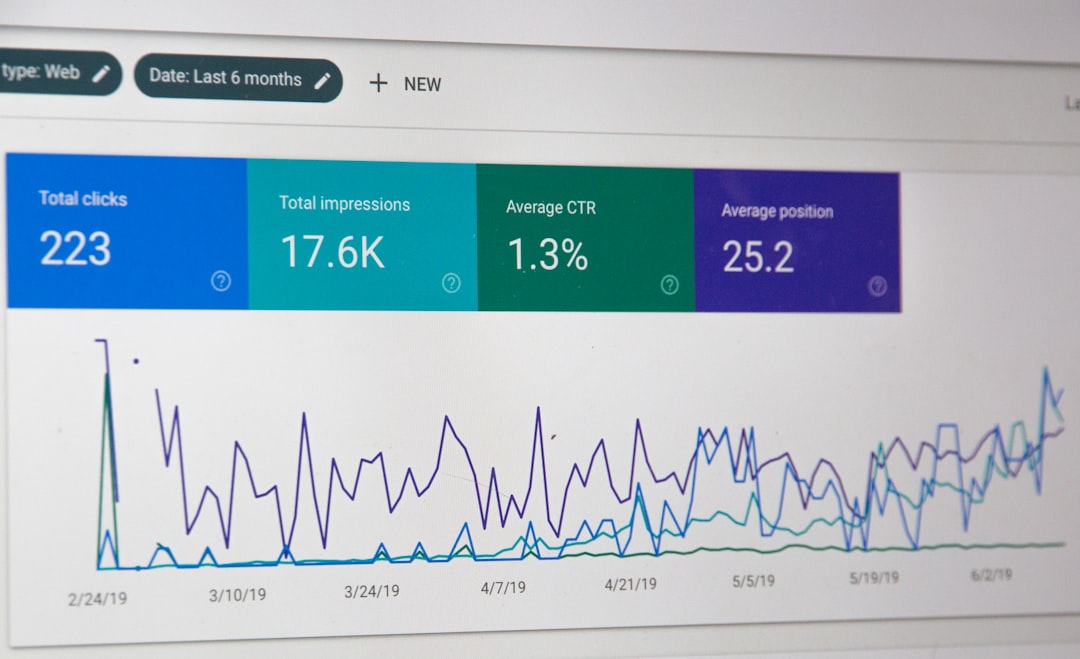
Ranking is only part of search success. Pages must also attract clicks and satisfy visitors. Strong title tags and meta descriptions can improve click-through rate, while helpful content and clear navigation can reduce bounce behavior.
A good Bing SEO page should have a clear purpose, readable formatting, accessible design, and logical calls to action. Images and videos can also improve engagement when they support the content instead of distracting from it. Bing’s image and video search can drive additional traffic, so media files should be named descriptively, compressed properly, and supported with relevant alt text or captions.
FAQ
Is Bing SEO different from Google SEO?
Yes, but the foundations are similar. Both search engines value crawlability, quality content, backlinks, and user experience. Bing may place slightly more emphasis on exact keyword relevance, social signals, multimedia optimization, and transparent site information.
How can a website get indexed faster on Bing?
Site owners should submit an XML sitemap through Bing Webmaster Tools, use URL submission, and implement IndexNow for faster notification of new or updated content.
Does Bing use backlinks as a ranking factor?
Yes. Bing considers backlinks when evaluating authority and trust. High-quality, relevant links are beneficial, while manipulative or spammy links can harm performance.
Is Bing Places important for local SEO?
Yes. Local businesses should claim and optimize their Bing Places for Business listing to improve visibility in Bing Maps and local search results.
How often should content be updated for Bing SEO?
Content should be updated whenever information becomes outdated or incomplete. Regular reviews are especially important for competitive, technical, financial, legal, and product-based topics.