Use Zelle for fast U.S. bank-to-bank payments between people you trust, and use Wise for international transfers, currency conversion, and clearer fee control. Zelle processed more than $1 trillion in payments in 2024, which shows how deeply it is built into U.S. banking apps [source: Zelle]. Wise, by contrast, is built for sending money across borders, often with upfront fees and exchange rates shown before you pay.
TLDR: If you are paying your roommate $900 for rent from one U.S. bank account to another, Zelle is usually the better choice because it is quick and often free. If you are sending $1,000 to family in Mexico, the UK, India, or the Philippines, Wise is usually the stronger option because you can see the exchange rate and fees before confirming. A typical Zelle transfer may arrive in minutes, while an international Wise transfer may take minutes to a few business days depending on funding method, currency, and local banking hours. The key rule is simple: Zelle for domestic trust-based transfers, Wise for cross-border money movement.
The Core Difference Between Zelle and Wise
Zelle is a U.S. payment network tied to participating banks and credit unions. You usually use it inside your bank’s mobile app. It sends money from one U.S. bank account to another, often within minutes.
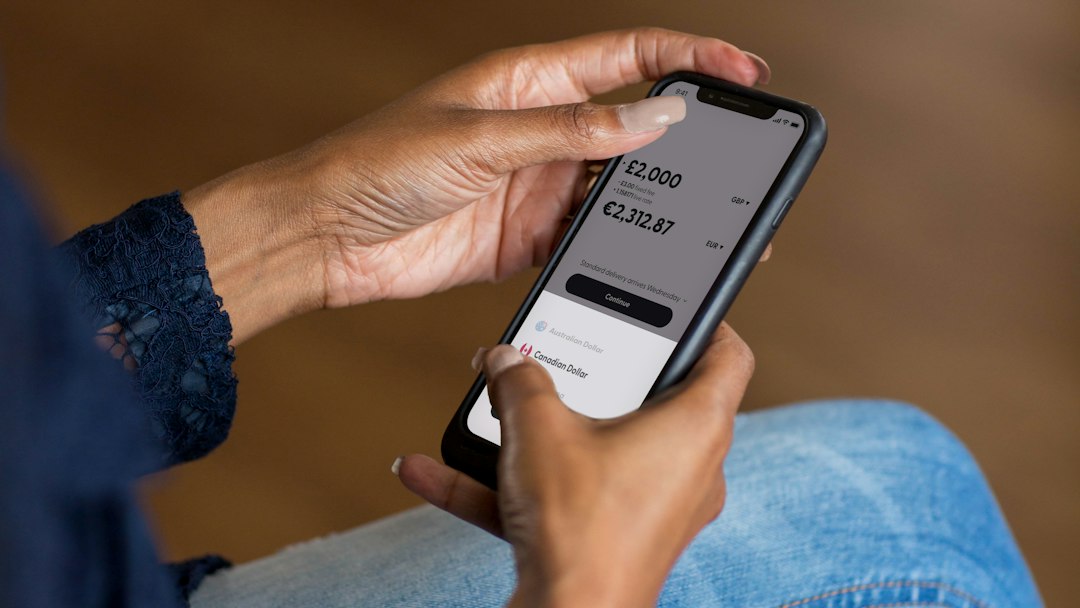
Wise is a money transfer company focused on international payments. It supports many currencies and lets users send money to bank accounts in other countries. Wise also offers a multi-currency account in some markets.
That difference matters. Zelle is not really trying to solve the same problem as Wise. Zelle is for domestic person-to-person transfers. Wise is for people dealing with borders, currencies, and exchange rates.
When Zelle Makes More Sense
Zelle is usually the right choice when all of these are true:
- You and the recipient both bank in the United States.
- You know and trust the person.
- You want the money to arrive quickly.
- You do not need currency conversion.
- You are sending a personal payment, not buying from a stranger.
Common Zelle use cases include splitting rent, paying a friend back for dinner, sending money to a child at college, or reimbursing a family member for tickets.
The main appeal is speed. In many cases, money is available in minutes. There is no separate international transfer account to open if your bank already supports Zelle. You just open your banking app, choose Zelle, select the recipient, enter the amount, and send.
The catch is that Zelle payments can be hard to reverse. If you send money to the wrong phone number or email address, getting it back can be painful. If you send money to a scammer, your bank may not treat it like unauthorized card fraud. That can feel harsh, but it is how many real-time payment tools work.
When Wise Is the Better Choice
Wise is usually better when your transfer involves another country or another currency. It is useful for immigrants supporting family abroad, freelancers getting paid by foreign clients, students paying overseas bills, and small businesses paying contractors in other countries.
Wise shows the fee before you send. It also shows the exchange rate. That transparency matters because small exchange-rate differences can quietly cost real money.
For example, if you send $2,000 internationally and one provider gives you an exchange rate that is 2% worse than the market rate, that difference is about $40. It may not appear as a separate fee, but the cost is still there. This is where Wise often feels cleaner. You can see what is being charged and what the recipient should get.

Speed: Zelle Is Faster for U.S. Transfers
For domestic U.S. transfers, Zelle often wins on speed. If both users are enrolled and their banks support quick delivery, the transfer can arrive within minutes. That is hard to beat.
Wise can also be fast, especially for some common currency routes. Still, speed depends on more variables. Funding with a debit card may be faster than a bank debit. Some currencies settle quickly. Others depend on local clearing systems. Weekends and holidays can slow things down.
Honestly, it feels like the annoying part with international transfers is not starting the payment. It is waiting for the receiving bank to process it. Sometimes the app says the money arrived, but the recipient still cannot see it for several hours. Expect that gap in some countries.
Fees: Zelle Often Costs Nothing, Wise Shows the Cost
Many banks do not charge consumers to use Zelle. That makes it attractive for everyday transfers. Still, you should check your bank’s terms. Business accounts may have different rules.
Wise charges fees, but it shows them upfront. The total cost depends on the amount, currency, payment method, and destination. Paying from a bank account is often cheaper than paying with a card.
The key comparison is not “free versus paid.” It is domestic convenience versus international transparency. Zelle may be free for a $300 payment to your brother in Ohio. Wise may save money on a $3,000 transfer to Europe because the exchange rate is clearer.
Safety and Fraud Risk
Zelle should be treated like digital cash. Send only to people you know. Confirm the phone number or email address before you tap send. If a seller pressures you to use Zelle for concert tickets, electronics, rent deposits, or pets, stop and reconsider.
Wise has its own security checks, identity verification, and account review process. That can slow things down. It may feel irritating when Wise asks for documents, but those checks are part of compliance rules for international money movement.
Neither service should be used casually with strangers. Zelle is riskier for marketplace purchases because transfers are fast and difficult to unwind. Wise is better for known international recipients, contractors, schools, landlords, or family members.
Transfer Limits and Account Access
Zelle limits are usually set by your bank. One bank may allow a few hundred dollars per day. Another may allow several thousand. New users may face lower limits at first.
Wise limits vary by country, payment method, and verification status. Larger transfers may require extra checks. This is normal for regulated financial services. If you are sending a large amount, do not wait until the last hour. Build in time for review.
This matters for real payments. A $75 dinner split is easy with Zelle. A $25,000 overseas tuition payment is a very different job. Wise is more suitable for that second case, but you should prepare documents and verify recipient details early.
Best Choice by Situation
- Paying a friend in the U.S.: Choose Zelle.
- Splitting rent with a U.S. roommate: Choose Zelle, if you trust them and both banks support it.
- Sending money to family abroad: Choose Wise.
- Paying an overseas freelancer: Choose Wise.
- Buying from a stranger online: Avoid Zelle. Use a payment method with buyer protection.
- Moving money between your own U.S. bank accounts: Zelle may work, but ACH transfer may be better for records and higher limits.
- Sending money in another currency: Choose Wise.
Practical Checklist Before You Send
- Confirm the recipient’s full details. One wrong digit can cause a serious problem.
- Check fees and exchange rates. With Wise, review the final amount the recipient gets.
- Check transfer limits. Banks may restrict Zelle amounts.
- Do not rush under pressure. Scammers often create urgency.
- Keep records. Save receipts, screenshots, invoices, and confirmation numbers.
Bottom line: Zelle is the better tool for quick, trusted transfers inside the United States. Wise is the better tool for international transfers, currency conversion, and payments where fee clarity matters. Pick based on the job, not on brand familiarity. A fast domestic tool is not automatically the right tool for sending money across borders.