The best OBD-II scanner app for separating a P0300 from a P0171 is one that shows freeze-frame data, live fuel trims, misfire counters, and pending codes, not just a plain code definition. P0300 means the engine has a random or multiple cylinder misfire. P0171 means the engine is running too lean on bank 1. Both can make a car shake, hesitate, or trigger the check engine light, but they point to different testing paths. OBD-II has been required on most light-duty vehicles sold in the United States since the 1996 model year [source: EPA], which is why a good app can pull useful data from many cars.
TLDR: If you need one app for P0300 and P0171 diagnosis, pick one that graphs short-term fuel trim, long-term fuel trim, oxygen sensor data, RPM, and misfire data. For example, if a 2012 Toyota shows P0171 with long-term fuel trim at +24% at idle but only +6% at 2,500 RPM, that strongly suggests a vacuum leak rather than a bad fuel pump. For P0300, the app should show which cylinders are misfiring, if your vehicle reports that data. Car Scanner ELM OBD2, OBD Auto Doctor, BlueDriver, and Torque Pro are the apps most worth checking, depending on your phone, adapter, and skill level.
What P0300 Really Means
P0300 is a random or multiple cylinder misfire code. The engine control module has detected crankshaft speed changes that suggest combustion is not happening correctly in more than one cylinder, or that the misfire pattern is not tied to just one cylinder.
Common causes include:
- Worn spark plugs
- Weak ignition coils
- Vacuum leaks
- Low fuel pressure
- Dirty or failing fuel injectors
- Compression problems
- EGR faults
- Bad mass airflow sensor readings
The annoying part is that a cheap code reader may only show “P0300 Random Misfire.” That is not enough. It tells you the engine is unhappy, but not why. Expect to waste time if the app cannot show freeze-frame data or live misfire information.
What P0171 Really Means
P0171 means the engine is running lean on bank 1. In plain terms, the engine has too much air, not enough fuel, or bad sensor data that makes the computer think the mixture is lean.
Common causes include:
- Vacuum leak after the mass airflow sensor
- Cracked intake boot
- Weak fuel pump
- Clogged fuel filter
- Dirty mass airflow sensor
- Exhaust leak near the oxygen sensor
- Faulty upstream oxygen sensor
- PCV system leak
For this code, fuel trim data matters more than the code definition. A good app lets you watch STFT and LTFT. STFT means short-term fuel trim. LTFT means long-term fuel trim. Positive numbers mean the computer is adding fuel. If trims are very positive, the engine is trying to correct a lean condition.
P0300 vs P0171: The Core Difference
| Code | Meaning | Main Clue | Best App Data |
|---|---|---|---|
| P0300 | Random or multiple misfire | Shaking, rough idle, flashing check engine light | Misfire counters, RPM, freeze-frame, cylinder data |
| P0171 | System too lean, bank 1 | High positive fuel trims, lean oxygen sensor readings | STFT, LTFT, MAF, O2 sensor voltage, fuel pressure if supported |
A P0171 can even cause a P0300. That is where people get burned. They replace spark plugs and coils, then the misfire comes back because the real problem was a split intake hose. Honestly, it feels like many basic scanner apps are built to sell parts, not to solve the fault.
Which OBD-II Scanner App Helps Most?
For most drivers, Car Scanner ELM OBD2 is the best first choice. It works with many Bluetooth and Wi-Fi adapters, shows live data clearly, and lets users build dashboards for fuel trims, oxygen sensors, RPM, coolant temperature, and mass airflow. That makes it useful for both P0300 and P0171.
BlueDriver is better for drivers who want repair reports and less manual interpretation. It pairs with its own adapter, which reduces connection headaches. Its reports can be helpful, but you are tied to that hardware.
OBD Auto Doctor is a solid choice for cleaner data review and emissions readiness checks. It feels more clinical. That can be good if you want fewer distractions.
Torque Pro is still popular with Android users. It is flexible and powerful, but the setup can feel dated. It may take extra time to create useful dashboards. On some phones, pairing a cheap adapter takes 30 to 60 seconds longer than it should. Small annoyance, big headache when you are testing a warm engine.

Best App Features for P0300 Diagnosis
For P0300, do not stop at the stored code. Look for an app that supports the following:
- Freeze-frame data: Shows engine conditions when the code was set.
- Pending codes: Catches early misfire patterns before the light stays on.
- Mode 6 data: May show misfire counts by cylinder on some vehicles.
- RPM and load graphs: Shows whether misfire occurs under load, at idle, or during acceleration.
- Fuel trim readings: Helps spot lean conditions that trigger misfires.
If the check engine light is flashing, stop driving unless you are moving to a safe location. A severe misfire can overheat and damage the catalytic converter. That can turn a small repair into a very expensive one.
Best App Features for P0171 Diagnosis
For P0171, the app must graph fuel trims. A single snapshot is weaker than a graph because lean faults often change with RPM.
Use this simple test pattern:
- Warm the engine fully.
- Check STFT and LTFT at idle.
- Raise engine speed to about 2,500 RPM.
- Compare the fuel trim numbers.
If fuel trims are high at idle and improve at 2,500 RPM, suspect a vacuum leak. If trims stay high at both idle and higher RPM, suspect fuel delivery, a dirty MAF sensor, or incorrect air measurement. Many manufacturers consider fuel trims near zero normal, while large positive corrections often point to a lean fault [source: Motor].
Do You Need a Paid App?
For reading and clearing codes, a free app may be enough. For real diagnosis, paid features are often worth it. The difference is not the code definition. The difference is the data around the code.
A free tool may tell you:
- P0300: Random misfire detected
- P0171: System too lean bank 1
A better tool may show:
- LTFT at +22%
- Misfire counts rising on cylinders 2 and 4
- Coolant temperature at 186°F
- Engine load at 38%
- Code set during light throttle acceleration
That extra data changes the repair plan. It can stop you from replacing parts by guesswork.
Adapter Quality Matters More Than People Think
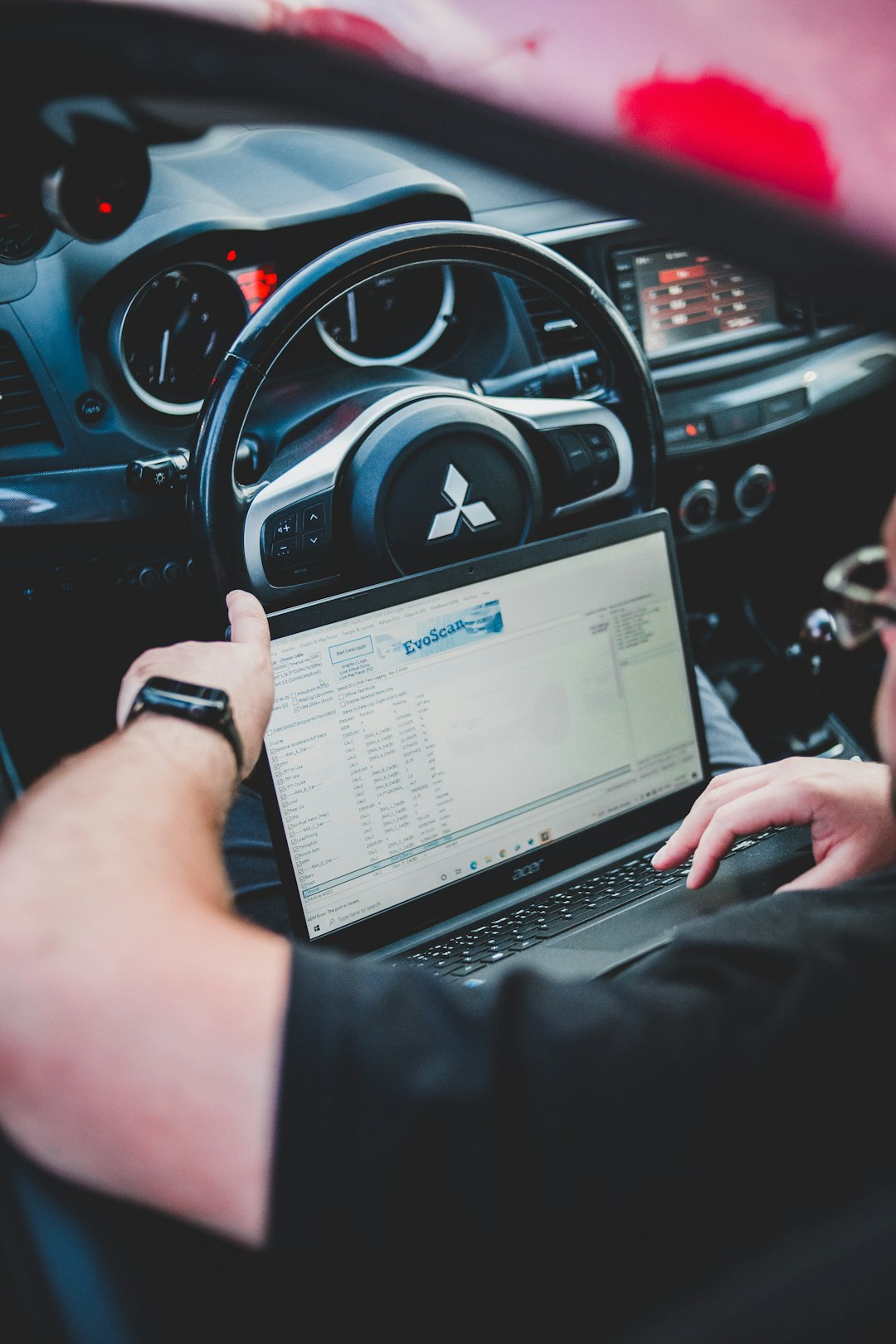
The app is only half the tool. The OBD-II adapter matters too. Very cheap ELM327-style adapters can drop connections, report slowly, or fail to support some data modes. That is a real problem when chasing a misfire that appears for only a few seconds.
For serious checks, use a known adapter with good app support. BlueDriver uses its own adapter. Car Scanner, Torque Pro, and OBD Auto Doctor depend more on the adapter you choose. If live data refreshes slowly, your diagnosis suffers.
What to Choose
Choose Car Scanner ELM OBD2 if you want the best mix of live data, broad support, and low cost. It is the strongest general pick for comparing P0300 and P0171 symptoms.
Choose BlueDriver if you want guided repair information and do not mind buying its adapter. It is a good choice for owners who want fewer settings to manage.
Choose Torque Pro if you use Android and like custom dashboards. It is powerful, but not the easiest tool for beginners.
Choose OBD Auto Doctor if you want a clean interface and useful emissions data without too much clutter.
Final Recommendation
For P0300, focus on misfire data, freeze-frame conditions, and cylinder patterns. For P0171, focus on fuel trims, oxygen sensor behavior, MAF readings, and vacuum leak clues. The best OBD-II scanner app is not the one with the longest code library. It is the one that helps you connect the code to real engine behavior.
If you are diagnosing both codes on the same vehicle, start with P0171 data first. A lean condition can create random misfires. Fixing the air or fuel problem may clear both codes and save you from buying coils, plugs, and sensors you did not need.