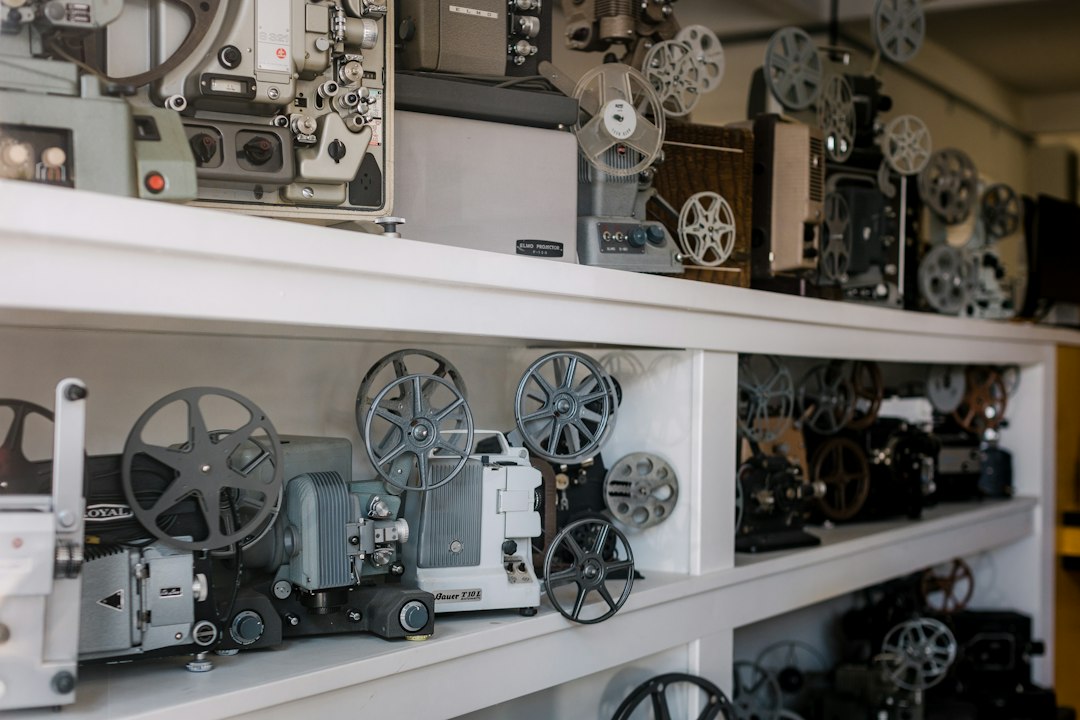
The safest shortlist is Internet Archive, Library of Congress, Public Domain Movies, and Classic Cinema Online. They give you the best mix of access, age, variety, and basic rights clarity. For U.S. viewers, films published before 1930 are often a safer starting point because of the older 95-year copyright term rule [source: Cornell University].
TLDR: Start with the Library of Congress if you want the cleanest, most reliable experience. Use Internet Archive when you want the largest library, but check the item notes before trusting the rights claim. For example, a film fan planning a 10-movie silent cinema weekend could find most of the titles on these four sites in under 30 minutes. Expect quality to vary, especially with older uploads and low-resolution transfers.
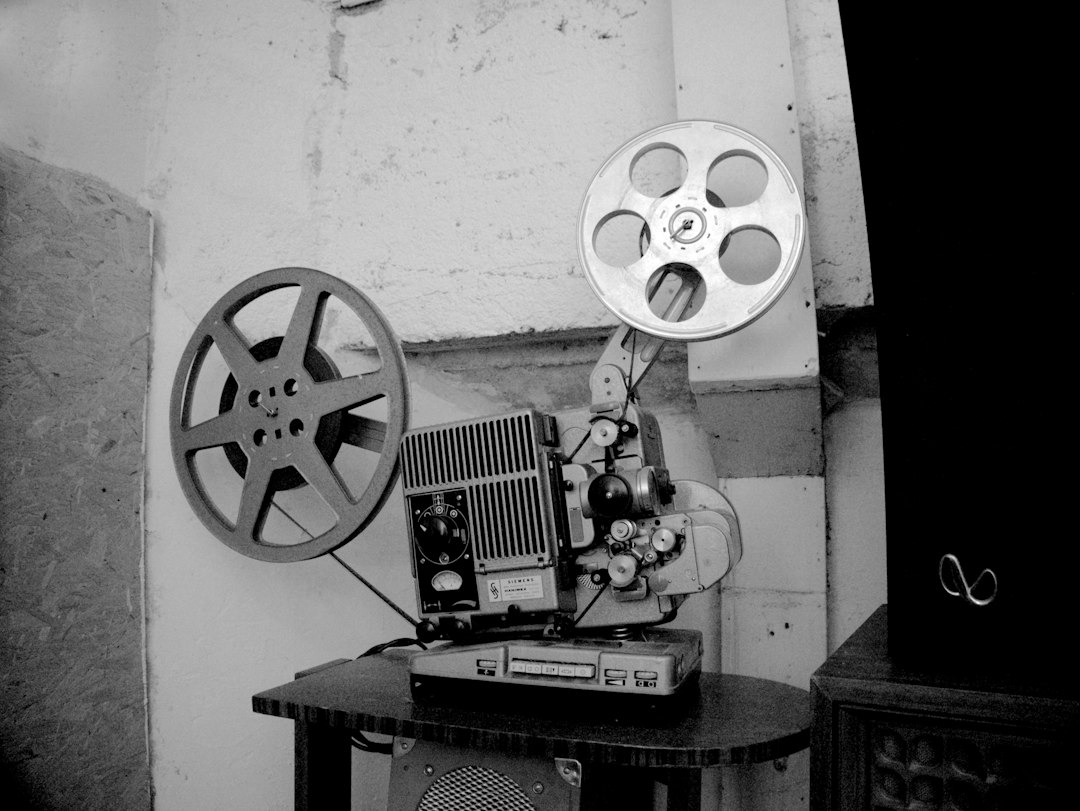
Our Shortlist: 4 Serious Sites for Public-Domain Films
Public-domain film streaming sounds simple. It is not always that clean. Some uploads are legal. Some are mislabeled. Some films are public domain, but a restored version may have new protected elements. That can include a new score, color work, or a modern introduction.
So this list favors sites that are useful, known, and reasonably transparent. None are perfect. Still, they are better than random video channels with vague titles like “free classic movie full HD.”
1. Internet Archive
Internet Archive is the biggest option on this list. It hosts an enormous film and video collection, including silent films, noir, early animation, educational shorts, newsreels, and old TV material.
Best for: people who want volume and rare finds.
The search tools are powerful, but they can also be messy. Honestly, it feels like you need to spend an extra 20 seconds on every title checking the upload page, metadata, and file quality. That is not a dealbreaker. It is just part of using a huge public archive.
- Strength: massive catalog with many download options.
- Weak spot: rights labels and quality can vary by uploader.
- Good starting point: silent films, old educational films, and early horror.
Use Internet Archive when you already know the title you want. It is great for films such as Night of the Living Dead, many Buster Keaton shorts, and early cinema collections. Still, read the notes before using a film for public events, school projects, or commercial work.
2. Library of Congress National Screening Room
The Library of Congress National Screening Room is the most serious pick here. It is not as large as Internet Archive, but it is curated and stable. That matters.
Best for: students, teachers, researchers, and careful viewers.
The collection includes historic films, early documentaries, newsreels, silent works, home movies, and rare recordings. Many items include helpful notes about the film, date, creator, and rights status [source: Library of Congress].
- Strength: strong context and reliable catalog details.
- Weak spot: smaller selection than open upload sites.
- Good starting point: early American film, news footage, and public history material.
This is the site to use when accuracy matters more than speed. It is also good for classroom use because many pages give enough background to help viewers understand what they are watching.
3. Public Domain Movies
Public Domain Movies is simpler than the first two options. The appeal is clear: it is built around films that are presented as public domain. You can browse by genre, title, or era without digging through a giant archive catalog.
Best for: casual watching and quick browsing.
The site is useful if you want a classic movie tonight and do not want to sift through thousands of unrelated files. Expect older horror, comedy, drama, westerns, and science fiction. The interface is plain, but that can be a plus. It gets out of the way.
- Strength: quick access and simple browsing.
- Weak spot: less background detail than museum or library sites.
- Good starting point: genre films and well-known public-domain classics.
It drives me crazy when sites bury the actual play button under ads or pop-ups. This site is not perfect, but it is usually easier than roaming the open web and hoping a random upload is legitimate.
4. Classic Cinema Online
Classic Cinema Online is another practical choice for classic film fans. It focuses on older movies and TV, with categories that make browsing simple. The site is not a formal archive, so treat it as a viewing guide rather than a legal authority.
Best for: relaxed viewing and discovering older titles by genre.
You will find familiar public-domain staples, including old crime films, westerns, serials, and comedies. It is a good weekend browsing site. It is less ideal if you need firm rights proof for a screening, edit, or publication.
- Strength: easy genre browsing.
- Weak spot: limited rights context.
- Good starting point: casual classic movie nights.

How to Watch Without Getting Burned
- Check the date. Older does not always mean public domain, but it helps.
- Read the page notes. Look for rights, uploader details, and file history.
- Be careful with restorations. A public-domain film can be paired with newer protected music or edits.
- Use stricter sources for public use. For schools, events, or business, prefer Library of Congress or another formal archive.
Best overall pick: Library of Congress for trust, Internet Archive for range, Public Domain Movies for speed, and Classic Cinema Online for easy browsing. Together, they cover most needs without sending you into the worst parts of the web.