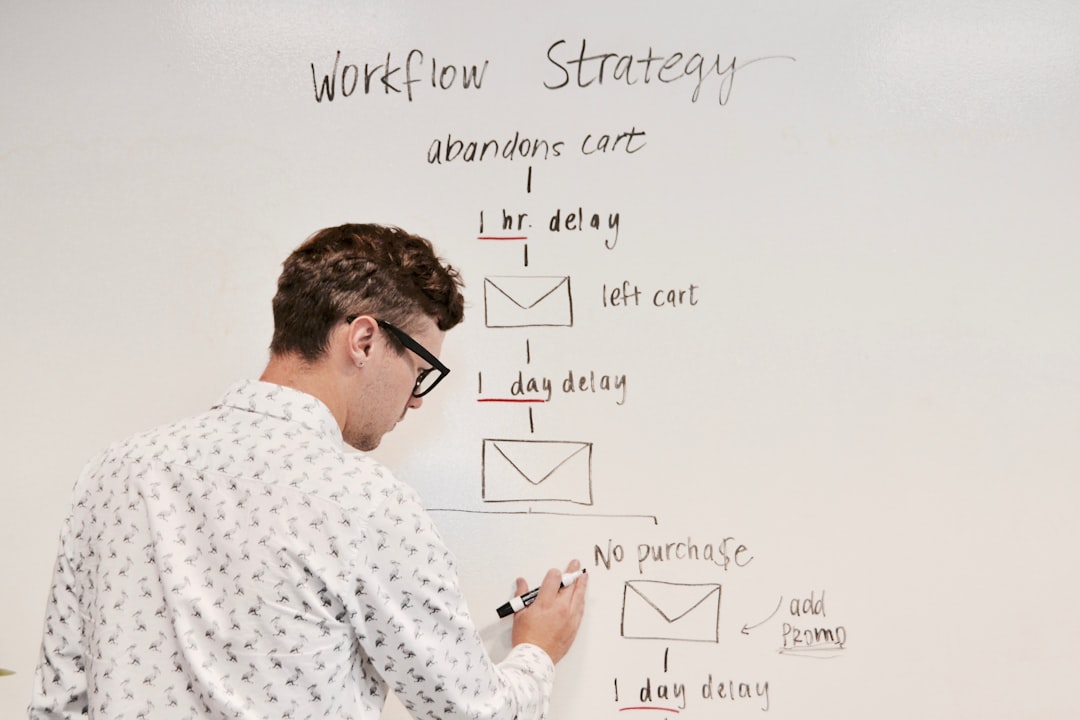
Modern organizations run on repeated decisions: collect data, clean it, move it, transform it, trigger actions, notify people, and measure results. The challenge is that these steps often live across databases, spreadsheets, SaaS apps, cloud services, and internal systems. The best data processing and workflow automation tools bring order to that complexity by turning scattered tasks into reliable, observable, repeatable pipelines.
TLDR: The top tools for data and workflow automation include orchestration platforms like Apache Airflow, Prefect, and Dagster; transformation and analytics tools like dbt; data movement platforms like Apache NiFi, Fivetran, and Airbyte; and business automation tools like Zapier, Make, and n8n. For large-scale processing, teams often use Apache Spark, Flink, or managed cloud services such as AWS Glue, Azure Data Factory, and Google Cloud Dataflow. The right choice depends on your data volume, technical skill level, compliance needs, integration requirements, and whether you need code-first engineering or no-code automation.
Why Processing and Automation Tools Matter
Data does not create value simply by existing. It becomes valuable when it is processed, connected, enriched, and delivered to the right place at the right time. A sales team may need fresh lead scores every morning. A finance team may need invoices automatically matched against payments. A machine learning team may need millions of records cleaned before model training. In each case, automation reduces manual work while improving consistency.
Good automation tools also make processes visible. Instead of wondering whether a report refreshed or a file transferred correctly, teams can view logs, alerts, dependencies, and task history. That visibility is especially important as workflows become more complex and business decisions depend on accurate, timely information.
1. Apache Airflow: The Classic Workflow Orchestrator
Apache Airflow is one of the most widely used tools for orchestrating data pipelines. It allows teams to define workflows as code using Python, scheduling tasks in directed acyclic graphs, commonly called DAGs. Airflow is especially popular among data engineering teams that need control, extensibility, and a large ecosystem of integrations.
Airflow is best suited for batch workflows such as nightly data warehouse updates, reporting pipelines, ETL jobs, and machine learning preparation tasks. Its strengths include mature scheduling, strong community support, and flexibility. However, it can require significant setup and maintenance, especially for teams that are not already comfortable with Python and infrastructure management.
- Best for: Engineering-led teams managing scheduled data pipelines.
- Strength: Mature, flexible, and highly customizable.
- Watch out for: Operational complexity at scale.
2. Prefect: Modern Orchestration with Better Developer Experience
Prefect is a workflow orchestration platform designed to make data pipelines easier to build, monitor, and recover. Like Airflow, it supports Python-based workflows, but it emphasizes a more modern developer experience. Tasks can be written as regular Python functions, and workflows can be run locally, in the cloud, or across distributed infrastructure.
One of Prefect’s appealing features is its handling of failures and retries. It is built around the reality that data workflows often fail because of temporary network problems, missing files, slow APIs, or unexpected input. Prefect helps teams manage these situations gracefully rather than treating every error as a disaster.
For teams that want orchestration without the weight of older platforms, Prefect is often a strong candidate.
3. Dagster: Asset-Centric Data Orchestration
Dagster takes a slightly different approach by focusing on data assets rather than only tasks. Instead of simply asking, “What job runs next?” Dagster encourages teams to define the actual data products being created, such as cleaned customer tables, KPI datasets, or model training features.
This asset-centric model is valuable for organizations that care about lineage, testing, quality, and maintainability. Dagster makes it easier to understand where data came from, what generated it, and what downstream systems depend on it. It is particularly compelling for modern analytics engineering teams that want better structure around complex data platforms.
- Best for: Teams building reliable, observable data platforms.
- Strength: Strong lineage, testing, and asset visibility.
- Watch out for: Learning curve if your team is used to task-based tools.
4. dbt: Transforming Data Inside the Warehouse
dbt, short for data build tool, has become a favorite among analytics teams. It focuses on the “T” in ELT: transformation. Rather than extracting and transforming data before loading it, dbt lets teams transform data directly inside modern warehouses such as Snowflake, BigQuery, Databricks, Redshift, and PostgreSQL.
Its main appeal is that analysts can use SQL, a familiar language, while adopting software engineering practices such as version control, testing, documentation, modularity, and deployment workflows. dbt is not a general-purpose orchestrator, but it pairs well with tools like Airflow, Dagster, Prefect, and cloud schedulers.
If your organization runs reports from a data warehouse, dbt can dramatically improve how trusted datasets are created and maintained.
5. Apache NiFi: Visual Data Flow Automation
Apache NiFi is a powerful tool for designing, controlling, and monitoring data flows through a visual interface. It is especially useful when moving data between systems, applying routing rules, transforming formats, or handling streaming-like flows from many different sources.
NiFi gives teams fine-grained control over data movement. You can see queues, back pressure, processors, success paths, and failure paths in a visual canvas. This makes it appealing for operational environments where data must be moved reliably and monitored closely.
- Best for: Visual data routing, ingestion, and system integration.
- Strength: Excellent interface for monitoring live data flows.
- Watch out for: Complex flows can become difficult to manage without discipline.
6. Airbyte and Fivetran: Automated Data Integration
Before data can be processed, it usually has to be collected. Airbyte and Fivetran help automate data extraction from applications, databases, APIs, and file systems into warehouses or lakes.
Fivetran is known for managed connectors, reliability, and minimal maintenance. It is excellent for teams that want data syncing to “just work” with limited engineering effort. Airbyte, meanwhile, is popular for its open-source model, custom connector framework, and flexibility. It appeals to teams that want more control over their integration stack.
These tools are not usually where complex business logic lives. Instead, they provide the plumbing that keeps raw data flowing into a central platform where tools like dbt, Spark, or SQL engines can transform it.
7. Apache Spark: Large-Scale Data Processing
Apache Spark is one of the most important engines for large-scale data processing. It can handle massive datasets across distributed clusters and supports batch processing, SQL analytics, machine learning, and streaming workloads.
Spark is commonly used when datasets are too large for a single machine or when processing requires heavy computation. Many managed platforms, including Databricks and major cloud services, provide Spark-based environments that reduce the operational burden of running clusters manually.
Spark is not always necessary for smaller data teams, but when scale becomes serious, it is one of the industry’s most proven options.
8. Apache Flink and Kafka: Real-Time Processing Foundations
While many workflows run hourly or daily, some businesses need real-time automation. Fraud detection, IoT monitoring, recommendation systems, logistics tracking, and financial trading systems often require immediate action as events occur.
Apache Kafka is widely used as an event streaming platform that captures and distributes streams of data. Apache Flink is a stream processing engine that can analyze, enrich, aggregate, and react to those streams in real time. Together, they form a powerful foundation for event-driven architectures.
- Kafka: Moves and stores streams of events reliably.
- Flink: Processes those events with low latency.
- Common use cases: Alerts, fraud detection, live dashboards, personalization, and monitoring.
9. AWS Glue, Azure Data Factory, and Google Cloud Dataflow
Cloud providers offer managed services that simplify data processing and workflow automation. AWS Glue provides serverless data integration, cataloging, and ETL capabilities. Azure Data Factory offers visual pipeline design, scheduling, integration with Microsoft services, and hybrid data movement. Google Cloud Dataflow supports unified batch and streaming processing based on Apache Beam.
These tools are attractive because they integrate deeply with their respective cloud ecosystems. If your data already lives in Amazon S3, Azure Synapse, Microsoft SQL Server, BigQuery, or Google Cloud Storage, native cloud tools can reduce setup time and improve security alignment.
The tradeoff is potential vendor lock-in. Cloud-native services are convenient, but migrating complex pipelines between clouds can be difficult.
10. Zapier, Make, and n8n: Business Workflow Automation
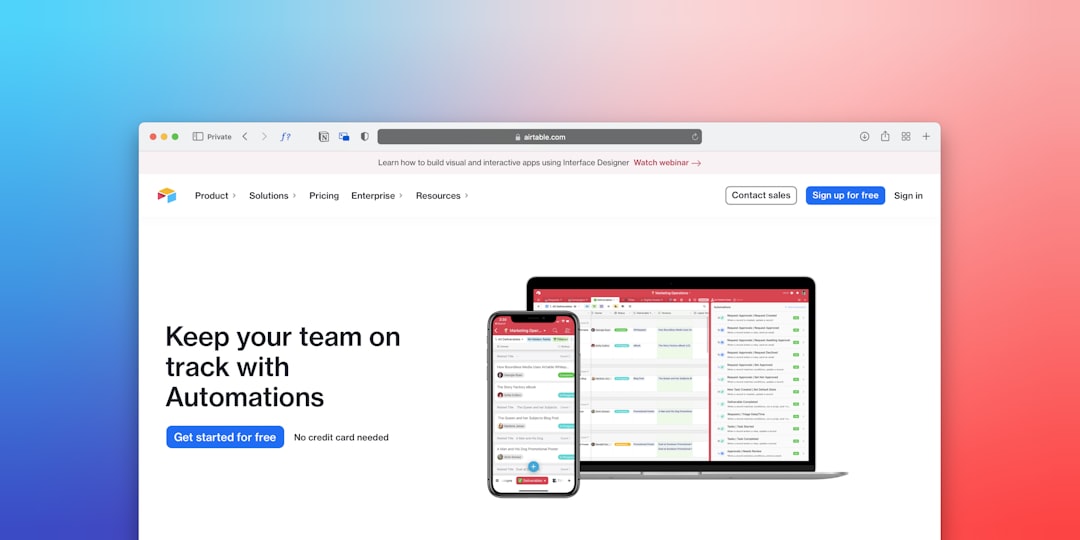
Not every automation project requires a data engineering team. Many business teams need to connect apps such as CRMs, email platforms, spreadsheets, ticketing systems, payment tools, and messaging apps. This is where Zapier, Make, and n8n shine.
Zapier is known for ease of use and a large catalog of app integrations. Make offers a visual scenario builder that supports more advanced branching and transformations. n8n provides a flexible, developer-friendly automation platform with self-hosting options, making it attractive for teams that want more control over data and infrastructure.
- Best for: Automating repetitive tasks across business apps.
- Strength: Fast implementation without heavy engineering.
- Watch out for: Complex automations may become fragile without documentation and ownership.
11. UiPath: Robotic Process Automation
UiPath is a leading robotic process automation platform. Unlike API-based automation tools, RPA can interact with user interfaces, desktop applications, legacy systems, and repetitive human workflows. This makes it useful in industries where older software remains deeply embedded.
For example, a UiPath robot might open a finance application, download a report, enter values into another system, and send a confirmation email. While RPA can unlock automation in places where APIs are missing, it should be used carefully. UI-based automations can break when screens, buttons, or workflows change.
12. Temporal: Durable Workflow Execution
Temporal is built for durable, long-running workflows. It is especially useful for backend engineering teams that need business processes to survive failures, restarts, timeouts, and retries. Examples include payment processing, order fulfillment, customer onboarding, insurance claims, and multi-step approval flows.
Temporal lets developers write workflows in general-purpose programming languages while the platform handles state, retries, timers, and reliability. It is less of a data transformation tool and more of a resilient workflow engine for application logic.
How to Choose the Right Tool
The best platform depends on what you are trying to automate. A startup syncing SaaS data into a warehouse has different needs than a bank running real-time fraud detection or a manufacturing company automating legacy desktop processes.
- For scheduled data pipelines: Consider Airflow, Prefect, or Dagster.
- For analytics transformations: Use dbt with your warehouse.
- For large-scale computation: Look at Spark or managed cloud processing.
- For real-time event processing: Evaluate Kafka and Flink.
- For business app automation: Try Zapier, Make, or n8n.
- For legacy process automation: Consider UiPath or another RPA platform.
- For durable application workflows: Explore Temporal.
Final Thoughts
Data and workflow automation tools are no longer optional extras; they are part of the operating system of modern business. The most successful teams do not simply choose the trendiest platform. They match tools to real needs: volume, latency, governance, technical skill, reliability, and cost.
An effective automation stack often combines several specialized tools. You might use Fivetran or Airbyte for ingestion, dbt for transformation, Dagster for orchestration, Spark for heavy processing, and n8n for lightweight operational automations. The goal is not to automate everything blindly, but to create workflows that are faster, safer, more transparent, and easier to improve over time.
In the end, the top processing tools are the ones that turn messy effort into dependable systems. When chosen wisely, they free people from repetitive work and give organizations the confidence to make decisions from data that is timely, trustworthy, and ready to use.