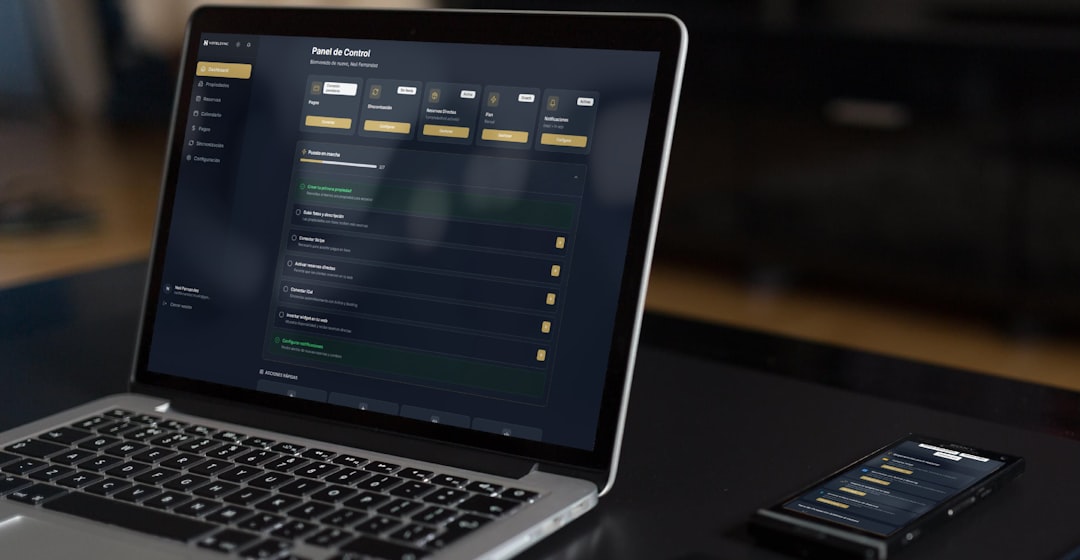
Fintech moves fast. Money moves faster. Rules move… well, rules move like a sleepy turtle wearing a tiny suit. That is why compliance automation matters. It helps fintech teams follow laws, reduce risk, and avoid panic meetings with too much coffee.
TLDR: Compliance automation helps fintech companies track rules, check customers, monitor transactions, and create audit reports with less manual work. The best tools support KYC, AML, fraud checks, reporting, and policy management. Start small, connect your systems, and review alerts often. Automation is not magic, but it is a very useful robot helper.
What Is Compliance Automation?
Compliance automation means using software to handle routine compliance tasks. These tasks may include identity checks, transaction monitoring, risk scoring, record keeping, and audit trails.
In fintech, this is a big deal. Banks, payment apps, crypto platforms, lenders, and trading tools all deal with sensitive data and money. Regulators want proof that these companies are careful. Customers want safety. Investors want fewer surprises.
Manual compliance can work at first. Then the company grows. Suddenly, there are thousands of users, payments, alerts, documents, and rules. Spreadsheets start crying. Teams get tired. Mistakes happen.
Automation helps bring order to the mess.
Why Fintech Companies Need It
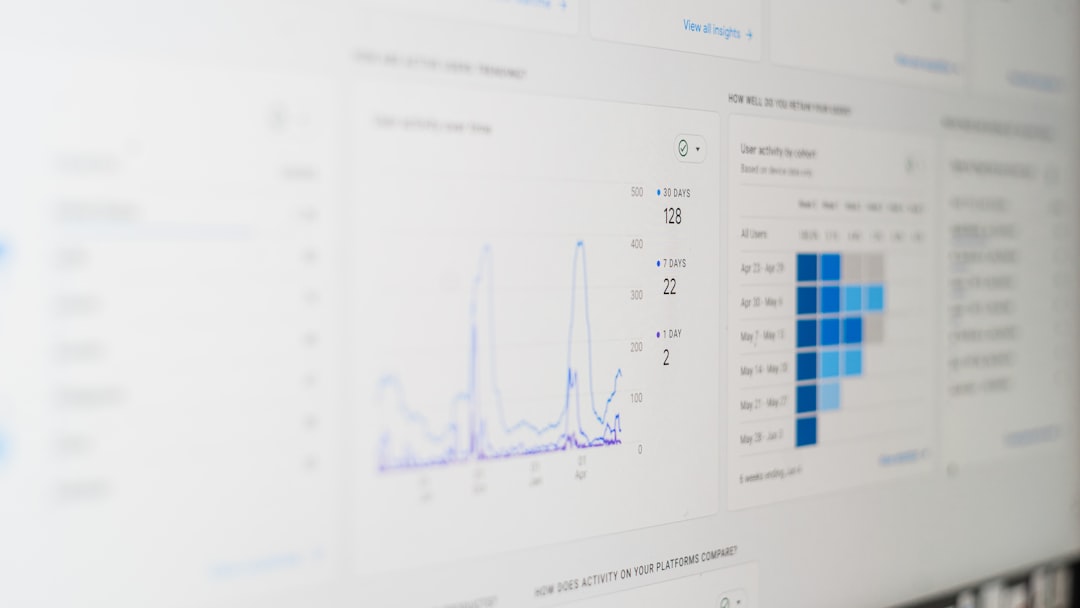
Fintech teams face many rules. These may include KYC, AML, data privacy, sanctions checks, fraud controls, and reporting rules. The exact rules depend on the country and product.
Here is the simple version:
- KYC means “Know Your Customer.” You verify who users are.
- AML means “Anti Money Laundering.” You watch for dirty money.
- Sanctions screening checks if users are on blocked lists.
- Fraud monitoring spots suspicious behavior.
- Audit trails show what happened, when, and why.
Without automation, these jobs can take huge amounts of time. With automation, teams can review only the riskiest cases. That saves time. It also helps keep decisions consistent.
Top Compliance Automation Tools for Fintech
There is no one perfect tool for every fintech. A payments startup has different needs than a crypto exchange or lending app. Still, some categories are very useful.
1. Identity Verification Tools
These tools check if a user is real. They may scan passports, driver licenses, selfies, addresses, phone numbers, and databases.
Popular options include Onfido, Veriff, Persona, Sumsub, and Trulioo.
They help with onboarding. They can also reduce fake accounts. Many tools use AI to spot altered documents or strange selfie behavior. Yes, the robot can often tell when someone is wearing a suspicious disguise.
2. AML and Transaction Monitoring Tools
These tools look for risky transactions. They may flag unusual amounts, odd timing, strange locations, or links to risky accounts.
Popular options include ComplyAdvantage, Unit21, Feedzai, Actimize, and Fenergo.
They help teams detect money laundering, terrorist financing, and fraud patterns. Good tools let you tune rules. That is important. If alerts are too sensitive, your team gets buried. If alerts are too weak, bad activity can sneak through.
3. Sanctions and Watchlist Screening Tools
These tools compare users against sanctions lists, politically exposed person lists, and adverse media sources.
Popular options include Dow Jones Risk and Compliance, LexisNexis Risk Solutions, Refinitiv World Check, and ComplyAdvantage.
This sounds boring. It is not. One missed sanctions hit can become a major legal problem. Think of it as checking the guest list before letting someone into the money party.

4. Governance, Risk, and Compliance Platforms
These are often called GRC tools. They help manage policies, controls, risks, audits, and evidence.
Popular options include Vanta, Drata, Hyperproof, LogicGate, and ServiceNow GRC.
These tools are useful if you need standards like SOC 2, ISO 27001, PCI DSS, or internal risk controls. They collect evidence from systems like cloud platforms, HR tools, ticketing apps, and code repositories.
5. Data Privacy and Consent Tools
Fintechs handle personal data. Lots of it. Names, addresses, income details, bank data, device data, and sometimes biometric data.
Privacy tools help manage consent, data requests, cookie notices, and data mapping.
Popular options include OneTrust, TrustArc, Osano, and Transcend.
These tools help with rules like GDPR, CCPA, and other privacy laws. They also help customers trust your product. Trust is good. Angry privacy complaints are less good.
Best Practices for Compliance Automation
Start With Your Biggest Risks
Do not automate everything on day one. That is how teams create a giant machine that nobody understands.
Start with the biggest pain points. Maybe onboarding is slow. Maybe transaction alerts are too noisy. Maybe audits take weeks. Pick one problem. Fix it well. Then expand.
Map Your Rules and Workflows
Before buying tools, map your compliance process. Write down each step. Who owns it? What data is needed? What happens if a user is high risk? What gets reported?
This makes tool selection easier. It also prevents “shiny software syndrome.” That is when a team buys a fancy tool, then realizes it does not solve the actual problem.
Use Risk Based Controls
Not every customer needs the same level of review. A low value wallet user may need basic checks. A business moving large international payments may need deeper checks.
A risk based approach helps you focus energy where it matters most. It also creates a smoother experience for lower risk users.
Keep Humans in the Loop
Automation should support people. It should not replace judgment.
For high risk cases, human review is still vital. People understand context. They can spot subtle issues. They can also explain decisions to regulators.
The best setup is simple. Let software handle repetitive work. Let humans handle tricky choices.
Reduce False Positives
A false positive is an alert that looks scary but is harmless. Too many false positives can overwhelm your team.
Review alerts often. Adjust rules. Use feedback from investigators. Track which alerts lead to real issues.
Think of your alert system like a smoke alarm. You want it to catch real fires. You do not want it screaming every time someone makes toast.

Document Everything
Regulators love documentation. Auditors love documentation. Future team members love documentation. Basically, documentation is the vegetables of compliance. Not always exciting, but very healthy.
Keep records of:
- Policies and procedures
- Risk assessments
- Tool settings and rules
- Customer reviews
- Investigation notes
- Audit evidence
- Training records
Good documentation helps prove that your company acted responsibly.
Test Your Automation
Automation can break. APIs fail. Rules get outdated. Lists change. Data fields move. A tiny error can cause a big mess.
Test your systems often. Run sample cases. Check alerts. Review logs. Make sure reports are correct.
Also test when launching new products or entering new markets. A product change can create new compliance risk.
Train Your Team
A tool is only useful if people know how to use it. Train compliance staff, support teams, product teams, and engineers.
Make training simple. Use examples. Show what good alerts look like. Show what bad decisions look like. Add a quiz if you must. But please make it nicer than a tax form.
How to Choose the Right Tool
Ask these questions before signing a contract:
- Does it support our country and regulations?
- Can it connect with our current systems?
- Is it easy for investigators to use?
- Can we change rules without huge engineering work?
- Does it create clear audit logs?
- How accurate are its alerts?
- What happens when volume grows?
- Is pricing clear?
Also ask for a pilot. Real data teaches more than a pretty sales demo. A demo is like a movie trailer. A pilot shows the actual movie.
Common Mistakes to Avoid
- Automating broken processes. Fix the workflow first.
- Ignoring compliance teams. They know the real problems.
- Setting rules once and forgetting them. Risk changes.
- Trusting AI without review. AI can be wrong.
- Skipping documentation. Audits will be painful.
- Buying too many tools. Tool chaos is still chaos.
The Future of Compliance Automation
Compliance automation is getting smarter. AI can summarize cases, detect patterns, review documents, and suggest risk scores. Real time monitoring is also improving. This helps fintechs react faster.
But the future is not just “more AI.” The future is better teamwork between systems and people. Clean data will matter. Clear policies will matter. Strong governance will matter.
In other words, the robot needs a good boss.
Final Thoughts
Compliance automation helps fintech companies grow without losing control. It makes onboarding faster. It makes monitoring smarter. It makes audits less scary.
Start with your biggest risks. Choose tools that fit your workflows. Keep people involved. Document decisions. Test often.
Do that, and compliance becomes less like a monster under the bed. It becomes more like a smart seatbelt. Quiet. Reliable. Always ready when things speed up.