For growing and enterprise-level organizations, payroll and HR management can quickly become a maze of compliance rules, employee data, benefit elections, tax requirements, and workforce reporting. ADPvantage, commonly associated with ADP’s broader human capital management ecosystem, is designed to bring many of those moving pieces into one centralized platform. This review explains how its payroll and HR features work, where it stands out, and what businesses should consider before adopting it.
TLDR: ADPvantage is a robust payroll and HR solution best suited for mid-sized to large organizations that need advanced compliance support, employee management tools, benefits administration, and reporting. Its biggest strengths are payroll accuracy, tax handling, HR centralization, and scalability. However, smaller businesses may find it more complex than necessary, and pricing typically depends on company size and selected modules.
What Is ADPvantage?
ADPvantage is an HR and payroll platform built to help organizations manage the employee lifecycle, from hiring and onboarding to payroll processing, benefits, performance tracking, and workforce analytics. It is often used by companies that have outgrown basic payroll software and need stronger support for multi-state operations, compliance, and HR administration.
The platform is part of ADP’s long-standing presence in payroll and human capital management. That matters because payroll is not just about paying employees on time; it is also about calculating taxes, filing reports, tracking deductions, maintaining records, and staying compliant with changing labor laws. ADPvantage aims to simplify these responsibilities by combining automation with professional-grade HR tools.
Unlike lightweight payroll apps made primarily for small teams, ADPvantage is better positioned for organizations with more complex workforce needs. These may include multiple job types, locations, pay policies, benefit plans, union rules, or approval workflows.
Payroll Features Explained
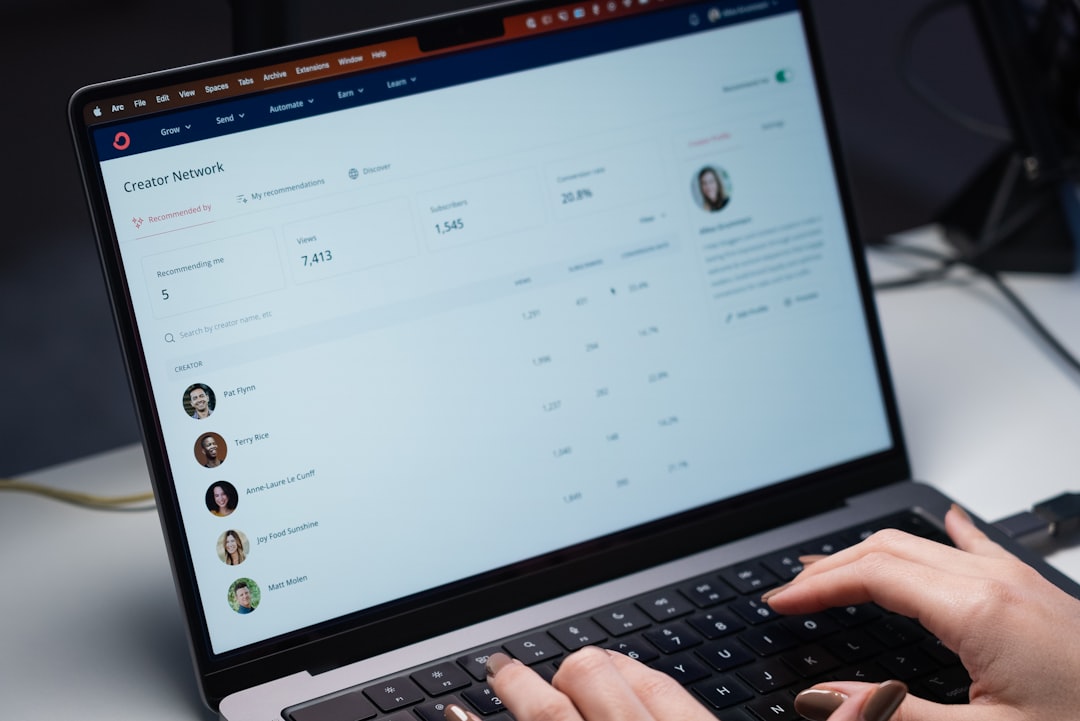
Payroll is one of the strongest areas of ADPvantage. The system is built to handle both routine pay runs and more complicated payroll scenarios. For companies with salaried employees, hourly workers, bonuses, commissions, overtime, and deductions, this can be a major advantage.
Key payroll features typically include:
- Automated payroll processing: Businesses can calculate wages, deductions, taxes, and net pay with fewer manual steps.
- Tax filing support: ADP can help calculate, file, and deposit federal, state, and local payroll taxes.
- Direct deposit: Employees can receive payments electronically, reducing paper checks and administrative work.
- Wage garnishment administration: The platform can help manage court-ordered deductions and compliance requirements.
- Multi-jurisdiction payroll: Useful for companies operating in several states, cities, or tax regions.
- Payroll reporting: HR and finance teams can generate reports for audits, budgeting, and internal review.
One of the most useful aspects of the payroll module is its ability to reduce repetitive work. Instead of manually entering the same payroll information each cycle, administrators can use stored employee records, pay rules, and automated calculations. This can help prevent costly errors, especially in organizations with large headcounts.
That said, payroll automation still depends on accurate setup. Pay codes, employee classifications, tax locations, deductions, and benefit contributions must be configured correctly. Companies should plan carefully during implementation to ensure the system reflects their actual payroll policies.
HR Management Capabilities
Beyond payroll, ADPvantage offers a range of HR tools designed to centralize employee information and streamline administrative tasks. Instead of keeping employee data scattered across spreadsheets, emails, filing cabinets, and separate systems, HR teams can manage records in one place.
Core HR features may include:
- Employee profiles: Store contact information, job details, compensation history, department data, and employment status.
- Document management: Maintain important HR documents, policy acknowledgments, and employment records.
- Organizational charts: View reporting relationships and team structures.
- Employee self-service: Allow workers to update personal details, view pay information, access tax forms, and review benefits.
- Manager self-service: Enable supervisors to approve requests, access team information, and support HR workflows.
Employee self-service is especially valuable for HR departments that receive the same questions repeatedly: “Where is my pay stub?” “How do I update my address?” “Can I download my W-2?” By giving employees access to their own information, ADPvantage can reduce routine HR requests and free teams to focus on strategic work.
For managers, centralized HR data can also improve decision-making. Instead of chasing information across departments, they can access relevant workforce details through approved permissions. This is helpful for monitoring staffing levels, salary changes, and employment status updates.
Benefits Administration
Benefits administration is another important feature area. Managing health insurance, retirement plans, life insurance, flexible spending accounts, and other benefits can be time-consuming, particularly during open enrollment. ADPvantage helps organize this process and connect benefit elections with payroll deductions.
Benefits tools often support:
- Open enrollment setup and communication
- Employee benefit plan selection
- Eligibility tracking
- Carrier connection or data exchange options
- Payroll deduction integration
- Reporting for HR and finance teams
The integration between benefits and payroll is a major practical advantage. When an employee selects a benefit plan, the related deduction can flow into payroll, reducing manual data entry and the risk of mismatch between HR records and paycheck deductions.

Time and Attendance Integration
Payroll depends heavily on accurate time data. For hourly workers, overtime rules, shift differentials, paid time off, and attendance records must be tracked correctly. ADPvantage can integrate with time and attendance solutions, allowing approved hours to feed into payroll.
This is especially useful for employers with non-exempt employees, variable schedules, or multiple worksites. When time data is connected to payroll, companies can reduce the need for duplicate entry and improve accuracy. Managers can review hours, approve timesheets, and help ensure payroll is based on verified information.
For businesses with complex labor rules, this feature can be one of the most important reasons to choose a more advanced platform. Manual time tracking may work for a small office, but it becomes risky when hundreds or thousands of employees are involved.
Talent and Workforce Management
Depending on the selected modules and configuration, ADPvantage may also support broader talent management functions. These tools help organizations manage people beyond basic HR records and payroll.
Talent-related capabilities may include:
- Recruiting support: Track candidates, manage job postings, and support hiring workflows.
- Onboarding: Guide new hires through forms, policy reviews, and first-day preparation.
- Performance management: Support reviews, goals, and manager feedback.
- Learning and development: Track training activities or required certifications.
- Succession planning: Identify potential future leaders and plan for workforce continuity.
These features can help HR teams move from reactive administration to proactive workforce planning. For example, performance data can inform promotion decisions, training needs, and retention strategies. Onboarding tools can also create a smoother employee experience from the beginning, which may improve engagement and reduce early turnover.
Reporting and Analytics
Data is one of the most valuable assets in HR, but it is only useful when it is accessible and understandable. ADPvantage provides reporting tools that help organizations analyze payroll costs, headcount, turnover, benefits participation, overtime, and other workforce metrics.
Common reporting uses include:
- Reviewing payroll expenses by department or location
- Tracking overtime trends
- Monitoring employee turnover
- Preparing compliance reports
- Analyzing benefits enrollment
- Supporting budgeting and workforce planning
For executives, analytics can turn HR from a back-office function into a strategic resource. Leaders can see where labor costs are rising, which departments are understaffed, or whether turnover is increasing in specific roles. This kind of insight can support better planning and more informed business decisions.
Compliance Support
Compliance is one of the main reasons companies choose established payroll and HR providers. Employers must manage tax requirements, wage and hour rules, employment eligibility, recordkeeping, benefits regulations, and more. Mistakes can lead to penalties, audits, and employee dissatisfaction.
ADPvantage can help with compliance by maintaining organized records, supporting payroll tax administration, tracking employee classifications, and generating reports. Its tools are particularly useful for companies operating across multiple states or regions, where employment rules can vary significantly.
However, it is important to understand that software does not replace legal judgment. ADPvantage can provide structure, automation, and documentation, but employers are still responsible for making correct policy decisions and ensuring their practices comply with applicable laws.
User Experience and Ease of Use
ADPvantage is powerful, but that power can come with a learning curve. Users accustomed to simple payroll apps may find the platform more complex at first. The system includes many options, settings, workflows, and reports, which can feel overwhelming without proper training.
For HR and payroll professionals, the depth of functionality is often worth it. Once configured, the system can streamline many recurring tasks. Employee and manager self-service also makes the experience more efficient across the organization.
Implementation quality plays a major role in the user experience. Companies should assign internal project owners, clean up existing employee data, review pay policies, and document workflows before launching. A thoughtful rollout can make the difference between a smooth transition and a frustrating one.
Pricing and Value
ADPvantage pricing is generally customized rather than publicly listed as a simple flat rate. Costs can vary based on company size, selected modules, payroll frequency, implementation needs, integrations, and service level. This is common for enterprise-focused HR platforms.
While it may cost more than basic payroll software, the value comes from its breadth of features and scalability. For organizations that need payroll, HR, benefits, compliance support, and reporting in one environment, the investment may be justified by time savings, reduced errors, and improved visibility.
Best fit organizations usually include:
- Mid-sized to large businesses
- Companies with multi-state payroll
- Organizations with complex benefits offerings
- Businesses that need stronger HR reporting
- Employers seeking employee and manager self-service
Less ideal users may include:
- Very small businesses with simple payroll needs
- Teams wanting a basic, low-cost payroll-only tool
- Organizations without the resources to support implementation
Pros and Cons
Pros:
- Strong payroll processing and tax support
- Centralized employee records
- Useful benefits administration features
- Scalable for larger organizations
- Employee and manager self-service options
- Robust reporting and workforce analytics
Cons:
- May be too complex for small businesses
- Pricing is not always transparent upfront
- Implementation can require significant planning
- Some features may depend on selected modules
Final Verdict
ADPvantage is a comprehensive payroll and HR platform designed for organizations that need more than basic paycheck processing. Its strengths lie in payroll automation, compliance support, HR data management, benefits administration, and reporting. For businesses with complex workforce needs, it can provide the structure and scalability required to manage employees more effectively.
The platform is not necessarily the simplest or cheapest option, and smaller companies may prefer a lighter solution. But for mid-sized and larger employers, ADPvantage offers a serious, feature-rich approach to human capital management. With careful implementation and the right modules, it can help companies reduce administrative burden, improve payroll accuracy, and gain clearer insight into their workforce.