Organizations with large real estate portfolios, complex maintenance operations, or hybrid workplace needs often outgrow spreadsheets and disconnected facilities tools. Archibus is an Integrated Workplace Management System, or IWMS, designed to bring property, space, asset, maintenance, and workplace data into a structured platform. This review examines where Archibus is strongest, what buyers should evaluate carefully, and how it fits into modern facility and workplace strategy.
TLDR: Archibus is a mature IWMS platform best suited for mid-sized to large organizations that need disciplined control over space, assets, maintenance, leases, and workplace services. For example, a university managing 120 buildings could use Archibus to track room utilization, schedule preventive maintenance, and reduce underused space by 10–15% after analyzing occupancy data. Its strengths are depth, configurability, and enterprise reporting, while its main challenges are implementation effort, data preparation, and user training. It is most valuable when an organization is ready to standardize facility processes rather than simply adopt a lightweight booking or ticketing tool.
A Serious IWMS for Complex Portfolios
Archibus has long been recognized in the facilities and real estate technology market as a comprehensive IWMS solution. Unlike single-purpose workplace applications, it is designed to support a broad operational environment: corporate campuses, hospitals, universities, government buildings, manufacturing sites, and commercial real estate portfolios.
The platform typically appeals to organizations that need a central source of truth for space, assets, maintenance, capital planning, leases, and workplace services. It can help facility leaders understand what they own, where it is located, how it is used, what it costs, and what actions are required to keep it operational.
That breadth is both a strength and a consideration. Archibus can be configured to match detailed business processes, but it is not usually a “plug in and forget” product. Successful deployment depends on clean data, clear governance, and stakeholder alignment across facilities, finance, IT, HR, and real estate teams.
Image not found in postmetaCore IWMS Features
Archibus provides the foundations expected from a full IWMS. Its modules can vary depending on licensing and deployment, but the platform commonly supports the following capabilities:
- Space management: Track buildings, floors, rooms, departments, occupancy, and space assignments.
- Maintenance management: Manage service requests, work orders, preventive maintenance schedules, labor, and materials.
- Asset management: Record equipment, furniture, infrastructure assets, lifecycle data, location, condition, and service history.
- Lease and real estate management: Monitor lease terms, critical dates, costs, and portfolio performance.
- Capital planning: Support long-term planning for renovations, replacements, and facility investments.
- Workplace services: Enable room reservations, move management, service requests, and employee-facing workplace functions.
- Reporting and analytics: Consolidate operational data into dashboards, KPIs, and compliance reports.
For organizations trying to reduce operational fragmentation, this integrated approach can be valuable. A maintenance manager can view an asset’s location and repair history, while a space planner can evaluate occupancy trends against departmental needs. The result is better coordination and fewer decisions based on incomplete information.
Asset Management Capabilities
Asset management is one of the areas where Archibus can deliver significant operational value. Facilities often manage thousands of assets, including HVAC units, pumps, elevators, generators, lab equipment, furniture, safety systems, and IT-related infrastructure. Without a structured system, asset records become outdated, duplicated, or disconnected from maintenance activities.
Archibus allows organizations to maintain asset registries with details such as location, manufacturer, model, age, condition, warranty information, cost, and maintenance history. This supports more informed decisions about whether to repair, replace, or retire assets. It also helps teams move from reactive maintenance to a more planned and risk-based approach.
For example, if several air handling units of the same model show rising repair costs after 12 years of service, facilities leaders can identify the trend and plan replacements before failures affect building operations. This is especially important in environments where downtime has high costs, such as healthcare, research, education, and manufacturing.
Archibus can also support compliance and audit requirements by documenting inspections, service activity, and asset condition. However, the quality of these insights depends heavily on data discipline. If asset records are incomplete or field teams do not update work orders consistently, the platform’s reporting value will be limited.
Workplace and Space Solutions
Modern workplace management has become more complicated due to hybrid work, flexible seating, changing occupancy levels, and pressure to reduce real estate costs. Archibus helps organizations understand how space is allocated and used, rather than relying only on headcount assumptions or manual floor plans.
The platform can support space planning, occupancy tracking, department chargebacks, move management, and room reservations. When combined with accurate floor plans and occupancy data, it can reveal underused areas, overcrowded departments, or opportunities to consolidate space.
Image not found in postmetaIn a hybrid workplace scenario, a company may find that its office is only 55% occupied on most weekdays, with peak utilization on Tuesday and Wednesday. Using Archibus, workplace teams can assess whether assigned seating should be reduced, collaboration areas expanded, or specific floors consolidated. These decisions can lead to measurable savings, but they require thoughtful change management because space decisions directly affect employee experience.
Archibus is not merely a room booking tool. Its value is greater when workplace functions are connected to portfolio strategy, occupancy analytics, and long-term space planning. Companies that only need simple desk reservations may find lighter tools easier to deploy, while enterprises with complex space governance may benefit from Archibus’ deeper structure.
User Experience and Implementation
Archibus is powerful, but prospective buyers should be realistic about usability and implementation. Because it handles many detailed workflows, the user experience may feel more enterprise-oriented than consumer-like. Administrators and power users often appreciate the depth, while casual users may need simplified interfaces, role-based views, or training.
Implementation usually involves data migration, CAD or BIM integration, process design, permissions, reporting setup, and integrations with systems such as ERP, HR, finance, building automation, or identity management platforms. Organizations should not underestimate this phase. A phased rollout is often safer than attempting to deploy every module at once.
A practical approach is to begin with high-value foundations such as space inventory, asset registry, or maintenance workflows, then expand into leases, capital planning, or advanced workplace analytics. This reduces risk and helps teams build confidence in the data.
Reporting, Analytics, and Decision Support
Archibus can help facility and real estate leaders shift from operational tracking to strategic decision-making. Dashboards and reports can show metrics such as maintenance backlog, asset condition, space utilization, lease obligations, cost per square foot, request response times, and capital renewal needs.
These analytics are particularly useful for executives who need to justify budget decisions. Instead of saying a building “feels inefficient,” a facilities team can show specific evidence: rising maintenance costs, low utilization, deferred maintenance exposure, or lease expirations that create consolidation opportunities.
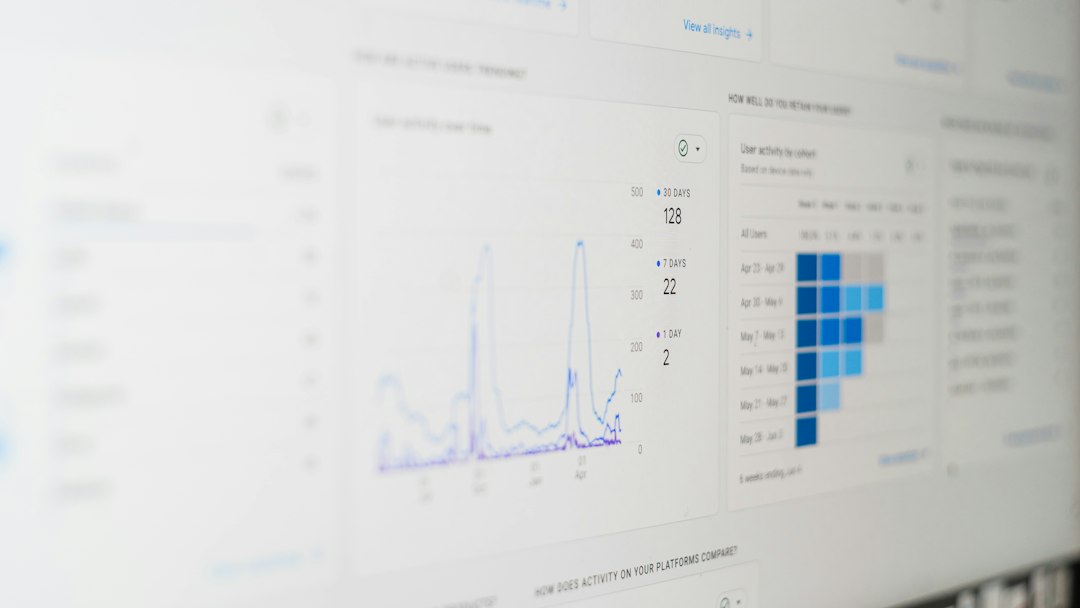
However, reporting is only as reliable as the underlying data model. Archibus implementations should include clear ownership for data updates, naming standards, periodic audits, and governance rules. Without that discipline, even the best IWMS can become another repository of stale information.
Strengths and Limitations
Key strengths of Archibus include:
- Broad IWMS functionality across real estate, facilities, assets, and workplace operations.
- Strong suitability for large and complex portfolios.
- Configurable workflows and enterprise reporting capabilities.
- Useful support for long-term planning, compliance, and operational control.
- Ability to connect space, asset, and maintenance data in one environment.
Potential limitations to consider include:
- Implementation can be demanding without strong project governance.
- Data cleanup may require significant time before value is visible.
- Casual users may need training or simplified workflows.
- Total cost should include configuration, integrations, support, and ongoing administration.
- Organizations with simple needs may find the platform more extensive than necessary.
Who Should Consider Archibus?
Archibus is a strong candidate for organizations that manage sizeable property portfolios or mission-critical facilities. It is especially relevant for universities, healthcare networks, public sector agencies, large corporations, financial institutions, and organizations with heavy compliance or reporting requirements.
It is less likely to be the best fit for small companies seeking only basic ticketing, desk booking, or maintenance scheduling. The platform’s value comes from integration and scale. Buyers should evaluate whether they have the internal maturity to maintain accurate data and use the insights for decisions.
Final Verdict
Archibus is a serious, enterprise-grade IWMS platform with strong capabilities in asset management, space planning, maintenance, real estate management, and workplace operations. Its greatest advantage is the ability to connect facility data that is often scattered across spreadsheets, drawings, emails, and separate applications.
The main caution is that Archibus should be treated as a strategic system, not just software installation. Organizations that invest in data quality, process design, training, and governance are more likely to see meaningful returns. For complex portfolios where real estate costs, asset performance, and workplace efficiency matter, Archibus remains a credible and capable solution worth serious consideration.