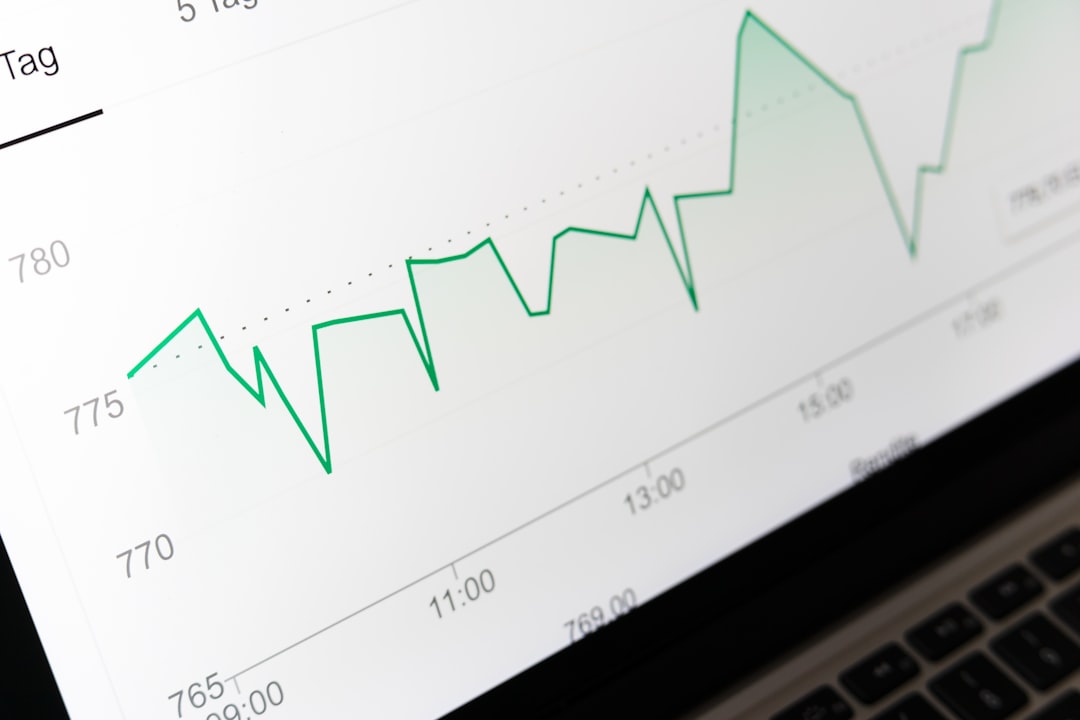
When a website suddenly loses organic visibility, the cause is often more complex than a normal ranking fluctuation. In some cases, the site may be affected by a Google penalty, either through a manual action or an algorithmic demotion. Recovering lost rankings requires a structured process, careful diagnosis, and consistent improvements rather than quick fixes.
TLDR: Google penalty removal begins with identifying whether the ranking loss came from a manual action, algorithm update, or technical issue. A website owner should audit backlinks, content quality, technical SEO, and user experience before making corrective changes. Recovery depends on removing harmful signals, documenting improvements, and allowing Google enough time to reassess the site.
Understanding What a Google Penalty Means
A Google penalty occurs when a website violates Google’s quality guidelines or sends signals that reduce trust. The result may be a dramatic drop in keyword rankings, lower organic traffic, or removal from certain search results. Penalties are generally divided into two categories: manual actions and algorithmic impacts.
A manual action is applied by a human reviewer at Google. It usually appears in Google Search Console under the “Manual actions” section. Algorithmic impacts, on the other hand, happen when Google’s ranking systems devalue pages due to issues such as low-quality content, spammy backlinks, poor relevance, or weak user experience.
Step 1: Confirm the Cause of the Ranking Drop
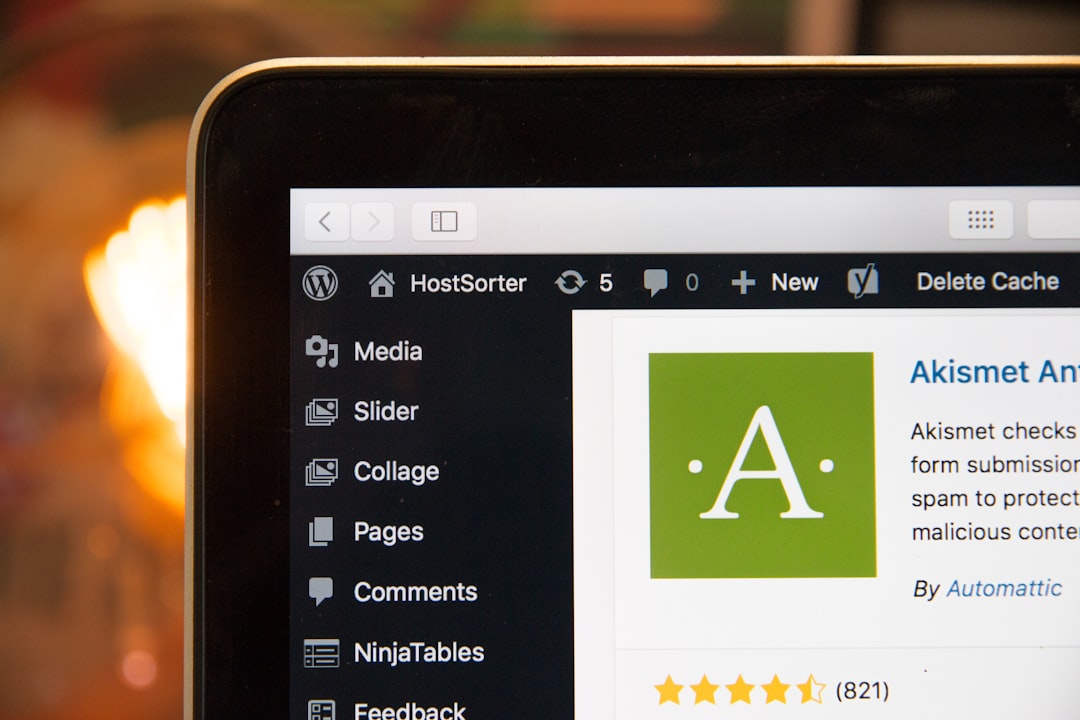
Before making changes, a business should confirm whether the ranking loss is actually penalty-related. Not every traffic decline comes from a penalty. Seasonal demand, technical errors, competitor improvements, tracking problems, or Google core updates can all affect performance.
A proper diagnosis should include:
- Checking Google Search Console for manual actions, security issues, indexing problems, and crawl errors.
- Reviewing analytics data to identify when traffic dropped and which pages were affected.
- Comparing the drop date with known Google algorithm updates.
- Checking keyword rankings to see whether the decline affected all terms or only specific topics.
- Reviewing technical changes such as migrations, redirects, robots.txt updates, or noindex tags.
This step prevents unnecessary work and helps the recovery effort focus on the real problem.
Step 2: Review Manual Actions in Search Console
If a manual action exists, Google will usually provide a general reason. Common manual actions include unnatural links, thin content, pure spam, cloaking, hidden text, or user-generated spam. The message may not list every affected page, so a full site audit is still necessary.
After identifying the manual action, the website owner should carefully read Google’s guidelines and create a plan to correct each issue. A reconsideration request should only be submitted after the problem has been fully addressed. Sending a rushed request with limited changes often delays recovery.
Step 3: Audit the Backlink Profile
Unnatural links are one of the most common reasons for penalties and ranking drops. These links may come from link farms, paid placements, spam directories, hacked sites, irrelevant guest posts, or large-scale link exchanges. A backlink audit helps determine whether external links are damaging the site’s trust.
The audit should evaluate:
- The quality and relevance of linking domains.
- Anchor text patterns, especially over-optimized commercial keywords.
- Links from suspicious networks or low-quality directories.
- Sudden spikes in backlinks from unrelated websites.
- Sitewide footer or sidebar links that appear manipulative.
Harmful links should be removed where possible by contacting webmasters. If removal is not realistic, the site owner may prepare a disavow file and submit it through Google’s Disavow Tool. This should be done carefully, because disavowing strong legitimate links can further reduce rankings.
Step 4: Improve Low-Quality Content
Content quality is another critical part of Google penalty recovery. Pages that are thin, duplicated, outdated, auto-generated, or written mainly for search engines can weaken an entire domain. Google’s systems increasingly reward content that demonstrates experience, expertise, authoritativeness, and trust.
A content audit should classify pages into three groups:
- Keep and improve: Useful pages that need better structure, fresher information, clearer headings, or stronger examples.
- Merge: Similar pages that compete with each other and would perform better as one comprehensive resource.
- Remove or noindex: Pages with no value, duplicate content, or outdated information that cannot be improved.
Each important page should answer the searcher’s intent clearly. It should include accurate information, helpful formatting, original insights, and visible trust signals such as author details, sources, contact information, and business credentials where appropriate.
Step 5: Fix Technical SEO Problems
A site can lose rankings when technical issues prevent Google from crawling, indexing, or understanding its pages. Even when a penalty is not present, technical errors can resemble one because traffic may fall sharply.
Important technical checks include:
- Indexing: Important pages should not be blocked by robots.txt, noindex tags, or incorrect canonical tags.
- Redirects: Broken redirects, redirect chains, and migration errors should be corrected.
- Site speed: Slow pages can harm user experience and reduce search performance.
- Mobile usability: Pages should work well on mobile devices.
- Structured data: Schema markup should be valid and not misleading.
- Internal linking: Important pages should be easy for users and crawlers to find.
Technical cleanup helps Google reassess the site more efficiently and ensures that content improvements can have a stronger effect.
Step 6: Remove Spam and Strengthen Trust
Websites with user-generated content, comments, forums, or open profile pages can accumulate spam without the owner noticing. This can lead to manual actions or algorithmic trust issues. Spam pages, hacked content, doorway pages, and deceptive redirects should be removed quickly.
Trust can be improved by adding clear contact details, privacy policies, refund policies, author biographies, editorial standards, and business information. For sites in sensitive industries such as finance, health, or legal services, expert review and transparent sourcing are especially important.

Step 7: Submit a Reconsideration Request if Needed
If the website received a manual action, a reconsideration request is required after cleanup. The request should be honest, specific, and concise. It should explain what caused the issue, what actions were taken, and how the site will prevent the problem from happening again.
A strong reconsideration request may include:
- A summary of the violation discovered.
- Examples of removed or improved content.
- Details of link removal efforts and disavow actions.
- Documentation of technical fixes.
- A commitment to following Google’s guidelines going forward.
Google may take days or weeks to respond. If the request is rejected, the website owner should review the feedback, perform a deeper cleanup, and submit again only after additional meaningful changes.
Step 8: Monitor Recovery and Rebuild Authority
Penalty removal does not always mean rankings return immediately. Once harmful signals are removed, the site may need time to regain trust. Algorithmic recovery may occur gradually or after future Google updates. Manual action recovery can restore eligibility, but rankings still depend on content quality, competition, and authority.
Ongoing recovery should focus on publishing useful content, earning natural links, improving user experience, and monitoring Search Console regularly. Instead of trying to manipulate rankings, a business should build a site that deserves visibility over the long term.
Common Mistakes to Avoid
- Deleting large sections of a site without analysis: This can remove valuable pages and worsen the traffic loss.
- Disavowing every low-authority link: Not all weak links are harmful, and excessive disavowal can reduce authority.
- Submitting reconsideration requests too early: Google expects complete cleanup, not partial effort.
- Ignoring content quality: Link cleanup alone may not solve deeper relevance or trust problems.
- Expecting instant recovery: Rankings often return gradually, not overnight.
FAQ
How long does Google penalty recovery take?
Recovery can take a few weeks for some manual actions, but algorithmic recovery may take several months. The timeline depends on the severity of the issue, the quality of the cleanup, and how quickly Google reprocesses the site.
How can a website owner know if there is a manual penalty?
A manual penalty will usually appear in Google Search Console under the “Manual actions” report. If no message appears, the ranking decline may be algorithmic, technical, or competitive.
Should every suspicious backlink be disavowed?
No. The disavow tool should be used carefully. Only clearly manipulative, spammy, or harmful links should be included, especially when removal is not possible.
Can rankings fully return after a penalty?
Yes, rankings can recover, but full restoration is not guaranteed. If old rankings were supported by manipulative links or weak content, the site may need stronger legitimate authority and higher-quality content to compete again.
Is it better to fix old content or publish new content?
Both can help, but penalty recovery usually begins with fixing or removing low-quality existing pages. New content is more effective after the site’s trust, structure, and quality issues have been addressed.