Few ski towns make elevation as much a part of the experience as Breckenridge, Colorado. Set high in the Rocky Mountains, Breckenridge is famous for deep winter snow, wide alpine bowls, crisp bluebird days, and a historic downtown that sits higher than many mountain summits elsewhere. But the same altitude that helps create unforgettable skiing can also shape the weather, affect your stamina, and make altitude sickness a real concern for visitors.
TLDR: Breckenridge sits at a very high elevation, with the town around 9,600 feet and the ski resort reaching nearly 13,000 feet. This elevation helps produce excellent snow conditions and dramatic mountain weather, but it also means colder temperatures, stronger sun, and thinner air. Skiers should hydrate, pace themselves, protect their skin and eyes, and watch for symptoms of altitude sickness, especially during the first 24 to 48 hours.
How High Is Breckenridge?
Breckenridge is one of the highest major ski destinations in North America. The town itself sits at approximately 9,600 feet above sea level, while Breckenridge Ski Resort rises from a base elevation of about 9,600 feet to a summit elevation of nearly 12,998 feet at the top of Peak 8.
That means even before you step into your skis, your body is already working in an environment with noticeably less oxygen than at sea level. At nearly 10,000 feet, the air pressure is lower, so each breath contains fewer oxygen molecules. You are still breathing the same percentage of oxygen, but your body receives less of it with every inhale.
This elevation is a major reason Breckenridge feels so dramatic. The peaks seem enormous, the sky appears brilliantly blue, and the views stretch across ridgelines, high bowls, and snowy forests. However, it also means visitors need to approach skiing and outdoor activity with a little extra awareness.
Image not found in postmetaWhy Elevation Matters for Skiing
Breckenridge’s elevation has a direct effect on the skiing experience. For many skiers and snowboarders, that effect is mostly positive. Higher elevations tend to be colder, and colder temperatures help preserve snow. This is one reason Breckenridge often has a long ski season, frequently stretching from early winter into spring.
Snow quality is one of the biggest advantages. Because the resort reaches so high into the alpine zone, snow can remain light and dry, especially after storms. Powder days at Breckenridge can be excellent, particularly in the bowls and upper mountain terrain.
Elevation also creates variety. Breckenridge is spread across multiple peaks, each with a different personality:
- Peak 9 is known for beginner and intermediate terrain, making it a great place to adjust to the altitude.
- Peak 8 offers access to iconic high alpine skiing and the Imperial Express SuperChair.
- Peak 7 features long, rolling intermediate runs that are popular on sunny days.
- Peak 6 includes expansive bowl terrain and wide-open alpine views.
- Peak 10 is steeper and often favored by advanced skiers.
However, skiing at high elevation can feel more physically demanding. You may notice that your legs burn faster, your breathing becomes heavier, or you need more breaks than usual. Even experienced skiers who are fit at lower elevations can feel surprisingly winded after a few runs.
The key is to ski smarter, not harder. On your first day, consider starting with easier terrain, taking frequent rests, and avoiding the temptation to rush straight to the highest lift. The Imperial Express SuperChair, one of the highest chairlifts in North America, is spectacular, but it is best enjoyed when your body has had time to acclimate.
How Elevation Shapes Breckenridge Weather
Mountain weather is always changeable, and Breckenridge’s elevation makes that especially true. Conditions can shift quickly from calm sunshine to wind, snow, or low visibility. A day may begin with blue skies in town and turn into a snowy afternoon on the upper mountain.
At higher elevations, temperatures are typically colder. As a general rule, air temperature drops as elevation increases, meaning the summit can be significantly colder than Main Street. Add wind, and the difference becomes even more noticeable. What feels comfortable at the base may feel harsh above treeline.
Breckenridge also receives a significant amount of snowfall during the winter. Storms moving across the Rockies are lifted by the mountains, causing moisture to cool and fall as snow. This process, known as orographic lift, is one of the reasons high elevation ski areas can collect impressive snow totals.
Still, high elevation does not always mean constant storms. Breckenridge is also known for clear, sunny days. The sunshine can be intense because there is less atmosphere above you to filter ultraviolet radiation. Snow reflects that sunlight, increasing exposure from below as well as above.
Image not found in postmetaThe Sun Is Stronger Than You Think
One of the most underestimated effects of Breckenridge elevation is sun exposure. At high altitude, ultraviolet radiation is stronger, and snow reflection can intensify it further. Even on cold days, sunburn can happen quickly.
To protect yourself, make these items part of your daily routine:
- Sunscreen: Use a broad-spectrum sunscreen, ideally SPF 30 or higher, and reapply throughout the day.
- Lip balm: Choose one with SPF protection, since lips can burn and crack easily in cold, dry air.
- Goggles or sunglasses: UV protection is essential, especially on bright days above treeline.
- Face covering: A neck gaiter or balaclava helps protect against wind, cold, and reflected sun.
It is common for visitors to focus heavily on staying warm while forgetting that solar exposure is stronger than expected. In Breckenridge, you need protection from both winter cold and high-altitude sun.
Understanding Altitude Sickness in Breckenridge
Altitude sickness, also called acute mountain sickness, can occur when your body has difficulty adjusting to lower oxygen levels. Because Breckenridge sits around 9,600 feet, visitors arriving from low elevations may feel symptoms shortly after arrival or during their first day on the mountain.
Common symptoms include:
- Headache
- Nausea or loss of appetite
- Dizziness or lightheadedness
- Fatigue or unusual weakness
- Shortness of breath with mild activity
- Trouble sleeping
Many cases are mild and improve as the body acclimates. However, altitude sickness should be taken seriously. Symptoms that worsen, especially severe headache, confusion, persistent vomiting, chest tightness, or difficulty breathing at rest, require medical attention.
It is important to know that altitude sickness does not only affect people who are out of shape. Fitness can help with skiing endurance, but it does not guarantee immunity from altitude-related symptoms. A marathon runner from sea level may still struggle on the first day in Breckenridge.
How to Reduce Your Risk
The best strategy is to give your body time to adapt. If possible, spend a night in Denver or another lower-elevation location before heading to Breckenridge. Denver is still high by most standards, at about 5,280 feet, but it can provide a helpful step between sea level and the high Rockies.
Once you arrive, use the first day wisely. Instead of planning your most ambitious ski day immediately, consider a lighter schedule. Walk around town, rent gear, take a few easy runs, and get plenty of rest.
Helpful altitude tips include:
- Hydrate early and often. High-altitude air is dry, and dehydration can make symptoms worse.
- Limit alcohol at first. Alcohol can affect sleep, hydration, and acclimatization.
- Eat balanced meals. Carbohydrates can be useful because they are easier for the body to convert into energy at altitude.
- Pace yourself. Take breaks before you feel exhausted.
- Sleep well. Rest is one of the best ways to help your body adjust.
- Listen to symptoms. Do not ignore a headache or dizziness just to keep skiing.
Some travelers speak with a doctor before visiting high-altitude destinations, especially if they have a history of altitude sickness or medical conditions involving the heart or lungs. A healthcare provider may recommend preventive medication in certain cases.
Skiing Above Treeline
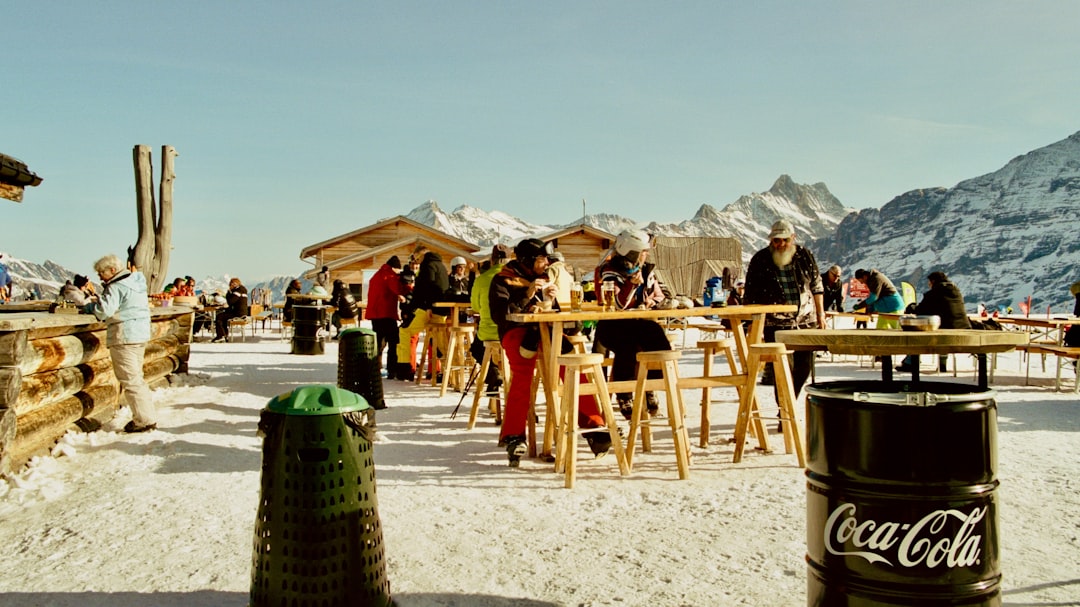
One of Breckenridge’s signature features is its high alpine terrain. Above treeline, the scenery opens dramatically. Instead of skiing through forests, you glide across exposed bowls and ridges with panoramic views in every direction.
This terrain is thrilling, but elevation makes it more demanding. Wind can be stronger, visibility can change fast, and temperatures can feel much colder. Snow conditions may vary from soft powder to wind-packed surfaces within a short distance.
If you plan to ski the upper mountain, check the weather forecast and lift status before heading up. Wear layers that can handle wind and cold, and be prepared to descend if conditions deteriorate. High alpine skiing rewards patience and preparation.
What to Wear at Breckenridge Elevation
Layering is the best approach. Because temperatures can change throughout the day and between elevations, flexible clothing helps you stay comfortable.
- Base layer: Choose moisture-wicking fabric, not cotton.
- Mid layer: A fleece or insulated jacket provides warmth.
- Outer layer: A waterproof and wind-resistant shell protects against snow and gusts.
- Gloves or mittens: Bring warm options, and consider hand warmers on cold days.
- Helmet and goggles: These protect against weather, sun, and impact.
Because the air is dry, you may also want moisturizer, eye drops, and extra lip balm. Small comforts can make a big difference over several days in the mountains.
Final Thoughts
Breckenridge’s elevation is at the heart of what makes it such a memorable ski destination. It helps create reliable snow, long seasons, beautiful alpine terrain, and the crisp mountain atmosphere that visitors love. At the same time, it brings colder weather, stronger sun, thinner air, and the possibility of altitude sickness.
The good news is that a little preparation goes a long way. If you hydrate, dress properly, protect yourself from the sun, and give your body time to adjust, you can enjoy Breckenridge with more comfort and confidence. Whether you are cruising groomers on Peak 7, exploring bowls on Peak 6, or simply strolling through the historic town, understanding the elevation helps you make the most of every moment in the high Rockies.