Modern buyers expect fast answers, clear guidance, and a smooth path from interest to purchase. When a visitor lands on a pricing page, product page, or demo request form, hesitation can stop the sale in seconds. Chat with sales features help businesses meet prospects at that exact moment, answer questions, reduce friction, and turn intent into action.
TLDR: Chat with sales features can increase conversions by giving high-intent visitors immediate access to a sales representative, product expert, or intelligent routing system. For example, a SaaS company that adds live sales chat to its pricing page may see demo bookings rise by 18% to 30% because prospects receive instant answers about plans, integrations, and contract terms. These tools also help qualify leads, personalize recommendations, and prevent visitors from abandoning the site when they cannot find the information they need.
Why Real-Time Sales Conversations Matter
Every online buyer moves through a decision-making process. Some visitors are casually researching, while others are ready to speak with a sales team before making a purchase. The challenge is that many businesses treat all visitors the same. Static product pages, contact forms, and generic calls to action often fail to capture buyers who need one final answer before converting.
A chat with sales feature gives those visitors a direct path to assistance. Instead of asking a prospect to fill out a form and wait hours or days for a reply, live sales chat creates an immediate conversation. This speed matters because buying intent is often strongest in the moment. If that moment passes, the visitor may compare competitors, delay the decision, or leave entirely.
Image not found in postmetaReducing Friction in the Buying Journey
Friction is one of the most common reasons website visitors fail to convert. It can appear as unclear pricing, confusing product features, hidden shipping details, complex checkout steps, or uncertainty about whether a solution fits a specific use case. Even small doubts can cause a buyer to pause.
Chat with sales features reduce friction by allowing prospects to ask direct questions, such as:
- “Which plan is best for a team of 25?”
- “Does this product integrate with existing software?”
- “Can this order be delivered by next week?”
- “Is volume pricing available?”
- “What happens after the free trial ends?”
When answers are delivered instantly, visitors feel more confident moving forward. A business can also use chat transcripts to identify repeated objections and improve its website content, product messaging, and sales scripts.
Capturing High-Intent Leads
Not every website visitor is equal. Someone reading a blog article may be in the early research stage, while someone comparing pricing plans is much closer to making a decision. Chat with sales tools can identify and prioritize these high-intent visitors based on behavior.
For example, a chat system may trigger a message when a visitor spends more than 60 seconds on a pricing page, returns to the website for the third time, or clicks on an enterprise plan. Instead of waiting for the visitor to take the next step alone, the system can open a conversation with a message such as, “Need help choosing the right plan?”
This proactive approach can significantly improve lead capture. A prospect who might not complete a form may still respond to a short, helpful chat prompt. Once engaged, the sales team can collect basic information, qualify the lead, and guide the visitor toward a demo, consultation, purchase, or customized quote.
Personalizing the Sales Experience
Personalization is a major advantage of chat-based selling. A traditional landing page must speak to a broad audience, but a sales chat can adapt to the individual. During the conversation, the representative can learn about the visitor’s business size, goals, budget, pain points, and timeline.
With that information, the sales team can recommend the most relevant product, service, package, or next step. This makes the experience feel more useful and less transactional. Instead of forcing visitors to search through unrelated information, chat guides them toward what they actually need.
For instance, an ecommerce company selling office furniture could use sales chat to ask whether the buyer is furnishing a home office, startup workspace, or corporate floor. Based on the answer, the representative can suggest suitable bundles, delivery options, and warranty coverage. That level of guidance can raise average order value while also increasing customer satisfaction.
Shortening the Sales Cycle
Long response times slow down revenue. If a prospect submits a form and waits two days for a reply, enthusiasm may fade. Chat with sales features compress the timeline by connecting the prospect with a representative immediately or automatically scheduling the next step.
This is especially valuable for B2B companies, agencies, software providers, financial services, and other businesses with consultative sales processes. A sales chat can quickly determine whether a visitor is a good fit, answer preliminary questions, and book a meeting directly on a calendar. Instead of exchanging multiple emails, the prospect can move from first question to scheduled demo in minutes.
Automation can also support this process. If no representative is available, a chatbot can collect the visitor’s name, company, email address, budget range, and main challenge. The lead can then be routed to the correct sales team member with context already attached. This keeps momentum alive even outside normal business hours.
Building Trust Through Human Interaction
Trust is essential for conversions, particularly when purchases are expensive, complex, or tied to long-term commitments. A website can provide useful information, but a real conversation often creates the reassurance needed to proceed.
When sales representatives respond quickly, communicate clearly, and offer honest guidance, prospects are more likely to view the company as reliable. Chat also gives businesses an opportunity to show personality and empathy. A helpful message can make a brand feel more accessible than a static contact form ever could.
However, the quality of the interaction matters. Pushy or scripted chat experiences can hurt trust. The most effective sales chat programs focus on helping first and selling second. Representatives should listen carefully, ask relevant questions, and recommend solutions only when they fit the visitor’s needs.
Improving Conversion Data and Sales Insights
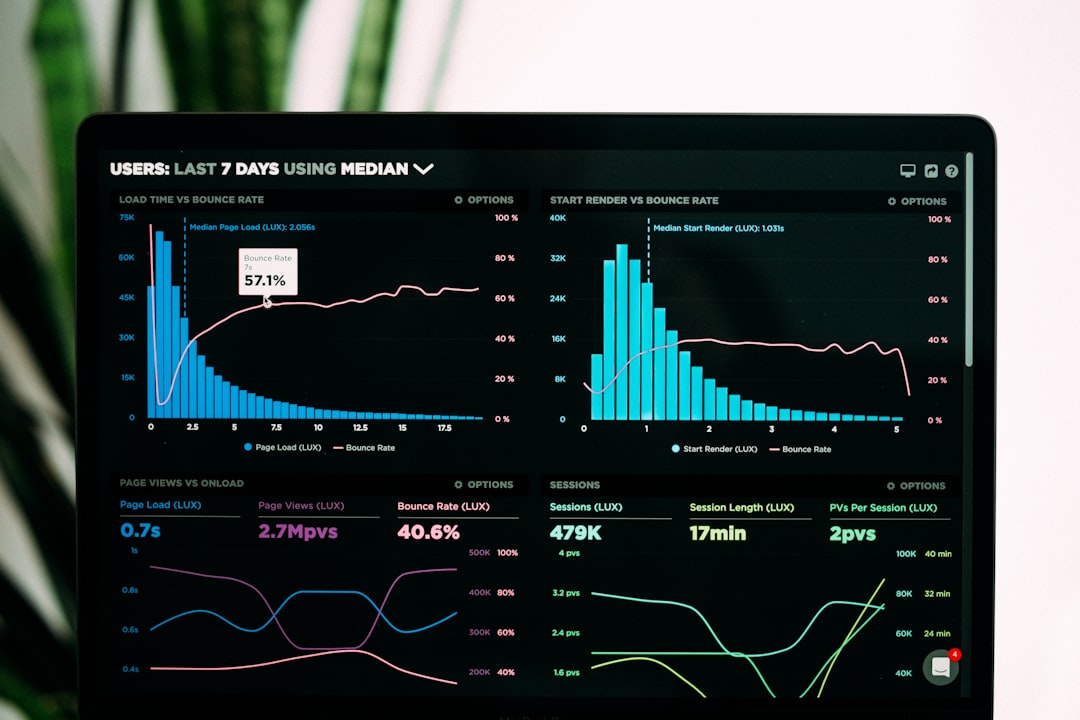
Chat with sales features do more than create conversations. They also generate valuable data. Businesses can analyze chat volume, response times, lead quality, common questions, conversion rates, and drop-off points. These insights help teams understand what customers need before they buy.
For example, if many visitors ask whether a product includes onboarding, the company may need to make onboarding details more visible on the pricing page. If prospects frequently leave after hearing implementation timelines, the sales team may need better expectation-setting materials. Over time, chat data becomes a feedback loop that improves marketing, product positioning, and sales enablement.
Useful metrics to track include:
- Chat engagement rate: the percentage of visitors who start or respond to a chat.
- Lead qualification rate: the percentage of chats that become qualified opportunities.
- Chat-to-meeting conversion rate: how many conversations result in booked calls or demos.
- Response time: how quickly sales representatives reply.
- Revenue influenced by chat: the value of deals connected to chat conversations.
Best Practices for Higher Conversions
To get the best results, businesses should treat chat with sales as a strategic conversion tool rather than a simple support widget. Placement, timing, messaging, and follow-up all influence performance.
Effective best practices include:
- Place chat on high-intent pages. Pricing pages, product pages, checkout pages, demo pages, and comparison pages are ideal locations.
- Use proactive but polite prompts. A helpful question is more effective than an aggressive sales message.
- Route conversations properly. Enterprise leads, technical questions, and billing inquiries should go to the right people.
- Respond quickly. Fast replies increase the chance that the visitor stays engaged.
- Train sales teams on chat etiquette. Messages should be concise, friendly, and focused on solving the buyer’s problem.
- Connect chat with CRM tools. Sales teams need conversation history, lead details, and follow-up reminders.
- Test and optimize. Businesses should experiment with chat triggers, greeting messages, and page placement.
Balancing Automation and Human Sales Support
Automation can improve efficiency, but it should not replace human expertise where it matters most. Chatbots are useful for collecting basic details, answering common questions, and routing visitors. Human sales representatives are better suited for complex objections, negotiation, custom pricing, and relationship-building.
The strongest conversion strategy often combines both. Automation handles the first layer of engagement, while human sales teams step in when the visitor shows serious intent. This balance allows businesses to scale conversations without sacrificing quality.
Conclusion
Chat with sales features can increase conversions by meeting prospects at the moment they are most interested. They reduce uncertainty, personalize recommendations, capture qualified leads, shorten sales cycles, and provide valuable data for future optimization. When implemented with thoughtful timing, trained representatives, and smart automation, sales chat becomes more than a communication tool. It becomes a direct driver of revenue growth.
FAQ
What is a chat with sales feature?
A chat with sales feature is a website tool that lets visitors communicate directly with a sales representative, chatbot, or routing system to ask questions, get recommendations, and move toward a purchase or meeting.
How does sales chat increase conversions?
It increases conversions by giving prospects instant answers, reducing hesitation, qualifying leads, and guiding visitors to the right product, plan, or next step before they leave the website.
Where should a business place sales chat?
Sales chat is most effective on high-intent pages such as pricing pages, product pages, demo request pages, checkout pages, and service comparison pages.
Should chat with sales use automation?
Yes, automation can collect lead details, answer simple questions, and route visitors. However, human representatives should handle complex discussions, custom needs, and high-value opportunities.
What metrics should be tracked?
Businesses should track chat engagement rate, response time, qualified leads, booked meetings, chat-to-sale conversion rate, and revenue influenced by chat conversations.