AI answer engines such as ChatGPT, Gemini, and Perplexity are changing how people discover brands. Instead of clicking through pages of search results, users increasingly ask direct questions and expect summarized, confident answers. For brands, the challenge is no longer only ranking on search engines; it is becoming a trusted source that AI systems can recognize, cite, and summarize accurately.
TLDR: To improve visibility in AI answer engines, a brand needs clear expertise, consistent entity information, high-quality content, and credible third-party mentions. For example, a software company that updates its comparison pages, earns mentions in industry publications, and adds structured data may see more branded references in AI-generated answers over time. If AI-driven referrals currently represent 2% of website traffic, a focused optimization program could help raise that share to 5% or more as users increasingly rely on conversational search.
Why AI Answer Visibility Matters
AI answer engines do not behave exactly like traditional search engines. They synthesize information from many sources, including indexed web pages, knowledge graphs, publisher content, forums, reviews, documentation, and trusted databases. When a user asks, “What is the best project management software for agencies?”, the answer engine may list several brands, explain why they are relevant, and sometimes cite sources.
This means brand visibility depends on more than keywords. AI systems need to understand what the brand is, who it serves, what problems it solves, and why it is credible. The clearer and more consistent that information is across the web, the more likely the brand is to appear in relevant answers.
Build a Strong Brand Entity
AI systems rely heavily on entity recognition. A brand should be easy to identify as a distinct organization, product, or service. Confusing names, inconsistent descriptions, and scattered information can weaken visibility.
To strengthen entity recognition, a company should maintain consistency across:
- Website copy: The homepage, about page, product pages, and contact page should clearly explain the brand.
- Business profiles: Listings on platforms such as Google Business Profile, LinkedIn, Crunchbase, app marketplaces, and review sites should use the same core description.
- Schema markup: Organization, Product, FAQ, Review, and Article schema can help machines interpret content more accurately.
- Author information: Expert bios, credentials, and social profiles help connect content to real people and authority.
A concise brand statement is especially useful. For instance, instead of saying a company provides “innovative digital solutions,” a clearer description would be: “A cloud-based accounting platform for small retail businesses.” AI systems benefit from specificity.
Create Content That Answers Real Questions
Answer engines are built around questions. Brands that want visibility should publish content that directly addresses the questions users ask before making decisions. This includes educational guides, comparison pages, definitions, use cases, pricing explanations, and troubleshooting resources.
Useful content often follows a simple structure:
- State the question clearly.
- Give a direct answer near the top.
- Support the answer with evidence, examples, or data.
- Explain when the answer may change based on context.
- Include related questions to expand topical coverage.
For example, a cybersecurity brand should not only publish a generic article on “data protection.” It should answer specific prompts such as “How can a small business prevent phishing attacks?”, “What is endpoint detection and response?”, and “Which compliance tools are needed for healthcare data?” These detailed pages give AI engines more material to understand and summarize.
Improve E E A T Signals
Experience, expertise, authority, and trust are essential for AI visibility. While different platforms use different systems, all major answer engines aim to provide reliable information. A brand with thin, anonymous, or sales-heavy content may be less likely to appear in high-confidence answers.
To improve trust signals, companies should:
- Publish content written or reviewed by qualified professionals.
- Add author bios with relevant experience.
- Cite reliable sources, research, standards, or original data.
- Update outdated pages regularly.
- Include transparent pricing, policies, and contact information.
- Display customer reviews, case studies, certifications, and awards where appropriate.
Original data is particularly valuable. A brand that publishes annual reports, benchmark studies, surveys, or internal usage statistics can become a source that other sites reference. Over time, this may increase the chance that AI systems associate the brand with expertise in its category.
Earn Mentions Beyond the Brand Website
AI answer engines do not rely only on a company’s own website. They often consider what other credible sources say. This makes digital PR, partnerships, reviews, and industry citations important.
Strong third-party visibility can come from:
- Mentions in respected industry publications.
- Guest contributions on relevant websites.
- Podcast interviews and expert roundups.
- Listings in reputable directories and software marketplaces.
- Customer reviews on trusted platforms.
- Academic, nonprofit, or government references where relevant.
Quantity alone is not enough. A small number of authoritative, context-rich mentions can be more valuable than dozens of low-quality links. The goal is to create a web-wide pattern that confirms the brand’s role, category, and credibility.
Optimize for Citations and Summaries
Perplexity frequently displays citations, while ChatGPT and Gemini may provide source links depending on the product version, query, and browsing settings. Brands should make pages easy to cite by using clear titles, descriptive headings, concise definitions, and factual statements.
A strong citation-friendly page includes:
- A clear answer within the first few paragraphs.
- Well-labeled sections using descriptive headings.
- Short paragraphs that are easy to extract and summarize.
- Statistics, examples, and definitions that provide standalone value.
- Updated publication dates and visible editorial standards.
Content should avoid vague claims such as “the best solution for everyone.” AI engines are more likely to use balanced, specific information. A stronger phrasing would be: “This platform is designed for teams of 10 to 100 employees that need automated invoice tracking and monthly reporting.”
Use Structured Data and Technical SEO
Technical accessibility still matters. If AI systems and search crawlers cannot access or understand a site, the brand’s content may be overlooked. Pages should load quickly, avoid unnecessary script barriers, and provide indexable text rather than hiding important information inside images or interactive elements.
Structured data can support machine understanding. Common schema types include:
- Organization: Helps define the company, logo, website, and official profiles.
- Product: Describes product names, features, reviews, and offers.
- FAQPage: Marks up common questions and answers.
- Article: Clarifies authorship, publication date, and topic.
- LocalBusiness: Supports location-based brand discovery.
Technical SEO does not guarantee AI visibility, but it removes friction. A well-structured site gives answer engines cleaner signals to interpret.
Monitor AI Mentions and Adjust Strategy
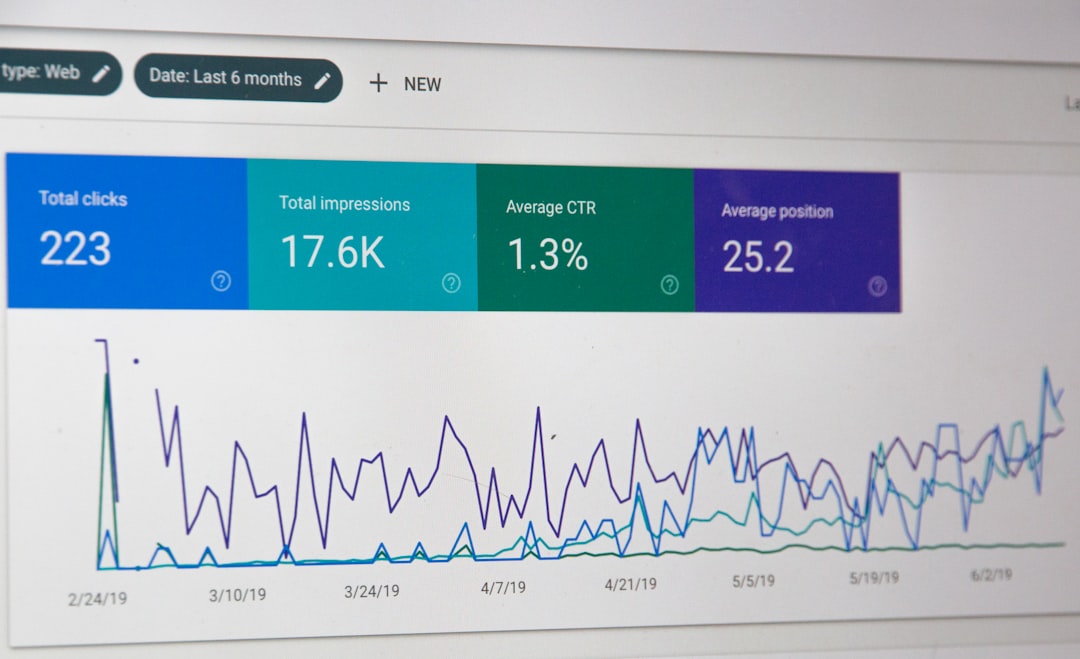
Brand visibility in AI answer engines should be measured regularly. Teams can test prompts that reflect customer behavior, such as comparison queries, problem-based questions, and category searches. Results should be documented over time to see whether the brand is mentioned, how it is described, and which competitors appear.
Useful tracking categories include:
- Brand inclusion: Whether the brand appears in relevant AI answers.
- Position and prominence: Whether it is mentioned first, briefly, or not at all.
- Accuracy: Whether the description, pricing, features, and audience are correct.
- Citations: Which sources are used when links are shown.
- Sentiment: Whether the answer frames the brand positively, neutrally, or negatively.
If AI systems provide outdated or incorrect information, the brand should update its website, improve public profiles, publish clarifying content, and seek corrected descriptions on third-party platforms. Visibility improves when the broader information ecosystem becomes more accurate.
Focus on Long-Term Authority
AI answer visibility is not a quick trick. It is the result of strategic content, trustworthy signals, technical clarity, and external validation. Brands that invest in genuine expertise and clear communication are more likely to be represented accurately as AI-driven discovery grows.
The most successful approach combines traditional SEO, content strategy, digital PR, and brand management. Instead of asking only, “How can the brand rank?”, teams should ask, “How can the brand become one of the most reliable answers in its market?”
FAQ
How can a brand appear in ChatGPT answers?
A brand can improve its chances by publishing clear, expert content, maintaining consistent information across the web, earning credible mentions, and ensuring its site is technically accessible. However, no brand can guarantee inclusion in every ChatGPT response.
Is AI answer engine optimization the same as SEO?
It overlaps with SEO but is not identical. SEO focuses heavily on search rankings, while AI answer optimization focuses on being understood, trusted, summarized, and cited by conversational systems.
Do backlinks still matter for AI visibility?
Yes, but quality and context matter more than raw link volume. Mentions from authoritative, relevant sources can help AI systems understand a brand’s credibility and category.
What type of content works best for AI answer engines?
Content that answers specific questions, includes factual details, uses clear headings, cites reliable sources, and reflects real expertise is most useful. Comparison guides, FAQs, original research, and practical tutorials are especially effective.
How long does it take to improve brand visibility in AI answers?
Results vary by industry, competition, and brand authority. Some improvements may appear within weeks after content updates, while broader recognition across answer engines often takes several months of consistent effort.