Remove egg stains by lifting the solids first, blotting with cold water, and treating the protein residue before it dries. Egg is a protein-based stain, and protein stains can become harder to remove when exposed to heat, which is why hot water and steam should wait until the stain is gone [source: American Cleaning Institute]. The safest first move is simple: scrape, blot, dilute, then clean. Rushing in with a hot machine or a random spray often makes the stain smell worse and stick deeper.
TLDR: For fresh egg on carpet, use a spoon, cold water, and a mild dish soap solution before reaching for stronger products. In a realistic case, a 2-inch egg spill on a nylon rug can often be reduced by 80–90% in under 20 minutes if treated while still wet. If the stain is dry, smelly, or on wool, a carpet-safe enzyme product is usually more reliable than plain soap. Avoid hot water, steam, bleach, and heavy scrubbing.
Why egg stains are so annoying
Egg is not just a yellow mark. It contains proteins, fats, pigment, and moisture. Once it dries, it can form a thin film around carpet fibers. That film traps odor. It also grabs dust, so the spot may look darker days later.
The yolk brings oily residue and color. The white brings sticky protein. Together, they create a stain that needs both gentle removal and degreasing. This is why water alone may lighten the stain but fail to remove the smell.
Image not found in postmetaFirst response: what to do in the first 10 minutes
If the egg is still wet, act calmly. Do not rub it into the carpet. Do not pour water over it. Too much water can push egg into the backing, where odor becomes harder to treat.
- Scrape up solids. Use a spoon, dull knife, or card. Work from the outside toward the center.
- Blot with a dry white cloth. Press, lift, and repeat. White cloths help you see transfer and avoid dye bleeding.
- Apply cold water lightly. Mist the area or dab with a damp cloth.
- Blot again. Remove as much moisture as possible before adding cleaner.
This boring step matters. It prevents the egg from spreading. It also reduces how much cleaner you need later.
DIY method 1: cold water and dish soap
This is the best starting point for most synthetic carpets. It is cheap, controlled, and easy to rinse.
Mix:
- 1 cup cold water
- 1/4 teaspoon clear liquid dish soap
Dip a clean cloth into the solution. Wring it out so it is damp, not dripping. Blot the stain. Wait two to three minutes. Blot with a second cloth dampened with plain cold water. Then press with dry towels.
The goal is not to soak the carpet. The goal is to transfer egg from carpet to cloth. If you see yellow or cloudy residue on the cloth, the method is working.
DIY method 2: vinegar rinse for light odor
White vinegar can help with mild odor after most of the egg has been removed. It is not a magic stain remover, but it can cut some residue.
Mix:
- 1 tablespoon white vinegar
- 2 cups cold water
Blot the area with the solution, wait five minutes, then blot with plain cold water. Dry the spot with towels. Put a heavy object over a folded towel for 30 minutes to pull moisture upward.
Do not use vinegar on natural stone nearby. Be careful with wool rugs too. Wool can be sensitive to harsh pH changes, so test first in a hidden corner.
DIY method 3: baking soda for leftover smell
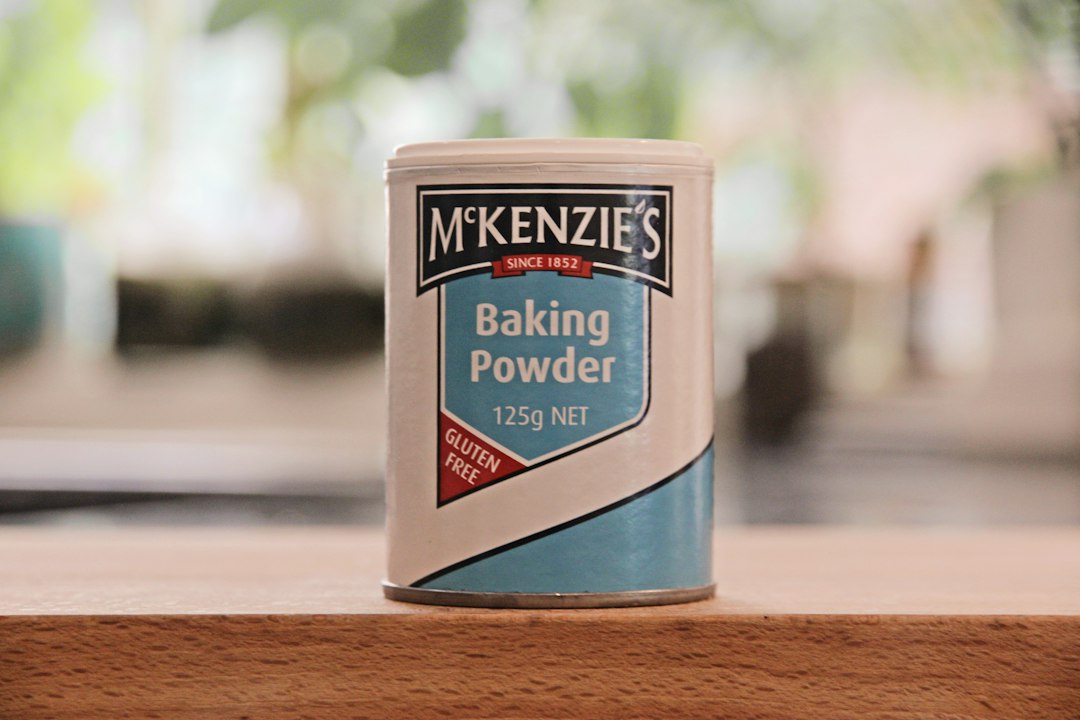
Use baking soda only after the carpet is mostly clean and barely damp. Sprinkle a thin layer over the area. Let it sit for several hours, then vacuum slowly.
Do not cake baking soda onto wet carpet. That creates paste. Expect to waste time picking gritty residue out of the fibers if you overdo it. A light dusting is enough.
When carpet cleaning products work better
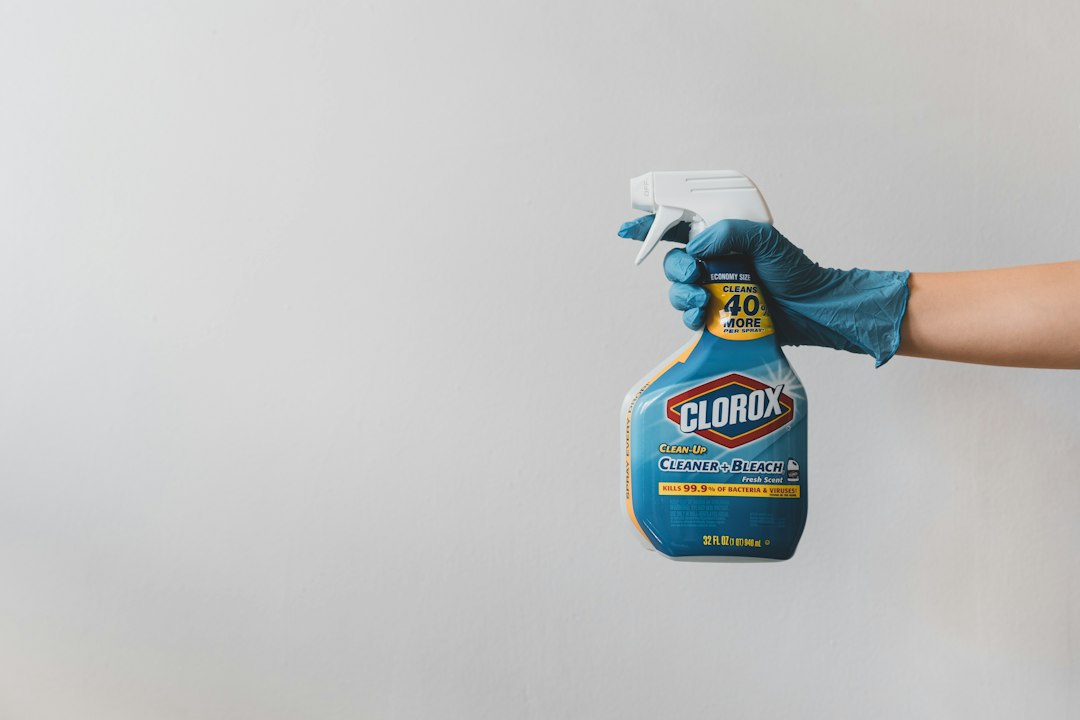
DIY methods are good for fresh stains. Carpet cleaning products are better when the egg has dried, the smell remains, or the stain has reached dense pile. In those cases, look for a carpet-safe enzyme cleaner. Enzymes break down protein residue that soap may leave behind.
Choose a product labeled for carpets and upholstery. Check whether it is safe for wool if you have a wool rug. Also check whether it requires rinsing. Some spot cleaners leave sticky residue if they are not removed fully.
It drives me crazy that many foaming sprays look effective for the first five minutes, then leave a dull patch that collects dirt within a week. The foam is not the result. The rinse is the result. If the product says to blot and rinse, do not skip that step.
DIY cleaners vs commercial products
| Option | Best for | Main risk |
|---|---|---|
| Cold water | Fresh egg, small spills | May not remove fat or odor |
| Dish soap solution | Fresh stains on synthetic carpet | Sticky residue if overused |
| Vinegar solution | Light odor after cleaning | Can affect delicate fibers |
| Enzyme carpet cleaner | Dried egg, odor, protein residue | Needs dwell time and testing |
| Professional cleaning | Large spills, wool, repeated odor | Higher cost |
What not to use on egg stains
Some cleaners make egg stains worse. Avoid these unless a carpet care label clearly allows them:
- Hot water: It can set protein residue.
- Steam cleaners: Use only after the stain is fully removed.
- Bleach: It can damage carpet dye and fibers.
- Ammonia: It has a strong odor and may harm some fibers.
- Colored cloths: Dye transfer can create a second stain.
- Hard scrubbing: It distorts pile and spreads residue.
How to handle dried egg
Dried egg needs patience. First, scrape away the crust with a dull edge. Vacuum the dry flakes. Then apply cold water with a cloth to soften what remains. Do not flood the area.
After softening, use the dish soap solution. Blot slowly. If odor remains, apply an enzyme carpet cleaner according to the label. Many enzyme products need 10 to 30 minutes of contact time. Covering the area with a damp cloth can help keep it active, but only if the label allows it.
When to call a professional
Call a professional cleaner if the egg spill is large, has reached the carpet pad, or still smells after two careful treatments. Also get help for silk, antique, or hand-knotted rugs. These materials can bleed, shrink, or brown when treated incorrectly.
Professionals can use controlled rinsing and extraction. That matters when egg has moved below the surface. The Institute of Inspection, Cleaning and Restoration Certification advises prompt, proper spot treatment to reduce long-term damage risk [source: IICRC].
Final practical advice
Start with the mildest method that fits the stain. For wet egg, scrape and blot with cold water first. Then use a tiny amount of dish soap solution. For dried egg or odor, move to an enzyme carpet cleaner. Serious stains need extraction, not more scrubbing.
The best result comes from restraint. Use less liquid, less force, and more blotting. Egg stains look dramatic, but most can be removed if you keep heat away and treat the protein residue before it bonds with the fibers.