Shein is generally safe to order from if you treat it like a low-cost marketplace, not a premium retailer. The biggest risks are not usually stolen payment details. They are sizing surprises, slow returns, quality swings, and products that look better in photos than in real life. Shein is huge, too: Business of Apps estimated 262 million Shein app downloads in 2023 [source: Business of Apps].
TLDR: Shein is safe enough for cheap fashion, basics, accessories, and trend pieces, especially if you use PayPal, Apple Pay, Google Pay, or a credit card. For example, a $60 cart with 8 items may be worth the risk if you expect one or two pieces to miss on sizing or fabric. Compared with Temu and AliExpress, Shein is usually better for women’s clothing and faster browsing, while AliExpress has more variety and Temu often has aggressive discounts. Avoid buying baby products, electronics, beauty items with unclear ingredients, or anything where safety really matters.
Is Shein safe for payments?
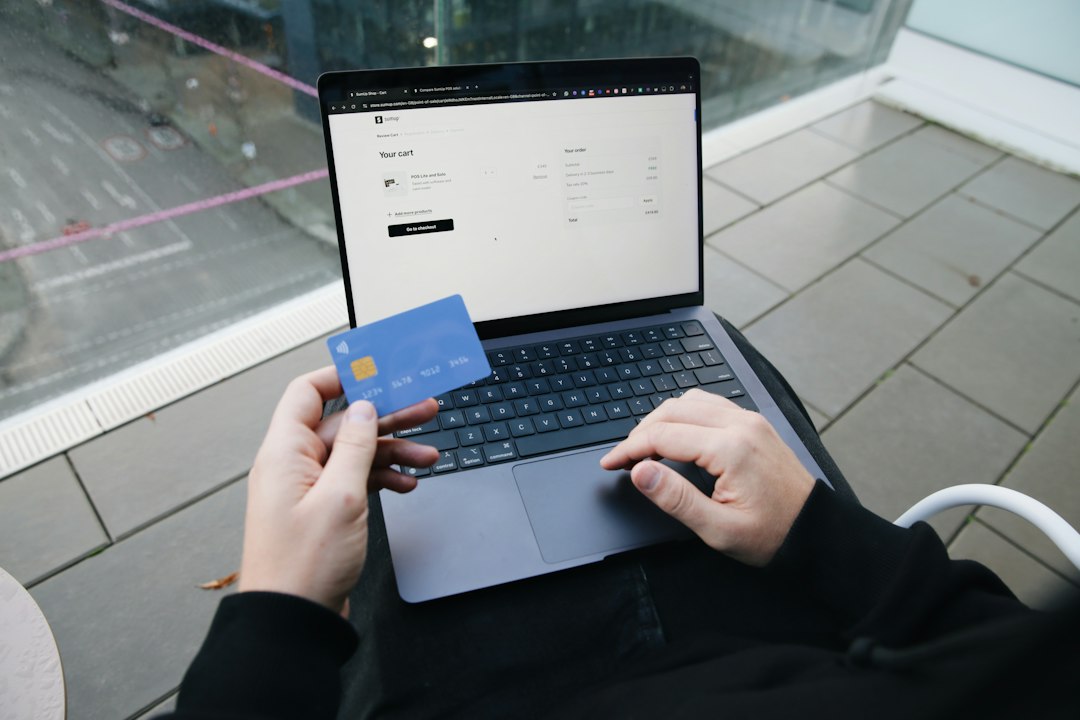
Yes, Shein uses standard checkout methods and encrypted payment pages. That part is not the thing most shoppers should worry about. The smarter move is to avoid entering debit card details directly. Use a payment method with buyer protection.
- Best: PayPal, Apple Pay, Google Pay, or a credit card.
- Okay: A virtual card from your bank.
- Less ideal: A debit card tied to your main bank account.
The catch is that refunds can feel slow. You may get store credit faster than money back to your card. That is annoying when the item cost only $9, but the return process takes more effort than the shirt is worth.

What Shein does well
Shein is best at cheap fashion with fast discovery. The app is built to keep you scrolling. Product photos are everywhere. Reviews often include user photos, height, weight, and size notes. That helps a lot.
Shein also wins on style range. If you want a wedding guest dress, gym set, cardigan, phone case, and hair clip in one cart, it can handle that. Prices are low enough that shoppers often buy multiple sizes or colors.
Another plus is the review volume. A dress with 8,000 reviews gives you more clues than a near-identical item on a smaller store with 12 reviews. Still, read the negative reviews first. They often mention thin fabric, odd seams, bad zippers, or colors that look off.
Where Shein can go wrong
Quality is the main gamble. Some items look shockingly good for the price. Others feel like costume fabric. Sizing can also be weird. A medium in one dress may fit like a small in another.
Expect to waste time on measurements. Do not trust size labels alone. Check the garment measurements, not just “S, M, L.” If a listing has no real reviews or no customer photos, skip it.
There are also wider concerns around supply chains and product testing. Regulators and consumer groups have raised questions about ultra-cheap goods sold through fast shopping apps, especially around chemicals, labor practices, and product claims. The EU has also placed large online platforms under tighter rules through the Digital Services Act [source: European Commission].
Shein vs AliExpress
AliExpress is broader. It sells clothing, car parts, craft tools, gadgets, home items, and strange little things you did not know existed. It is less polished than Shein for fashion, though.
Shein usually feels easier for clothing. Photos are cleaner. Reviews are more useful for outfits. Returns are often more straightforward. AliExpress can be cheaper for small accessories and parts, but shipping times vary more by seller.
- Choose Shein for dresses, tops, swimwear, and trendy outfits.
- Choose AliExpress for niche goods, replacement parts, hobby items, and bulk accessories.
Shein vs Temu
Temu is closer to a general discount store. It sells clothing, home items, pet gear, kitchen tools, beauty gadgets, toys, and random impulse buys. The prices can be wild. The app also pushes coupons hard, which can get tiring fast.
Shein is better if your main goal is fashion. Temu is better if you want a cheap shower caddy, storage bins, craft supplies, or phone accessories. For clothes, Temu can be hit or miss. Honestly, it feels like you need to read twice as many reviews to feel half as confident.

How Shein compares with Amazon and other apps
Amazon is usually safer for returns and speed. If you need a jacket by Friday, Amazon is the easier bet. But Amazon fashion can cost more, and many listings now feel oddly similar to marketplace products from discount apps.
Zara, H&M, and ASOS tend to offer more predictable sizing and easier returns, depending on your country. They cost more than Shein, but the quality floor is often higher. That matters for jeans, coats, shoes, and workwear.
What should you avoid buying from Shein?
Some categories are not worth the risk. Cheap is nice. Safety is nicer.
- Baby items such as sleepwear, toys, or feeding products.
- Electronics from unclear brands.
- Skincare or makeup without clear ingredient details.
- Shoes for daily walking if comfort matters.
- Formal clothes needed for one fixed date with no backup plan.
Tips for ordering safely
- Read reviews with photos. They are more useful than studio images.
- Check fabric details. Polyester is common. Cotton claims matter.
- Measure yourself. Then compare with the product chart.
- Start with a small order. Test the fit before spending more.
- Use protected payment. Avoid direct debit card payments.
- Record unboxing if the order is expensive. It can help with disputes.
So, is Shein safe to order from? Yes, for low-stakes fashion buys. It is not the best place for items where durability, safety, or exact fit matters. Think of it as a budget trend shop with a few gems, a few duds, and a return process you do not want to use too often.