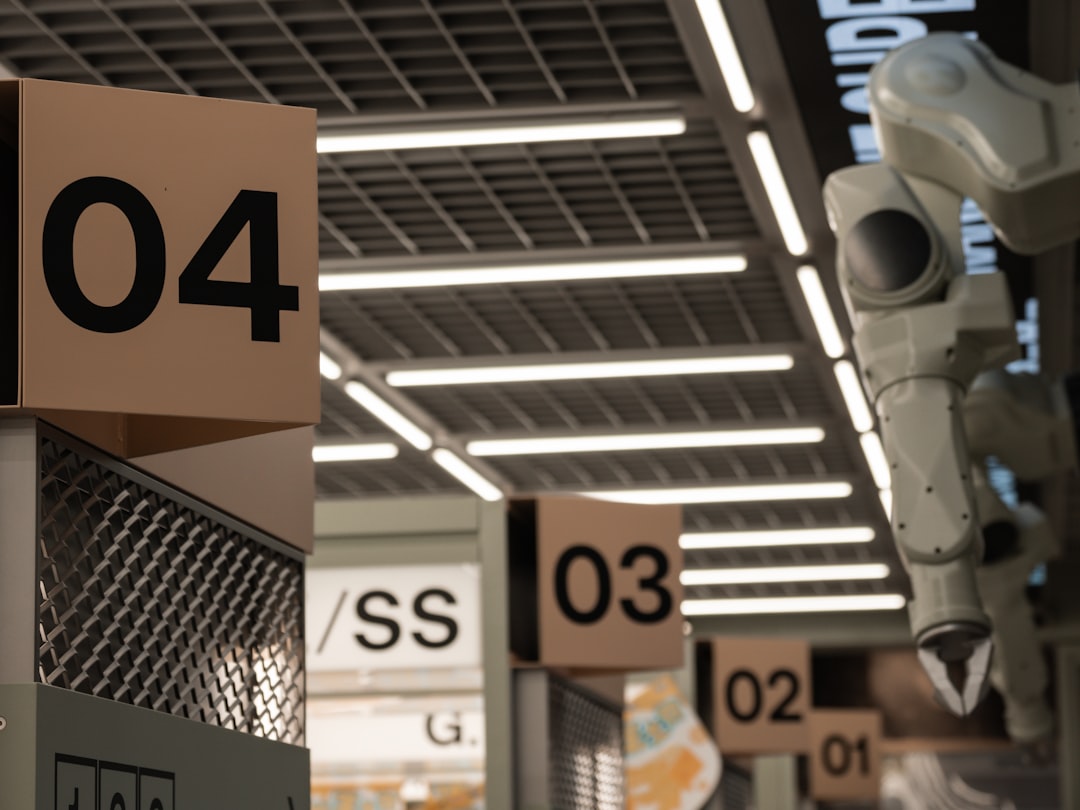
Imagine a busy airport for robots. Some robots carry boxes. Some scan shelves. Some clean floors. Some move pallets. They all need to know where to go, what to do, and when to get out of the way. That is where multi-robot orchestration software providers come in.
TLDR: Multi-robot orchestration software helps many robots work together without chaos. It assigns jobs, plans routes, avoids traffic jams, and connects robots to warehouse or factory systems. Providers in this space help companies use robots from one brand, or many brands, as one smart team.
What Is Multi-Robot Orchestration?
Multi-robot orchestration is software that acts like a conductor for a robot orchestra. Each robot is a musician. The software holds the baton. It tells each robot when to move, where to go, and what task to do next.
Without orchestration, robots may act like excited puppies. They may crowd the same aisle. They may wait too long. They may choose bad routes. They may even block each other. That is not good for a warehouse, hospital, factory, or store.
With orchestration, the robots work as a team. One robot picks up a bin. Another moves a cart. Another scans inventory. The software keeps the whole show moving.
Simple idea: the robots do the physical work. The orchestration software does the thinking and planning.
Why Do Companies Need It?
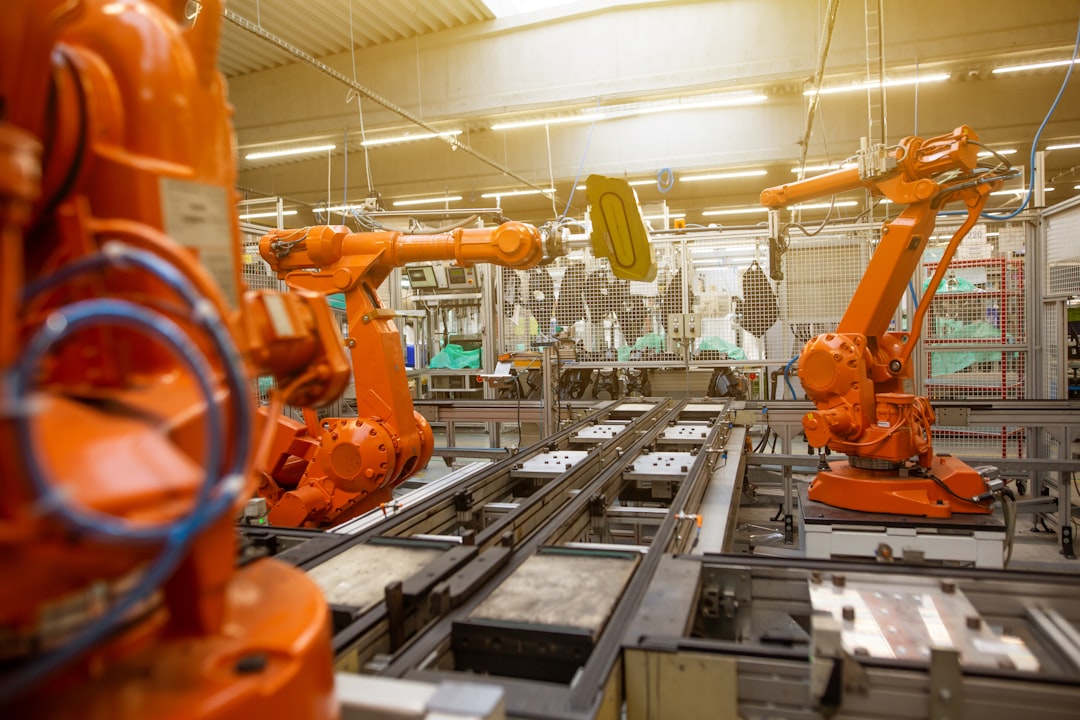
Robots are no longer rare. Many businesses use them every day. Warehouses use autonomous mobile robots. Factories use automated guided vehicles. Hospitals use delivery robots. Farms use field robots. Stores use shelf scanning robots.
At first, a company may buy one type of robot. That is easy to manage. But later, the company may add more robots. Then it may add robots from another brand. Suddenly, the robot world gets messy.
That is when orchestration becomes important.
Good orchestration software can help with:
- Task assignment: It decides which robot should do which job.
- Traffic control: It keeps robots from blocking each other.
- Route planning: It finds smart paths through a building.
- Status tracking: It shows where robots are and what they are doing.
- Battery management: It sends robots to charge at the right time.
- System integration: It connects robots to warehouse, factory, or hospital software.
In short, it turns a crowd of machines into a team.
Who Are Multi-Robot Orchestration Software Providers?
These providers build platforms that manage robot fleets. Some focus on one robot brand. Others focus on many brands. The second type is often called vendor neutral or robot agnostic.
That means the software does not care who made the robot. It only cares about managing the work. This is very useful for big companies. They may have different robot models in different locations.
Some well-known types of providers include:
- Robot manufacturers that offer their own fleet software.
- Independent orchestration platforms that connect many robot brands.
- Warehouse software companies that add robot control features.
- Automation integrators that combine robots, software, and hardware.
Each provider has a different style. Some are simple and focused. Some are powerful and complex. Some are built for warehouses. Others are made for factories, hospitals, or public spaces.
The Big Problem: Too Many Robot Languages
Here is the funny part. Robots do not always “talk” the same way.
One robot brand may use one system. Another robot brand may use another system. A warehouse platform may use its own language too. It can feel like a dinner party where every guest speaks a different language.
Multi-robot orchestration software acts like a translator. It helps all the systems understand each other.
This matters because companies do not want to be locked into one robot brand forever. They want choice. They want to buy the best robot for each job. They also want one dashboard to manage everything.
One dashboard. Many robots. Less headache.
What Good Providers Usually Offer
A strong provider usually offers more than a pretty map with moving dots. The best platforms are practical. They solve daily problems.
Look for features like:
- Fleet visibility: Operators can see every robot in real time.
- Smart dispatching: The system picks the best robot for each task.
- Traffic rules: Robots follow lanes, priorities, and no go zones.
- Error handling: The software alerts humans when something goes wrong.
- Data reports: Managers can see performance, delays, and robot usage.
- Open APIs: Other software can connect to the platform.
- Multi-site support: One team can manage robots in many buildings.
These features may sound serious. But they make life easier. They stop small problems from becoming big robot traffic jams.
Common Places Where This Software Is Used
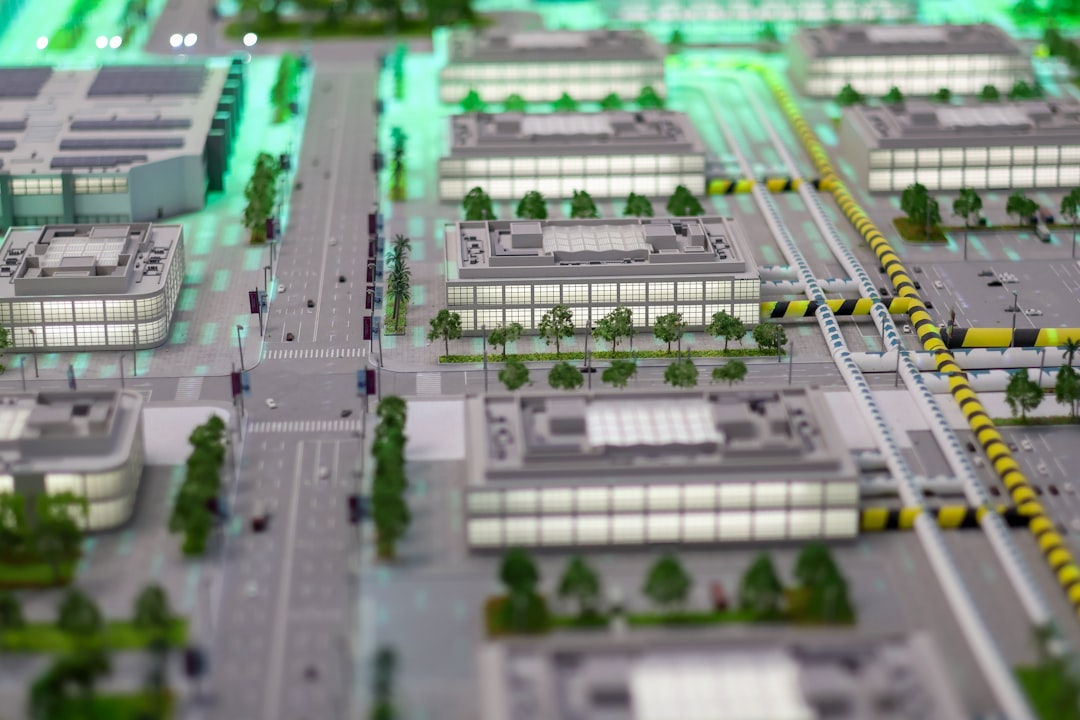
Multi-robot orchestration is useful anywhere robots move around people, goods, or equipment.
Warehouses
This is one of the biggest use cases. Robots move totes, shelves, carts, and pallets. The software sends jobs to the right robot. It also keeps aisles flowing.
Manufacturing Plants
Factories use robots to move parts between machines. Timing matters a lot. If parts arrive late, production slows down. Orchestration helps keep the line moving.
Hospitals
Hospitals use robots to deliver medicine, meals, linens, and lab samples. These robots share space with people. So safe routing is very important.
Retail Stores
Some robots scan shelves. Others clean floors. Orchestration can help schedule tasks after hours or during quiet times.
Airports and Campuses
Large spaces can use robots for delivery, cleaning, security, and inspection. The software helps them work without bumping into the human parade.
Why Vendor Neutral Software Is Getting Popular
Many companies want freedom. They do not want to marry one robot brand on the first date. That is why vendor neutral orchestration is growing.
With a vendor neutral platform, a business can mix robots. It may use one robot for heavy loads. Another for small items. Another for scanning. Each robot can be chosen for its best skill.
This is like building a superhero team. You do not pick five heroes with the same power. You pick one who is strong. One who is fast. One who can fly. One who makes great coffee. Okay, maybe not that last one. But it would be nice.
The software becomes the team leader. It knows who should do what. It keeps the mission on track.
How Providers Connect to Other Systems
Robots do not work alone. They need instructions from business systems.
In a warehouse, a warehouse management system may create orders. The orchestration platform turns those orders into robot tasks. In a factory, a manufacturing execution system may request material movement. In a hospital, a delivery system may request a medicine run.
The orchestration layer sits in the middle. It connects the business goal to the robot action.
Think of it like ordering pizza. You choose the pizza. The app sends the order. The kitchen makes it. The driver brings it. You do not need to know every step. You just want dinner.
In the robot world, the business system says, “Move this item.” The orchestration software says, “Robot 17, you are up.”
What Makes a Provider Stand Out?
Not all providers are equal. Some shine because they are easy to use. Some shine because they support many robot types. Some shine because they handle huge fleets.
Important things to compare include:
- Robot compatibility: How many robot brands can it support?
- Scalability: Can it handle 10 robots today and 500 later?
- Reliability: Does it work well during busy hours?
- Safety tools: Does it reduce risk in shared spaces?
- Ease of setup: Can teams launch it without endless stress?
- Support: Does the provider help when robots get confused?
- Analytics: Can managers learn from the data?
A good provider is not just selling software. It is selling calm. It is selling fewer surprises. It is selling a smoother robot day.
The Role of AI in Robot Orchestration
Artificial intelligence can make orchestration smarter. It can help predict delays. It can learn which routes are fastest. It can spot patterns in robot behavior.
For example, the software may learn that one hallway gets crowded at 10 a.m. every day. So it sends robots another way. It may notice that one robot battery drains faster than usual. So it schedules maintenance.
AI does not make the robots magical. But it can make them more useful. It helps the system improve over time.
Challenges Providers Must Solve
This field is exciting. But it is not easy.
Providers must deal with messy real-world spaces. Floors change. People leave carts in bad spots. Doors break. Elevators get busy. Wi-Fi gets moody. Robots get confused by shiny surfaces or surprise obstacles.
The software must handle all of this without drama.
Security is also important. Robot fleets are connected systems. They may carry data about buildings, workflows, and operations. Providers need strong cybersecurity. No one wants a hacked delivery robot roaming around like a tiny villain.
Another challenge is standardization. The industry needs better common rules for how robots communicate. Standards are improving. But there is still work to do.
Questions to Ask Before Choosing a Provider
If a company is picking a multi-robot orchestration provider, it should ask simple but powerful questions.
- Can the platform manage robots from different vendors?
- Does it connect with our current software?
- How hard is it to add new robots?
- What happens when a robot fails during a task?
- Can humans easily understand the dashboard?
- Does the provider offer testing and simulation?
- How does the system protect data?
- Can it grow with our business?
These questions help avoid painful surprises. They also help teams choose software that fits real needs, not just shiny demos.
The Future of Multi-Robot Orchestration
The future looks busy. Very busy. More robots are coming. They will be in warehouses, factories, stores, hospitals, hotels, schools, and city spaces.
As robot fleets grow, orchestration will become even more important. Companies will not want ten different control screens. They will want one smart system. They will want robots to plug in, join the team, and get to work.
We may also see more cloud platforms. More simulation tools. More AI planning. More open standards. And better human robot collaboration.
The best systems will feel almost invisible. Robots will move smoothly. Tasks will happen on time. Humans will spend less time babysitting machines. That is the dream.
Final Thoughts
Multi-robot orchestration software providers are becoming key players in automation. They help robots work together like a team, not a crowd. They connect machines, tasks, maps, and business systems into one clear flow.
The idea is simple. Many robots need one brainy coordinator. That coordinator helps them move safely, work faster, and avoid robot traffic jams.
As more companies adopt robots, orchestration will matter more. It will be the difference between a smooth robot ballet and a metal bumper car party. And let us be honest. The ballet sounds better.