NordVPN’s post-quantum encryption is worth enabling if your app supports it, but it is not a full replacement for WireGuard-style speed and clean design. Think of it as a stronger key exchange layer built for the “store now, decrypt later” threat, where attackers capture encrypted traffic today and wait for future quantum computers to break older cryptography.
TLDR: NordVPN’s post-quantum VPN encryption aims to protect session keys against attacks from future quantum computers, while WireGuard remains one of the fastest and simplest VPN protocols available today. For example, a journalist sending sensitive files over hotel Wi-Fi may care more about long-term privacy than losing 3–8% speed in some sessions. Most users should pick NordLynx with post-quantum protection when available, but WireGuard-based VPNs are still excellent for streaming, gaming, and daily browsing.
What NordVPN means by post-quantum encryption
Post-quantum encryption sounds like science fiction marketing. Some of it is. But the core idea is real and serious.
Modern VPNs use cryptography to agree on secret keys. Those keys protect your traffic while it moves through the VPN tunnel. Traditional key exchange methods, such as those based on elliptic curve cryptography, are very strong against normal computers. The problem is future quantum computers could break some of those methods much faster than classical machines.
NordVPN’s post-quantum approach is designed to solve that specific problem. It adds quantum-resistant key exchange to its VPN connection process. The goal is simple: even if someone records your traffic now, they should not be able to decrypt it years later with a powerful quantum machine.
This is usually called protection against harvest now, decrypt later attacks. It matters most for people whose data stays sensitive for years. Legal files, research notes, medical information, source protection, business strategy, and political communication all fit that category.
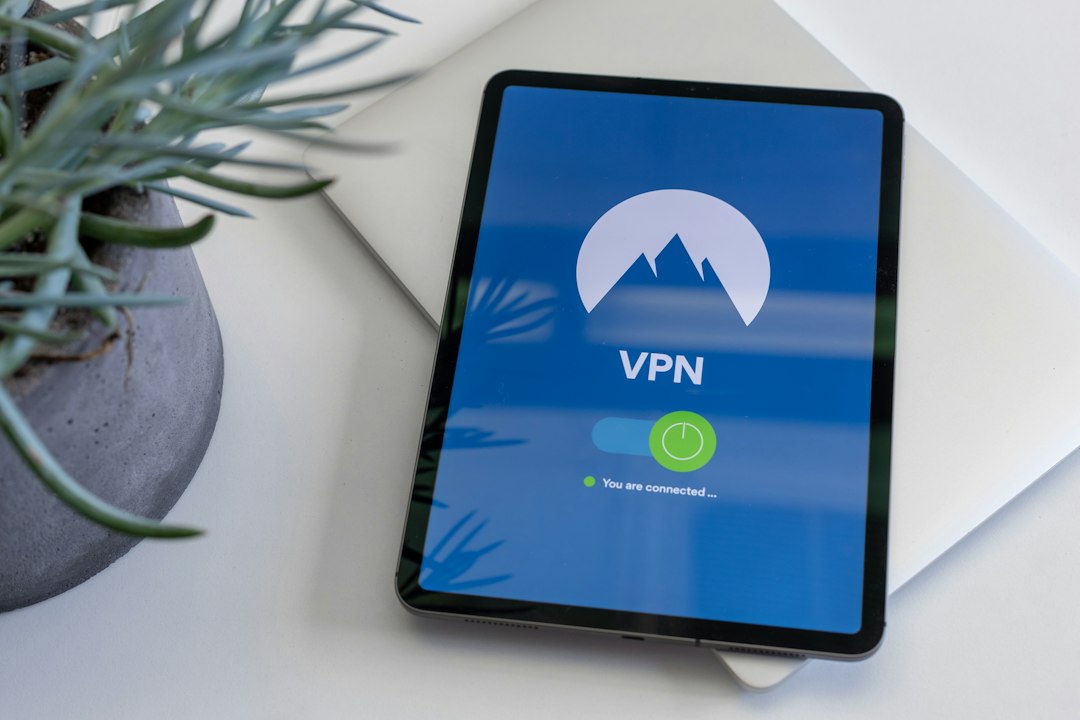
Post-quantum VPN encryption vs WireGuard
WireGuard changed VPN expectations. It is fast, small, and easier to audit than older protocols such as OpenVPN or IPsec. It uses modern cryptography, including Curve25519 for key exchange and ChaCha20 for encryption. That design is one reason many VPN apps feel faster today than they did a few years ago.
NordVPN’s NordLynx is based on WireGuard, with extra privacy engineering added. Standard WireGuard does not assign users the same kind of traditional VPN identity model, so NordVPN built a double NAT system around it. That helps avoid storing identifiable static IP relationships while keeping WireGuard’s speed benefits.
The issue is that WireGuard’s default key exchange is not post-quantum. It is safe today. It is not built for a future where large-scale quantum computers can attack elliptic curve cryptography.
That does not make WireGuard “bad.” It makes it a product of current practical security. Honestly, it feels silly when people frame this as WireGuard being broken. It is not broken. It is just not finished for the quantum era.
- WireGuard: very fast, elegant, proven in real-world VPN use.
- NordLynx: WireGuard-based, tuned for privacy and performance inside NordVPN.
- Post-quantum NordVPN connections: add future-resistant key exchange to reduce long-term exposure.
Does post-quantum encryption make a VPN slower?
Usually, a little. Post-quantum algorithms often use larger keys and heavier handshake data than classic elliptic curve methods. That can add small delays when a VPN connects or reconnects.
The ongoing data transfer may still be fast because most VPN traffic uses symmetric encryption after the handshake. Symmetric encryption, such as AES or ChaCha20, is not affected in the same way by quantum attacks. Grover’s algorithm can reduce the effective security level, but larger key sizes help manage that risk.
In practical terms, the biggest difference may be connection setup time. You might see a handshake take a fraction of a second longer. On a weak mobile network, it could feel more noticeable. Expect to waste time only if the app hides what is happening and gives you a generic “connecting” spinner. That is the kind of VPN behavior that still annoys users more than cryptography ever will.
What post-quantum VPNs protect, and what they do not
A post-quantum VPN does not make you anonymous by magic. It does not stop phishing. It does not protect you from logging into a personal account. It does not erase browser fingerprints. It also does not mean every part of the internet is quantum-safe.
What it can protect is the VPN tunnel’s key agreement. That is still valuable. If an attacker records your encrypted VPN traffic, post-quantum key exchange makes future decryption much harder, assuming the implementation is sound.
Best use cases include:
- Journalists who need source conversations to remain private for many years.
- Lawyers handling sensitive client material.
- Companies moving confidential plans across remote teams.
- Researchers working with unpublished data.
- Privacy-focused users who prefer early protection against future risks.
How modern VPN alternatives compare
NordVPN is not the only provider thinking about future-resistant security. The VPN market has moved beyond simple “hide your IP” tools. Many services now compete on protocol design, audits, RAM-only servers, multi-hop routing, malware blocking, and identity protection extras.
Mullvad is a strong WireGuard-first choice for privacy minimalists. It supports anonymous account numbers and accepts cash payments in some regions. Its strength is not flashy features. It is restraint.
IVPN also focuses on privacy and clear controls. It offers multi-hop options and a clean security posture. Its apps are less noisy than many mainstream VPNs.
Proton VPN adds a broader privacy suite, including email and cloud storage. It also offers Secure Core routing, which sends traffic through hardened servers in privacy-friendly locations before exiting elsewhere.
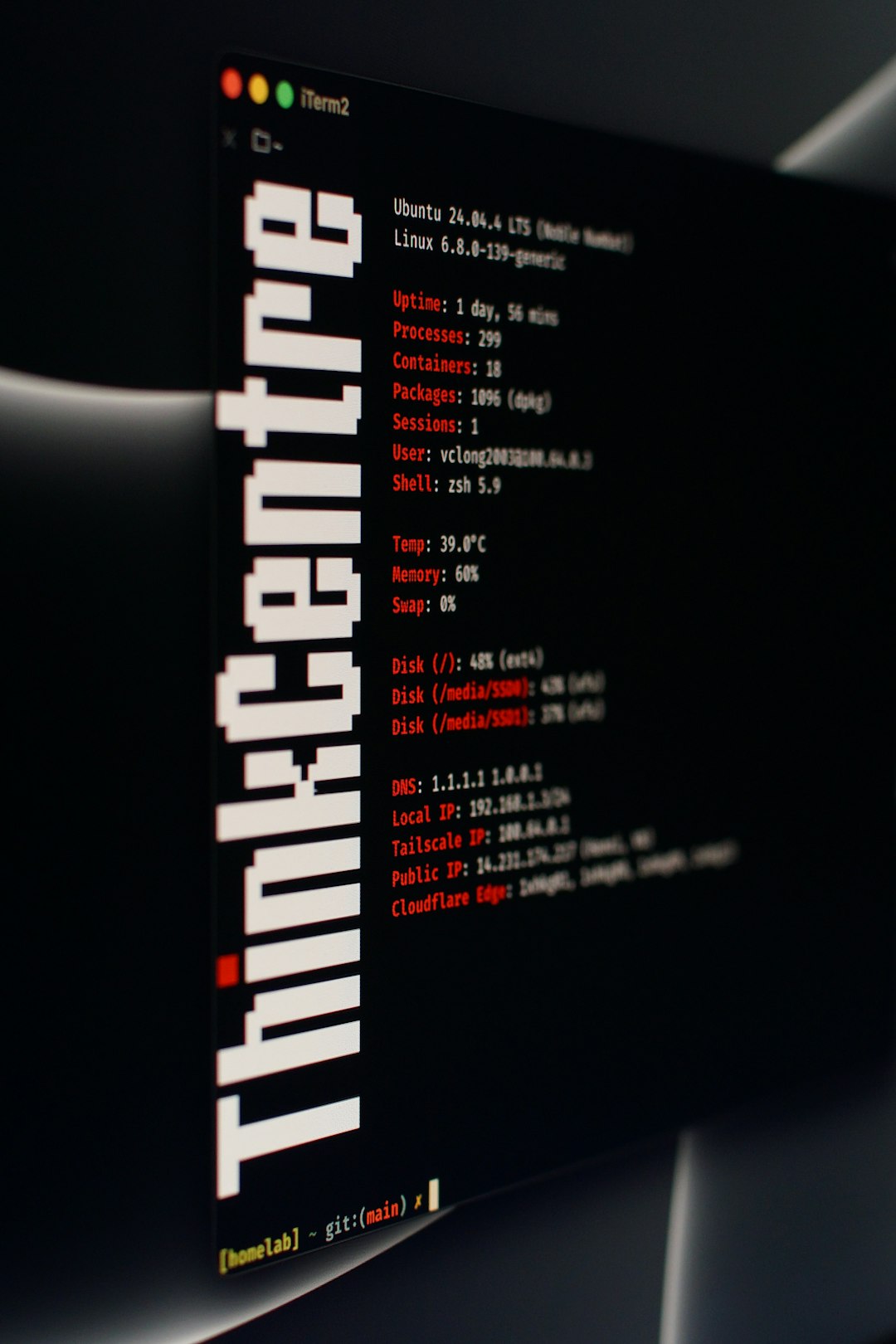
Tailscale and ZeroTier are different. They are not classic consumer VPNs for hiding your traffic from websites. They create private networks between your own devices. For remote access, development servers, and small teams, they can be far better than a commercial VPN subscription.
For raw everyday use, WireGuard-based services still feel great. They connect quickly. They stream well. They keep latency low. If you mainly watch Netflix, protect airport Wi-Fi sessions, or stop your ISP from seeing DNS requests, a standard WireGuard VPN remains a strong pick.
Where NordVPN’s post-quantum option stands out
NordVPN’s advantage is packaging. Many users will not manually configure experimental cryptography. They will not compile clients or read draft standards. They want a switch in an app. If NordVPN can bring post-quantum connections into normal consumer VPN use without wrecking speed, that is useful.
The feature is most compelling when paired with NordLynx. You get WireGuard-style performance plus added protection in the key exchange phase. That combination is more realistic than asking users to choose between speed and future security.
Still, availability matters. Post-quantum support may depend on your operating system, app version, protocol setting, and server support. Check the app settings rather than assuming every connection uses it. VPN companies love big feature banners, but the fine print often lives two taps too deep.
Should you switch from WireGuard to post-quantum VPN encryption?
If the option exists in your NordVPN app, yes, try it. Run a speed test with it on and off. Check connection time, download speed, upload speed, and latency. If the difference is small, keep it enabled.
If you use another WireGuard VPN and it does not yet support post-quantum key exchange, do not panic. WireGuard is still secure for current threats. The real question is how long your data needs to stay secret. If your traffic has a short shelf life, standard WireGuard is fine. If your data could harm you in ten years, post-quantum protection becomes more attractive.
Image not found in postmetaThe bottom line
NordVPN’s post-quantum encryption is a smart upgrade, not a magic shield. It targets a real future risk while keeping the familiar speed benefits of NordLynx and WireGuard-style VPN design. For most people, the best setup is simple: use NordLynx, enable post-quantum protection if your app supports it, and keep your expectations realistic.
WireGuard remains one of the best modern VPN foundations. Post-quantum key exchange is the next layer. The strongest VPNs will likely combine both: fast tunnels for today, and quantum-resistant handshakes for tomorrow.