In fast-moving product organizations, alignment can be harder than the work itself. Teams may be busy building, testing, and shipping, yet still pull in different directions. PI Planning, short for Program Increment Planning, is one of the core events in the Scaled Agile Framework, or SAFe, designed to solve that problem by bringing multiple agile teams together around shared goals, dependencies, risks, and delivery plans.
TLDR: PI Planning is a structured, usually two-day event where all teams in an Agile Release Train agree on what they will deliver in the next 8 to 12 weeks. For example, a fintech company with 8 teams and 95 people might use PI Planning to coordinate a mobile payment feature, reduce dependency surprises by 40%, and align engineering, product, UX, security, and operations before development starts. The outcome is a set of committed team objectives, a program board, identified risks, and a shared understanding of priorities.
What Is PI Planning?
PI Planning is a recurring planning event used in SAFe to coordinate the work of several agile teams that belong to the same Agile Release Train, often called an ART. An ART is a long-lived group of teams, usually 50 to 125 people, that work together to deliver value in a specific product, platform, or business area.
Unlike sprint planning, which focuses on what a single team will do in the next one or two weeks, PI Planning looks across a broader time horizon. A typical Program Increment lasts 8 to 12 weeks and includes multiple iterations. During the event, teams break down features, estimate capacity, identify dependencies, and define business objectives.
The real value of PI Planning is not just the plan. It is the conversation. Teams discover where they depend on one another, product leaders clarify priorities, architects explain technical direction, and stakeholders see whether expectations are realistic before execution begins.

Why PI Planning Matters
As organizations scale, simple coordination becomes complex. One team may need an API from another team, while a third team depends on design decisions that are still incomplete. Without a shared planning event, these issues often appear late, causing missed deadlines and rushed trade-offs.
PI Planning helps teams:
- Align around business priorities instead of isolated team backlogs.
- Expose dependencies early so teams can coordinate before problems escalate.
- Improve predictability by matching planned work to actual team capacity.
- Create transparency for executives, product managers, and delivery teams.
- Increase ownership because teams participate directly in shaping the plan.
Done well, PI Planning turns strategy into executable work. Done poorly, it becomes a long meeting with too many slides and too little decision-making.
Who Participates in PI Planning?
PI Planning is intentionally inclusive. The core participants are all members of the Agile Release Train, including developers, testers, Scrum Masters or team coaches, Product Owners, Product Management, Release Train Engineers, System Architects, UX specialists, and relevant business stakeholders.
The Release Train Engineer, or RTE, usually facilitates the event. Product Management presents the vision and top features. Business Owners explain context and value. Teams then plan their work and negotiate scope, sequencing, and dependencies.
In remote or hybrid organizations, PI Planning can happen through video conferencing, digital whiteboards, virtual program boards, and agile planning tools. The format matters less than the quality of collaboration.
Key Steps in PI Planning
A strong PI Planning event has structure. While every organization may adjust the format, the following steps are common:
- Prepare the backlog: Product Management and Product Owners refine features before the event so teams are not starting from vague ideas.
- Share the business context: Leaders explain market conditions, customer needs, strategic goals, and major constraints.
- Present the product vision: Product Management describes upcoming features and explains why they matter.
- Review architecture and technical direction: Architects highlight platforms, standards, risks, and enablers needed to support delivery.
- Conduct team breakouts: Teams estimate capacity, select work, identify dependencies, and draft PI objectives.
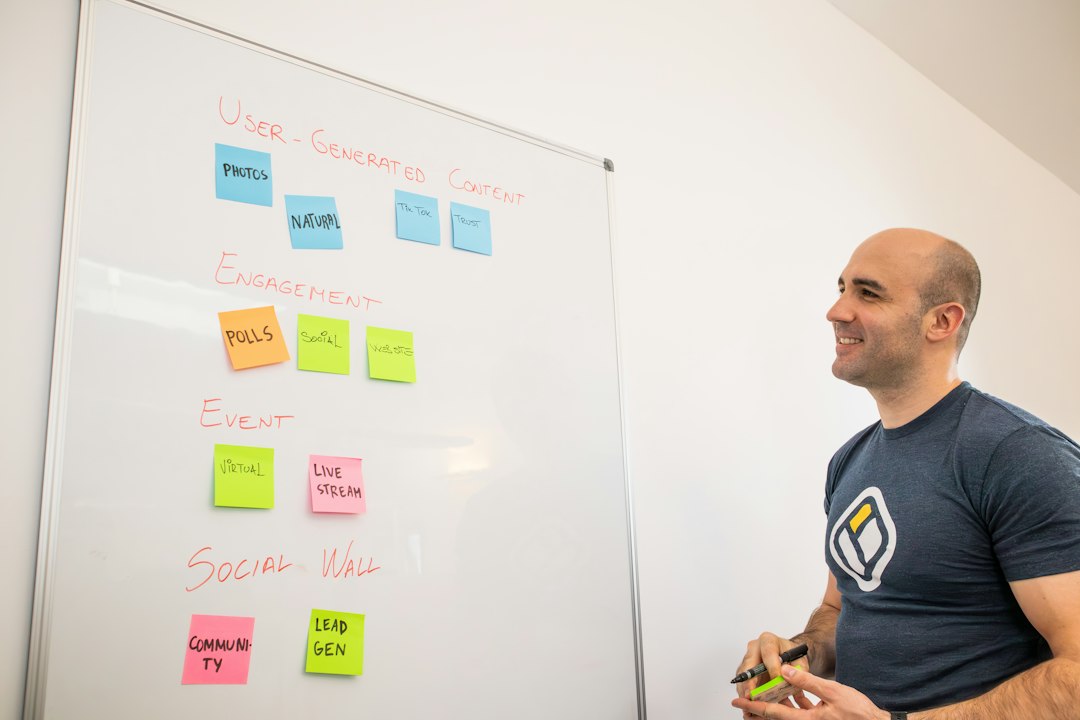
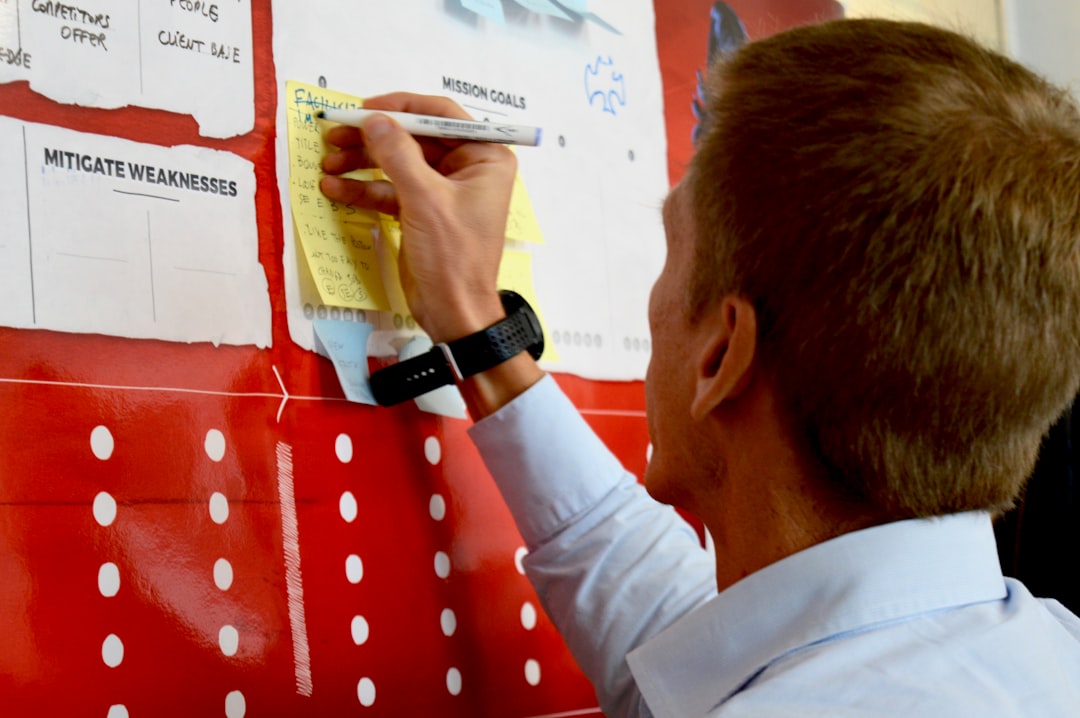
- Build the program board: Cross-team dependencies, milestones, and feature delivery dates are made visible.
- Review risks: Teams classify risks as resolved, owned, accepted, or mitigated using the common ROAM method.
- Commit to objectives: Teams present their final plans and business owners assign value to objectives.
- Hold a confidence vote: Participants vote on whether they believe the plan is achievable. Low confidence triggers discussion and adjustment.
A Typical PI Planning Agenda
PI Planning is often organized as a two-day event. For very small or highly mature ARTs, it may be shorter; for complex environments, preparation and follow-up can extend the timeline.
Day 1
- Opening and business context: Executives or business owners explain goals, customer insights, and market drivers.
- Product vision and roadmap: Product Management presents key features and priorities for the upcoming PI.
- Architecture guidance: Architects share technical priorities, system constraints, and major enablers.
- Planning instructions: The RTE explains logistics, expected outputs, and timing.
- Team breakout session 1: Teams draft plans, estimate work, and identify dependencies.
- Draft plan review: Each team presents its initial plan and receives feedback.
- Management review: Leaders address scope, resource, dependency, and priority issues discovered during planning.
Day 2
- Planning adjustments: Teams update plans based on decisions from management review.
- Team breakout session 2: Teams finalize PI objectives, dependencies, and risks.
- Final plan review: Teams present committed and uncommitted objectives.
- Risk review: Risks are ROAMed and made visible to everyone.
- Confidence vote: Participants vote, usually using a scale of one to five fingers.
- Retrospective: The ART reflects on how to improve the next PI Planning event.
PI Planning Example
Imagine a retail company preparing to launch a new loyalty program before the holiday season. The ART includes six teams: mobile app, web checkout, customer data, rewards engine, marketing automation, and platform operations.
During PI Planning, Product Management presents the goal: increase repeat purchases by 15% within six months by offering personalized rewards. The mobile team plans the customer-facing wallet, the rewards engine team plans point calculation rules, and the data team prepares customer segmentation APIs.
Early in planning, the teams discover that the mobile wallet depends on the rewards API, which depends on customer segmentation work. Without PI Planning, this dependency chain might appear halfway through delivery. Instead, the teams sequence the work: data services in iteration one, rewards integration in iteration two, and mobile wallet testing in iteration three.
By the end of the event, each team has PI objectives. One might read: “Enable customers to view available loyalty rewards in the mobile app with real-time point balance.” Business Owners assign high value to this objective because it directly supports the holiday campaign.
Agile Release Train Best Practices
PI Planning is only as effective as the Agile Release Train behind it. The following best practices help ARTs deliver better outcomes:
- Prepare before the event: Features should be refined, prioritized, and understood well enough for planning. PI Planning should not become a backlog cleanup workshop.
- Keep objectives outcome-based: Instead of listing tasks, write objectives that describe business or customer value.
- Make dependencies visible: Use a program board or digital equivalent to show which teams rely on others and when.
- Respect team capacity: Include vacations, support duties, maintenance work, and innovation time. A plan based on 100% allocation is usually unrealistic.
- Encourage honest risk discussion: Risks should not be hidden to make the plan look better. Transparency improves execution.
- Use the confidence vote seriously: If many people vote low, pause and adjust. Low confidence is useful data, not disloyalty.
- Track progress throughout the PI: Use ART syncs, system demos, and inspect-and-adapt events to keep the plan alive.
- Continuously improve: Capture feedback after every PI Planning session and make the next one simpler, clearer, and more valuable.
Common Mistakes to Avoid
One common mistake is overloading teams with too much work. Another is treating PI Planning as a top-down assignment session rather than a collaborative planning event. Teams need room to negotiate scope and sequence based on technical reality.
Another issue is vague objectives. If objectives cannot be tested, demonstrated, or connected to value, they will not guide decision-making during the PI. Finally, organizations sometimes ignore dependencies after the event. The program board should remain active and visible, not become a static artifact.
Final Thoughts
PI Planning is one of the most powerful practices for aligning multiple agile teams around shared outcomes. It creates a bridge between strategy and delivery, helping organizations coordinate complex work without losing agility. When supported by clear priorities, realistic capacity planning, open risk discussion, and disciplined follow-through, PI Planning can significantly improve predictability and collaboration across an Agile Release Train.
At its best, PI Planning is not a ceremonial meeting. It is a strategic conversation that helps teams answer a practical question: What can we deliver together that truly matters?