Most brands should use CRM personalization as the relationship engine and loyalty programs as the reward layer. Personalization builds relevance in daily interactions, while loyalty programs give customers a reason to return when price, timing, or attention slips. McKinsey reports that 71% of consumers expect personalized interactions, and 76% get frustrated when they do not receive them [source: McKinsey]. That makes the choice less about “CRM versus loyalty” and more about which tool should lead the relationship.
TLDR: CRM personalization is better for shaping long-term customer relationships because it reacts to behavior, timing, channel preference, and purchase history. Loyalty programs work best when they add clear value, not when they simply hand out points that customers forget. For example, a beauty retailer might find that personalized replenishment emails lift repeat orders by 18%, while a points program adds another 7% when members receive birthday perks and early access. The strongest strategy usually combines both, but CRM personalization should guide the customer experience.
Why Relationship Marketing Needs More Than Discounts
Relationship marketing is not about chasing one more transaction. It is about building reasons for a customer to come back without being pushed every time. A brand earns that repeat behavior through relevance, trust, ease, and small moments that feel useful.
CRM personalization uses customer data to tailor messages, offers, product recommendations, timing, and service. Loyalty programs reward repeat activity through points, tiers, perks, cashback, or exclusive access.
Both can work. Both can also become annoying. It drives customers crazy when a brand sends a “we miss you” email two hours after they made a purchase. It is even worse when a loyalty dashboard takes six extra clicks just to show how many points are available.
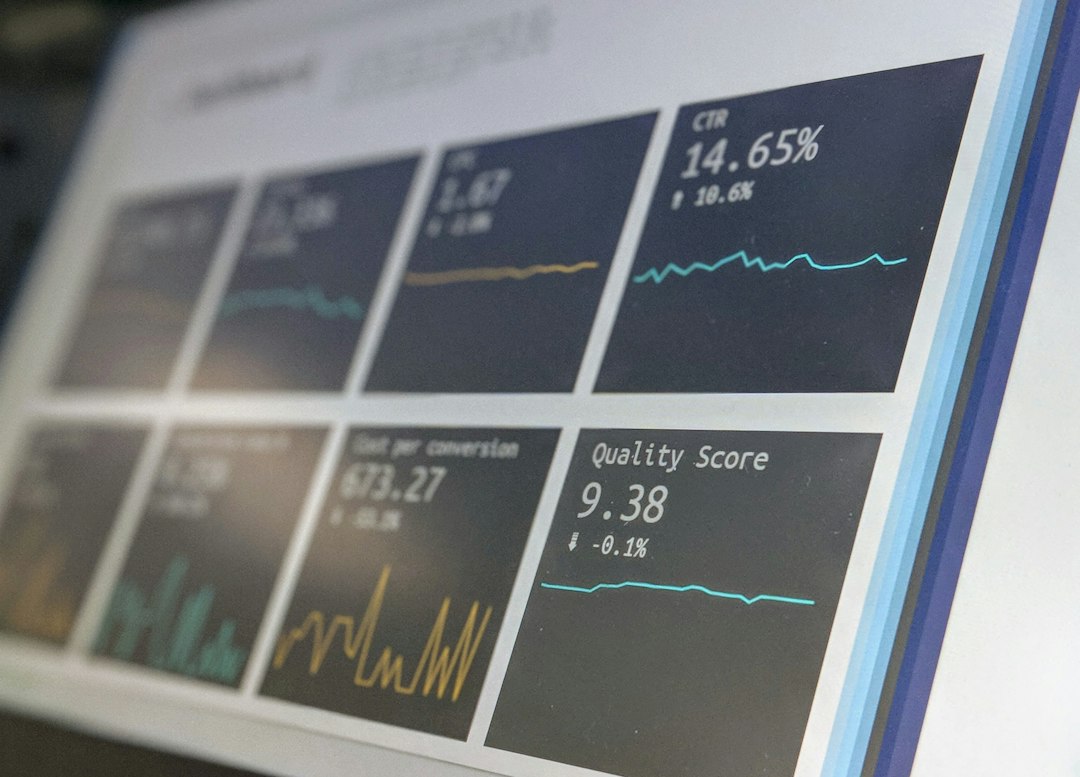
CRM Personalization: The Stronger Relationship Builder
CRM personalization wins when the goal is ongoing relevance. It can help a brand speak to customers based on what they actually do, not what the company hopes they will do.
A CRM system can group customers by behavior, value, purchase timing, service history, product interest, and preferred channel. That allows a retailer to send a restock reminder at the right time. A bank can offer a savings product after a salary increase. A fitness app can suggest a lighter plan after missed workouts instead of shaming the user.
Good personalization feels like help. Bad personalization feels like surveillance. The difference is context and restraint.
- Best use: tailored email, product recommendations, lifecycle messaging, service recovery, retention campaigns.
- Main strength: relevance across the full customer journey.
- Main risk: creepy or inaccurate targeting.
- Key metric: repeat purchase rate, customer lifetime value, churn rate, engagement rate.
CRM personalization also helps brands avoid blanket promotions. Instead of giving everyone 20% off, a company can identify customers who need a nudge, customers who need service support, and customers who are ready to buy at full price. That protects margin while keeping communication useful.
Loyalty Programs: Powerful, but Often Overrated
Loyalty programs are easy to understand. Customers buy, earn, redeem, and repeat. That simplicity is useful. Still, a points program does not create real loyalty by itself. It often creates deal memory.
A coffee chain may train customers to scan an app every morning. That is valuable. Yet if the line is long, the app breaks, or a competitor gives better coffee for less, points may not save the relationship. Loyalty programs work best when the core product is already strong.
The best programs offer more than discounts. They create status, ease, recognition, access, and small moments of delight.
- Points: simple, familiar, but easy to copy.
- Tiers: useful for status, but can frustrate low-spend customers.
- Perks: birthday gifts, free shipping, early access, upgrades.
- Communities: events, member content, insider product drops.
Expect to waste time on program cleanup if rules are too complex. Customers should not need a calculator to understand whether 600 points equals $3, $6, or a coupon that expires next Tuesday.
CRM Personalization vs Loyalty Programs: Key Differences
| Area | CRM Personalization | Loyalty Programs |
|---|---|---|
| Purpose | Make communication and offers more relevant. | Reward repeat behavior. |
| Customer value | Convenience, timing, useful recommendations. | Points, perks, savings, status. |
| Best for | Retention, cross sell, service recovery. | Repeat visits, habit building, member engagement. |
| Weakness | Needs clean data and careful consent. | Can become discount addiction. |
When CRM Personalization Should Lead
CRM personalization should lead when purchase cycles vary, customer needs differ, or the brand sells products that require consideration. This includes retail, travel, financial services, health, beauty, education, software, and subscription businesses.
For example, a pet supply brand can use CRM data to estimate when a dog food bag will run out. It can send a reminder five days before that date. If the customer usually buys chicken flavor, the brand should not promote fish flavor first. That sounds obvious, yet many systems still get this wrong.
This kind of relevance builds trust because the brand saves time. It also makes the customer feel recognized without needing a flashy reward system.
When Loyalty Programs Make More Sense
Loyalty programs are stronger when purchase frequency is high and habits matter. Coffee shops, grocery stores, airlines, hotels, restaurants, fuel stations, and beauty retailers often benefit from structured rewards.
A loyalty program also helps when customers have many similar choices. If two sandwich shops sit on the same street, a free item after the eighth visit can shift behavior. The reward gives the customer a reason to choose one brand again.
Still, the program must be easy. Enrollment should be quick. Rewards should be visible. Redemptions should feel smooth. If a cashier has to explain three exceptions at checkout, the program is already too heavy.
The Best Approach: Combine Both
The strongest relationship marketing strategy blends CRM personalization with loyalty rewards. CRM decides what matters to each customer. The loyalty program adds motivation and recognition.
Consider a fashion retailer. A basic loyalty program might give one point per dollar. That is fine, but forgettable. A smarter version uses CRM data to personalize member benefits. A customer who often buys denim gets early access to new jeans. A customer who returns items often receives fit guidance before purchase. A high-value customer gets private sale access, not generic coupons.
This mix works because it treats loyalty as more than a transaction. It makes rewards feel personal, not random.
How Brands Should Choose
A company should start with the business problem.
- If customers stop buying because messages feel irrelevant, CRM personalization should come first.
- If customers like the brand but forget to return, a loyalty program may help.
- If margins are thin, personalization can reduce unnecessary discounting.
- If repeat visits are frequent, rewards can build habit.
- If trust is weak, neither tool will fix the issue alone.
The practical answer is simple: personalize before rewarding. A brand should understand customers before asking them to join another program. Then it can design rewards that match real behavior.
FAQ
Is CRM personalization better than a loyalty program?
For long-term customer relationships, CRM personalization is often better because it improves relevance across many touchpoints. Loyalty programs work best as support.
Can a loyalty program build true loyalty?
Yes, but only when rewards are clear, useful, and tied to a good customer experience. Points alone rarely create deep loyalty.
What is the biggest risk of CRM personalization?
The biggest risk is using poor data or becoming too intrusive. Customers want relevance, not discomfort.
What is the biggest risk of loyalty programs?
The biggest risk is training customers to wait for rewards or discounts. That can hurt profit and weaken brand value.
What should a small business do first?
A small business should start with simple CRM personalization, such as purchase reminders, thank-you emails, and segmented offers. A loyalty program can come later if repeat purchase behavior supports it.