Pick Similarweb if you need a quick read on a market. Pick Semrush if you need to find demand through search, ads, and content. For product and market research, Similarweb is the better “who is winning traffic?” tool. Semrush is the better “how can we win demand?” tool.
TLDR: Similarweb is best for market sizing, competitor traffic, audience behavior, and channel mix. Semrush is best for keywords, SEO gaps, paid search, and content ideas. Example: a small SaaS team comparing three competitors might see that one rival gets 42% of traffic from search, while another gets 31% from referrals. That tells the team where to study, copy, or avoid wasting budget.
Quick answer: which tool should you use?
If your main question is “Is this market worth entering?”, start with Similarweb. It shows traffic size, traffic sources, audience overlap, top sites, and market trends. You can see if a category is growing or just making noise.
If your main question is “What should we build content around?”, start with Semrush. It shines with keywords, search intent, rankings, paid ads, backlinks, and SEO competitors. It helps you turn demand into a plan.
The annoying part? You will probably want both. That is not always fun for your budget. But the jobs are different.
What Similarweb is really good at
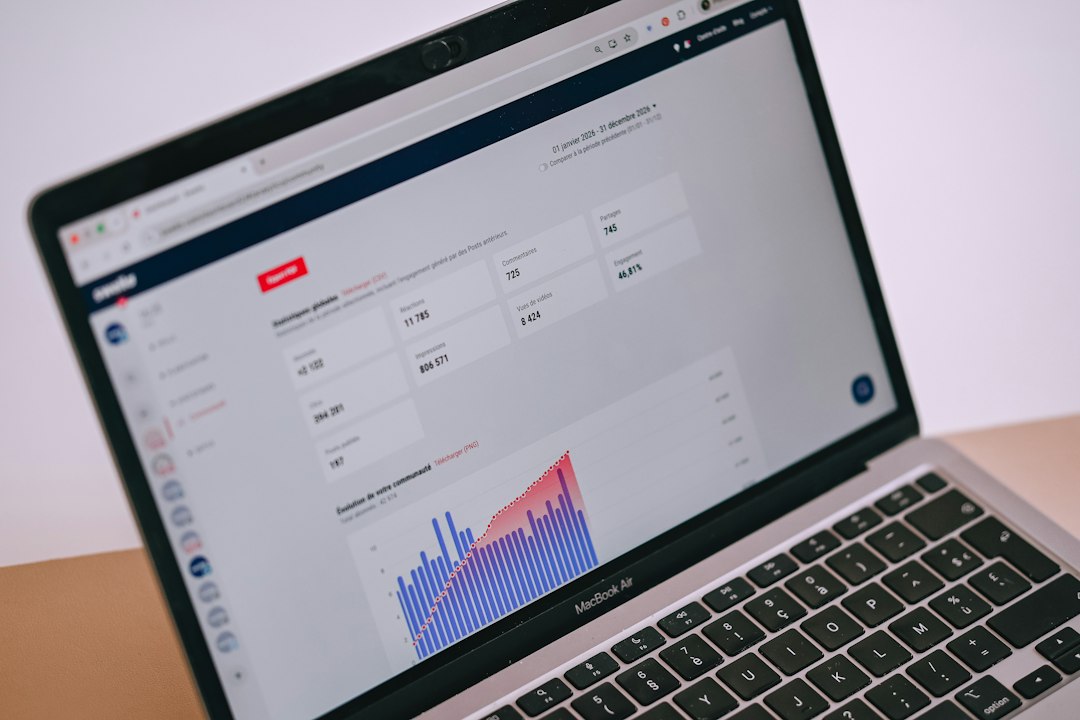
Similarweb is like a market spyglass. It helps you see the big picture fast. You can check a website and get a useful read on how popular it is, where traffic comes from, and which audience it pulls in.
For product research, that matters a lot.
- Market size: See estimated visits for top competitors.
- Traffic channels: Compare search, social, display, referral, email, and direct traffic.
- Geography: Find where demand is strongest by country.
- Audience behavior: Check visit duration, pages per visit, and bounce rate.
- Competitor discovery: Find similar sites you may not know yet.
- App research: Useful if your product plays in mobile.
Say you want to launch a meal planning app. Similarweb can show if traffic to meal planner sites spikes in January. Shocking, right? New year, new diet, same panic. It can also show if competitors win through Google, TikTok referrals, or direct brand traffic.
That helps you answer one huge question: where does customer attention already live?
What Semrush is really good at
Semrush is more like a workshop. It gives you tools to build traffic, not just study it. It is strongest when users are showing intent through search.
That is gold for product teams.
- Keyword research: Find what people search before they buy.
- Search intent: See if users want info, options, or a purchase.
- SEO gaps: Spot topics competitors rank for but you do not.
- Paid search: See ad copy, paid keywords, and landing pages.
- Content ideas: Build blogs, guides, comparison pages, and FAQs.
- Backlinks: Find who links to competitors.
For example, a team building invoicing software might find that “invoice template” has huge search volume, but “best invoicing software for freelancers” has stronger buying intent. That second keyword may bring fewer visitors. But those visitors are closer to buying.
Semrush helps you find those hidden little money doors. Some are tiny. Some squeak. Some are wide open.
Market research: Similarweb wins
For pure market research, Similarweb wins. It makes it easier to compare companies at a high level. You can check who gets more visits, which countries matter most, and which channels drive growth.
This is useful when you are choosing a product category. It is also useful when your boss asks, “Is this space too crowded?” You can answer with numbers instead of vibes.
A simple research flow looks like this:
- Pick five competitors.
- Compare monthly visits.
- Check traffic growth over 3 to 12 months.
- Look at top countries.
- Study channel mix.
- Find weak spots.
If one competitor gets 60% of traffic from paid ads, that may mean growth is expensive. If another gets 55% from organic search, there may be a strong content moat. If a third gets tons of referral traffic, partnerships may be doing the heavy lifting.
Honestly, it feels like Similarweb is built for that “show me the market map” moment.
Product research: it depends
Product research is not one task. It is a messy box of questions. That is why the best choice depends on what you are trying to learn.
| Research question | Better tool | Why |
|---|---|---|
| How big is this competitor? | Similarweb | Better traffic and audience estimates. |
| What are people searching for? | Semrush | Better keyword and intent data. |
| Which channels drive growth? | Similarweb | Great channel mix view. |
| What content should we create? | Semrush | Great SEO and topic tools. |
| Which ads are competitors running? | Semrush | Strong paid search data. |

Use case: picking a product niche
Imagine you want to build a project management tool for agencies. Yes, another one. The internet sighs. Still, maybe there is room.
Start with Similarweb. Compare sites like ClickUp, Asana, Monday, Teamwork, and Bonsai. Check which ones grow fastest in your target countries. Look at their channel mix. If agency-focused tools get strong direct traffic, brand trust may matter. If they get referral traffic from review sites, review SEO may be key.
Then switch to Semrush. Search for terms like:
- “project management software for agencies”
- “client portal for agencies”
- “agency workflow software”
- “best agency management tools”
Now compare keyword difficulty, volume, and search intent. If volume is low but intent is sharp, that can still be good. Small markets can pay well.
This combo gives you a better answer. Similarweb says, “Here is the size of the arena.” Semrush says, “Here are the doors customers use to walk in.”
Where Similarweb can frustrate you
Similarweb gives great top-level insight. But some details sit behind higher plans. That can sting. You may see enough to know the data exists, but not enough to finish the job.
Also, smaller websites may have less reliable estimates. This is normal with third-party data. Still, it can be annoying when your niche is full of small players. Expect to cross-check with other sources.
Where Semrush can frustrate you
Semrush is powerful. It is also packed. Very packed. Sometimes finding one simple traffic trend takes more clicks than it should. It drives me crazy when a tool has the answer, but hides it behind five tabs and a tiny dropdown.
Semrush also centers heavily on search. That is not bad. But if your market grows through apps, influencers, offline sales, or word of mouth, Semrush may miss part of the story.
Best workflow for smart teams
Use both tools in order. Do not start with 200 keywords. Start with the market.
- Use Similarweb first. Pick the right competitors. Estimate traffic. Spot main channels.
- Use Semrush second. Pull keywords, SEO gaps, ads, and content ideas.
- Check real signals. Read reviews, sales calls, forums, Reddit, app stores, and support tickets.
- Build a simple scorecard. Rate demand, competition, channel cost, and buyer pain.
A scorecard keeps the team calm. Give each factor a score from 1 to 5. If a niche scores 5 for demand but 1 for channel access, pause. If it scores 4 for buyer pain and 4 for search intent, test it.

Final pick
If you can buy only one tool for product and market research, choose Similarweb when market sizing is the main job. Choose Semrush when go-to-market planning is the main job.
The best setup is simple. Use Similarweb to find where demand and attention sit. Use Semrush to turn that demand into search, content, and ad actions. Then talk to real customers. Tools can point to the treasure. Customers tell you if the treasure is worth digging up.