Best quick answer: if ScribeNote is not the right fit, start your shortlist with Abridge, Nuance DAX Copilot, DeepScribe, Nabla Copilot, and Freed AI. Administrative load is not a small irritation; one AMA-cited study found physicians spend close to 6 hours in the EHR for every 8 hours of scheduled patient care [source: AMA].
TLDR: The best ScribeNote alternative depends on your setting, not just the AI note quality. For example, a 12-provider primary care clinic seeing 22 patients per provider each day could save roughly 8 to 15 minutes per visit if notes are drafted reliably and reviewed quickly. Abridge and Nuance DAX Copilot suit larger healthcare groups, while Nabla Copilot and Freed AI are easier for smaller clinics to test. Always confirm HIPAA support, BAA availability, EHR fit, and clinician review steps before rollout.
What to look for in a ScribeNote alternative
A good AI medical documentation tool should do more than record audio. It should turn a visit into a useful SOAP note, HPI, assessment and plan, or referral summary with minimal cleanup.
The catch is that some tools sound great in a demo but still leave clinicians fixing awkward phrasing at 7 p.m. That defeats the point. Look for these basics first:
- Clinical accuracy: The note must reflect what was actually said.
- Specialty support: Primary care, behavioral health, cardiology, pediatrics, and urgent care all need different note styles.
- EHR integration: Copy and paste is fine for a trial, but painful at scale.
- Security: Ask about HIPAA, encryption, retention, audit logs, and a signed BAA.
- Clinician control: AI drafts should be reviewed, edited, and approved by licensed staff.

1. Abridge
Abridge is one of the stronger options for health systems that want AI-generated clinical notes from patient conversations. It is often discussed for enterprise use because it focuses on documentation at scale, not just solo dictation.
Best for: hospitals, large outpatient groups, and organizations that need structured implementation.
Why consider it: Abridge can create encounter summaries and draft notes from ambient conversations. It also pays close attention to clinical phrasing, which matters when notes are used for follow-up care, billing review, and handoffs.
Possible drawback: Smaller clinics may find the buying process heavier than expected. Expect more setup talk, compliance review, and integration planning.
2. Nuance DAX Copilot
Nuance DAX Copilot, from Microsoft-owned Nuance, is built for ambient clinical documentation. It listens during patient visits and creates draft notes for clinician review.
Best for: enterprise healthcare groups already using Microsoft or Nuance products.
Why consider it: Nuance has a long history in medical dictation, so DAX Copilot feels like a natural step from speech recognition into AI-assisted notes. It can be a good fit for organizations that need serious vendor support and established health IT relationships.
Possible drawback: It may be more tool than a small clinic needs. Pricing, contracts, and deployment can feel slow if you only want to test AI notes next week.
3. DeepScribe
DeepScribe is another ambient AI scribe designed to produce medical notes from natural patient visits. It focuses on reducing after-hours charting and improving note consistency.
Best for: outpatient clinics that want specialty-aware notes and EHR support.
Why consider it: DeepScribe aims to capture the visit without forcing the clinician to dictate stiff commands. That can help visits feel more human. Patients talk. Clinicians respond. The note appears as a draft after the encounter.
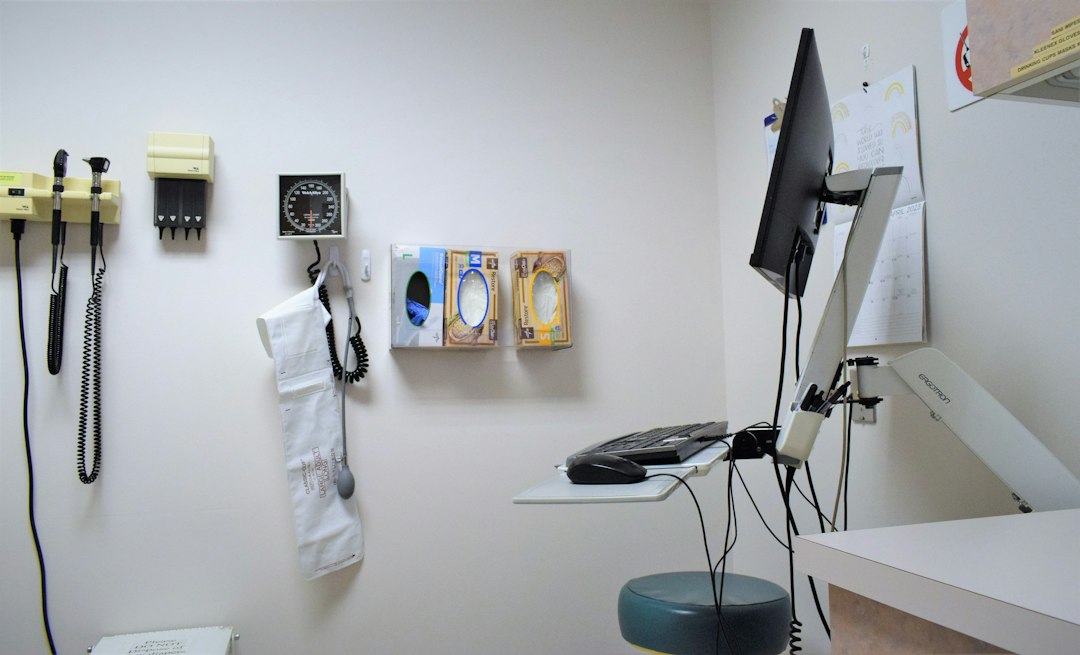
Possible drawback: Like most ambient tools, performance may vary by room noise, accent, visit structure, and specialty. Test it in real exam rooms, not only in a polished demo.
4. Nabla Copilot
Nabla Copilot is popular with clinicians who want a clean, fast AI scribe with a lighter learning curve. It can generate SOAP notes, summaries, and other clinical documentation from visits.
Best for: small to mid-sized practices, telehealth teams, and clinicians who want a simpler start.
Why consider it: Nabla is relatively easy to trial. The interface is clean, and the output is usually readable. That matters. If a provider needs five extra clicks after every visit, adoption drops fast.
Possible drawback: Some advanced enterprise needs may require extra review. Ask about EHR insertion, admin controls, and data handling before expanding it across a group.
5. Freed AI
Freed AI is aimed at clinicians who want quick visit notes without a complex rollout. It records the visit, creates a note, and lets the clinician edit before placing it into the chart.
Best for: solo practices, therapists, primary care clinicians, and small teams.
Why consider it: Freed AI is simple to use and often attractive to clinicians who are tired of late-night notes. Honestly, it feels like some tools punish you with setup before they help you. Freed is more direct.
Possible drawback: It may not fit every enterprise workflow. If your group needs deep EHR integration, strict reporting, or centralized controls, review those needs early.
How to choose the right tool
- Run a 2-week pilot. Use real visit types, not perfect test cases.
- Measure time saved. Track minutes spent editing each note.
- Check note quality. Review missed details, wrong terms, and copied assumptions.
- Ask about data retention. Know whether audio is stored, deleted, or used for model improvement.
- Confirm compliance. HIPAA responsibilities should be clear, including the BAA.
For most clinics, the safest path is to pick two tools and compare them side by side. Have three to five clinicians use each tool across at least 30 visits. Score each note for accuracy, editing time, EHR fit, and patient comfort.
Final recommendation: choose Abridge or Nuance DAX Copilot for large systems, DeepScribe for structured outpatient documentation, and Nabla Copilot or Freed AI for faster small-practice adoption. The right ScribeNote alternative should save time without making clinicians babysit the software.