Your website is like a small shop on a busy street. Some people walk in because they saw your sign. Some people arrive because a friend told them the exact address. In analytics, those visits are often called organic traffic and direct traffic. Sounds simple. But there is a tiny gremlin in the machine.
TLDR: Organic traffic usually means someone found you through a search engine like Google. Direct traffic usually means someone came to your site without a tracked source, such as by typing your URL or using a bookmark. But direct traffic can also hide visits from emails, apps, documents, and messy tracking. So, treat direct traffic as a clue, not a perfect label.
What Is Organic Traffic?
Organic traffic is traffic from unpaid search results. A person types a question into Google, Bing, or another search engine. They see your page. They click it. Boom. That is organic traffic.
Example time. Someone searches:
- best running shoes for beginners
- how to bake banana bread
- what is direct traffic in SEO
If your page appears in the normal search results and gets clicked, that visit is organic. You did not pay for the click. Your content earned it.
Organic traffic is often the star of SEO. It shows that your pages are being found. It means search engines understand your content. It also means people are choosing your result over others.
What Is Direct Traffic?
Direct traffic is usually traffic with no known referral source. In simple words, your analytics tool says, “I do not know where this person came from.” So it puts the visit in the direct bucket.
Classic examples include:
- Someone types your website address into the browser.
- Someone clicks a saved bookmark.
- Someone uses browser history to return.
- Someone clicks a link that has no tracking data.
So if a loyal fan types yourwebsite.com and visits your homepage, that is direct traffic. Nice. That person knows you. They remembered you. Gold star.
But here is the twist. Direct traffic is not always truly direct. Sometimes it is “mystery traffic.” It is like a visitor wearing sunglasses and a fake mustache.
Why Direct Traffic Can Be Confusing
Analytics tools rely on signals. They look for referral data. They check campaign tags. They read where the click came from. If those signals are missing, the visit may become direct.
This can happen when someone clicks from:
- A private messaging app.
- An email without proper tracking.
- A PDF or Word document.
- A mobile app.
- A secure site that hides referral data.
- A shortened link with broken tracking.
This hidden traffic is often called dark traffic. Spooky name. Not actually spooky. It just means the source is unclear.
So when you see a huge spike in direct traffic, do not assume everyone suddenly memorized your URL. Maybe they did. Or maybe your newsletter link was not tagged. Maybe a popular app shared your page. Maybe a document is sending clicks. Analytics is helpful, but it is not magic.
Organic vs Direct Traffic: The Simple Difference
Here is the easy version:
- Organic traffic comes from unpaid search engine results.
- Direct traffic has no tracked source, or the person came directly.
Think of organic traffic like a customer asking a city guide, “Where can I find good pizza?” The guide points to your restaurant. That guide is Google.
Think of direct traffic like a customer already knowing your address. They walk straight to your door. No guide needed.
But sometimes the customer came from a secret tunnel, and nobody saw it. That also gets counted as direct. Analytics can be dramatic.
Why Direct Traffic Matters for SEO
Direct traffic is not a ranking factor by itself. Search engines do not simply say, “Wow, lots of direct visits. Rank them number one.” It does not work like that.
Still, direct traffic can tell a useful story.
High direct traffic may mean people know your brand. They remember your name. They trust your website. That is great. Brand awareness can help SEO in indirect ways.
For example, people may search for your brand more often. They may click your result more often. They may share your content. They may come back again and again. These actions can support your overall visibility.
Direct traffic can also show the power of offline marketing. Did you run a radio ad? Print flyers? Speak at an event? If people type your URL later, that may appear as direct traffic.
Why Organic Traffic Matters
Organic traffic is important because it often brings new people to your site. These visitors may not know your brand yet. They have a question. You have the answer. Nice little internet handshake.
Strong organic traffic can help you:
- Reach new audiences.
- Get more leads or sales.
- Build trust with helpful content.
- Reduce reliance on paid ads.
- Grow over time with evergreen pages.
SEO is not instant soup. It takes time. But once your content ranks, it can bring steady visits for months or years.
How to Tell If Direct Traffic Is Really Direct
You cannot always know. But you can look for clues.
First, check the landing page. If direct traffic lands mostly on your homepage, that makes sense. People often type the main URL. But if direct traffic lands on a long blog URL like /blog/ultimate guide to blue garden chairs, be suspicious. Most people do not type long URLs for fun. Unless they are robots. Or very bored.
Second, check timing. Did direct traffic jump after an email campaign? A social post? A podcast mention? A new PDF download? The source may be hiding.
Third, use tracking links. Add special tags, often called UTM parameters, to links in emails, ads, social posts, and campaigns. These tags tell analytics where visits came from.
For example, a tagged newsletter link can show traffic as email instead of direct. That makes your reports cleaner. Cleaner reports mean better decisions. Better decisions mean fewer meetings where everyone stares at a chart and sighs.
Ways to Reduce Mystery Direct Traffic
You may never remove all mystery traffic. But you can reduce it.
- Tag your campaigns. Use UTM parameters for email, social, paid, and partner links.
- Keep URLs consistent. Avoid sending people to many versions of the same page.
- Use HTTPS. Secure sites preserve referral data better in many cases.
- Audit redirects. Broken or messy redirects can lose tracking data.
- Check email links. Untagged email traffic often becomes direct.
- Review app traffic. Some mobile apps hide referral details.
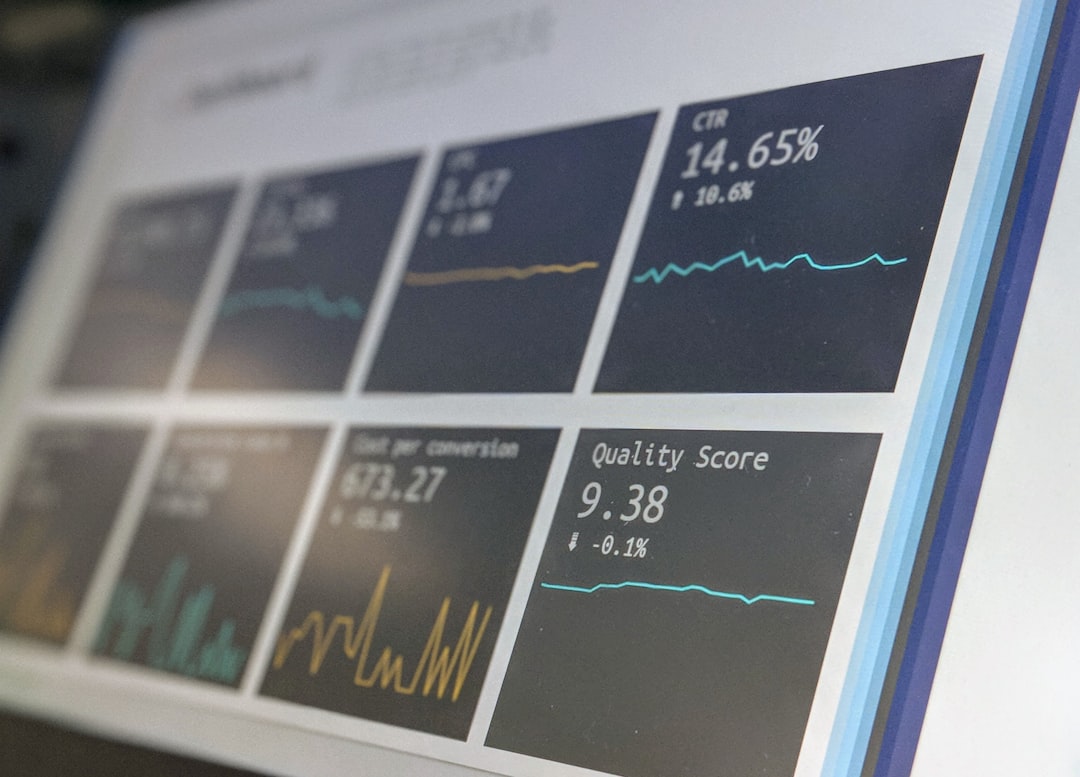
What You Should Watch in Reports
Do not look at one number and panic. Look at patterns.
Watch these things:
- Landing pages: Which pages get direct visits?
- New vs returning users: Are direct visitors already familiar with you?
- Conversions: Does direct traffic buy, sign up, or contact you?
- Branded search: Are more people searching for your name?
- Campaign dates: Did traffic change after marketing activity?
Direct traffic is not “bad.” Organic traffic is not automatically “better.” They serve different roles. Organic traffic often brings discovery. Direct traffic often reflects memory, trust, or missing data.
The Big Takeaway
Organic traffic is your search engine crowd. They found you by asking a question. Direct traffic is your known, unknown, and sometimes mysterious crowd. Some visitors came straight to you. Others arrived with their source hidden.
The smart move is to study both. Create helpful content to grow organic traffic. Build a memorable brand to grow real direct traffic. Track your campaigns to reduce fake direct traffic.
In the end, website traffic is like a party. Organic visitors heard the music from down the street. Direct visitors knew the address. A few climbed in through the mystery window. Your job is to welcome them, understand them, and help them do what they came to do.