Thanx reward catalogs work best when rewards are simple to understand, profitable to fund, and meaningful enough to change customer behavior. A strong catalog does not just list perks. It guides guests toward repeat visits, larger orders, and stronger brand habits without making redemption feel like a chore.
TLDR: Thanx reward catalogs usually structure incentives around points, visit milestones, spend thresholds, tiers, birthday perks, and surprise offers. For example, a coffee group might give 1 point per $1 spent, then unlock a free latte at 75 points and a $10 credit at 150 points. If 22% of members redeem within 30 days, the brand can compare average spend before and after redemption to see whether the catalog is paying for itself. The best programs keep rules short, show progress clearly, and avoid rewards that train guests to wait for discounts.
How Thanx Reward Catalogs Are Usually Built
A Thanx reward catalog is the menu of incentives available inside a loyalty program. It may include free items, cash credits, percentage discounts, exclusive access, bonus points, or tier-based perks. The catalog tells members what they can earn, when they qualify, and how redemption works.
For restaurants, coffee shops, retail groups, and convenience brands, the reward catalog is often tied to customer data. Spend, frequency, favorite items, location, and order channel can all shape which rewards appear. A guest who buys lunch twice a week may see a different offer than a guest who has not returned in 45 days.

Common Reward Types
Most Thanx catalogs use a mix of fixed rewards and targeted incentives. Each type serves a different purpose.
- Points-based rewards: Members earn points for each dollar spent or each qualified purchase. Points can be exchanged for menu items, credits, or discounts.
- Visit-based rewards: Guests earn after a set number of visits, such as “buy 5 meals, get the 6th free.” This works well when frequency matters more than basket size.
- Spend milestones: Members unlock perks after spending a certain amount, such as a $10 reward after $100 in purchases.
- Tier rewards: Higher-value guests receive better benefits. This may include faster earning, special gifts, or early access to limited items.
- Birthday and anniversary rewards: Timed offers create a personal touch and can bring guests back during predictable windows.
- Surprise rewards: These can feel generous when used sparingly. Too many surprise discounts, though, can confuse guests.
How Redemption Rules Shape Behavior
Redemption rules are where many loyalty programs either become useful or annoying. They decide when a reward can be used, what it applies to, and whether it can be combined with other offers.
Clear rules reduce support issues. A member should not need to guess whether a $5 reward applies to alcohol, delivery fees, catering, tax, or gift cards. Honestly, it feels like a small thing until guests reach checkout and see an offer fail. That one failed redemption can make the program feel broken.
Common redemption rules include:
- Minimum spend: A reward may require a $15 or $25 purchase.
- Eligible products: Some rewards apply only to specific items or categories.
- Expiration dates: Rewards may expire in 7, 14, 30, or 90 days.
- Channel limits: Offers may apply in-store, through an app, online, or through selected ordering channels.
- Stacking limits: Brands may block multiple discounts on the same order.
- Location rules: Franchise or regional groups may limit rewards by store.
The best catalogs show these rules before checkout. Expiration dates should be visible. Restrictions should be short. Fine print should not do the heavy lifting.
Customer Incentives That Actually Move Revenue
A reward catalog should not reward behavior that would have happened anyway. If a loyal lunch guest already visits every Tuesday, a broad Tuesday discount may waste margin. A better incentive might push an extra add-on, a second weekly visit, or a larger group order.
Effective Thanx incentives often aim at one of four goals:
- Increase frequency: “Visit 2 more times this month and earn a free entrée.”
- Raise average order value: “Spend $30 and receive 50 bonus points.”
- Win back lapsed guests: “Come back this week for $7 off.”
- Promote specific items: “Try the new bowl and receive double points.”
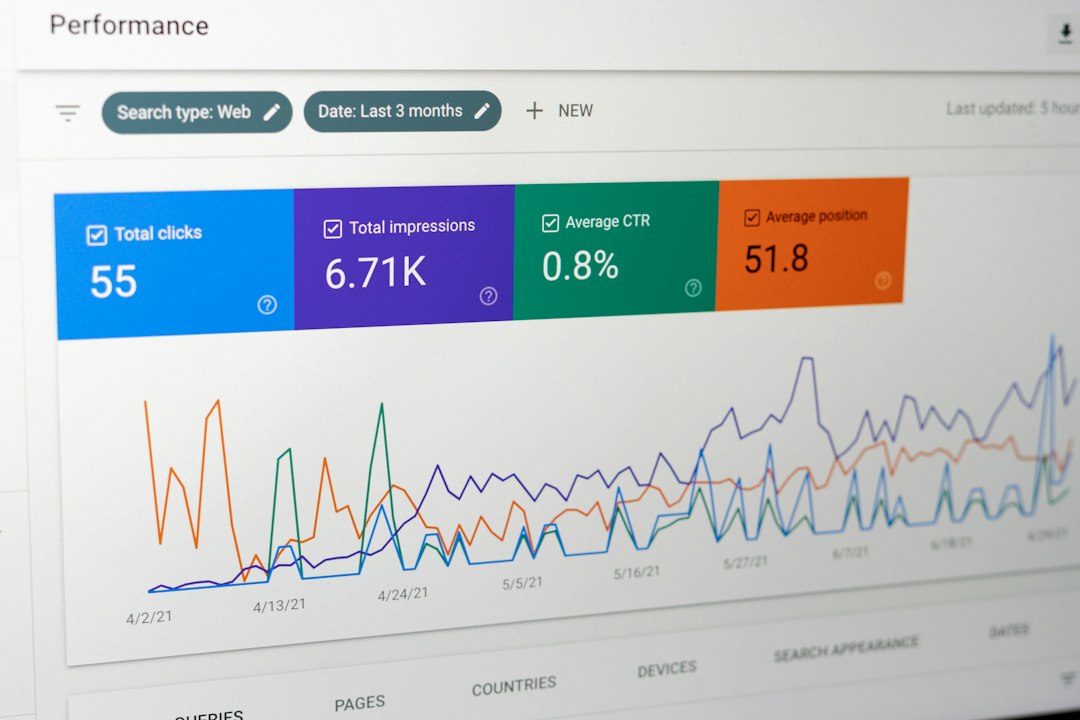
The catch is that too many rewards can make the catalog feel messy. Guests may ignore a program if every offer has a different rule. Operators may also struggle when reward setup takes extra clicks, or when reporting takes 20 seconds longer than expected during a busy campaign review. Small delays add up when teams run frequent tests.
Catalog Design: Simple Beats Clever
A strong catalog usually has a few clear anchors. For example, a quick-service brand may use:
- Base earn rate: 1 point per $1 spent.
- Entry reward: Free small side at 40 points.
- Core reward: $5 credit at 100 points.
- Premium reward: Free entrée at 200 points.
- Tier perk: Gold members earn 25% faster after $500 annual spend.
This structure gives new members a fast win and gives heavier guests a reason to keep going. It also protects margin because the brand can estimate reward cost against expected spend.
Rewards should feel reachable. If a guest must spend $500 to get a $5 credit, the program looks stingy. If a guest gets $10 back after every $20 spent, the program may become too expensive. A balanced catalog often lands between 3% and 8% of member spend returned as reward value, depending on margins and category.
Personalization and Segmentation
Thanx programs often connect loyalty data with targeted campaigns. This allows brands to segment members by behavior. A high-value guest may receive early access to a new product. A dormant guest may receive a short-fuse win-back offer. A dessert fan may receive a pastry reward instead of a generic discount.
Personalized catalogs can outperform broad catalogs because the reward fits the guest. A pizza chain, for example, may test two offers across 10,000 members. Group A receives $5 off any order. Group B receives a free side with a $25 order. If Group B produces a 14% higher average order value and a lower reward cost, the catalog should favor side-based incentives for similar guests.
Expiration Dates and Urgency
Expiration rules shape how fast members act. A 7-day reward creates urgency, but it may frustrate casual guests. A 30-day reward feels fairer and still prompts action. A 90-day reward is gentler, but it may not drive quick visits.
Many brands use short windows for win-back campaigns and longer windows for earned rewards. That split makes sense. A guest who earned a perk through spending should feel respected. A reactivation offer can be more urgent because its goal is immediate return.
Measuring Catalog Performance
Reward catalogs should be judged by business impact, not just redemption volume. High redemption can be bad if the offer discounts purchases that would have occurred anyway.
Useful metrics include:
- Redemption rate: The share of issued rewards that get used.
- Incremental visits: Extra visits after an offer compared with a control group.
- Average order value: Spend during reward orders versus normal orders.
- Breakage: Rewards earned but not redeemed.
- Reward cost: Total discount or product cost as a share of sales.
- Member retention: Repeat purchase rate after joining the program.

A catalog should be reviewed often. Low-performing rewards should be removed. Popular rewards with poor margins should be adjusted. Strong rewards should become templates for future campaigns.
Best Practices for Thanx Reward Catalogs
- Keep the core program simple: Members should understand earning and redemption in seconds.
- Use tiers with care: Tiers should motivate, not make new members feel excluded.
- Protect margins: Free high-cost items should require meaningful spend.
- Make progress visible: Clear progress bars increase motivation.
- Test offers against control groups: This shows whether rewards create real lift.
- Avoid constant blanket discounts: They can train guests to wait for offers.
FAQ
What is a Thanx reward catalog?
A Thanx reward catalog is the set of loyalty rewards a brand offers to members. It defines what guests can earn, how they earn it, and how they redeem it.
What rewards work best in a loyalty catalog?
The best rewards are easy to understand and tied to profitable behavior. Common examples include points, free items, credits, birthday perks, and tier benefits.
Should rewards expire?
Yes, in most cases. Expiration dates create urgency and limit unused liability. Earned rewards often deserve longer windows than promotional offers.
How can a brand tell if a reward is profitable?
The brand should compare reward cost with incremental sales, visit lift, average order value, and retention. Redemption rate alone is not enough.
Are tiered loyalty rewards worth using?
They can be useful for high-frequency customers. Tiers work best when the requirements are clear and the added benefits feel real.
Why do some loyalty rewards fail at checkout?
Failures often come from product exclusions, location limits, minimum spend rules, channel restrictions, or expired offers. Clear catalog rules reduce this problem.