In fast-moving production environments, visibility is everything. Whether you run a manufacturing floor, warehouse, maintenance team, print shop, food processing line, or field service operation, a good whiteboard system can make daily output and downtime impossible to ignore. The best systems do more than display numbers; they create a shared rhythm for teams, supervisors, and managers to identify issues, respond quickly, and improve performance over time.
TLDR: The best whiteboard systems for monitoring daily output and downtime combine clear visual tracking, real-time updates, and simple accountability. Physical boards are excellent for team huddles and low-cost visibility, while digital and hybrid boards offer stronger analytics, remote access, and historical reporting. The right choice depends on your operation’s size, pace, data needs, and whether your team benefits most from hands-on communication or automated monitoring.
Why Whiteboard Systems Still Matter
Even in an era of dashboards, sensors, and enterprise software, whiteboards remain surprisingly powerful. Their strength lies in simplicity. A board placed where work happens gives everyone the same view of the day: what has been produced, what is behind schedule, what equipment is down, and what needs attention now.
For many teams, daily output and downtime are the two most important indicators of operational health. Daily output shows whether a team is meeting production expectations, while downtime identifies lost time caused by equipment failure, changeovers, material shortages, staffing gaps, quality holds, or process delays. When tracked visually, these metrics become easier to discuss and harder to overlook.
A strong whiteboard system encourages short feedback loops. Instead of waiting for an end-of-week report, team members can see issues developing during the shift. Supervisors can adjust staffing, maintenance can prioritize calls, and operators can provide context before small interruptions become major losses.
What Makes a Great Output and Downtime Board?
Before looking at the top types of systems, it helps to understand the features that make a board effective. A whiteboard can be simple, but it should never be vague. The best systems make it obvious what is happening, who owns the next action, and whether the team is on track.
- Clear daily targets: The board should show planned output by shift, hour, line, machine, or work cell.
- Actual performance: Teams need a visible place to record what was actually produced.
- Downtime logging: Each downtime event should include start time, stop time, duration, reason, and owner if follow-up is needed.
- Color coding: Green, yellow, and red status indicators help teams understand performance at a glance.
- Accountability: Action items should list responsible people and due dates.
- Trend tracking: Weekly or monthly summaries help teams identify repeated downtime causes.
- Ease of use: If the board is difficult to update, it will quickly become background decoration.
1. Traditional Magnetic Production Boards
A traditional magnetic whiteboard is one of the most popular systems for monitoring daily output and downtime. It usually includes pre-printed columns, magnetic labels, dry erase sections, and color-coded status markers. These boards are common in lean manufacturing because they are tactile, inexpensive, and easy to customize.
Best for: Small to medium production teams, machine shops, assembly cells, maintenance departments, and operations that rely heavily on in-person shift meetings.
The biggest advantage of a magnetic board is its immediacy. Operators can walk up to it, write actual output, mark a downtime reason, or move a magnet from “Running” to “Down.” During daily huddles, the team can gather around the board and discuss performance without logging into software or waiting for reports.
However, traditional boards do have limitations. They depend on manual updates, which means data can be incomplete or inconsistent. They are also difficult to analyze historically unless someone transfers the information into a spreadsheet or database. Still, for many facilities, a well-designed magnetic board is the best starting point because it builds discipline and engagement.
2. Hour by Hour Production Boards
Hour by hour boards are among the most effective whiteboard systems for managing daily output. Instead of simply showing a daily target, they break the shift into time blocks. For each hour, the board displays the planned quantity, actual quantity, difference, downtime minutes, and reason for any gap.
Best for: High-volume production lines, packaging operations, distribution centers, food and beverage plants, and teams with consistent takt times or hourly targets.
This format is especially useful because it highlights problems as they happen. If a team falls behind in the first two hours, supervisors can respond before the entire shift is lost. The board also encourages operators to document the reason for missed targets immediately, while the details are still fresh.
A typical hour by hour board might include:
- Time period: 7:00–8:00, 8:00–9:00, and so on.
- Target output: Planned units for each hour.
- Actual output: Completed, accepted units.
- Variance: Difference between target and actual.
- Downtime minutes: Lost time during the hour.
- Reason code: Equipment, material, quality, staffing, changeover, or other.
- Countermeasure: Immediate action or follow-up required.
The hour by hour format creates a productive sense of urgency. It also supports continuous improvement because recurring causes become visible over days and weeks.
3. Lean Daily Management Boards
Lean daily management boards go beyond output and downtime by connecting performance to safety, quality, delivery, cost, and morale. They are often used as part of a daily huddle routine, where teams review yesterday’s results, today’s plan, current risks, and improvement actions.
Best for: Organizations practicing lean management, continuous improvement teams, multi-shift operations, and facilities that want a complete view of operational performance.
These boards typically include sections for SQDC or SQDCP: Safety, Quality, Delivery, Cost, and People. Output is usually tracked under delivery, while downtime may fall under delivery, cost, or maintenance. The real value is that downtime does not get discussed in isolation. Teams can connect it to quality defects, overtime, missed shipments, or employee frustration.
Lean boards are also excellent for documenting problem solving. A red metric can trigger a quick root cause conversation, followed by an assigned countermeasure. Over time, this turns the board into a living record of improvement, not just a scoreboard.

4. Digital Whiteboard Dashboards
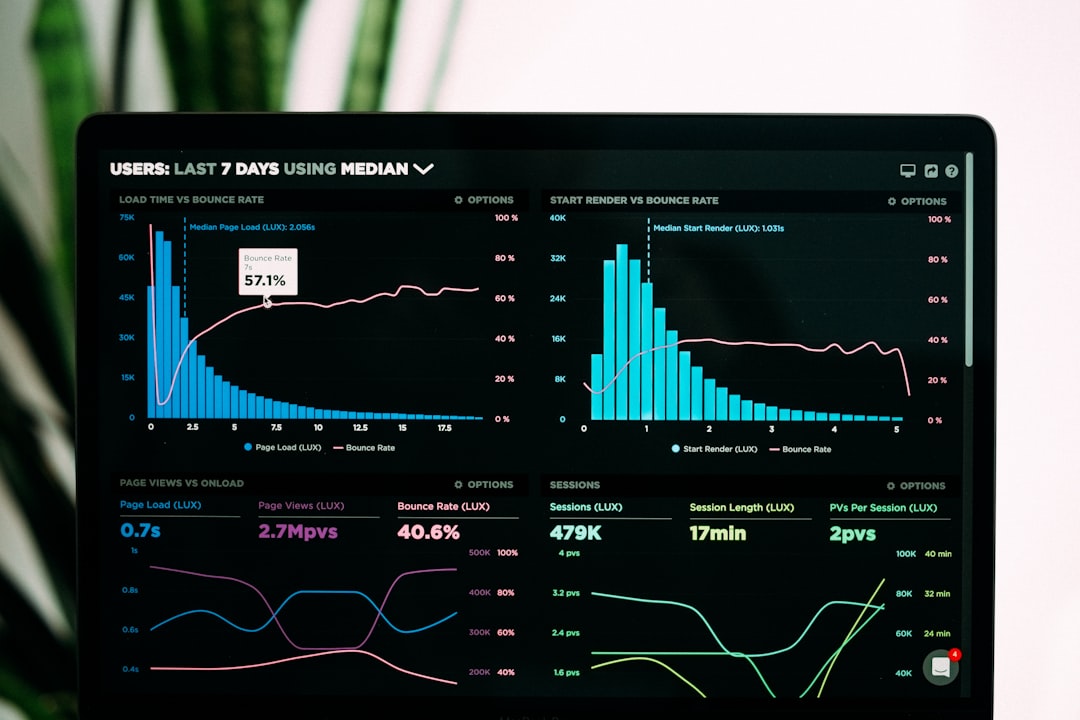
Digital whiteboard dashboards bring the visual simplicity of a board together with the power of automated data. These systems are usually displayed on large monitors, touchscreens, tablets, or control room screens. They may connect to machines, production software, sensors, barcode scanners, or manual input forms.
Best for: Larger operations, multi-site companies, automated production lines, remote managers, and teams that need accurate historical reporting.
A digital board can show live output, downtime events, overall equipment effectiveness, work order progress, defect counts, and schedule adherence. Unlike a traditional board, it can automatically calculate totals, display trends, send alerts, and store data for analysis. Managers can view the same information from an office, another facility, or a mobile device.
The most valuable digital systems make downtime analysis easier. Instead of relying on handwritten notes, operators can select standard downtime reason codes from a touchscreen. The system can then rank downtime causes by frequency, duration, machine, shift, or product. This makes it much easier to decide whether the biggest issue is mechanical failure, setup time, missing materials, or training.
The downside is complexity. Digital systems require setup, integration, training, and maintenance. If the interface is cluttered, teams may ignore it. The best digital dashboards are not the ones with the most charts; they are the ones that make the next decision obvious.
5. Hybrid Whiteboard Systems
Hybrid systems combine physical boards with digital data capture. For example, a team might use a wall-mounted whiteboard during huddles, then enter the final numbers into a tablet at the end of the shift. Another approach is to use printed whiteboard sections for discussion, while a nearby screen displays live machine data.
Best for: Teams transitioning from manual tracking to digital monitoring, facilities with mixed technology levels, and organizations that want both human engagement and better data.
Hybrid boards are often the most practical option. They preserve the face-to-face communication that makes whiteboards valuable, while reducing the risk of losing information. They also allow companies to modernize gradually instead of replacing everything at once.
A good hybrid setup might include:
- A physical huddle board for daily targets, key issues, and action items.
- A digital input form for downtime events and output totals.
- A dashboard screen for live trends and performance summaries.
- A weekly review report generated from captured data.
This approach works especially well when operations leaders want better analytics but do not want to lose the cultural benefits of visual management on the floor.
6. Maintenance Downtime Boards
Not every downtime board needs to track production output directly. Maintenance-focused whiteboards are designed to monitor equipment status, open work orders, breakdown causes, preventive maintenance tasks, and response time. These boards help maintenance teams prioritize work and communicate clearly with production.
Best for: Maintenance shops, reliability teams, plants with frequent machine stoppages, and operations where equipment availability is a major constraint.
A maintenance downtime board commonly includes machine name, current status, downtime start time, assigned technician, suspected cause, required parts, and estimated return to service. Some boards also separate work into categories such as emergency breakdowns, planned maintenance, safety issues, and improvement projects.
The benefit is alignment. Production teams often want to know, “When will the machine be running again?” Maintenance teams need to know, “Which problem matters most right now?” A shared downtime board helps both groups work from the same facts.
7. Kanban and Workflow Boards for Output Monitoring
Kanban-style boards are useful when output is based on workflow movement rather than hourly production. Instead of tracking units per hour, these boards track jobs, orders, batches, or tasks through stages such as “Waiting,” “In Process,” “Quality Check,” “Complete,” and “Blocked.”
Best for: Custom manufacturing, repair operations, labs, engineering teams, printing, fabrication, and low-volume high-mix environments.
Kanban boards make bottlenecks visible. If too many jobs pile up in quality inspection or if several cards sit in “Blocked,” the team can immediately see where output is being constrained. Downtime can be represented as blocked work, unavailable equipment, missing approvals, or material shortages.
This type of board is especially effective when standard hourly output targets do not make sense. It gives teams a visual way to manage flow, reduce waiting, and maintain priorities.
Choosing the Right Whiteboard System
The best whiteboard system depends on how your team works. A high-speed bottling line may need an hour by hour board with downtime codes, while a custom fabrication shop may benefit more from a Kanban workflow board. A multi-site manufacturer may require digital dashboards, while a small maintenance crew may only need a well-organized magnetic board.
When choosing a system, consider these questions:
- How often does output need to be updated? Hourly, daily, by job, or in real time?
- Who will update the board? Operators, supervisors, maintenance technicians, or automated systems?
- What downtime details matter most? Duration, reason, machine, product, shift, or response time?
- Do you need historical analysis? If yes, consider digital or hybrid capture.
- Will the board support huddles? If yes, keep it simple, visible, and discussion-friendly.
- Can the team maintain it consistently? A basic board used every day is better than an advanced board no one updates.
Best Practices for Successful Implementation
No whiteboard system works by itself. The board must be part of a management routine. That means reviewing it at set times, responding to red conditions, and following up on action items. If people record downtime but nothing changes, the board will lose credibility.
Start with a few essential metrics rather than trying to track everything. For daily output, show target, actual, and variance. For downtime, show duration, reason, and owner. Once the team develops the habit, you can add trends, Pareto charts, or improvement projects.
It is also important to standardize downtime reasons. If one person writes “jam,” another writes “machine issue,” and another writes “line stopped,” your data will be hard to analyze. Use simple categories first, then add detail where needed.
Finally, keep the board close to the work. A whiteboard hidden in an office will not influence behavior on the floor. The best boards are placed where teams naturally pass, meet, and make decisions.
Final Thoughts
Whiteboard systems remain one of the most practical tools for monitoring daily output and downtime because they turn performance into something visible, shared, and actionable. Traditional magnetic boards are excellent for simplicity and engagement. Hour by hour boards create urgency and fast problem solving. Lean daily management boards connect output and downtime to broader business goals. Digital dashboards provide automation and analytics, while hybrid systems offer a balanced path between manual visibility and modern data capture.
The top system is not necessarily the most expensive or technology-heavy. It is the one your team will use consistently, understand quickly, and trust during daily decisions. When designed well, a whiteboard becomes more than a reporting tool; it becomes the center of operational communication, helping teams see problems sooner, reduce downtime, and improve output one shift at a time.