Workforce analytics is moving from a helpful HR reporting function to a core business intelligence discipline. In 2026, organizations will rely on people data not just to understand what happened, but to predict what is likely to happen next and guide faster, fairer, and more strategic decisions.
TLDR: In 2026, workforce analytics will focus on predictive insights, skills intelligence, AI governance, employee experience, and strategic workforce planning. HR teams will use richer data to forecast talent risks, redesign roles, improve retention, and support more agile business models. The biggest winners will be organizations that combine advanced analytics with transparent, ethical, and human-centered decision-making.
1. Predictive Analytics Becomes a Daily HR Tool
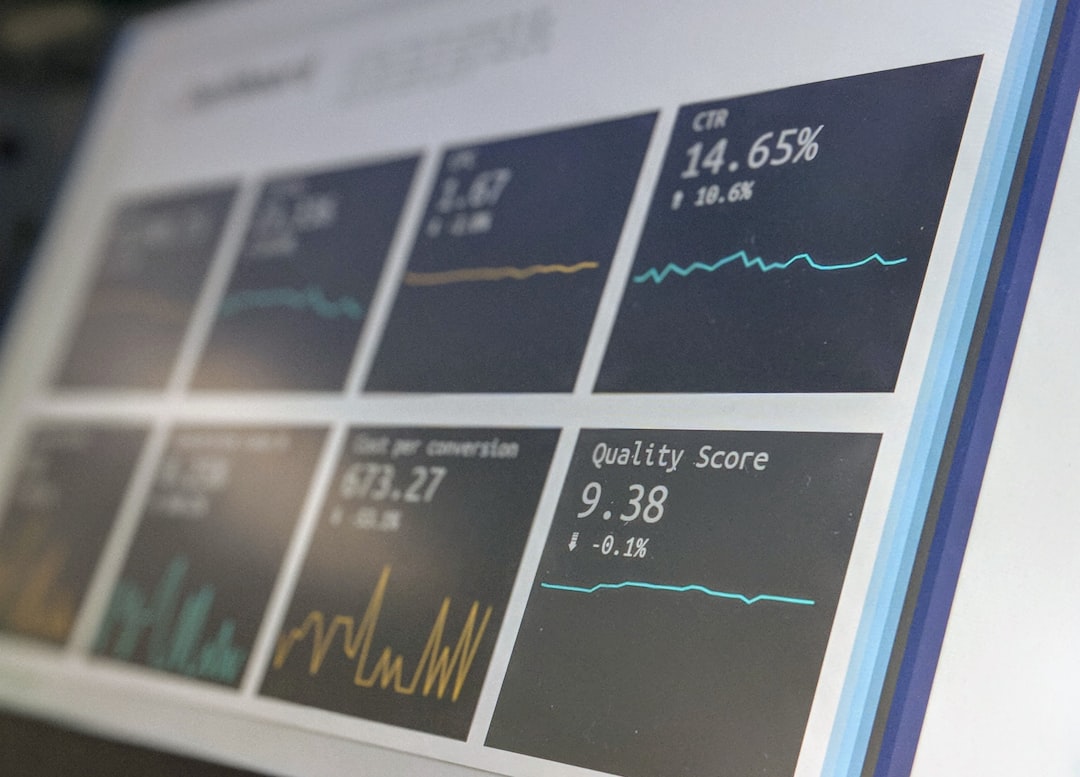
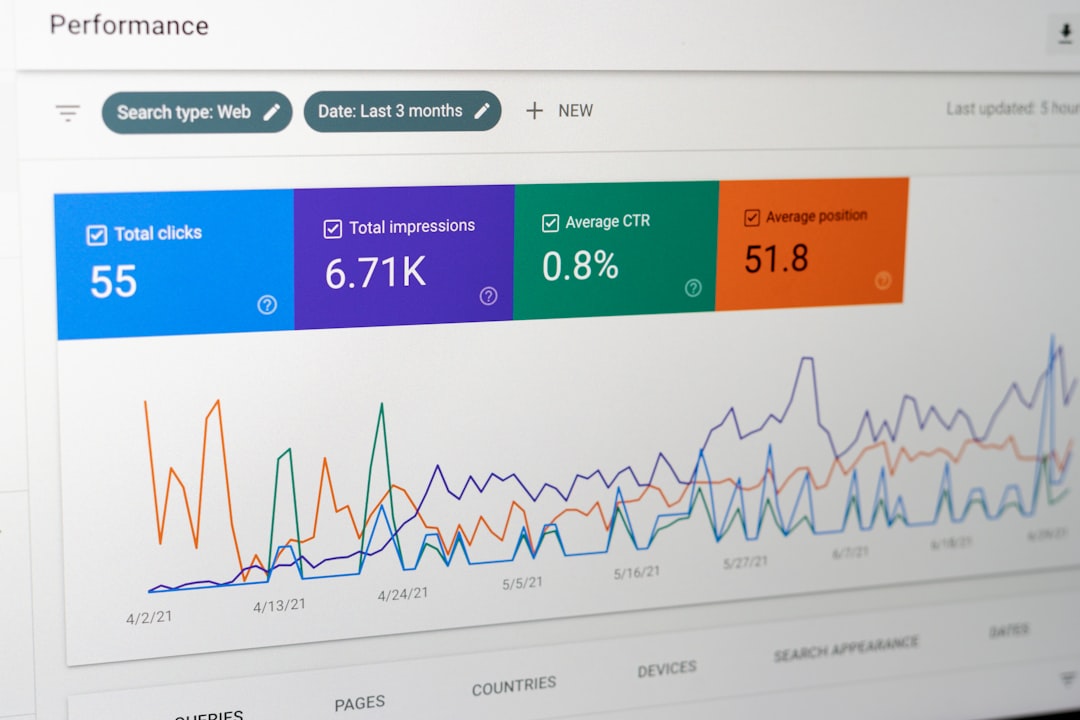
For years, many HR teams used analytics mainly for dashboards: turnover rates, headcount, hiring time, engagement scores, and compensation benchmarks. In 2026, the emphasis will shift further toward predictive and prescriptive analytics. Instead of asking, “How many employees left last quarter?” HR leaders will ask, “Which teams are at risk of losing critical talent in the next six months, and what should we do about it?”
Predictive models will help identify early warning signs such as declining engagement, manager changes, pay compression, workload spikes, limited career movement, or increased absenteeism. These insights can then support targeted interventions, from manager coaching to internal mobility opportunities.
The key change is that analytics will become more embedded in everyday management. Rather than being locked inside quarterly reports, workforce insights will appear in manager platforms, talent review systems, and planning tools, making data-driven action more immediate.
2. Skills Intelligence Takes Center Stage
One of the most important HR insights to watch in 2026 is the rise of skills-based workforce planning. Traditional job titles are becoming less reliable indicators of what people actually do. As automation, AI, and hybrid work reshape roles, companies need a clearer view of the skills they have, the skills they need, and the gaps they must close.
Skills intelligence platforms will help organizations map employee capabilities across departments, projects, learning history, certifications, and performance data. This allows HR teams to answer critical questions:
- Which skills are becoming more valuable in our industry?
- Where do we have hidden expertise inside the company?
- Which roles are most likely to be disrupted by automation?
- Should we hire, reskill, redeploy, or outsource?
In 2026, expect more companies to move away from rigid career ladders and toward skills-based talent marketplaces. Employees will be matched with gigs, projects, mentors, and learning paths based on their capabilities and career goals. This will make internal mobility a major retention strategy.
3. AI in HR Gets More Regulated and More Transparent
Artificial intelligence will continue to influence recruiting, performance management, learning, workforce planning, and employee support. However, 2026 will also bring greater scrutiny. As AI becomes more powerful, organizations will need stronger governance to prevent bias, protect privacy, and maintain employee trust.
HR leaders will be expected to understand not only what an AI tool can do, but also how it makes recommendations. This includes evaluating data sources, testing for adverse impact, documenting decision logic, and ensuring humans remain accountable for high-stakes employment decisions.
Important AI governance practices will include:
- Bias audits for recruiting, promotion, and performance tools.
- Clear employee communication about how AI is used.
- Human oversight for decisions affecting pay, hiring, or job security.
- Data minimization to collect only what is truly necessary.
In short, AI will not disappear from HR; it will become more accountable. Companies that build transparent AI policies will be better positioned to use automation without damaging trust.
4. Employee Experience Analytics Becomes More Nuanced
Employee engagement surveys are not going away, but they will no longer be enough. In 2026, organizations will look at the full employee experience ecosystem, including onboarding, learning, manager quality, workload, wellbeing, belonging, technology friction, and career growth.
Instead of relying only on annual survey scores, HR teams will combine multiple data signals: pulse surveys, exit interviews, stay interviews, internal mobility patterns, collaboration data, help desk tickets, learning engagement, and performance trends. The goal is not to monitor employees excessively, but to understand where the work experience is helping or hurting productivity.
For example, if a team shows high meeting volume, delayed project timelines, low engagement, and rising turnover risk, workforce analytics can highlight a possible workload or leadership issue. HR can then partner with business leaders to redesign processes before burnout becomes a retention crisis.

5. Strategic Workforce Planning Becomes Continuous
Annual workforce planning cycles are becoming too slow for modern business conditions. In 2026, strategic workforce planning will become more continuous, scenario-based, and closely tied to financial planning.
Organizations will use analytics to model different futures: market expansion, budget cuts, automation adoption, merger activity, skills shortages, or changes in customer demand. HR will play a stronger role in answering business-critical questions such as, “Can we grow with our current workforce?” and “What talent risks could stop us from executing our strategy?”
This trend will require HR, finance, operations, and technology leaders to work together more closely. Workforce analytics will become a common language for discussing cost, capacity, capability, and risk.
6. Retention Analytics Focuses on Quality, Not Just Quantity
Turnover metrics will become more sophisticated in 2026. Instead of simply tracking how many people leave, companies will analyze who leaves, why they leave, and what business impact follows. Losing a high-performing engineer, experienced nurse, top salesperson, or respected frontline supervisor can have a very different impact than general attrition numbers suggest.
Retention analytics will increasingly focus on critical roles, flight-risk indicators, career stagnation, manager effectiveness, pay equity, and employee sentiment. Organizations will also pay more attention to “regrettable turnover” and the cost of losing institutional knowledge.
At the same time, HR teams will become more realistic. Not all turnover is negative. Healthy organizations need some movement, fresh ideas, and role renewal. The most advanced analytics teams will distinguish between harmful attrition, normal turnover, and productive workforce evolution.
7. Pay Equity and Transparency Analytics Expand
Pay transparency laws and employee expectations are pushing compensation analytics into the spotlight. In 2026, more organizations will use workforce data to identify pay gaps, promotion disparities, inconsistent job leveling, and unequal access to bonuses or development opportunities.
This is not only a compliance issue. Pay equity is increasingly linked to employer reputation, employee trust, and retention. Analytics can help HR teams identify patterns before they become public controversies or internal morale problems.
Companies will need clean job architecture, accurate compensation data, and consistent performance criteria. Without these foundations, even advanced analytics can produce misleading conclusions.
8. Wellbeing Metrics Move Beyond Perks
Employee wellbeing in 2026 will be measured less by the number of wellness benefits offered and more by whether work itself is sustainable. HR analytics will examine workload, schedule predictability, manager behavior, time off usage, burnout risk, and psychological safety.
This shift matters because many wellbeing problems are structural. Meditation apps and wellness stipends can be helpful, but they cannot fully compensate for unclear priorities, chronic understaffing, poor leadership, or excessive meeting culture. Workforce analytics can reveal these deeper patterns and help leaders make better operational decisions.
What HR Leaders Should Do Now
To prepare for 2026, HR teams should focus on building strong data foundations and practical analytics capabilities. That means improving data quality, integrating systems, training HR professionals in data interpretation, and creating governance standards for privacy and fairness.
Most importantly, organizations should remember that workforce analytics is not about replacing human judgment. It is about improving it. Data can reveal patterns, challenge assumptions, and guide action, but leaders still need empathy, context, and courage to make meaningful change.
The future of workforce analytics will belong to HR teams that can connect people insights to business outcomes while keeping trust at the center. In 2026, the most valuable HR function will not simply report on the workforce; it will help design a smarter, more resilient, and more human organization.