Build your video content strategy around one clear job: help the right audience discover, trust, remember, and buy from your brand. Every video should connect to a business goal, not just fill a content calendar. If a video does not support awareness, audience growth, engagement, SEO, sales, retention, or customer trust, it needs a better reason to exist.
TLDR: A strong video content strategy starts with audience intent, then maps each video to a clear goal and distribution channel. For example, a small fitness brand might publish 4 short workout clips per week, 2 educational YouTube videos per month, and 1 customer story each quarter; after 90 days, it could track a 35% rise in branded search, a 22% increase in email signups, and higher watch time on product pages. The best plan mixes short-form reach, long-form SEO, social proof, and conversion-focused content.
Start With Business Goals, Not Video Ideas
Random video ideas create random results. A smart strategy begins with specific outcomes. Do you want more people to know your brand? More qualified traffic? More email subscribers? More demo calls? More repeat customers?
Once the goal is clear, the video format becomes easier to choose. A founder story can support brand awareness. A product comparison can support sales. A how-to video can support SEO. A customer case study can reduce buyer hesitation.
- Brand awareness: short social videos, founder clips, trend commentary, behind-the-scenes content.
- Audience growth: educational series, interviews, tutorials, recurring formats.
- Engagement: polls, Q&A videos, reaction content, community replies.
- SEO: YouTube explainers, product tutorials, searchable how-to content.
- Sales: demos, testimonials, objections answered, comparison videos.

Define the Audience Before the Format
Many brands start with, “We need TikToks.” That can be useful, but it is not a strategy. The better question is, what does our audience need to see before they care?
Create simple audience segments. Keep them practical. For example, a B2B software company might target:
- New visitors who do not know the problem exists.
- Problem-aware buyers comparing different solutions.
- Existing users who need training and retention support.
Each group needs different content. New visitors may enjoy short, punchy videos that name a common frustration. Buyers need proof, process, and clarity. Users need quick answers that save them time.
Honestly, it feels like some teams waste weeks making polished videos for people who are not ready to buy. Then they wonder why the content gets likes but no pipeline. The issue is not always quality. Often, the video speaks to the wrong stage of the journey.
Map Video Content to the Customer Journey
A balanced strategy covers the full path from first impression to loyalty. Think in three simple stages: discover, trust, act.
1. Discover
This is where brand awareness grows. Keep videos short, useful, and easy to share. Strong topics include myths, mistakes, quick tips, reactions, stories, and bold opinions. The goal is not to explain everything. The goal is to earn the next few seconds of attention.
2. Trust
Once people know you exist, they need reasons to believe you. Use educational videos, customer stories, process breakdowns, and expert commentary. This is where long-form video can shine. A 7-minute guide that solves a real problem can do more for trust than 20 vague clips.
3. Act
Conversion videos should remove doubt. Show the product. Answer pricing concerns. Compare options. Explain implementation. Share real results. Make the next step obvious, whether that is booking a call, starting a trial, downloading a guide, or joining a list.
Choose Formats That Match the Channel
Every platform has its own viewing behavior. Do not post the same file everywhere and call it distribution. Repurpose the idea, not always the exact video.
- YouTube: best for search, education, product research, and evergreen tutorials.
- TikTok and Instagram Reels: best for discovery, personality, quick tips, and cultural relevance.
- LinkedIn: best for professional insight, founder-led content, B2B stories, and thought leadership.
- Website video: best for demos, testimonials, onboarding, and landing page conversion.
- Email: best for nurturing leads with product education and customer proof.
Expect to waste time if your workflow relies on exporting five versions manually every time. A 45-second clip may need captions, a vertical crop, a square thumbnail, a title hook, and a shorter cut. That can easily add 20 minutes per video if the process is messy. Build templates early.
Plan Content Pillars So You Never Start From Zero
Content pillars are recurring themes that keep your videos focused. They also make brainstorming less painful. Aim for three to five pillars that connect audience needs with brand expertise.
For example, a sustainable skincare brand might use these pillars:
- Ingredient education: what ingredients do and why they matter.
- Skin routine tips: short tutorials for different skin types.
- Brand values: sourcing, packaging, and production choices.
- Customer proof: reviews, before-and-after stories, user videos.
- Product guidance: how to choose and apply each product.
These pillars support brand awareness, search, engagement, and sales at the same time. They also protect the brand from chasing every trend that appears on Monday morning.

Build SEO Into Video From the Start
Video SEO starts before the upload. It begins with search intent. What questions does your audience type into Google, YouTube, or even TikTok? What phrases appear in sales calls, reviews, support tickets, and community comments?
Use those phrases in your topics, titles, scripts, descriptions, captions, and chapter names. Search engines need context. Viewers need clarity. A title like “How to Choose the Right CRM for a 10 Person Sales Team” beats “Our CRM Guide” because it speaks to a real problem.
- Use the main keyword in the title naturally.
- Add a clear description with related terms.
- Include captions or transcripts.
- Create chapters for long videos.
- Embed key videos on relevant website pages.
- Design thumbnails that promise a clear benefit.
SEO video should be useful for months, not just days. A strong tutorial, comparison, or product guide can bring traffic long after a social trend fades.
Create a Production System You Can Actually Sustain
A great strategy fails when production is too heavy. You do not need a studio for every video. You need a repeatable system.
Batch your work. Record several videos in one session. Turn one webinar into clips, quotes, a blog post, a newsletter, and a YouTube upload. Use a basic shot list. Save reusable intros, outros, lower thirds, and caption styles.
A simple weekly workflow might look like this:
- Monday: choose topics from audience questions and keyword research.
- Tuesday: write short outlines, hooks, and calls to action.
- Wednesday: record in batches.
- Thursday: edit, caption, and create thumbnails.
- Friday: publish, reply to comments, and review early performance.
This keeps content moving without turning every post into a mini film production.
Measure What Matches the Goal
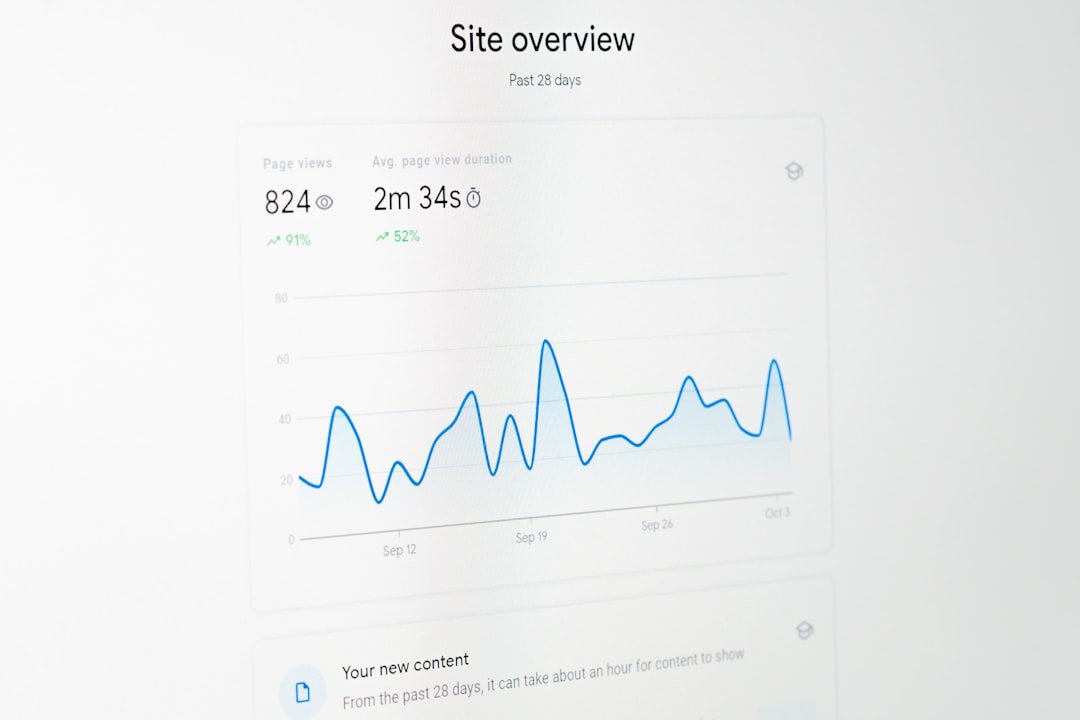
Views alone can mislead you. A million views from the wrong people may do less than 5,000 views from buyers. Match metrics to the purpose of each video.
- Awareness: reach, impressions, view-through rate, branded search lift.
- Audience growth: follower growth, subscribers, email signups.
- Engagement: comments, saves, shares, average watch time.
- SEO: rankings, organic traffic, YouTube search views, click-through rate.
- Business goals: leads, trials, demo requests, sales, retention, support ticket reduction.
Review results every month. Keep what works. Cut what does not. Test hooks, thumbnails, lengths, formats, and posting times. Small changes can create big gains. A better first five seconds may lift retention by 15%. A clearer thumbnail may double clicks.
Turn Engagement Into a Feedback Loop
Comments are not just reactions. They are research. Save recurring questions. Track objections. Notice the words people use. These details can shape future videos, sales pages, FAQs, product updates, and email campaigns.
If one clip gets strong comments but low clicks, the idea may be good while the call to action is weak. If a video gets high watch time but few conversions, viewers may need more proof. If a tutorial gets steady search traffic, build a deeper series around it.
Keep the Strategy Simple Enough to Use
The best video content strategy is not the thickest document. It is the one your team can follow every week. Define the audience. Set the goals. Pick the channels. Build content pillars. Create a production rhythm. Measure against real outcomes.
Video works when it compounds. One useful video builds trust. Ten connected videos build recognition. A hundred focused videos can turn your brand into the obvious choice in your category.