Hire a licensed waste water removal service before slow drains, foul odors, or pooling water turn into a costly shutdown or property hazard. Businesses and homeowners both need fast removal, safe transport, and proper disposal, not just “someone with a pump.” The right provider protects your building, your health, and your budget.
TLDR: Waste water removal services collect, pump, haul, and dispose of contaminated water from homes, restaurants, factories, construction sites, basements, septic tanks, grease traps, and holding tanks. A small restaurant with a 1,000-gallon grease trap may need service every 30 to 90 days, while a rural home septic tank may need pumping every 3 to 5 years. One homeowner who delayed service after hearing gurgling drains paid roughly 40% more for emergency cleanup than a routine pump-out would have cost. Pick a licensed, insured company that gives disposal records, clear pricing, and 24/7 emergency support.
What Waste Water Removal Services Actually Do
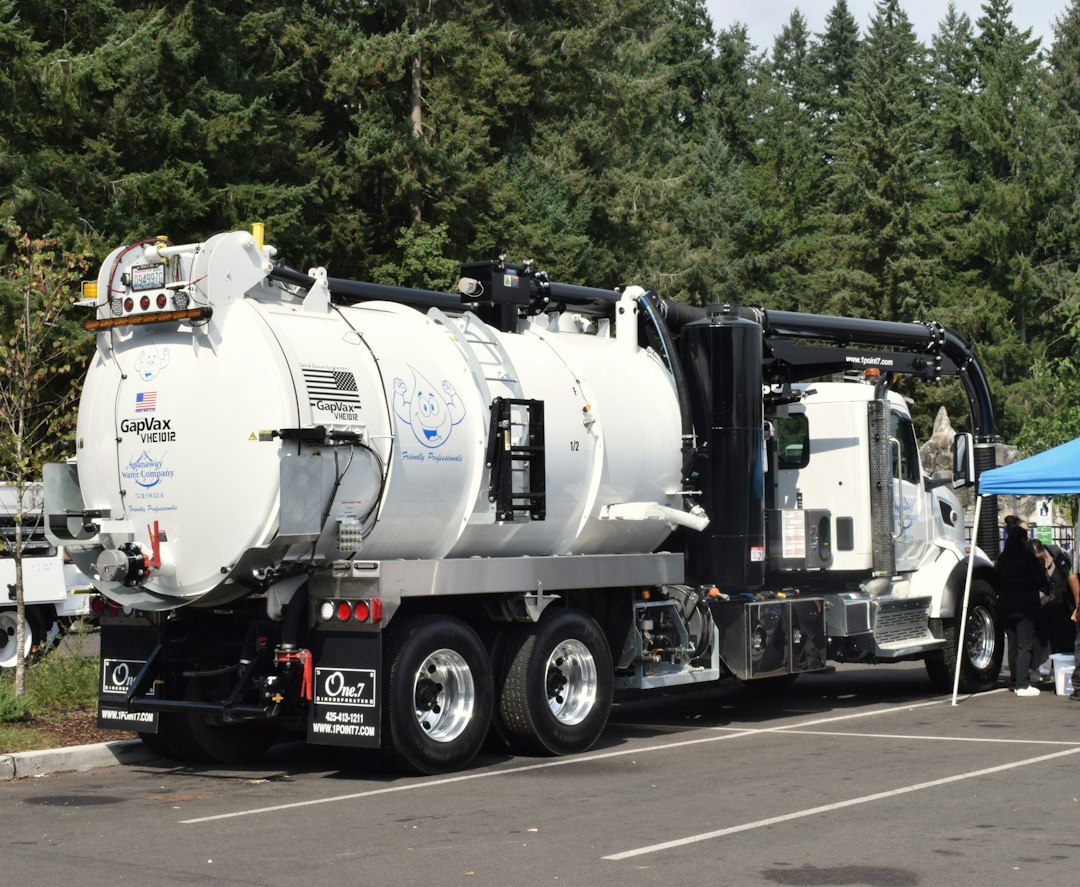
Waste water removal is more than sucking water out of a tank. A proper service team removes contaminated water, sludge, grease, sewage, sediment, or industrial liquid waste using pumps, hoses, vacuum trucks, and containment equipment. Then they transport it to an approved treatment or disposal facility.
That last part matters. Dumping waste water in the wrong place can contaminate soil, rivers, storm drains, and drinking water sources. It can also trigger fines. For businesses, those fines can hurt more than the cleanup bill.
Common jobs include:
- Septic tank pumping for homes, cabins, farms, and rural sites.
- Grease trap cleaning for restaurants, cafés, hotels, schools, and commercial kitchens.
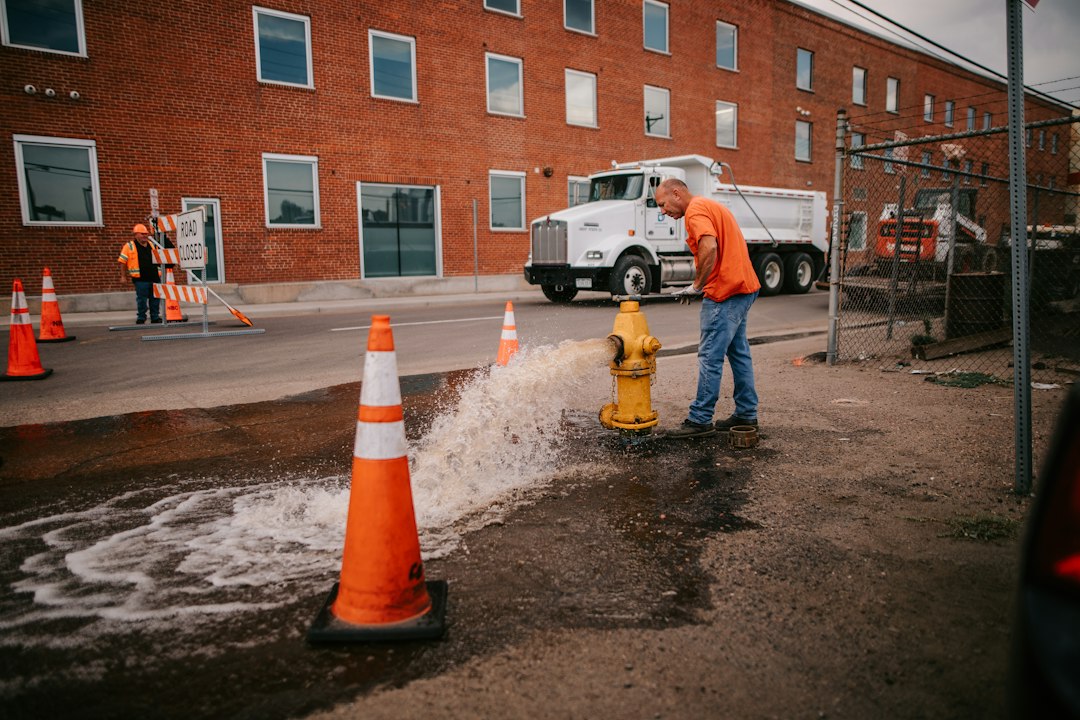
- Basement flood water extraction after storms, pipe breaks, or sewer backups.
- Industrial waste water hauling from manufacturing, food processing, car washes, and workshops.
- Construction site water removal from trenches, pits, washout areas, and temporary tanks.
- Holding tank service for portable restrooms, RV parks, events, and remote facilities.
Why Homeowners Should Not Wait
At home, waste water problems often start quietly. A toilet flushes slower. A shower drain bubbles. The yard smells sour after rain. It is tempting to ignore it for another week. That is usually when the bill grows.
Delayed septic pumping can push solids into the drain field. Once that happens, a simple service call can become an excavation job. A routine septic pump-out may cost a few hundred dollars in many areas. A failed drain field can cost thousands.
Watch for these warning signs:
- Gurgling pipes after flushing or running water.
- Wet patches near the septic tank or drain field.
- Sewage odors indoors or outside.
- Toilets backing up at the lowest level of the house.
- More than one slow drain at the same time.
- Bright green grass over the drain field during dry weather.
If sewage has backed up into the home, do not treat it like normal flood water. It may contain bacteria, viruses, and parasites. Keep people and pets away. Call a qualified waste water removal company and, if needed, a restoration crew for disinfection.
What Businesses Need to Know
For businesses, waste water removal is tied to compliance, customer safety, and uptime. A restaurant with a slipping grease trap can smell bad before lunch service. A car wash with an overflowing reclaim tank may have to close. A factory with liquid waste storage issues may face inspection problems.
Honestly, it feels like some booking portals make this harder than it should be. You enter the tank size, location, waste type, and access notes, then still get a vague “we’ll call you” message. For high-volume sites, ask for a direct dispatcher contact and a written service schedule. Waiting 20 extra minutes for a callback is annoying during a leak. Waiting 6 hours can stop operations.
Businesses should track:
- Waste type: sewage, grease, oily water, process water, graywater, or sludge.
- Volume: tank size, average gallons per week, and peak usage periods.
- Pickup frequency: fixed schedule, as-needed service, or sensor-based alerts.
- Disposal paperwork: manifests, receipts, or disposal certificates.
- Emergency response time: especially for food service, healthcare, and industrial sites.
Grease traps deserve special attention. If a trap is more than about 25% full of fats, oils, grease, and solids, performance drops. That can send grease into pipes and municipal sewer lines. Many cities require proof of regular cleaning. Missing records can lead to fines during inspections.
Image not found in postmetaHow Pricing Usually Works
Waste water removal prices vary by region, waste type, access, volume, and disposal fees. Clean stormwater is usually cheaper to remove than sewage or oily industrial waste. Thick sludge takes longer to pump. A buried tank with poor access may require extra labor.
Most providers price jobs using one or more of these factors:
- Gallons removed or tank size.
- Truck time and technician labor.
- Travel distance to your site and to the disposal facility.
- Waste classification and treatment requirements.
- Emergency rates for nights, weekends, and holidays.
- Extra services such as jetting, camera inspection, disinfection, or sludge removal.
Ask for a written estimate before work starts. If the provider cannot explain disposal fees or volume charges, keep asking. Vague pricing is a bad sign. So is a company that offers a suspiciously cheap cash-only haul with no disposal record.
How to Choose a Reliable Provider
A solid waste water removal company should be easy to verify. They should have the right permits, trained staff, proper trucks, and insurance. They should also understand local disposal rules.
Before signing anything, ask these questions:
- Are you licensed to handle this type of waste?
- Where will the waste be disposed of?
- Can you provide a disposal manifest or service record?
- What is included in the quoted price?
- Do you offer emergency service?
- Can you set a recurring maintenance schedule?
- What access do you need for the truck and hoses?
It drives me crazy when companies bury basic add-on charges in tiny text. Ask about hose length fees, after-hours rates, return trip charges, and minimum gallon charges. These are fair when explained upfront. They are frustrating when they appear after the truck leaves.
What to Do Before the Truck Arrives
A little prep saves time and money. Clear the driveway, unlock gates, move vehicles, and mark tank lids if you know the location. For businesses, tell staff which drains, tanks, or traps are being serviced. If the job involves sewage backup, keep the area closed until it is cleaned and disinfected.
For recurring service, keep a simple log with:
- Date of service.
- Amount removed.
- Technician notes.
- Photos, if needed.
- Disposal record or invoice number.
- Next recommended service date.
Prevention Is Cheaper Than Emergency Cleanup
The best waste water removal plan is not built during a crisis. Homeowners should schedule septic inspections and pumping based on household size, tank capacity, and water use. Businesses should base service frequency on actual waste volume, not guesswork.
Small habits help too. Do not pour grease down drains. Avoid flushing wipes, even “flushable” ones. Repair leaking toilets, since extra water can overload septic systems. Install strainers in commercial sinks. Train staff to report odors, slow drains, and overflow risks early.
The main takeaway is simple: waste water removal is a health, safety, and compliance service. Treat it like routine maintenance, not an afterthought. A reliable provider keeps waste contained, documented, and legally disposed of. That protects your property, your people, and your peace of mind.