
Every click, login, file transfer, and suspicious connection leaves traces as it moves across a network. Network forensics is the discipline of finding, preserving, and analyzing those traces to understand what happened, when it happened, and who or what may have been involved. It sits at the intersection of cybersecurity, investigation, and data analysis, turning invisible digital conversations into evidence.
TLDR: Network forensics is the process of capturing and analyzing network traffic to investigate security incidents, cyberattacks, data breaches, and policy violations. It helps analysts reconstruct events by studying packets, logs, connections, and communication patterns. Organizations use it to detect intrusions, prove what happened, improve defenses, and support legal or compliance requirements.

What Does Network Forensics Actually Mean?
At its core, network forensics is about answering a deceptively simple question: What happened on the network? Unlike general network monitoring, which often focuses on performance and availability, network forensics is investigative. It looks backward and sideways, examining communication between systems to uncover evidence of malicious activity, misuse, or technical failure.
Imagine a company discovers that confidential customer records were leaked. Endpoint logs may show activity on a single laptop, but network evidence can reveal where the data went, which server it contacted, how much information left the environment, and whether the attacker returned later. In this way, network forensics helps reconstruct the story behind an incident.
Why Network Forensics Matters
Modern organizations rely on networks that are fast, distributed, cloud-connected, and constantly changing. Attackers take advantage of that complexity. They may use encrypted traffic, compromised credentials, remote access tools, or command-and-control servers to hide in ordinary activity. Network forensics gives defenders a way to separate normal behavior from suspicious behavior.
It is especially valuable because network data can act as an independent witness. Even if malware deletes files, attackers clear logs, or a compromised machine is destroyed, network records may still show the connections that occurred. This makes network evidence crucial for:
- Incident response: Identifying the scope and timeline of an attack.
- Threat hunting: Searching proactively for signs of compromise.
- Data breach investigations: Determining whether sensitive information was accessed or exfiltrated.
- Compliance: Supporting audit, reporting, and regulatory obligations.
- Legal evidence: Preserving reliable records that may be used in disciplinary or court proceedings.
What Kind of Evidence Is Collected?
Network forensic evidence can range from high-level summaries to complete copies of traffic. The right type depends on the organization’s resources, legal requirements, and investigation goals.
- Packet captures: Raw network packets that contain headers and sometimes payload data. These are extremely detailed but can require significant storage.
- Flow records: Summaries of conversations between devices, such as source IP, destination IP, ports, protocol, time, and volume of data transferred.
- DNS logs: Records showing which domain names systems attempted to resolve, often useful for spotting malware callbacks.
- Proxy and firewall logs: Information about allowed or blocked web requests and network connections.
- Intrusion detection alerts: Warnings generated when traffic matches known attack patterns or suspicious behavior.
- Email and authentication logs: Supporting records that can connect network activity to users, accounts, and devices.
Analysts often combine several of these sources. A single firewall log may show a connection to an unfamiliar server, while DNS records show the domain, packet captures show the type of traffic, and authentication logs show which user was active at the time.
How the Network Forensics Process Works
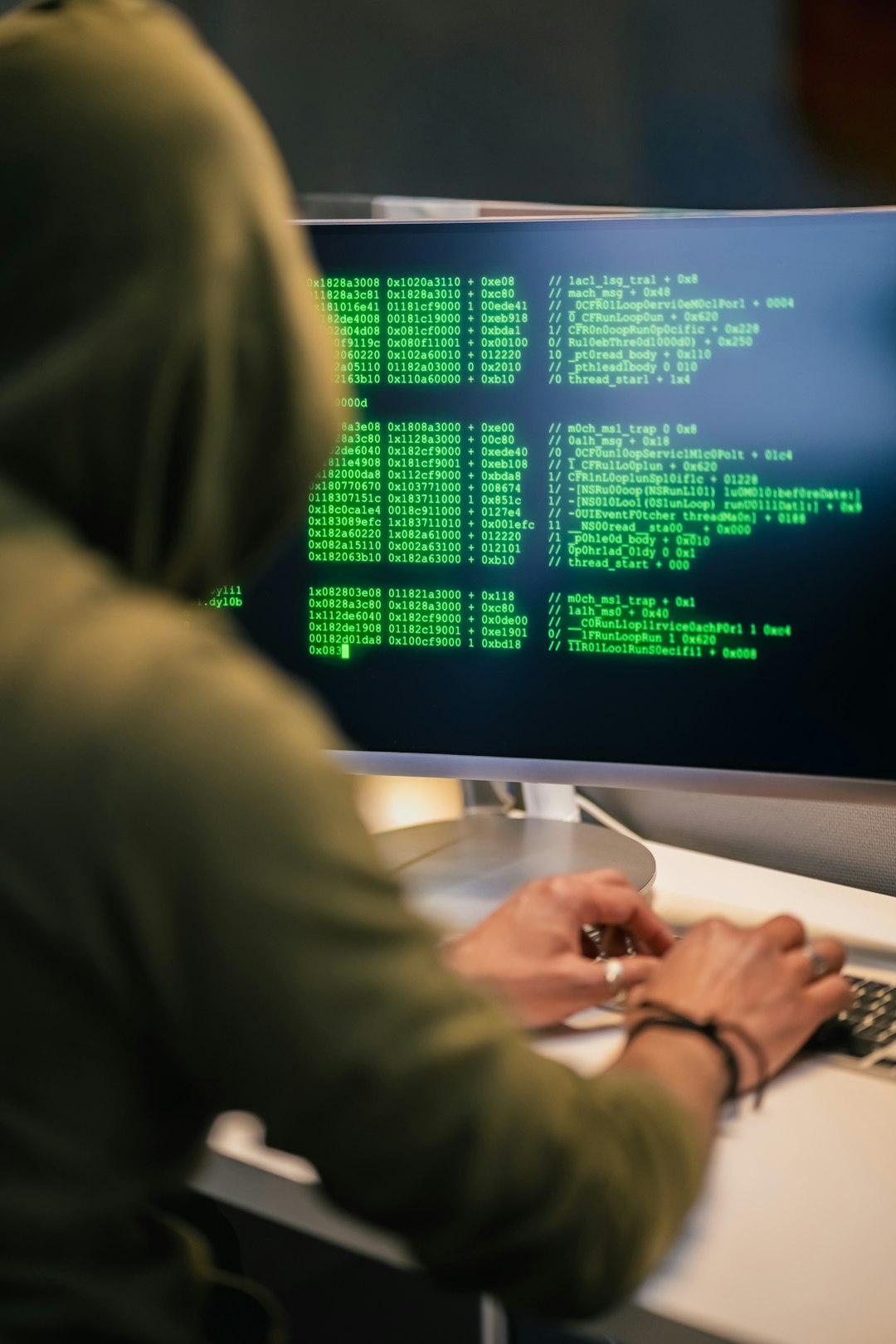
Although every investigation is different, most network forensic work follows a structured process. The goal is not only to find clues, but to preserve them in a way that is accurate, repeatable, and defensible.
- Collection: Traffic and logs are gathered from sensors, routers, firewalls, cloud platforms, endpoint agents, or forensic appliances.
- Preservation: Evidence is stored securely, with attention to timestamps, integrity checks, access control, and chain of custody.
- Filtering: Analysts reduce noise by focusing on relevant IP addresses, time windows, protocols, or suspicious events.
- Analysis: Patterns are examined to identify scans, lateral movement, malware communication, data transfers, or unauthorized access.
- Correlation: Network findings are compared with endpoint, identity, application, and cloud logs to build a complete picture.
- Reporting: Investigators document what happened, what evidence supports the findings, and what actions should follow.
This process often involves building a timeline. A good timeline can show that a phishing email arrived at 9:02, a user clicked a link at 9:05, a suspicious executable contacted an external server at 9:07, and internal scanning began at 9:15. That sequence is far more useful than isolated alerts.
Tools and Techniques Used by Analysts
Network forensic analysts rely on a mixture of specialized tools and investigative thinking. Packet analyzers such as Wireshark allow deep inspection of traffic. Security information and event management platforms, often called SIEMs, help correlate logs at scale. Network detection and response tools can identify suspicious patterns automatically. Flow analysis platforms help reveal who talked to whom, for how long, and how much data moved.
Beyond tools, analysts use techniques such as protocol analysis, behavioral baselining, signature matching, and anomaly detection. For example, a database server making a large outbound connection to an unknown country at 3 a.m. may be technically allowed, but behaviorally suspicious. Network forensics thrives on that kind of context.
Common Scenarios Where It Is Used
Network forensics is useful in many real-world situations. During a ransomware attack, it can reveal the initial entry point and show whether attackers moved laterally before encryption began. In an insider threat investigation, it can identify unusual file transfers or connections to personal cloud storage. After a web application breach, it can help determine which requests exploited the vulnerability and what data was exposed.
It is also valuable outside dramatic cyberattacks. Organizations use it to investigate policy violations, misconfigured systems, unauthorized devices, data loss, and suspicious remote access. In some cases, network forensics helps prove that an incident did not happen, such as showing that a server was scanned but never successfully accessed.
Challenges in Network Forensics
Network forensics is powerful, but it is not easy. One major challenge is volume. Large organizations can generate enormous amounts of traffic every second, making full packet capture expensive and difficult to retain. Another challenge is encryption. While encryption protects privacy and security, it can limit visibility into the content of communications, forcing analysts to rely more on metadata, timing, destination, and behavior.
Cloud computing and remote work add more complexity. Traffic may pass through services the organization does not fully control, while users connect from home networks, mobile devices, and software-as-a-service platforms. Attackers also deliberately blend in, using common ports, legitimate cloud providers, and stolen credentials to appear normal.

Best Practices for Effective Network Forensics
The best time to prepare for a forensic investigation is before an incident occurs. Organizations should decide what traffic and logs to collect, how long to retain them, and who can access them. Time synchronization is essential because inaccurate clocks can ruin a timeline. Evidence should be protected from tampering, and retention policies should balance security needs with privacy laws and storage costs.
Good network forensics also depends on knowing what “normal” looks like. Baselines for user behavior, server communication, and data transfer volumes make suspicious activity easier to spot. Finally, teams should practice through tabletop exercises and simulated incidents. A tool is only useful if people know how to use it under pressure.
The Future of Network Forensics
As networks evolve, network forensics is becoming more automated, cloud-aware, and intelligence-driven. Machine learning can help identify unusual patterns, while threat intelligence can enrich suspicious IP addresses and domains with known attacker activity. At the same time, privacy-preserving analysis and encrypted traffic inspection are becoming delicate but important areas of development.
Ultimately, network forensics is about visibility and truth. In a digital environment where attackers hide in traffic and evidence can disappear quickly, the ability to reconstruct events is essential. Whether used to stop an active breach, understand a past incident, or strengthen future defenses, network forensics turns network activity into knowledge—and knowledge is one of the most powerful tools in cybersecurity.