
The Shopify Japan market in 2026 is being shaped by a mix of domestic ecommerce maturity, cross-border demand, rising customer expectations, and stronger interest in automation. Japanese merchants are no longer treating Shopify only as a simple online store builder; instead, many are using it as a flexible commerce operating system that connects storefronts, payments, logistics, marketing, customer service, and wholesale channels.
TLDR: Shopify Japan in 2026 is gaining momentum among brands that want more control over direct-to-consumer sales, omnichannel retail, and international expansion. The most important updates revolve around localization, AI-assisted workflows, payment flexibility, B2B commerce, and stronger integrations with Japanese sales and logistics ecosystems. Competition from domestic marketplaces remains intense, but Shopify is increasingly positioned as a brand-owned commerce hub rather than only a marketplace alternative.
Shopify Japan in 2026: Market Overview
Japan remains one of Asia’s most sophisticated ecommerce markets, with consumers expecting trust, speed, convenience, and high-quality presentation. In 2026, Shopify’s role in Japan is expanding as more domestic brands look for ways to reduce dependence on large marketplaces while still maintaining links to them through integrations and multichannel strategies.
For many Japanese businesses, the appeal of Shopify lies in its ability to support a branded online store with flexible design, multilingual options, app-based expansion, and connections to marketing platforms. This is especially important for fashion, cosmetics, food, lifestyle, anime goods, homeware, specialty manufacturing, and premium craft brands that want to tell a stronger brand story than marketplace product pages usually allow.
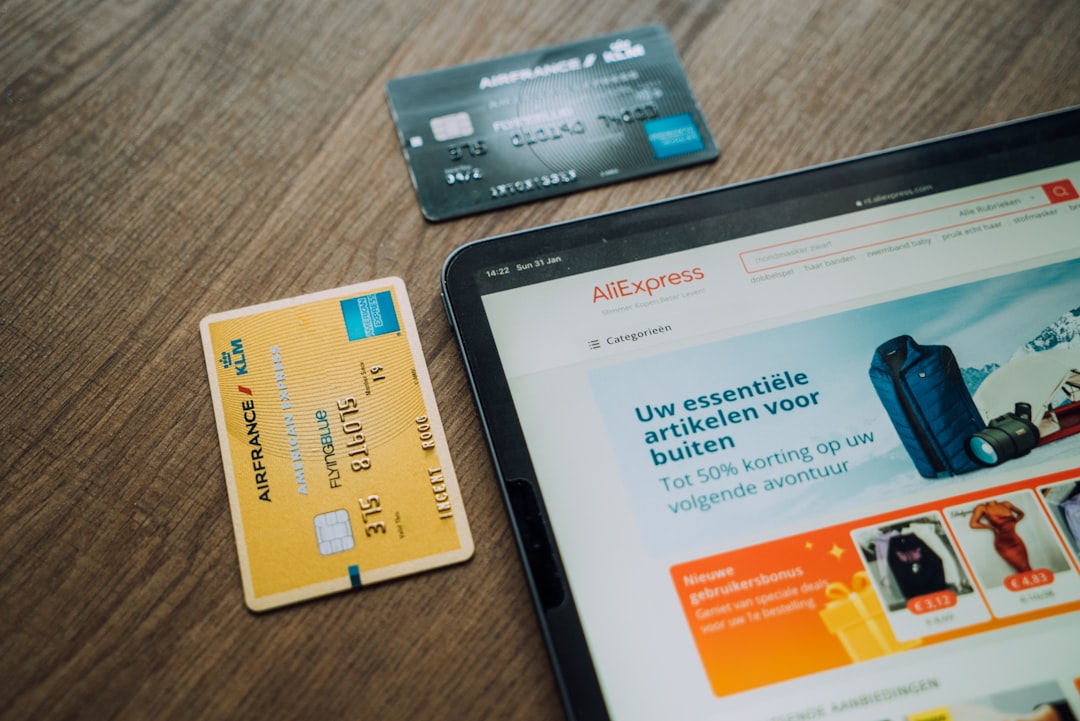
At the same time, Shopify Japan is not replacing Rakuten, Amazon Japan, Yahoo Shopping, ZOZOTOWN, or other major channels. Instead, the 2026 trend is channel coordination. Merchants are using Shopify as the central brand site while continuing to sell through marketplaces, social commerce, offline stores, pop-ups, and wholesale partners. This reflects a broader shift from single-channel ecommerce to unified commerce.
Key Shopify Japan News Themes in 2026
The main news surrounding Shopify Japan in 2026 is less about one isolated announcement and more about several important market movements. Japanese merchants are paying close attention to platform improvements in automation, checkout optimization, international selling, and business-to-business workflows.
- More interest in AI features: Merchants are exploring AI-assisted product descriptions, customer support, image generation, translation, segmentation, and campaign planning.
- Growth in cross-border commerce: Japanese brands are targeting buyers in the United States, Taiwan, Hong Kong, Singapore, Australia, and Europe.
- Strong demand for local payment options: Consumers continue to expect credit cards, digital wallets, convenience store payments, bank transfers, and mobile payment methods.
- Greater focus on B2B commerce: Manufacturers, wholesalers, and distributors are evaluating Shopify for trade portals and private buyer experiences.
- Omnichannel expansion: Retailers are connecting online shops with physical stores, events, pop-ups, and inventory systems.
Localization Remains the Center of Shopify Japan Growth
Japan is a highly localized ecommerce market. Success often depends on details such as language tone, checkout clarity, trust badges, delivery expectations, return policies, size charts, payment options, and customer support responsiveness. In 2026, Shopify merchants in Japan are giving more attention to these local expectations rather than simply translating a global storefront.
Product pages often need detailed imagery, material explanations, usage instructions, care notes, shipping timelines, and reassurance about authenticity. Japanese consumers tend to research carefully before purchase, particularly in higher-value categories such as beauty, apparel, electronics accessories, wellness products, collectibles, and home goods.
Localized checkout is also a major priority. Even if a store has strong branding, conversion can fall if payment choices feel unfamiliar or if shipping information is unclear. As a result, merchants frequently combine Shopify’s built-in payment and checkout capabilities with Japanese payment partners and logistics apps that support domestic expectations.
Payments and Checkout Updates
In 2026, payment flexibility remains one of the biggest practical concerns for Shopify stores in Japan. Credit cards remain important, but many buyers also expect options linked to mobile wallets, convenience store payment, deferred payment, bank transfer, and local digital payment services. Merchants serving both Japanese and international customers usually need a payment stack that balances domestic trust with global efficiency.
Shopify Payments, where available and appropriate for the merchant’s business model, helps simplify card acceptance and checkout management. However, many Japanese merchants also use additional providers to support local payment preferences. This layered approach is especially common for stores selling food, fashion, collectibles, beauty products, and subscription goods.
The 2026 checkout conversation also includes speed and friction reduction. Mobile commerce is significant in Japan, and customers often browse through smartphones during commutes, lunch breaks, and evening leisure time. Shopify merchants are therefore optimizing product pages, cart flows, account creation, and mobile checkout layouts to reduce abandoned carts.
AI and Automation in Shopify Japan
AI is one of the strongest Shopify Japan market update themes in 2026. Japanese merchants are using AI to improve efficiency in areas where teams may be small or where operations require frequent updates. Product copy, SEO descriptions, email subject lines, customer segmentation, translation drafts, FAQ generation, and merchandising suggestions are common use cases.

For small and midsize businesses, AI tools can reduce the burden of managing hundreds or thousands of product listings. For larger retailers, automation helps coordinate campaigns, inventory alerts, customer service responses, and personalized recommendations. The most successful merchants are not using AI as a replacement for brand judgment; they are using it to speed up repetitive work while keeping human review for tone, accuracy, and cultural nuance.
Japanese brands are particularly careful about customer communication. Automated responses must still feel polite, accurate, and aligned with brand standards. This makes AI governance, review workflows, and careful localization important parts of Shopify operations in 2026.
Cross-Border Commerce: Japan to the World
Cross-border ecommerce is a major opportunity for Shopify Japan merchants in 2026. Japanese products have strong global appeal in categories such as skincare, stationery, fashion, tea, snacks, kitchenware, anime-related merchandise, hobbies, traditional crafts, outdoor gear, and design-led home goods.
Shopify’s international selling tools help merchants manage multiple markets, currencies, domains, languages, and pricing strategies. However, cross-border growth requires more than technical setup. Merchants must address international shipping costs, duties and taxes, return policies, fraud prevention, customer support time zones, and localized marketing.
Many Japanese brands are using Shopify as the international storefront while maintaining domestic marketplace operations separately. This allows the brand to create English or multilingual content, build global email lists, run international advertising, and control customer relationships outside Japan.
Omnichannel Retail and Shopify POS
Physical retail remains important in Japan, especially for trust-building and discovery. In 2026, Shopify merchants are increasingly interested in connecting online stores with offline retail experiences. This includes permanent boutiques, department store counters, pop-up shops, exhibitions, trade shows, and limited-time collaboration events.
Omnichannel commerce can help brands unify customer data, inventory, and sales reporting. A customer may discover an item on social media, view it in a pop-up store, purchase it online, and later join a loyalty campaign through email or messaging. Shopify’s ecosystem supports this movement toward connected journeys, although merchants often need tailored integrations for Japanese inventory, accounting, and fulfillment systems.
For businesses with physical stores, the most important goals are accurate stock visibility, consistent pricing, customer profile management, and smoother staff workflows. In Japan’s service-focused retail culture, technology must support better hospitality rather than create complexity at the counter.
B2B and Wholesale Opportunities
B2B ecommerce is becoming a larger part of the Shopify Japan conversation in 2026. Many Japanese manufacturers and wholesalers still rely on manual ordering, email, phone communication, spreadsheets, and legacy systems. Shopify’s B2B capabilities are attracting attention from companies that want private catalogs, customer-specific pricing, volume rules, company accounts, and more efficient repeat ordering.
This is especially relevant for food suppliers, apparel makers, cosmetics manufacturers, interior goods companies, industrial parts sellers, and specialty craft producers. A modern B2B portal can reduce administrative work while giving wholesale buyers a more convenient ordering experience.
However, the B2B shift in Japan can be gradual. Longstanding business relationships, approval flows, negotiated pricing, and invoice practices often require careful implementation. Successful projects usually combine Shopify’s commerce flexibility with integration planning for accounting, ERP, inventory, and fulfillment operations.
Marketing Trends for Shopify Japan Merchants
Marketing in Japan’s Shopify ecosystem is becoming more performance-driven and more brand-focused at the same time. Merchants are evaluating how to balance paid ads, SEO, influencer campaigns, affiliate programs, social content, email, loyalty, and marketplace visibility.
One notable 2026 trend is the return of owned customer relationships. Rising ad costs and platform dependence have encouraged brands to build email lists, membership programs, loyalty rewards, and content-rich stores. Shopify merchants are investing in editorial content, product education, brand storytelling, and personalized campaigns to increase repeat purchases.

Social commerce is also influential, although platform strategies vary by category. Beauty, apparel, food, and lifestyle products often benefit from short-form video, creator collaboration, and seasonal campaigns. Merchants selling more technical or premium goods may rely more on SEO, comparison content, reviews, and long-form educational pages.
Logistics, Fulfillment, and Delivery Expectations
Japanese consumers generally expect reliable and transparent delivery. Clear shipping fees, delivery timeframes, tracking information, careful packaging, and responsive support can strongly influence conversion and repeat purchase. In 2026, Shopify Japan merchants are giving more attention to fulfillment operations as order volumes and channel complexity increase.
Domestic fulfillment often involves integration with local carriers, warehouse systems, inventory tools, and delivery management apps. For cross-border sales, merchants must also handle export documentation, international tracking, customs information, and potential returns. The brands that perform best usually treat logistics as part of the customer experience, not just a back-office function.
Challenges Facing Shopify Japan in 2026
Despite the opportunity, Shopify merchants in Japan face several challenges. Marketplace competition remains intense, and many consumers are accustomed to the convenience, points programs, and familiarity of major platforms. Independent Shopify stores must therefore work harder to create trust and repeat traffic.
- Customer acquisition costs: Paid advertising can be expensive, especially in competitive categories.
- Localization complexity: Translation alone is not enough for Japanese ecommerce expectations.
- Payment preferences: Stores may need multiple payment methods to maximize conversion.
- Operational integration: Accounting, tax, inventory, and shipment workflows often require careful setup.
- Brand trust: New stores must prove reliability through design, reviews, policies, and customer support.
Outlook for Shopify Japan
The outlook for Shopify Japan in 2026 is positive, especially for brands that want ownership of customer data, stronger storytelling, and more flexible commerce operations. Shopify is unlikely to eliminate Japan’s marketplace-heavy ecommerce culture, but it is becoming a more important layer in the country’s retail technology stack.
The strongest growth is expected among direct-to-consumer brands, export-focused sellers, omnichannel retailers, and B2B companies modernizing their ordering systems. Merchants that combine Shopify’s global platform strengths with deep Japanese localization will be best positioned to succeed.
FAQ
-
Is Shopify popular in Japan in 2026?
Shopify is gaining stronger recognition in Japan, particularly among direct-to-consumer brands, niche product sellers, cross-border merchants, and retailers that want more control over branding and customer relationships. -
What are the biggest Shopify Japan trends in 2026?
The biggest trends include AI automation, localized payments, omnichannel selling, cross-border expansion, B2B ecommerce, and stronger integration with logistics and marketing systems. -
Can Japanese merchants use Shopify for international sales?
Yes. Many Japanese merchants use Shopify to sell internationally by creating multilingual storefronts, managing multiple currencies, and building global marketing campaigns. -
What payment methods matter for Shopify stores in Japan?
Credit cards are important, but many stores also benefit from digital wallets, convenience store payments, bank transfers, and local payment services through compatible providers. -
Is Shopify a replacement for Rakuten or Amazon Japan?
Shopify is more often used as a brand-owned commerce hub rather than a direct replacement. Many merchants continue using marketplaces while building their own Shopify store for stronger branding and customer data ownership. -
What types of Japanese businesses benefit most from Shopify?
Fashion, beauty, food, lifestyle, crafts, collectibles, wellness, specialty manufacturing, and B2B wholesale businesses often benefit from Shopify’s flexibility and app ecosystem.