In competitive online retail, search visibility depends on more than product descriptions and backlinks. The strongest ecommerce stores usually combine technical SEO, site performance optimization, and a scalable content structure that helps search engines crawl, index, and rank thousands of commercial pages efficiently.
TLDR: The best ecommerce SEO services for technical SEO and site performance focus on crawlability, page speed, structured data, indexation control, and conversion-friendly architecture. A qualified provider should understand platform-specific issues on Shopify, WooCommerce, Magento, BigCommerce, and custom builds. The right service improves rankings, user experience, and revenue by making the store faster, cleaner, and easier for search engines to understand.
Why Technical SEO Matters for Ecommerce Stores
Ecommerce SEO is different from traditional website optimization because online stores often contain hundreds, thousands, or even millions of URLs. Product pages, category pages, filters, pagination, internal search results, discontinued items, and promotional landing pages can create complex crawl paths. Without proper technical SEO, search engines may waste crawl budget on low-value URLs while important revenue pages remain under-optimized or undiscovered.
The best ecommerce SEO services treat technical performance as a foundation. They do not simply add keywords to product titles. Instead, they examine how a store is built, how quickly it loads, how search engines interpret its structure, and whether users can move smoothly from discovery to purchase. This also helps businesses align their SEO strategy with the sales and partnerships job title category ecommerce, ensuring that technical improvements support both visibility and revenue growth.

Core Features of the Best Ecommerce Technical SEO Services
A high-quality ecommerce SEO provider usually delivers a combination of audit, implementation guidance, monitoring, and ongoing optimization. The most effective services include the following key areas:
- Technical SEO audits: Full analysis of crawl errors, broken links, indexation problems, canonical tags, redirects, XML sitemaps, robots.txt rules, and duplicate content.
- Site performance optimization: Improvements to Core Web Vitals, page load speed, image delivery, JavaScript execution, CSS loading, caching, and server response times.
- Platform-specific SEO: Optimization for Shopify, WooCommerce, Magento, BigCommerce, headless commerce systems, and enterprise ecommerce frameworks.
- Structured data implementation: Product schema, review schema, breadcrumb schema, organization markup, and offer markup to help search engines understand product information.
- Site architecture planning: Logical category structures, internal linking systems, breadcrumb paths, faceted navigation rules, and scalable URL organization.
- Indexation management: Clear decisions about which pages should be indexed, canonicalized, redirected, or blocked from crawling.
Technical SEO Audit Services
A technical SEO audit is often the starting point for ecommerce improvement. The provider crawls the site with professional tools, reviews server logs where available, and compares the current structure against search engine best practices. The goal is to identify barriers that prevent search engines from efficiently accessing and ranking valuable pages.
For ecommerce stores, an audit should evaluate duplicate URLs created by product variants, filters, sort parameters, session IDs, and tracking tags. It should also check whether product pages are accessible through clean internal links rather than only through search forms or scripts. A strong audit does not merely list errors; it prioritizes fixes based on potential impact.
For example, fixing a broken canonical system on category pages may deliver more value than rewriting dozens of low-traffic product descriptions. The best services understand how to separate urgent technical obstacles from minor warnings.
Site Speed and Core Web Vitals Optimization
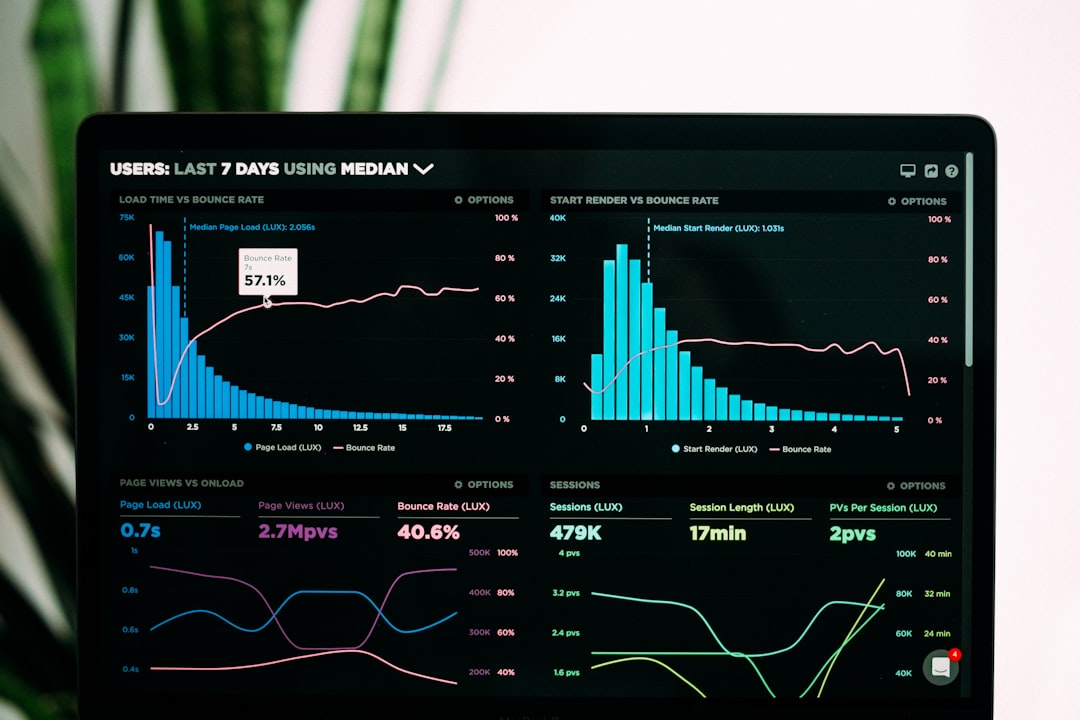
Site performance has a direct connection to both SEO and ecommerce revenue. Slow product pages can reduce conversion rates, increase bounce rates, and weaken user engagement signals. Search engines also use page experience and Core Web Vitals as part of their broader evaluation of website quality.
The best ecommerce SEO services improve metrics such as Largest Contentful Paint, Interaction to Next Paint, and Cumulative Layout Shift. These improvements may involve compressing images, using modern image formats, deferring noncritical JavaScript, reducing third-party scripts, improving hosting, enabling browser caching, and implementing a content delivery network.

Many ecommerce stores suffer from bloated apps, tracking pixels, pop-ups, review widgets, chat tools, and personalization scripts. A skilled SEO performance team reviews these assets carefully. It identifies which scripts support revenue and which ones slow the store without meaningful business value.
Platform-Specific Ecommerce SEO Services
Each ecommerce platform has its own technical strengths and weaknesses. The best SEO services adapt their strategy to the platform instead of applying a generic checklist.
Shopify Technical SEO
Shopify stores often need help with duplicate collections, product variant indexing, app-generated scripts, limited URL customization, and structured data consistency. A specialized Shopify SEO service understands how to manage canonical tags, collection URLs, theme performance, and app conflicts without damaging store functionality.
WooCommerce Technical SEO
WooCommerce sites depend heavily on WordPress configuration, hosting quality, theme code, plugin behavior, and database performance. The best WooCommerce SEO services evaluate plugin bloat, taxonomies, product attributes, schema output, and caching systems. They also ensure that WordPress-generated archives do not create unnecessary duplicate content.
Magento Technical SEO
Magento is powerful but technically complex. Magento SEO services often focus on layered navigation, faceted URLs, crawl budget control, indexing performance, canonicalization, and server configuration. Enterprise stores using Magento may also require advanced log file analysis and development collaboration.
BigCommerce and Headless Commerce SEO
BigCommerce and headless ecommerce setups require careful control over templates, metadata, structured data, rendering, and API-driven content. In headless environments, providers must confirm that search engines can access fully rendered content and that JavaScript frameworks do not hide key product information.
Site Architecture and Internal Linking Services
Strong website architecture helps customers and search engines understand which pages matter most. In ecommerce, category pages often have the highest SEO potential because they target commercial search terms such as product types, brands, materials, sizes, or use cases.
The best ecommerce SEO services design category systems that align with search demand. They may recommend new subcategories, improved navigation labels, optimized breadcrumbs, and stronger internal links from homepage sections, buying guides, blog articles, and related product modules.
A good internal linking strategy distributes authority naturally. It helps search engines discover deep product pages while reinforcing the importance of high-value collections. It also supports users by reducing the number of clicks required to find relevant products.
Faceted Navigation and Crawl Budget Control
Faceted navigation is one of the most common ecommerce SEO challenges. Filters for color, size, price, material, rating, and brand can generate thousands of URL combinations. Some of these pages may be valuable for search, while many others create thin, duplicate, or low-quality URLs.
An expert ecommerce SEO service creates rules for handling facets. Valuable filtered pages may receive optimized titles, indexable URLs, and internal links. Low-value combinations may be canonicalized, noindexed, blocked through robots.txt, or handled with parameter management. The decision depends on search demand, content uniqueness, and business value.
The goal is not to block every filtered page. The goal is to make sure search engines spend more time crawling revenue-driving URLs and less time crawling endless combinations with little ranking potential.
Structured Data and Rich Result Optimization
Structured data helps search engines understand product details such as price, availability, ratings, reviews, brand, SKU, images, and shipping information. The best ecommerce SEO services implement and validate schema markup to increase eligibility for rich results.
Product schema can improve how listings appear in search results, especially when ratings, price ranges, and stock status are displayed. Breadcrumb schema can clarify site hierarchy. Organization schema can strengthen brand identity. FAQ schema, where appropriate, can support informational sections on category or guide pages.
However, structured data must be accurate. Misleading or incomplete schema can create errors in search tools and may reduce trust. A reliable provider validates markup regularly and coordinates with developers when templates change.
Mobile SEO and User Experience Performance
Most ecommerce traffic now comes from mobile devices. Technical SEO services must therefore evaluate mobile design, tap targets, menu usability, checkout flow, product image behavior, and mobile page speed. A store that ranks well but frustrates mobile shoppers may lose revenue despite strong visibility.

Mobile SEO is not only about responsive design. It also involves how quickly product images load, whether filters are easy to use, whether product information is visible without excessive scrolling, and whether the checkout process feels stable. The best providers measure both search performance and user behavior to identify technical friction.
Migration, Redesign, and Relaunch SEO Services
Ecommerce migrations are risky. Moving from one platform to another, redesigning templates, changing URLs, or restructuring categories can cause major traffic losses if technical SEO is not managed carefully. The best ecommerce SEO services provide migration planning before development begins.
Migration support typically includes URL mapping, redirect planning, staging site audits, metadata preservation, schema review, analytics configuration, XML sitemap testing, and post-launch monitoring. These steps protect existing rankings while allowing the store to improve its technology stack.
After launch, the SEO team monitors crawl errors, indexation changes, ranking shifts, and traffic patterns. Fast detection matters because unresolved redirect chains, missing canonicals, or blocked pages can quickly damage organic performance.
How to Choose the Best Ecommerce SEO Service
When evaluating ecommerce SEO providers, businesses should look for proof of technical depth, not only marketing claims. A strong provider can explain how it handles crawl budget, Core Web Vitals, JavaScript rendering, schema, and platform limitations. It should also communicate clearly with developers, designers, merchandisers, and analytics teams.
The best services usually provide:
- A custom technical audit rather than a generic automated report.
- Clear prioritization based on business impact and implementation effort.
- Platform experience with the store’s specific ecommerce system.
- Performance expertise covering mobile speed, Core Web Vitals, and code efficiency.
- Ongoing monitoring after fixes are deployed.
- Collaboration with development teams to ensure recommendations are implemented correctly.
Price should not be the only deciding factor. Low-cost services may provide basic keyword recommendations but fail to solve deeper technical problems. For a serious ecommerce operation, technical SEO can influence revenue at every stage of the customer journey.
Conclusion
The best ecommerce SEO services for technical SEO and site performance focus on making online stores fast, crawlable, structured, and scalable. They understand that rankings depend on more than content; they depend on how efficiently search engines and users can access valuable pages.
Whether an ecommerce business runs on Shopify, WooCommerce, Magento, BigCommerce, or a custom headless platform, technical excellence is essential. A capable SEO partner can uncover hidden problems, improve speed, refine architecture, protect migrations, and create a stronger path from search results to checkout.
FAQ
What is ecommerce technical SEO?
Ecommerce technical SEO is the process of optimizing an online store’s structure, code, crawlability, indexation, speed, and structured data so search engines can understand and rank important product and category pages.
Why is site speed important for ecommerce SEO?
Site speed affects user experience, conversions, bounce rates, and Core Web Vitals. Faster ecommerce pages often perform better because shoppers can browse products and complete purchases with less friction.
What should an ecommerce SEO audit include?
An ecommerce SEO audit should include crawl errors, duplicate content, canonical tags, redirects, indexation, XML sitemaps, robots.txt rules, structured data, internal links, mobile usability, and page speed analysis.
Which ecommerce platforms need technical SEO?
All major ecommerce platforms need technical SEO, including Shopify, WooCommerce, Magento, BigCommerce, and custom headless systems. Each platform has different limitations and optimization opportunities.
How often should an ecommerce site receive a technical SEO review?
A technical review should usually happen at least quarterly, with additional audits before and after major redesigns, migrations, app installations, or changes to site architecture.
Can technical SEO increase ecommerce revenue?
Yes. Technical SEO can improve organic visibility, reduce page load friction, increase product discovery, and support a smoother shopping experience, all of which may contribute to higher revenue.