Law firms that want AI search visibility in 2026 should build content that machines can verify, quote, and connect to real legal authority. That means clear attorney credentials, practice-specific answers, strong local signals, structured data, and consistent proof across the web.
TLDR: Generative Engine Optimization, or GEO, helps law firms appear in AI-generated answers from tools like Google AI Overviews, ChatGPT, Gemini, and Perplexity. A personal injury firm that rewrites 40 practice pages with cited statutes, attorney bios, FAQs, and schema may see AI referral traffic rise by 25% to 45% within six months, depending on market strength. For example, a Chicago employment law firm could become the cited source for “Can I be fired for reporting wage theft in Illinois?” if its page gives a precise, sourced answer. The goal is not just ranking. It is being trusted enough to be named.
What GEO Means for Law Firms
Generative Engine Optimization is the process of making a legal brand visible inside AI-generated search results. Traditional SEO focuses on blue links. GEO focuses on answers, citations, summaries, and recommendations produced by AI systems.
For law firms, this is serious business. A potential client may no longer search, click five websites, and compare. They may ask, “What should I do after a truck accident in Dallas?” and read one AI answer. If that answer names a competing firm, cites their guide, or repeats their explanation, the client’s choice has already started to form.
The annoying part is that AI search does not always show a neat source path. A firm can invest months in content and still wonder which page influenced the answer. That makes measurement harder. It also makes brand clarity more valuable.
Why Legal Brands Need a GEO Plan in 2026
Legal search is high risk. AI systems treat it with caution because bad legal guidance can cause harm. This gives serious firms an opening. Thin content, vague claims, and generic “we fight for you” pages are less useful to AI models than detailed, verified resources.
In 2026, AI search tends to reward content with these qualities:
- Clear authority: named attorneys, bar admissions, case focus, speaking history, and publications.
- Precise answers: short explanations tied to real legal questions.
- Jurisdiction detail: state law, local court references, filing deadlines, and city-specific process notes.
- External confirmation: citations, reviews, directories, news mentions, and professional profiles that match firm claims.
- Structured format: schema, FAQs, headings, summaries, and clean page architecture.
Honestly, it feels like many law firm websites were built for 2016. They have broad pages, stock photos, and no clear answer to the client’s actual question. AI tools are not impressed by slogans. They need facts they can process.
Build Answer Assets, Not Just Blog Posts
A strong GEO strategy starts with answer assets. These are pages designed to answer a complete legal question with enough detail to be useful and enough structure to be extracted by AI.
For example, instead of publishing “What to Know About Divorce,” a family law firm should create pages such as:
- How long does an uncontested divorce take in Florida?
- Who keeps the house during a divorce in Texas?
- Can a parent move out of state with a child after custody is set in California?
Each page should open with a direct answer. Then it should explain exceptions, deadlines, documents, likely costs, and when to speak with counsel. Add citations to statutes, court resources, or agency guidance where appropriate. Do not bury the answer under 600 words of background.
Make Attorney Expertise Machine Readable
AI tools need to understand who is speaking. A faceless firm page is weak. A page reviewed by a named attorney with 18 years of criminal defense work in a specific county is stronger.
Every major legal content page should include:
- Author name and role, with a link to a full attorney profile.
- Reviewer name, especially for posts written by marketing staff.
- Bar admissions and jurisdictions served.
- Relevant experience, such as trials, settlements, appeals, or agency hearings.
- Last reviewed date, since stale legal content is a liability.
This is not decoration. It is trust infrastructure. When AI systems compare sources, a verified attorney profile can help separate a real practice from a content farm.

Use Schema and Clean Technical Signals
Schema markup will not rescue poor content. Still, it helps search systems identify your firm, attorneys, services, locations, and reviews. Law firms should use structured data for LegalService, LocalBusiness, Person, FAQPage, Article, and Organization where suitable.
Keep the technical setup simple and accurate:
- Use one clear page for each core practice area and city combination.
- Make addresses, phone numbers, and business names consistent across listings.
- Improve page speed, especially on mobile.
- Use descriptive title tags and headings.
- Keep XML sitemaps clean and current.
- Avoid blocking important content with scripts that crawlers may not render well.
Expect to waste time on plugins that promise instant schema but produce messy output. A manual review is worth it. One duplicated address field or wrong practice category can create confusion at scale.
Own Local Legal Questions
Most legal intent is local. “Car accident lawyer” is broad. “What happens after a DUI arrest in Maricopa County?” is far more useful. AI systems often blend general legal information with local context, so law firms should publish city and county-specific resources.
Good local GEO content includes courthouse names, local procedure notes, police agency references, filing locations, court timelines, and state law boundaries. Be careful. Do not imply special access or guaranteed treatment in a local court. Keep the tone factual.
A strong local answer might say: “In Harris County, misdemeanor DWI cases are usually handled in county criminal courts. After arrest, the license issue may involve a separate administrative process. Deadlines can be short, so legal advice should be sought quickly.”
Strengthen Off-Site Proof
AI systems do not read only your website. They draw signals from legal directories, review sites, news articles, bar associations, social profiles, podcasts, and public databases. If those sources conflict, trust drops.
Review these assets quarterly:
- Google Business Profile categories and service areas.
- Avvo, Justia, FindLaw, Martindale, Super Lawyers, and state bar profiles.
- Attorney LinkedIn pages.
- Local news mentions and community pages.
- Client review themes and response patterns.
Reviews matter, but not only star ratings. AI tools can infer service strengths from repeated language. If 30 clients mention “clear communication,” “quick response,” and “strong preparation,” that theme supports the brand.
Measure GEO Without Guesswork
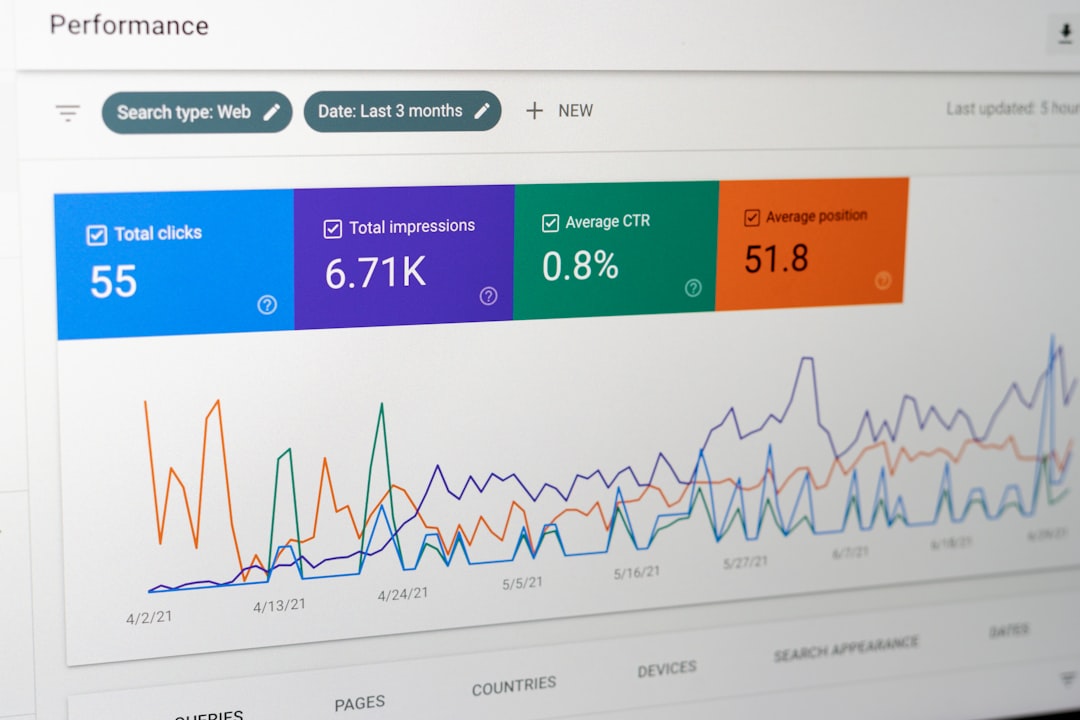
GEO reporting is still imperfect, but law firms can track useful indicators. Create a monthly AI visibility report that includes:
- AI answer presence: whether the firm appears for 50 to 100 target questions.
- Citation frequency: how often firm pages are named or linked.
- Branded search lift: changes in searches for attorney and firm names.
- AI referral traffic: visits from known AI platforms.
- Lead quality: signed cases, not just form fills.
A realistic benchmark may look like this: after six months, a mid-sized estate planning firm tracks 80 AI prompts and appears in 19 of them, up from 7. Organic traffic rises 18%, but consultation requests rise 31% because the new pages answer urgent, specific questions. That is the type of improvement partners can understand.
Guardrails for Legal Ethics
GEO must respect advertising rules and professional duties. Avoid guarantees, inflated claims, fake urgency, and content that sounds like legal advice for every reader. Use disclaimers, but do not rely on them to fix reckless copy.
Firms should also create an internal review process. A qualified attorney should approve pages that explain rights, deadlines, defenses, compensation, immigration status, tax issues, or criminal exposure. Accuracy is not optional.
The Practical 2026 Action Plan
- Audit the top 50 client questions by practice area and location.
- Rewrite weak pages with direct answers, citations, and attorney review.
- Add structured data for attorneys, services, locations, and FAQs.
- Update legal directory profiles so credentials match everywhere.
- Track AI answers monthly using a fixed prompt set.
- Improve pages based on signed case data, not vanity traffic.
The firms that win AI search in 2026 will be the ones that sound like real lawyers, not content machines. Clear answers, proven credentials, local detail, and consistent third-party proof will carry more weight than volume alone. For legal brands, GEO is not a side project. It is the next layer of client acquisition.