
RocketMailer is often used by small businesses, agencies, creators, and ecommerce teams that need a central place to manage email campaigns, subscriber lists, automation, and performance reports. A smooth login process is important because campaign timing, audience segmentation, and analytics reviews often depend on reliable account access.
TLDR: RocketMailer users typically sign in with an email address and password, then access campaign tools, contact lists, templates, and reporting dashboards. If login fails, the most common fixes include resetting the password, checking the account email, clearing browser cache, or confirming whether two factor authentication is enabled. For example, a retail team preparing a weekend promotion could avoid missed revenue by restoring access in 10 minutes instead of delaying a campaign to 25,000 subscribers. In many email marketing workflows, even a 5% improvement in open rates can significantly affect traffic and sales.
Understanding the RocketMailer Login Process
The RocketMailer login process usually begins on the platform’s sign in page, where an account holder enters the registered email address and password. Some accounts may also require two factor authentication, especially when security settings are enabled by an administrator or when access occurs from a new device.
For businesses with multiple team members, login access may depend on assigned roles. A marketing manager may have full campaign, billing, and automation permissions, while a content specialist may only have access to templates and drafts. This role based setup helps prevent accidental changes to sensitive settings.
- Standard login: Registered email address and password are entered.
- Two factor login: A verification code is required after the password step.
- Team access: Permissions depend on the role assigned by an account administrator.
- Single browser session: Some accounts may automatically log out inactive users for security.
Common RocketMailer Login Problems
Login issues are usually caused by simple account, browser, or security factors. A user may enter an outdated password, attempt to sign in with the wrong email address, or experience a temporary browser conflict. In other cases, an account may be locked after repeated failed attempts.
Incorrect password is the most common issue. If the system rejects the password, the user should use the password reset link and check the inbox connected to the RocketMailer account. If the reset email does not arrive, the spam folder, promotions folder, or company mail filter should be checked.
Wrong email address is another frequent cause. Teams sometimes create multiple marketing accounts over time, especially when different departments test different tools. The login email should match the original account owner or invited user address.
Browser problems may also interfere with access. Old cookies, cached scripts, blocked pop ups, or browser extensions can prevent a login page from loading correctly. A private browsing window, updated browser, or cleared cache often resolves this type of issue.
Troubleshooting Account Access
When a RocketMailer user cannot sign in, a structured troubleshooting process is more efficient than repeated login attempts. Too many failed attempts may trigger a temporary security lock, which can delay access further.
- Confirm the login URL: The account holder should make sure the official RocketMailer sign in page is being used.
- Check account credentials: The registered email address and password should be entered carefully, without extra spaces.
- Reset the password: If the password is uncertain, a reset is safer than guessing.
- Review email filters: Password reset messages may be filtered by spam protection or company security tools.
- Try another browser or device: This can reveal whether the issue is local to one browser.
- Disable conflicting extensions: Ad blockers, privacy extensions, or script blockers may affect login pages.
- Contact support: If the account remains inaccessible, support may need to verify ownership.
If the account belongs to an organization, the user should also check whether an administrator has changed permissions, removed the user invitation, or required new authentication settings. In agency environments, account access may be revised when client ownership or billing responsibility changes.
Security Tips for RocketMailer Accounts
Email marketing platforms contain valuable business data, including subscriber lists, campaign history, segmentation rules, and performance analytics. For that reason, RocketMailer account security should be treated as part of a company’s broader data protection strategy.
- Use a strong password: A long password with mixed characters is harder to compromise.
- Enable two factor authentication: This adds protection if a password is exposed.
- Review user roles regularly: Former employees or inactive contractors should not retain access.
- Avoid shared logins: Individual accounts make activity tracking and permission control easier.
- Monitor suspicious activity: Unexpected campaign edits, list exports, or login alerts should be investigated.
Key Email Marketing Features After Login
Once signed in, RocketMailer users can typically access a range of email marketing features designed to help plan, send, and measure campaigns. The central dashboard usually provides shortcuts to campaign creation, contact management, templates, automations, and reports.
Campaign creation is one of the main features. A team can build newsletters, promotional emails, product announcements, event reminders, or onboarding messages. Many email marketing platforms include drag and drop editors, reusable content blocks, image support, and preview tools for desktop and mobile views.
Contact list management helps organize subscribers into specific groups. Lists may be segmented by signup source, purchase history, engagement level, location, or customer type. For example, an online store might send a discount to customers who purchased within the last 90 days, while sending a reactivation email to subscribers who have not opened messages for six months.
Automation workflows allow marketers to send emails based on behavior or timing. Common workflows include welcome sequences, abandoned cart reminders, birthday offers, lead nurturing campaigns, and post purchase follow ups. Automation can reduce manual work while keeping communication consistent.
Templates and branding tools help maintain a consistent look across newsletters and promotional messages. A brand can reuse headers, footers, buttons, colors, and layouts so every campaign feels familiar to recipients.
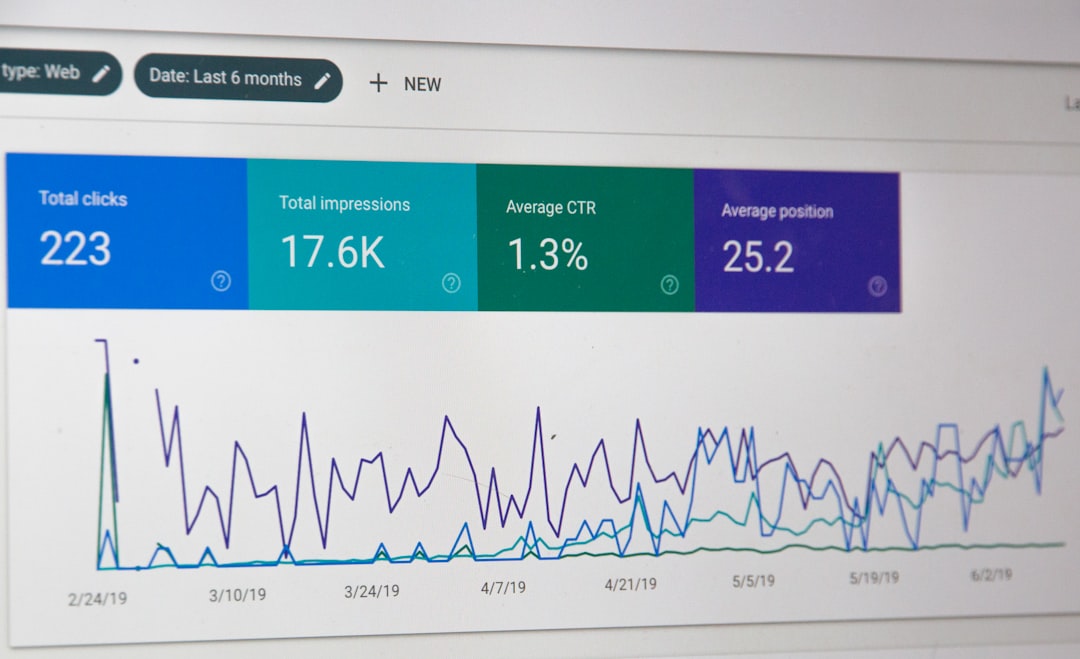
Analytics and reporting are essential for measuring performance. Users may track metrics such as open rate, click through rate, bounce rate, unsubscribe rate, conversions, and revenue attribution. A campaign with a 32% open rate and a 4.8% click rate, for instance, may indicate strong subject lines and relevant content, while a high bounce rate may suggest that the list needs cleaning.
Best Practices for Using RocketMailer Efficiently
Efficient RocketMailer use depends on both technical access and sound marketing habits. Teams should keep subscriber data clean, test emails before sending, and review analytics after every major campaign. A login session should not simply lead to sending more email; it should support better targeting and clearer communication.
Before launching a campaign, marketers should verify the subject line, sender name, links, personalization tags, unsubscribe link, and mobile layout. A small internal test group can catch formatting problems before the email reaches thousands of subscribers.
Segmentation should also be used thoughtfully. Sending the same campaign to every contact may be simple, but targeted messages usually perform better. A software company might send onboarding tips to new trial users, renewal reminders to paying customers, and feature updates to power users. Each segment receives content that feels more relevant.
When Support May Be Needed
Some login problems cannot be solved by the user alone. Support assistance may be necessary when an account is locked, a two factor authentication device is lost, administrative ownership has changed, billing status affects access, or suspicious activity has been detected.
When contacting support, the account holder should be prepared to provide identifying details such as the registered email address, company name, approximate account creation date, recent invoice information, or other verification data. This helps protect the account from unauthorized recovery attempts.
FAQ
Why can a RocketMailer user not log in?
A user may be entering the wrong password, using an incorrect email address, experiencing browser cache issues, or facing a temporary account lock after multiple failed attempts.
How can a RocketMailer password be reset?
The user can select the password reset option on the login page and follow the instructions sent to the registered email address. Spam and security filter folders should also be checked.
What should happen if the reset email does not arrive?
The user should confirm that the correct account email was entered, check spam or promotions folders, and ask the company email administrator whether automated messages are being blocked.
Can multiple team members use the same RocketMailer account?
Shared logins are not recommended. Individual user accounts with role based permissions are safer because they allow better access control and activity tracking.
What features are available after login?
Typical features include campaign creation, subscriber list management, templates, automation workflows, audience segmentation, and analytics reports.
How can RocketMailer account security be improved?
Security can be improved with strong passwords, two factor authentication, regular permission reviews, and removal of inactive users.