Fax is a document transmission method that sends images of paper records through phone lines or internet-based fax systems. It may feel old, but it still matters in healthcare, law, finance, insurance, logistics, and government work. The reason is simple: fax remains accepted for signed forms, confidential records, and time-sensitive paperwork where proof of delivery matters.
TLDR: Fax technology still works because it is simple, traceable, and widely accepted by regulated industries. A clinic, for example, may send 40 patient referrals a day by cloud fax instead of scanning, emailing, and calling to confirm receipt. Many organizations now use online fax, so staff can send documents from a browser or app without touching a fax machine. The main point: fax is not gone; it has changed form.
1. Fax turns documents into transmittable images
At its core, fax is a way to send a copy of a document from one place to another. Traditional fax machines scan a page, convert it into electronic signals, transmit those signals over a telephone line, and print the image on the receiving machine.
Modern fax systems often skip the physical machine. A user uploads a PDF, image, or scanned document to an online fax service. The service sends it to a fax number, and the recipient receives it through a machine, email inbox, secure portal, or another digital system.
This means fax is not only about bulky office equipment anymore. It is about compatibility. If one office still depends on a fax number, another office can reach it without buying a machine.

2. Traditional fax and online fax are not the same
A traditional fax machine needs paper, toner, a phone line, and maintenance. It prints incoming faxes by default. It also depends on someone being near the machine to collect pages, fix jams, and refill supplies.
Online fax, sometimes called internet fax or cloud fax, works through software. Users send and receive faxes through email, web dashboards, mobile apps, or integrated business systems. The recipient can still use a regular fax machine. That backward compatibility is one reason fax has survived.
Honestly, it feels ridiculous when a three-page form takes longer to send because a machine is out of paper. Online fax removes much of that irritation. Still, it is not magic. Poorly designed services can add their own friction, such as slow uploads, clumsy contact lists, or confusing delivery logs.
- Traditional fax: Uses a physical device and phone line.
- Online fax: Uses software and internet access.
- Hybrid setup: Sends from a computer to a recipient’s fax machine.
- Enterprise fax: Connects faxing to document systems, databases, and compliance tools.
3. Fax still has legal and business value
Fax persists because it creates a clear transmission record. A fax confirmation page can show the date, time, recipient number, and whether delivery succeeded. In many workflows, that record is enough to prove that a document was sent.
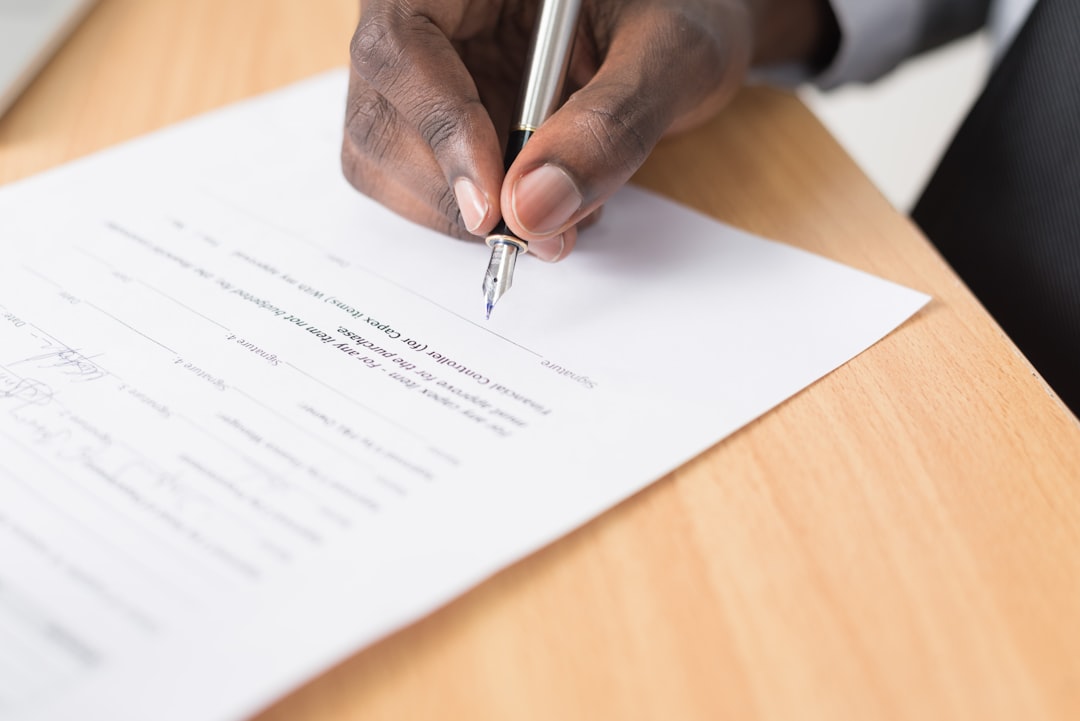
Some industries also have long-standing procedures built around fax numbers. Medical referrals, insurance authorizations, court filings, prescription records, vendor forms, and signed contracts may still move by fax because staff, vendors, and regulators know how to process them.
This does not mean fax is always the best tool. Email, secure portals, e-signature platforms, and document management systems may be better for many tasks. But when a receiving party says, “Send it by fax,” the sender needs a practical way to comply.
4. Security depends on the type of fax system
Fax is often described as secure, but that statement needs care. A traditional fax sent over a phone line is harder to intercept than a basic email, but it can still be seen by the wrong person if it prints in a shared area. Anyone standing near the machine may pick it up.
Online fax security depends on the provider and configuration. Serious systems may include encryption, access controls, audit logs, retention rules, user permissions, and secure storage. Weak systems may forward faxes to a shared email inbox with poor password practices. That is a problem, not a solution.
For regulated data, such as health records or financial information, organizations should check whether the fax service supports the required compliance standards. They should also define who can send, receive, view, download, delete, and archive documents.
5. Fax numbers still act like business addresses
A fax number works much like a direct document address. It tells the sender where to transmit paperwork. Many companies keep fax numbers on invoices, intake forms, business cards, websites, and vendor records because customers still use them.
With online fax, a number can be local, toll-free, or assigned to a department. For example, a law firm may use one fax number for client intake, one for court documents, and one for billing. This separation lowers the risk of lost documents and makes tracking easier.
Number portability also matters. If a company has used the same fax number for ten years, changing it may cause missed forms and confused clients. Many cloud fax providers allow businesses to keep existing fax numbers when moving away from old machines.
6. The best fax setup depends on volume and risk
There is no single fax setup that fits every organization. A small contractor who sends two forms a month may only need a basic online fax account. A regional clinic may need centralized routing, user controls, backup storage, and integration with patient records.
Before choosing fax software or hardware, ask practical questions:
- How many pages are sent and received each month?
- Who needs access to incoming faxes?
- Do documents contain private or regulated information?
- Are delivery confirmations required?
- Should faxes flow into a records system?
- What happens if a fax fails?
Expect to waste time on manual filing if incoming faxes arrive as unnamed PDFs with no routing rules. A 90-second delay per document may sound small. Across 100 documents a week, it becomes 2.5 hours of avoidable handling. That is where better workflow design pays off.
Common fax formats and terms
A few terms make fax easier to understand. PSTN fax refers to faxing over traditional telephone networks. FoIP, or fax over internet protocol, sends fax data across internet-based networks. T.38 is a protocol designed to make fax transmission more reliable over IP connections.
Fax to email converts incoming faxes into digital files and sends them to an inbox. Email to fax lets users send a message with an attachment to a fax number. Broadcast fax sends one document to many recipients, though businesses must follow consent and communication laws when using it.
Where fax makes sense now
Fax is most useful when the recipient requires it, when a document trail matters, or when a business process is already built around fax numbers. It is also helpful when dealing with organizations that use older systems but still need reliable document delivery.
Fax makes less sense for team collaboration, document editing, marketing communication, or tasks that need instant back-and-forth discussion. For those uses, shared workspaces, secure portals, or e-signature tools usually work better.
What to check before using a fax service
Choose a fax method with care. Look for clear delivery receipts, strong access controls, predictable pricing, support for your file types, and easy number management. If your documents are sensitive, ask direct questions about encryption, storage location, retention settings, audit logs, and user permissions.
Also test the service before relying on it. Send a sample fax to a known number. Confirm the page quality. Check how long delivery takes. Review the confirmation report. Then test failure handling by sending to an invalid number. A serious fax system should make success and failure easy to understand.
Fax is no longer just a noisy machine in the corner. It is a document delivery method that now spans phone lines, cloud platforms, email, and business software. Used well, it remains practical. Used carelessly, it becomes another source of lost pages, privacy risk, and wasted staff time.