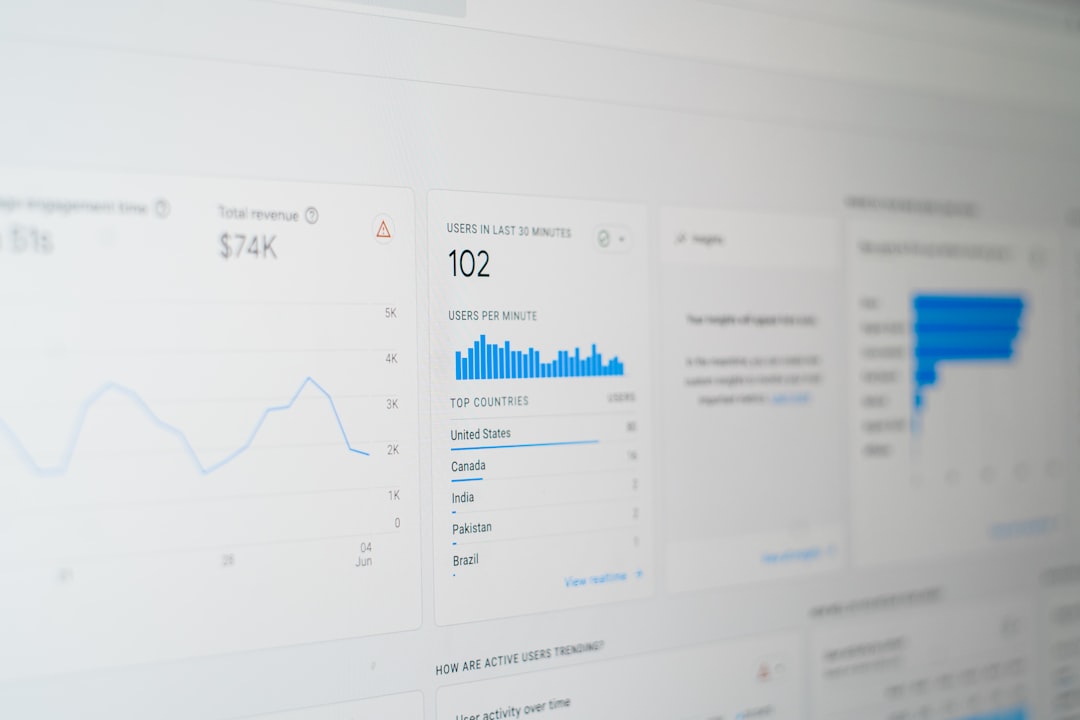
Modern infrastructure teams need monitoring tools that provide fast visibility into servers, containers, Kubernetes clusters, databases, networks, and applications. While Netdata is popular for real-time, per-second metrics and lightweight agent-based monitoring, it is not always the perfect fit for every organization. Some teams need deeper alerting workflows, longer metric retention, stronger enterprise governance, more advanced observability features, or a hosted platform that reduces operational overhead.
TLDR: The best Netdata alternatives include Prometheus with Grafana, Datadog, Zabbix, New Relic, Dynatrace, Checkmk, and InfluxDB with Telegraf and Grafana. Open-source teams often prefer Prometheus, Grafana, Zabbix, or Checkmk, while enterprises frequently choose Datadog, New Relic, or Dynatrace for managed observability and advanced automation. The right option depends on scale, budget, deployment model, alerting needs, and whether the organization wants infrastructure monitoring only or full-stack observability.
Why Organizations Look for Netdata Alternatives
Netdata is known for its attractive real-time dashboards, quick installation, and granular system metrics. It is especially useful for troubleshooting individual hosts and smaller environments where immediate visibility matters. However, infrastructure monitoring requirements often become more complex as an organization grows.
Teams may need centralized dashboards, multi-year retention, advanced role-based access control, service-level objectives, distributed tracing, or AI-assisted anomaly detection. In other cases, security policies may require on-premises deployment, while fast-moving engineering teams may prefer a fully managed SaaS platform. Because of this, the best Netdata alternative is not a single product, but a monitoring solution that fits the organization’s technical and operational model.

1. Prometheus and Grafana
Prometheus paired with Grafana is one of the most widely used open-source alternatives to Netdata. Prometheus collects and stores time-series metrics, while Grafana provides powerful visualization, dashboards, and alerting capabilities. This combination is especially common in Kubernetes, cloud-native, and DevOps environments.
Prometheus works by scraping metrics from configured endpoints, making it a natural fit for microservices and containerized workloads. Its query language, PromQL, is highly flexible and allows teams to build detailed dashboards and alerts. Grafana enhances the stack with rich visualizations, integrations, and support for multiple data sources.
Best for: Cloud-native teams, Kubernetes monitoring, open-source environments, and organizations with strong DevOps expertise.
- Pros: Free and open source, excellent Kubernetes support, huge ecosystem, flexible querying.
- Cons: Requires configuration, scaling Prometheus can be complex, long-term storage usually needs additional tools.
2. Datadog
Datadog is a leading SaaS observability platform that covers infrastructure monitoring, application performance monitoring, logs, security monitoring, synthetic testing, real user monitoring, and more. It is often chosen by companies that want a polished, managed platform instead of maintaining monitoring infrastructure themselves.
Compared with Netdata, Datadog provides a broader observability suite. It offers hundreds of integrations, automatic cloud resource discovery, intelligent alerts, and strong collaboration features. It is particularly valuable for organizations running hybrid or multi-cloud environments across AWS, Azure, Google Cloud, Kubernetes, and traditional servers.
Best for: Enterprises, SaaS companies, cloud-heavy environments, and teams that need full-stack observability from a managed platform.
- Pros: Easy to deploy, large integration catalog, excellent dashboards, advanced alerting, strong cloud visibility.
- Cons: Can become expensive at scale, pricing may be complex, data retention depends on plan.
3. Zabbix
Zabbix is a mature open-source infrastructure monitoring platform with strong support for servers, networks, virtual machines, applications, and services. It has been used for many years by system administrators and enterprises that prefer self-hosted monitoring with deep configurability.
Zabbix supports agent-based and agentless monitoring, SNMP, IPMI, JMX, traps, templates, discovery rules, and advanced alerting. It is a strong choice for traditional infrastructure, data centers, network devices, and mixed environments. While Netdata is often praised for real-time visual appeal, Zabbix is valued for its durability, alerting depth, and broad infrastructure coverage.
Best for: Organizations needing open-source, self-hosted monitoring for servers, networks, and enterprise infrastructure.
- Pros: Free and open source, powerful alerting, strong network monitoring, extensive templates.
- Cons: User interface can feel less modern, setup can be time-consuming, tuning may be required for large environments.

4. New Relic
New Relic is a full-stack observability platform that combines infrastructure monitoring, application performance monitoring, logs, browser monitoring, mobile monitoring, synthetics, and distributed tracing. It is well suited for engineering teams that need to understand how infrastructure performance affects application and user experience.
As a Netdata alternative, New Relic is less focused on local real-time host dashboards and more focused on unified observability across the software stack. Its dashboards, alerting, and telemetry platform help teams correlate infrastructure metrics with application transactions, traces, and logs. This makes it useful for identifying whether performance issues are caused by code, infrastructure, third-party services, or databases.
Best for: Application-focused teams, software companies, and organizations that want infrastructure metrics connected to APM and user experience data.
- Pros: Strong APM, unified telemetry, good dashboards, useful correlation between infrastructure and applications.
- Cons: Pricing can be difficult to predict, may be more than needed for simple server monitoring.
5. Dynatrace
Dynatrace is an enterprise-grade observability and application intelligence platform known for automation, AI-assisted root cause analysis, and deep dependency mapping. It monitors infrastructure, applications, Kubernetes, logs, digital experience, and cloud environments.
For large organizations, Dynatrace can be a powerful Netdata alternative because it reduces manual investigation. Its Davis AI engine analyzes dependencies and anomalies to help teams understand the source of incidents. It can automatically discover services, map relationships, and detect performance issues across complex enterprise architectures.
Best for: Large enterprises, complex hybrid cloud environments, and teams that need automated root cause analysis.
- Pros: Advanced automation, strong AI features, excellent dependency mapping, enterprise security and governance.
- Cons: Premium pricing, may be too advanced for small teams, onboarding can require planning.
6. Checkmk
Checkmk is another strong infrastructure monitoring platform that focuses on servers, networks, applications, containers, and cloud services. It offers both an open-source edition and an enterprise edition, making it suitable for a range of organizations.
Checkmk is often appreciated for its efficient agent, automatic discovery, rule-based configuration, and strong network monitoring. It can monitor Linux, Windows, databases, storage systems, switches, routers, and Kubernetes environments. Compared with Netdata, Checkmk is more traditional in structure but stronger for centralized monitoring across large infrastructure estates.
Best for: IT operations teams, managed service providers, and organizations that monitor mixed server and network environments.
- Pros: Fast discovery, efficient monitoring, strong network and server coverage, scalable architecture.
- Cons: Interface may require learning, advanced features are in the enterprise edition.
7. InfluxDB, Telegraf, and Grafana
The combination of InfluxDB, Telegraf, and Grafana is a flexible time-series monitoring stack. Telegraf collects metrics from systems, services, containers, and applications; InfluxDB stores the metrics; and Grafana visualizes them through dashboards.
This stack is a strong Netdata alternative for teams that want control over metric pipelines and time-series storage. It can be customized for infrastructure monitoring, IoT telemetry, application metrics, and custom operational dashboards. It may require more design work than Netdata, but it gives teams significant flexibility.
Best for: Teams that want a customizable metric collection and visualization stack with strong time-series storage.
- Pros: Flexible architecture, good time-series performance, broad Telegraf plugin ecosystem, excellent dashboards with Grafana.
- Cons: Requires setup and maintenance, alerting and scaling need careful design.
8. Nagios
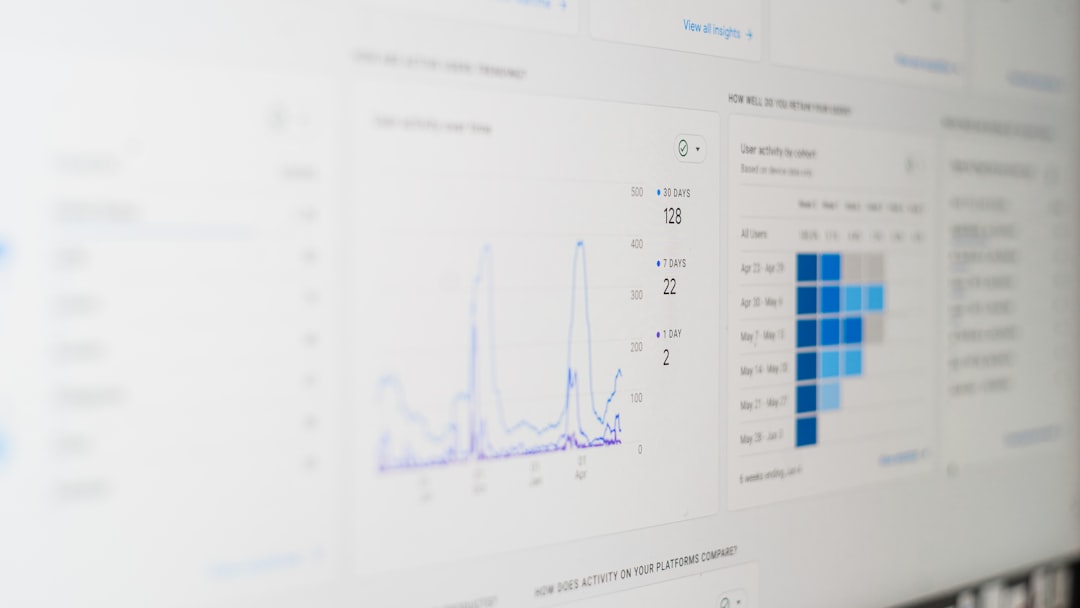
Nagios is one of the oldest and most recognizable names in infrastructure monitoring. It is widely used for availability checks, service monitoring, host monitoring, and alerting. Although newer tools often provide more modern dashboards and cloud-native support, Nagios remains relevant in many traditional IT environments.
As a Netdata alternative, Nagios is best suited for organizations that prioritize uptime checks and alerting over real-time metric visualization. Its plugin ecosystem is extensive, and many administrators are already familiar with its configuration model. However, organizations seeking modern observability may find it less comprehensive without extensions or commercial versions.
Best for: Traditional IT teams, availability monitoring, and environments with existing Nagios expertise.
- Pros: Mature ecosystem, extensive plugins, reliable alerting, strong community history.
- Cons: Older interface, configuration can be manual, less ideal for dynamic cloud-native environments.
How to Choose the Best Netdata Alternative
The best choice depends on how the monitoring function is expected to operate. A small engineering team may value speed, simplicity, and low cost. A large enterprise may need access controls, audit logs, service maps, compliance features, and 24/7 support. A cloud-native company may need Kubernetes-native metrics and tracing, while a network-heavy organization may require SNMP, topology views, and hardware monitoring.
When comparing tools, teams should consider the following factors:
- Deployment model: Some tools are self-hosted, while others are SaaS-based or hybrid.
- Cost structure: Pricing may depend on hosts, metrics, users, logs, traces, or data ingestion volume.
- Scalability: The platform should handle current infrastructure and future growth.
- Alerting quality: Good alerting should reduce noise and highlight meaningful incidents.
- Integrations: The tool should support cloud platforms, databases, containers, orchestration systems, and collaboration tools.
- Retention and reporting: Long-term trend analysis often requires extended metric storage.
- Ease of use: Dashboards, configuration, and incident workflows should match the team’s skill level.
Open Source vs. Commercial Alternatives
Open-source alternatives such as Prometheus, Grafana, Zabbix, Checkmk Raw Edition, and Nagios Core can be excellent for teams with the expertise to deploy and maintain them. They provide control, flexibility, and cost advantages, especially for organizations that want to avoid vendor lock-in.
Commercial platforms such as Datadog, New Relic, and Dynatrace reduce operational burden and provide advanced features out of the box. They are often better for teams that want rapid implementation, integrated telemetry, enterprise support, and less time spent managing the monitoring platform itself. However, their costs can grow as infrastructure, log volume, and telemetry usage increase.
Final Thoughts
Netdata remains a strong monitoring solution, especially for real-time system metrics and fast troubleshooting. However, many teams eventually need broader capabilities, deeper integrations, longer retention, or enterprise-level observability. For open-source flexibility, Prometheus with Grafana is often the strongest cloud-native option, while Zabbix and Checkmk are excellent for traditional infrastructure and network monitoring.
For organizations that prefer managed observability, Datadog, New Relic, and Dynatrace offer broad telemetry coverage and advanced operational workflows. The best Netdata alternative is the one that fits the organization’s infrastructure, budget, skills, and long-term monitoring strategy.
FAQ
What is the best overall Netdata alternative?
Prometheus with Grafana is often considered the best open-source alternative, while Datadog is one of the strongest commercial alternatives. The best overall choice depends on whether the organization wants self-hosted flexibility or a managed observability platform.
Which Netdata alternative is best for Kubernetes?
Prometheus and Grafana are highly popular for Kubernetes monitoring because they integrate well with cloud-native tools and support detailed container, pod, node, and cluster metrics.
Which alternative is best for enterprise monitoring?
Dynatrace, Datadog, and New Relic are strong enterprise choices. They provide full-stack observability, support, governance features, and advanced analytics for complex environments.
Is there a free alternative to Netdata?
Yes. Prometheus, Grafana, Zabbix, Nagios Core, and Checkmk Raw Edition all offer free or open-source monitoring options.
Which Netdata alternative is best for network monitoring?
Zabbix and Checkmk are strong choices for network monitoring because they support SNMP, discovery, templates, alerting, and monitoring of switches, routers, firewalls, and other devices.
Is Datadog better than Netdata?
Datadog is broader than Netdata and includes infrastructure monitoring, APM, logs, security, and user experience monitoring. Netdata may be better for lightweight real-time host visibility, while Datadog is better for managed full-stack observability.
What should teams consider before switching from Netdata?
Teams should evaluate cost, deployment model, data retention, alerting needs, integrations, compliance requirements, and whether they need simple infrastructure monitoring or complete observability across applications, logs, traces, and user experience.